
Vintage Mantel Timepiece
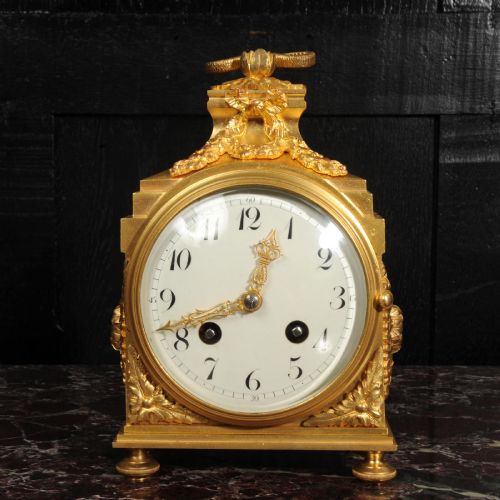
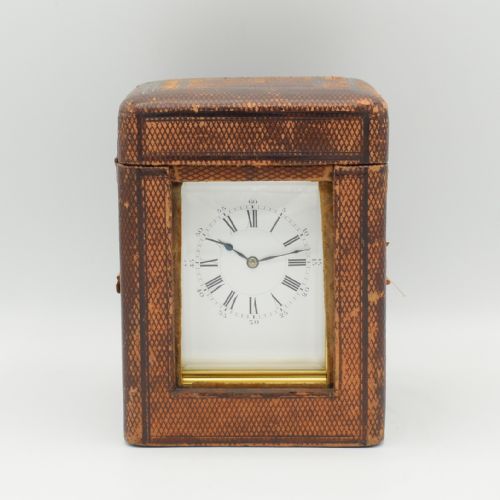
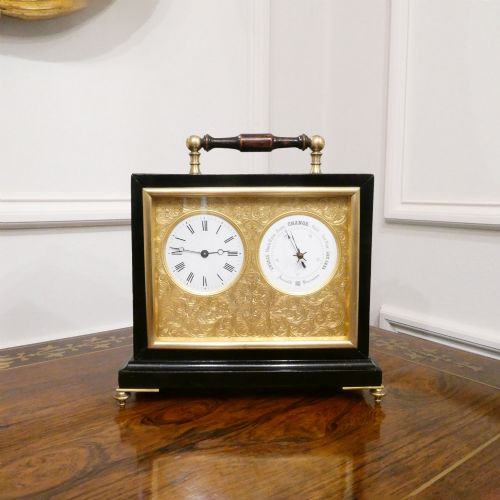
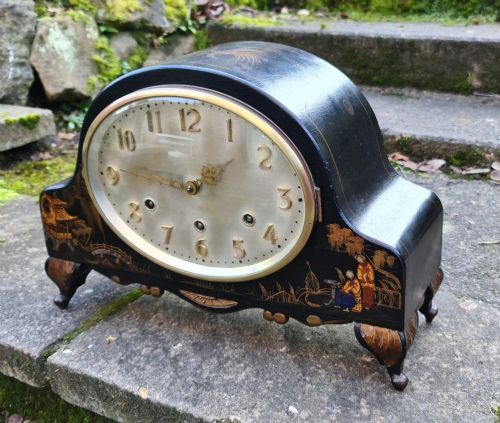
These vintage mantel timepieces range from brass carriage clocks to Art Deco oak designs, bringing mechanical movement and period character to any room.
Vintage Mantel Timepiece
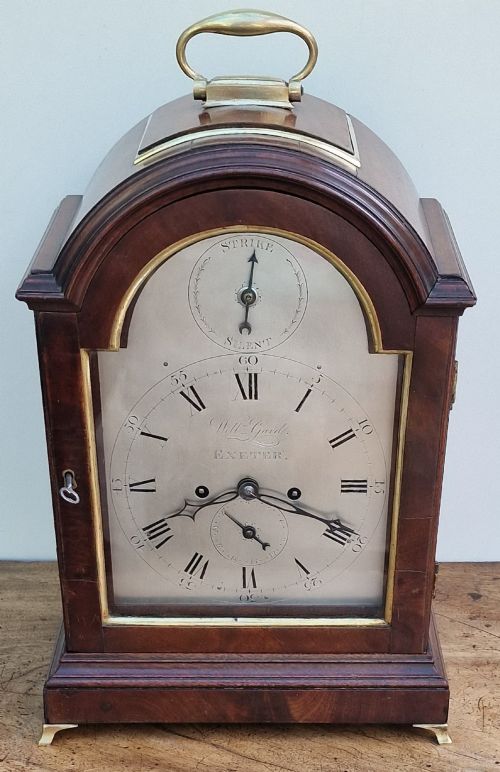
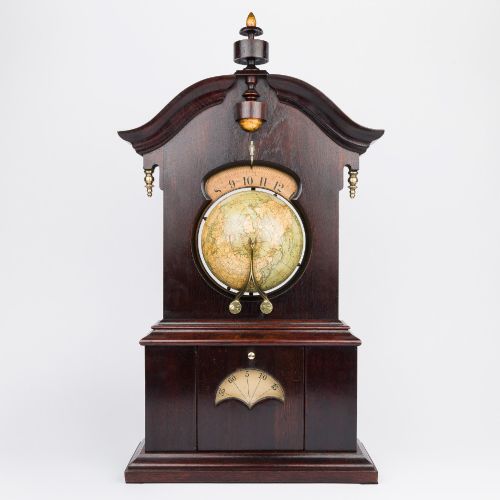
A vintage mantel timepiece sits on a shelf or tabletop, keeping hours through mechanical or early electrical movements housed in decorative cases. When searching for a vintage mantel timepiece, buyers encounter a wide spectrum of forms spanning centuries of domestic horology.
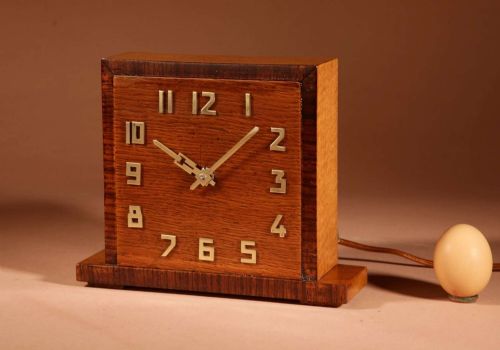
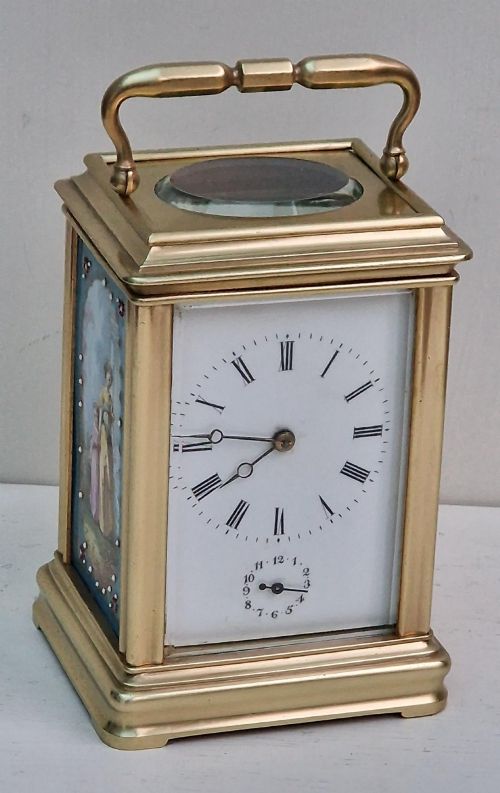
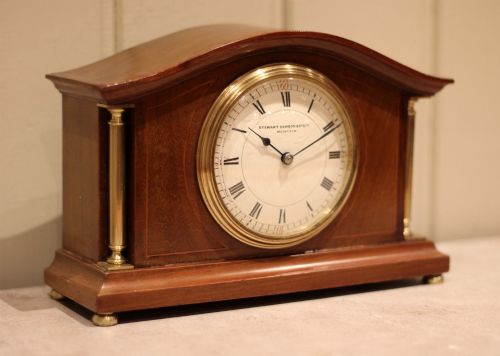
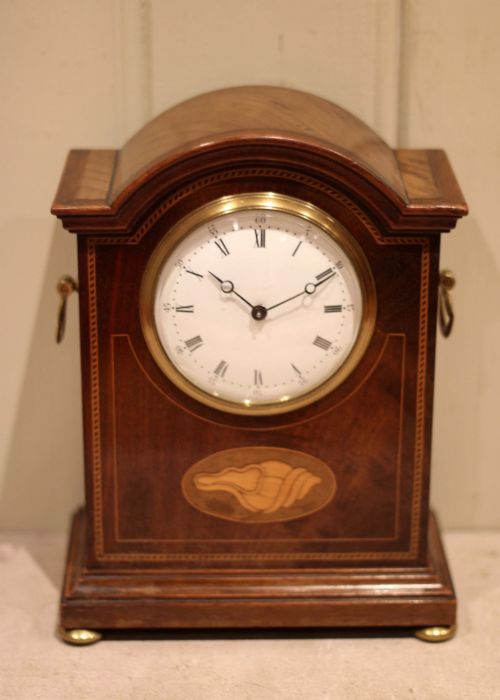
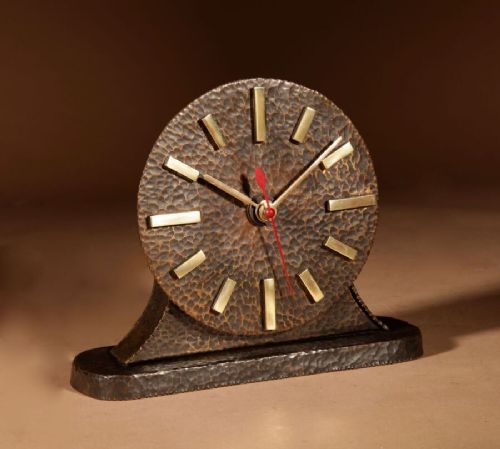
The selections available here lean heavily into twentieth-century designs alongside earlier brass and wooden examples. Edwardian inlaid mahogany models, Art Deco oak and bakelite pieces, and heavy brass carriage clocks represent the core of what turns up on the shelf.
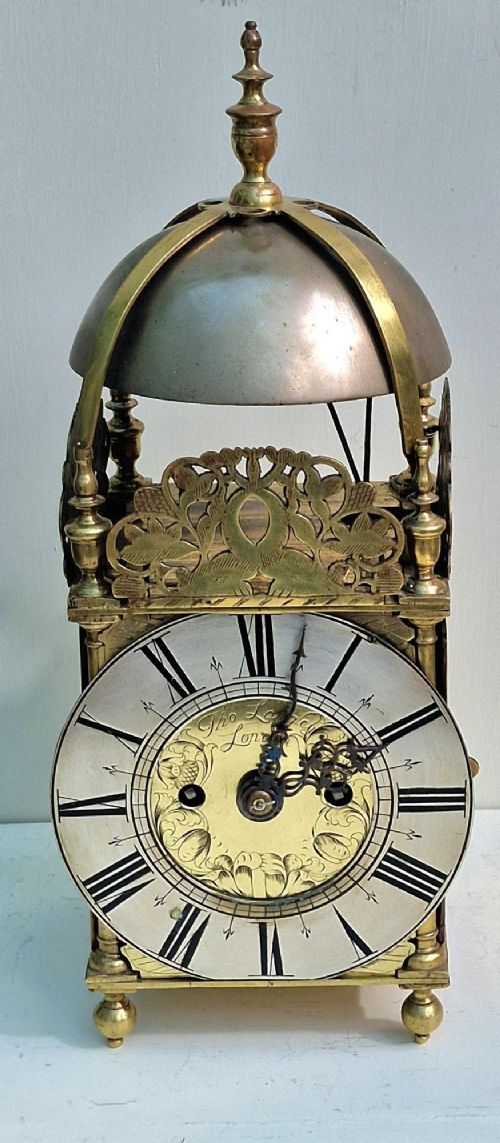
Earlier periods also surface, from Victorian skeleton clocks to seventeenth-century lantern clocks by makers such as Thomas Langley. Each object reflects the domestic tastes and technological shifts of its respective decade, combining utility with decorative presence.
Materials and construction
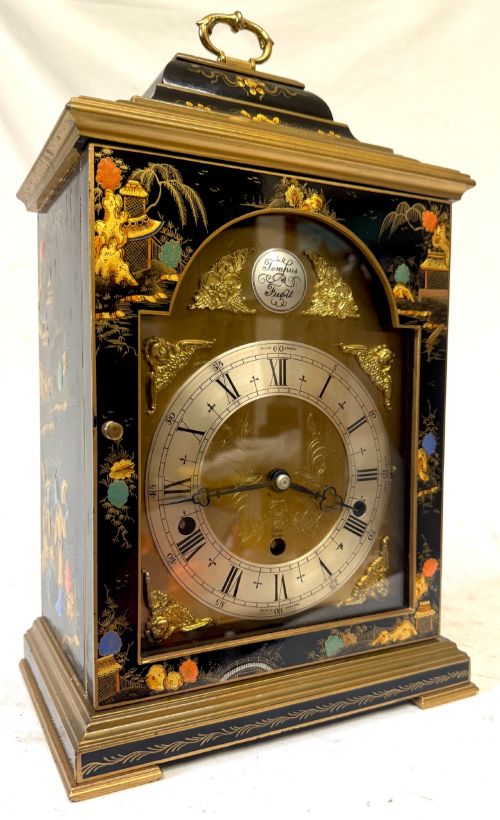
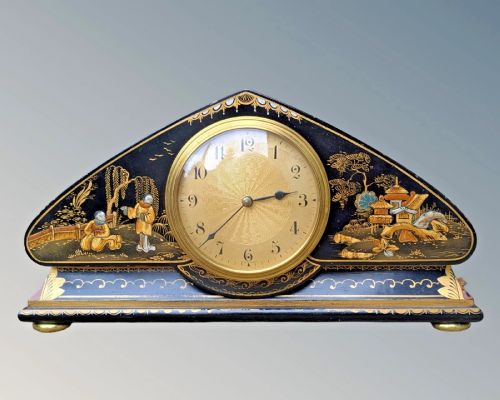
Glass panels protect delicate dials and exposed movements, while enamel, porcelain, and opalescent glass provide the dial faces and decorative inserts. Bakelite and early plastics emerge in twentieth-century examples alongside lacquered finishes and Chinoiserie decoration.
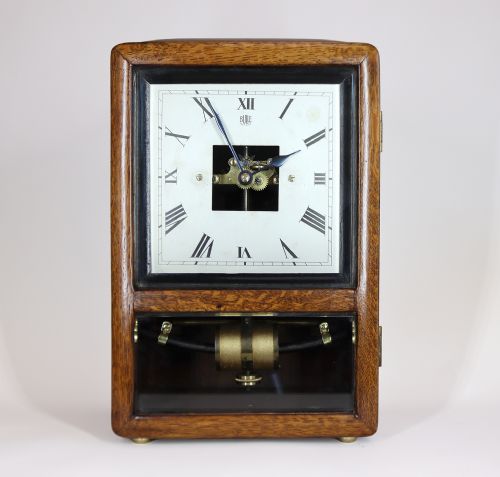
Movements range from traditional spring-driven and weight-driven gear trains to early electrical systems like Bulle and electric mechanisms housed within timber or metal shells.
Vintage Mantel Timepiece Retail Price Guide 2026
Typical asking prices for vintage mantel timepiece among the pieces listed under this phrase on Sellingantiques today, from the lower quarter to the upper quarter. They describe what is for sale here now, not the wider market.
Listings feature periods spanning the seventeenth century through the 1960s, encompassing materials from oak and brass to chrome and opalescent glass.
Variations in quality
Quality rests in the crispness of the case carving, the choice of timber grain, and the fineness of metal casting. Heavy ormolu mounts, hand-painted porcelain panels, and intricate enamel work separate standard production from superior pieces.
Mechanical execution dictates the underlying worth of the object, visible in the finish of the movement plates and the reputation of the maker. Cases executed in rarer materials like macassar ebony or featuring specialised designs by known retailers command greater appreciation.
Thomas Langley·Henri Jacot·William Gard·R Varnier·Mappin and Web·Walker and Hall·R Lalique·Archibald Knox for Liberty & Co·Jaz·Smiths Clockmakers·Mauthe·Richard Winter·Pickford of London
The Vintage Mantel Timepiece Glossary
- Carriage clock
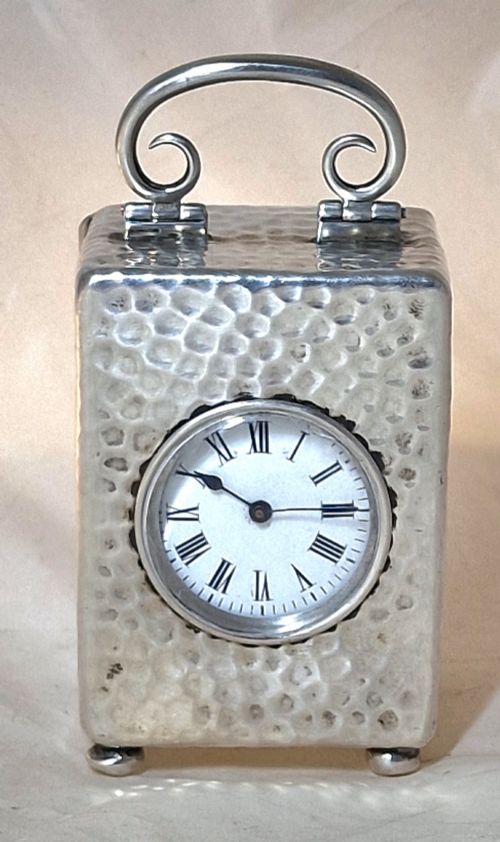
- A small, portable spring-driven timepiece originally designed for travelling, typically fitted with a carrying handle and glass panels that reveal the escapement.
- Lantern clock
- An early brass weight-driven wall clock with open sides and a bell on top, representing seventeenth-century domestic timekeeping.
- Skeleton clock
- A timepiece designed with an exposed movement between open brass plates, allowing the entire gear train to remain visible.
- Bulle clock
- An early twentieth-century electrical clock utilising an oscillating pendulum that passes over a magnet to maintain motion.
- Ormolu
- Gilded bronze used extensively for decorative mounts on nineteenth-century French and English clock cases.
Vintage Mantel Timepiece: Frequently Asked Questions
What is a mantel timepiece?
A mantel timepiece is a clock designed to sit on a shelf or mantelpiece, specifically functioning to tell the time without striking hours or quarters.
These objects focus purely on timekeeping and visual design, utilising various materials from brass to carved oak.
How do I wind a mechanical clock?
Mechanical clocks use a key or built-in winding mechanism to tension the mainspring inside the movement. Care must be taken not to overwind the spring.
Different movements require winding at intervals ranging from thirty hours to eight days depending on the gear train configuration.
What is an electrical mantel clock?
Early electrical clocks use batteries or low-voltage current to drive an electromagnetic pendulum or balance wheel rather than a traditional spring.
Systems like the Bulle movement represent early twentieth-century experiments in combining electricity with domestic timekeeping.
How do carriage clocks differ from mantel clocks?
Carriage clocks are generally smaller, portable timepieces featuring carrying handles and glazed sides designed for travel.
Standard mantel clocks are heavier, stationary objects built to anchor the decor of a room surface.
How can I tell the period of a clock?
The period is identified through a combination of case style, materials, dial design, and movement construction. Art Deco pieces use geometric lines and bakelite, while Victorian examples favor heavy timber and elaborate brass.
Maker signatures and hallmarks stamped on movements or silver cases provide further chronological markers.