
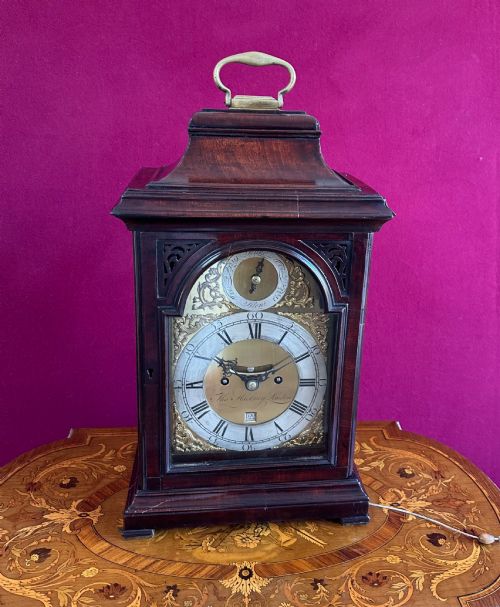

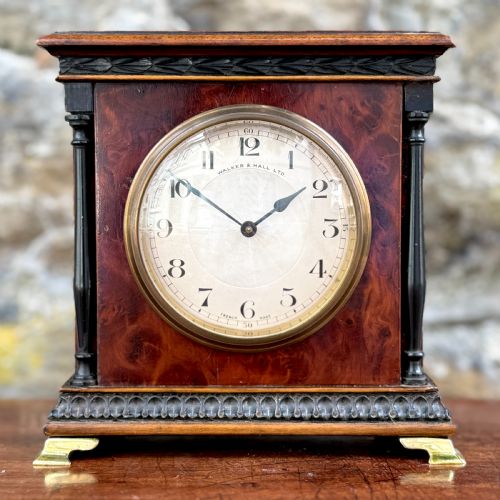
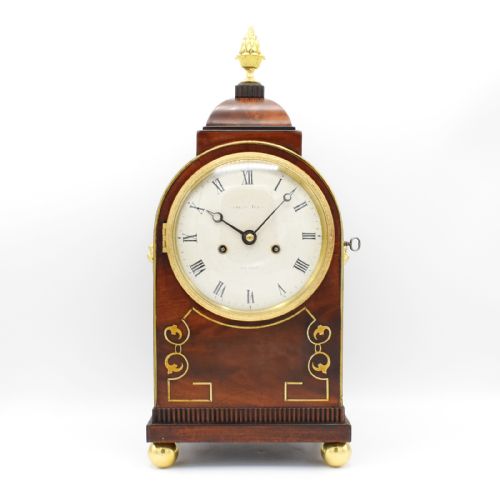
Wooden Bracket Clock
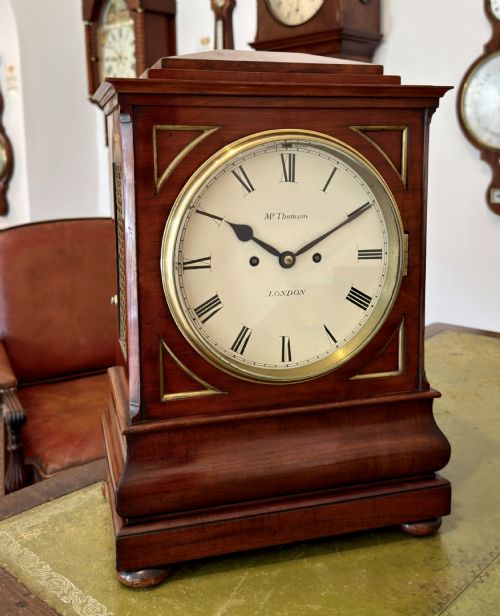
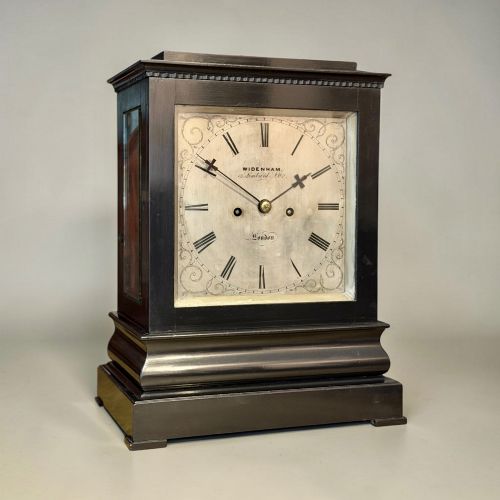
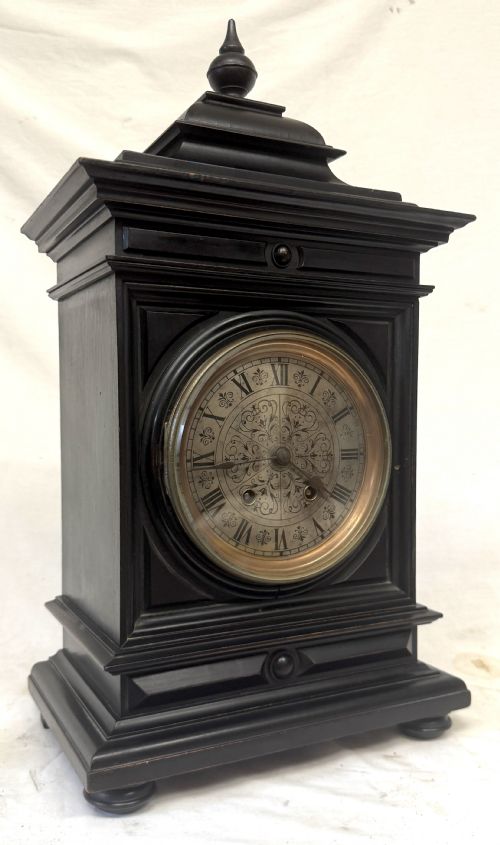
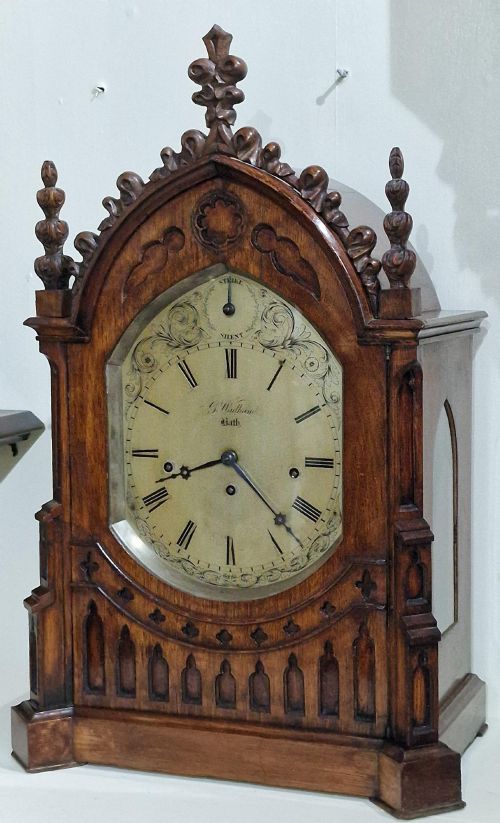
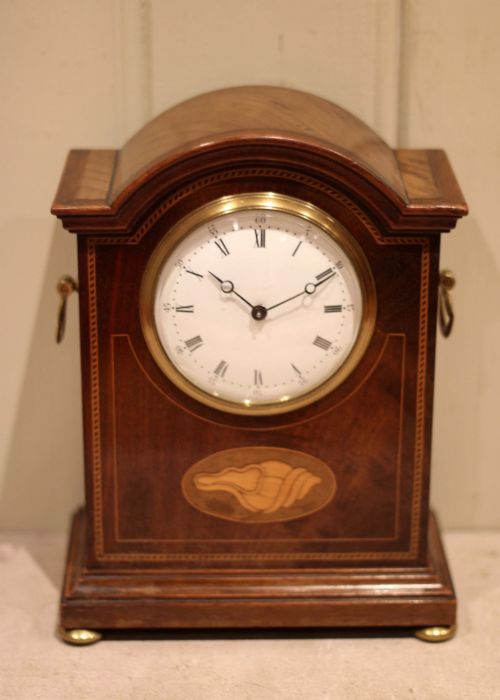
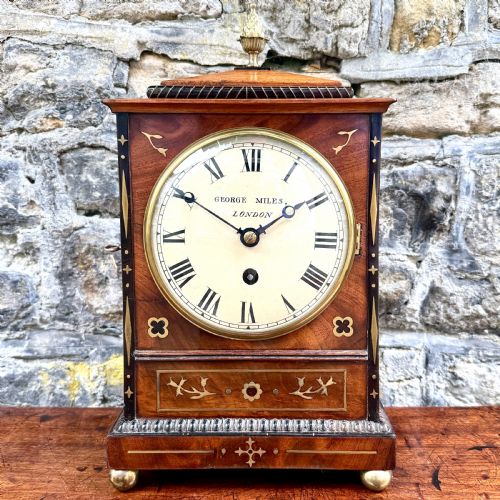
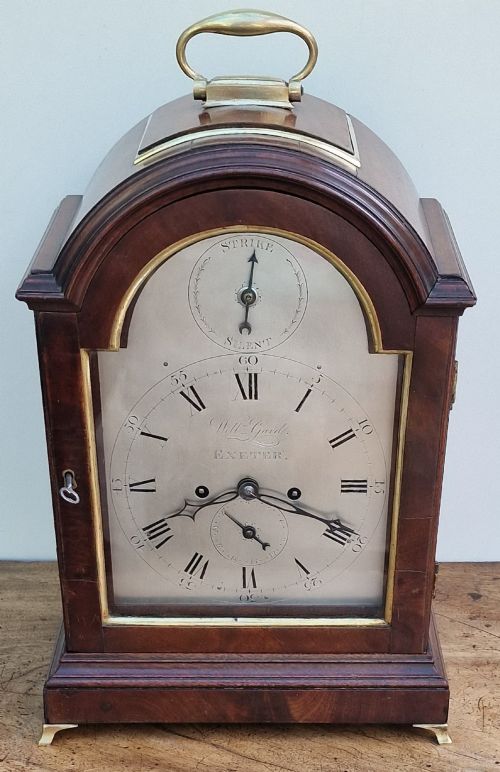
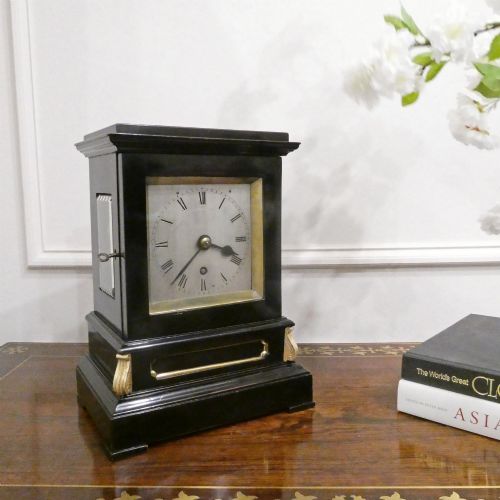
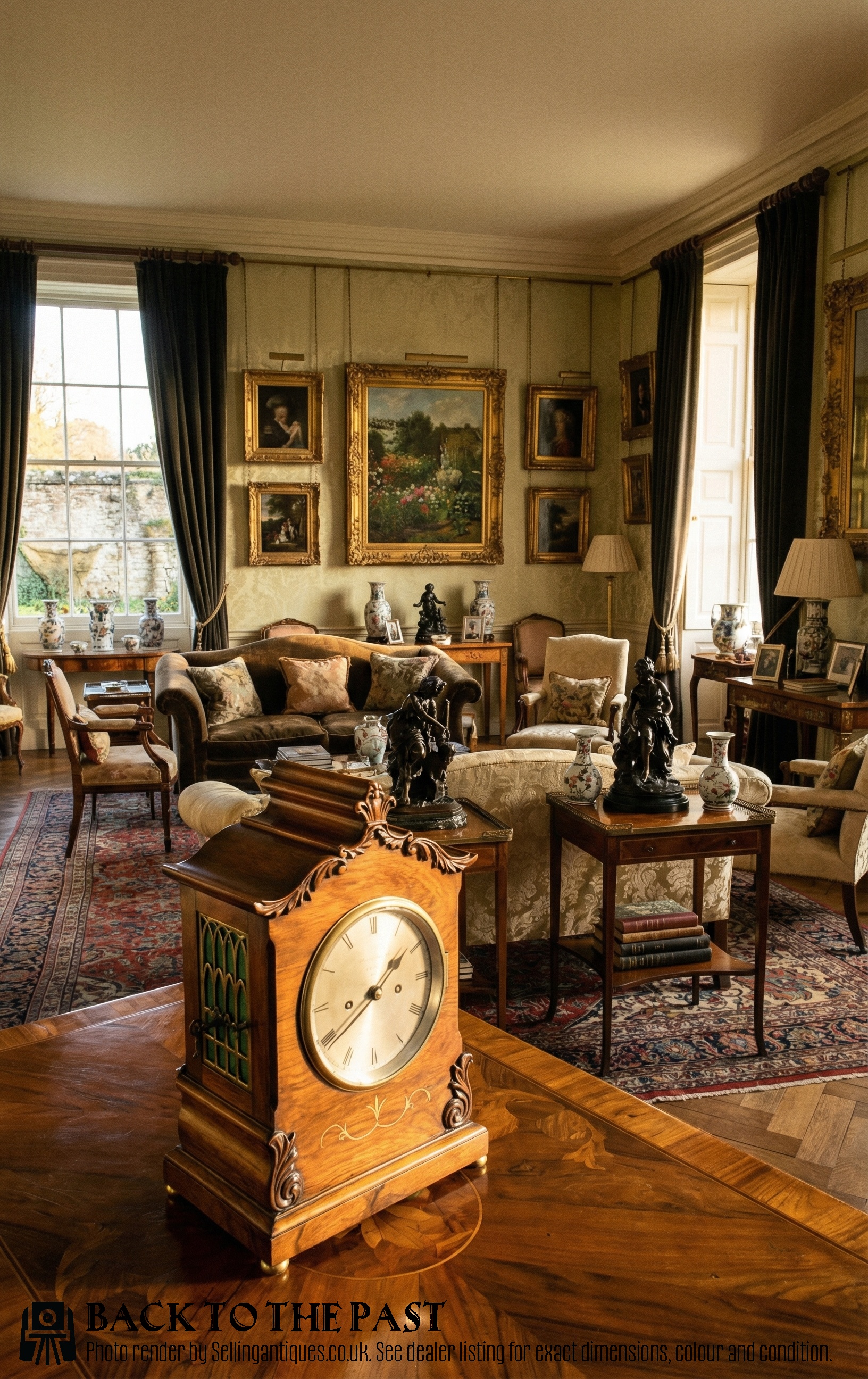
A wooden bracket clock sits on a mantelpiece or table, bringing traditional timekeeping and rich cabinetwork into a room.
What wooden bracket clocks are
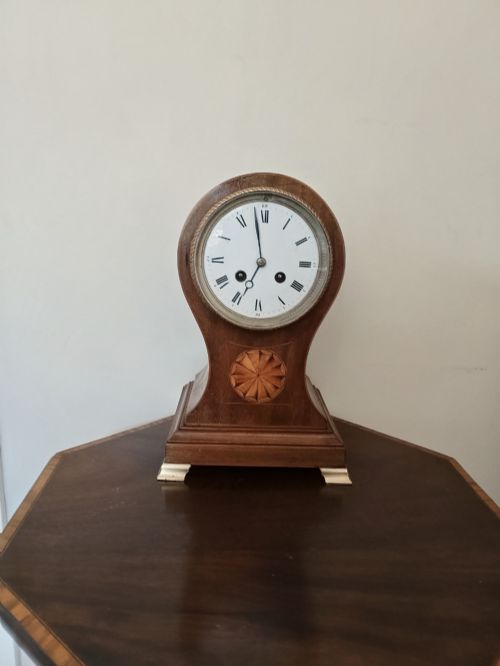
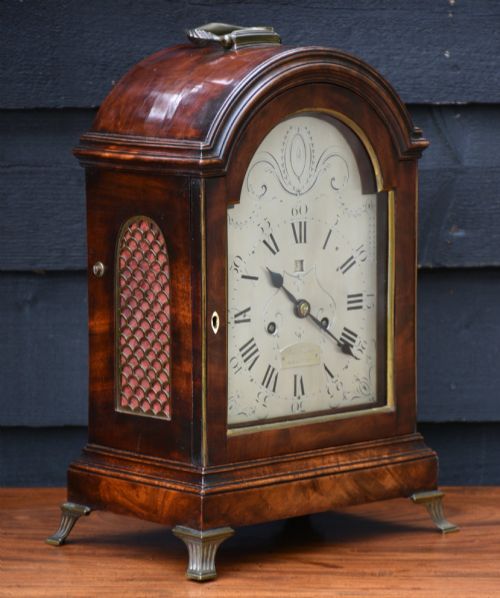
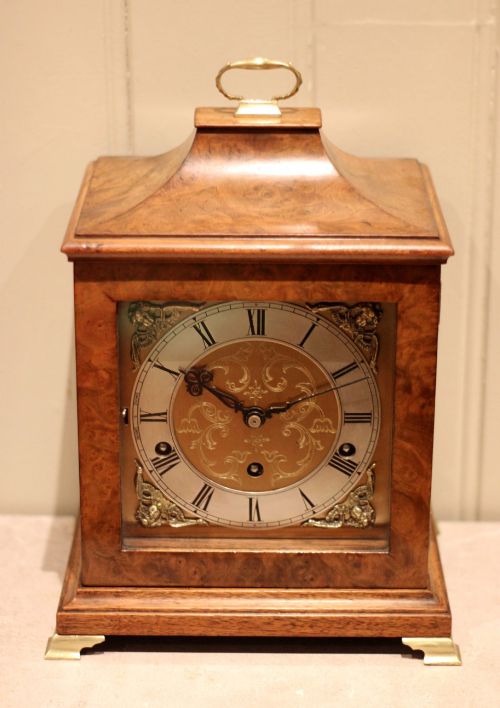
A wooden bracket clock is a portable timepiece housed in a wooden case, designed historically to sit on a wall bracket or a shelf. The pieces available here span several distinct eras, including Edwardian examples, nineteenth-century pieces, and items from 1930 and 1960.
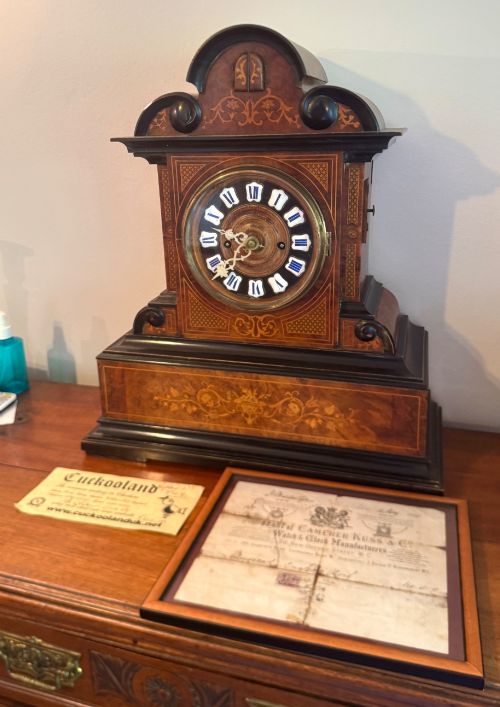
The forms encompass traditional mantel clocks and table clocks alongside specific bracket clock formats. Stylistic influences vary widely across the selection, ranging from Georgian Revival and Regency to William IV, Belle Epoque, Louis XIV Revival, and nineteenth-century French designs.
Mahogany and walnut form the primary wooden bodies of these clocks, frequently complemented by decorative elements like satinwood inlay, wood veneer, brass, ormolu, glass, and enamel dials. Makers represented in the current selection include Garrards alongside various French pieces.

How they were made
The construction of these clocks relies heavily on solid hardwoods and applied veneers, with mahogany and walnut providing the structural carcass. Cabinetmakers enhanced these surfaces using contrasting satinwood inlay for decorative detail.
Metal components such as brass and ormolu form bezels, dial surrounds, and movement plates, while glass protects the delicate enamel dials. Internal mechanisms require precise assembly to drive the repeating complications and timekeeping functions.
Retail Price Guide 2026
Typical UK retail prices for wooden bracket clock, calculated from the Sellingantiques database of over a million retail prices indexed since 2003. This retail price guide relies exclusively on Sellingantiques data; no external sources or auction records are used, so the figures do not describe the wider market.
Listings feature four distinct wood materials: mahogany, walnut, satinwood inlay, and general wood veneer.
What varies in quality
The distinction in quality rests upon the sophistication of the cabinetwork and the stylistic fidelity of the revival period. Finer examples exhibit meticulous wood veneer selection and crisp satinwood inlay rather than plain surfaces.
Material integration also dictates overall merit, particularly the weight and chasings of brass or ormolu mounts against the timber case. The legibility and execution of the enamel dial further separate standard production from superior work.
Garrards
The Wooden Bracket Clock Glossary
- Bracket clock
- A portable spring-driven clock originally designed to stand upon a wooden wall bracket to project sound. These pieces now sit comfortably on mantelpieces and tables.
- Mahogany
- A durable, reddish-brown tropical hardwood favoured by cabinetmakers for its rich grain and stability. It appears frequently across the historical clock cases listed here.
- Ormolu
- Gilt bronze applied to furniture and clock cases for decorative enrichment. This technique creates bright metallic highlights against dark timber surfaces.
- Enamel dial
- A metal clock face covered with a fused glass powder fired at high temperatures. This creates a smooth, durable, and gleaming surface for painted numerals.
Frequently Asked Questions
Where should I place a wooden bracket clock?
These clocks suit flat surfaces such as mantelpieces, sideboards, or tabletops where their timber cases and dials remain visible. Originally designed for wall brackets, modern placement rarely requires wall mounting.
Ensure the selected spot remains stable and free from excessive vibration to keep the mechanical movement running accurately.
How do I identify the style of a bracket clock?
Style identification relies on examining the cabinet architecture and decorative motifs, such as Georgian Revival proportions or Louis XIV ornamentation. Comparing the wood choices like walnut or mahogany helps place the piece within its historical context.
Design details like ormolu mounts and satinwood inlay provide further clues to whether a clock follows Regency, Belle Epoque, or William IV traditions.
What materials are used in these clock cases?
The primary bodies utilise woods such as mahogany and walnut, often enhanced with wood veneer and satinwood inlay. Metal and glass components complete the exterior.
Brass and ormolu furnish structural mounts and bezels, while enamel provides the smooth background for the clock face behind glass.
How do repeating bracket clocks function?
Repeating bracket clocks feature a mechanical complication that sounds the last hour or quarter-hour on demand when a lever or cord is activated. This historical function allowed owners to check the time in a dark room.
The intricate gear train required skilled craftsmanship to coordinate both the timekeeping and striking mechanisms within a compact wooden case.