

Brown Oak Clock
A brown oak clock brings deep, figured timber and steady timekeeping into a room, spanning wall dials, longcases and electric masters.
What these pieces are
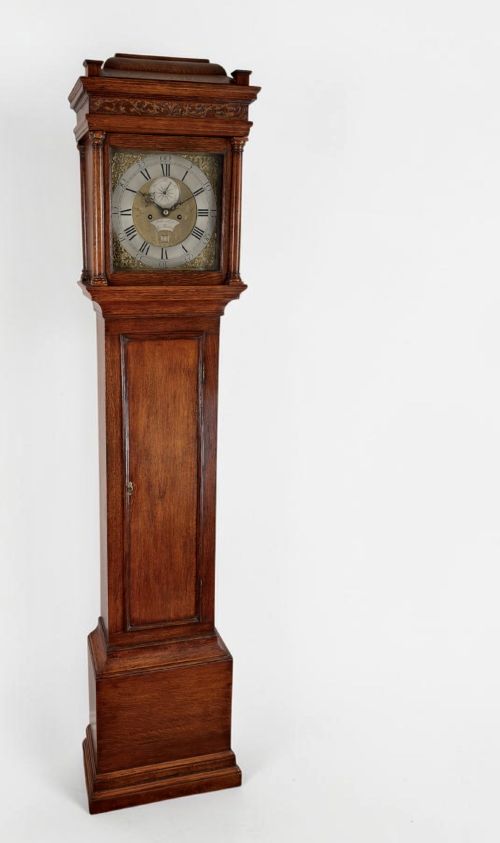
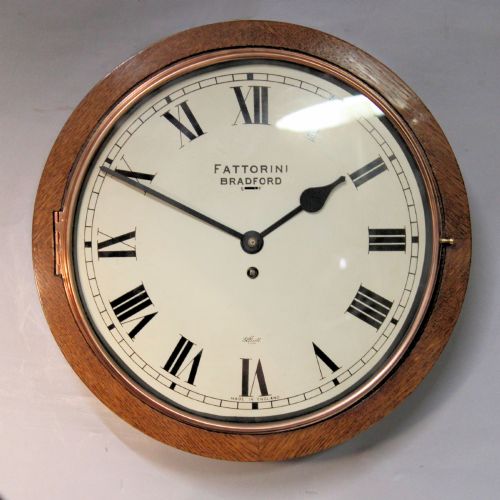
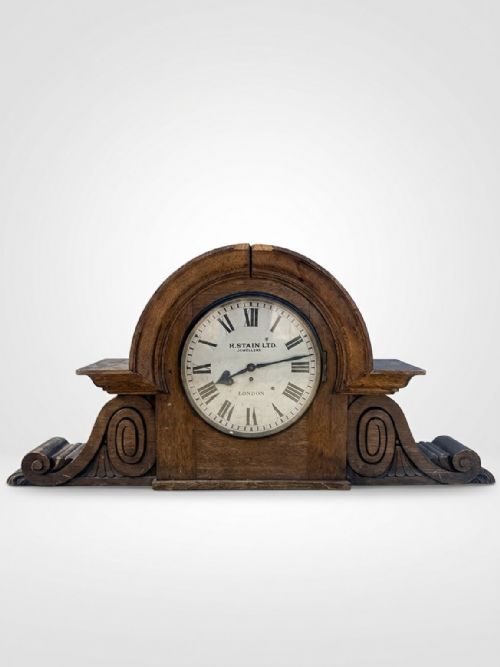
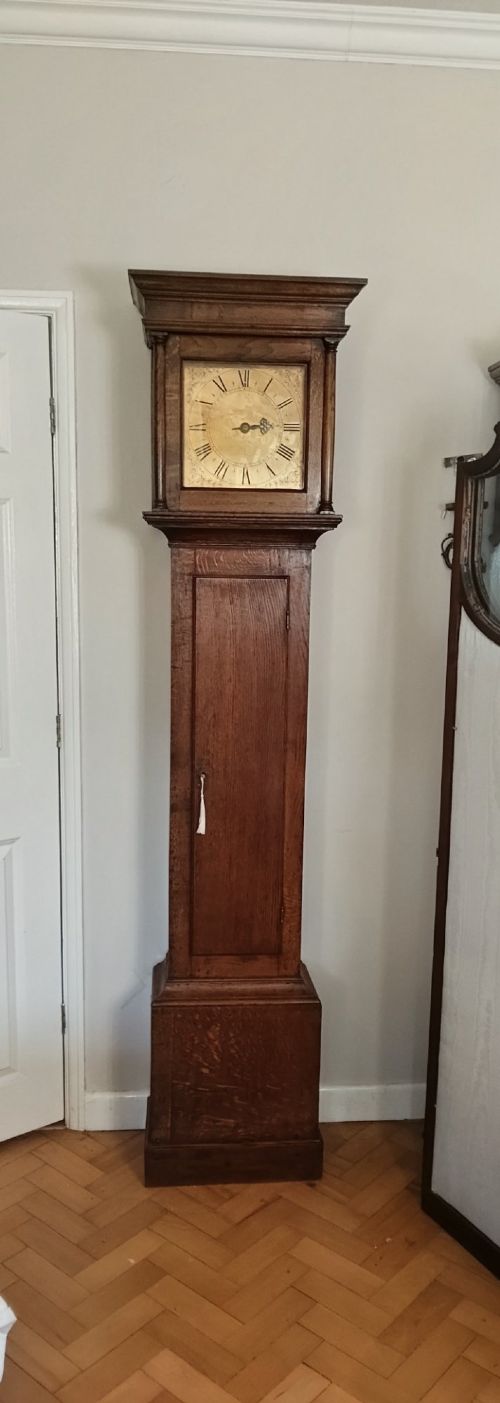
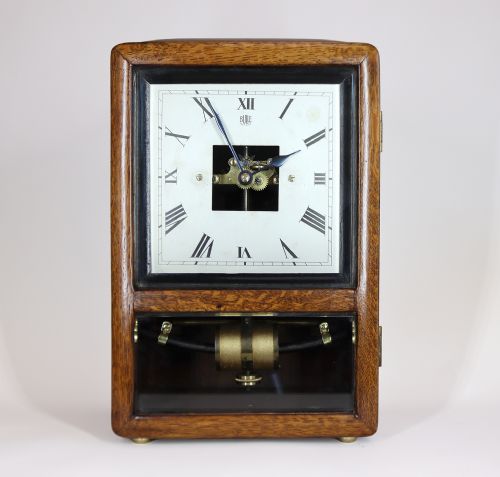
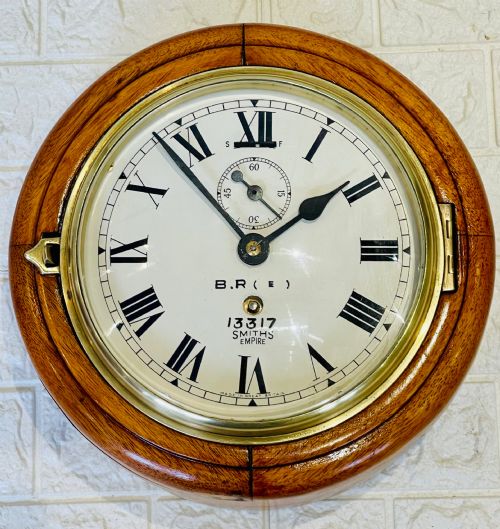
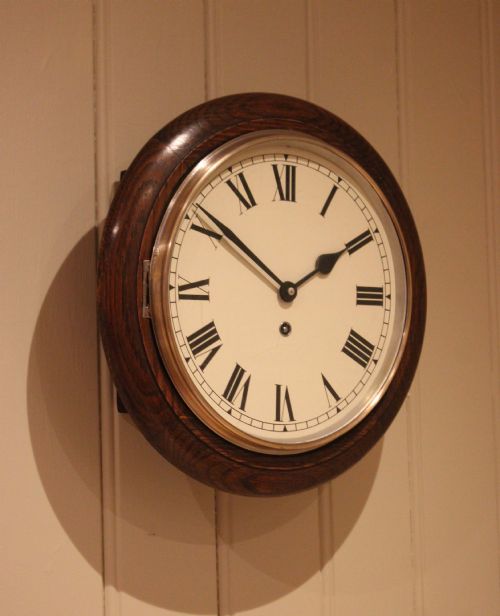
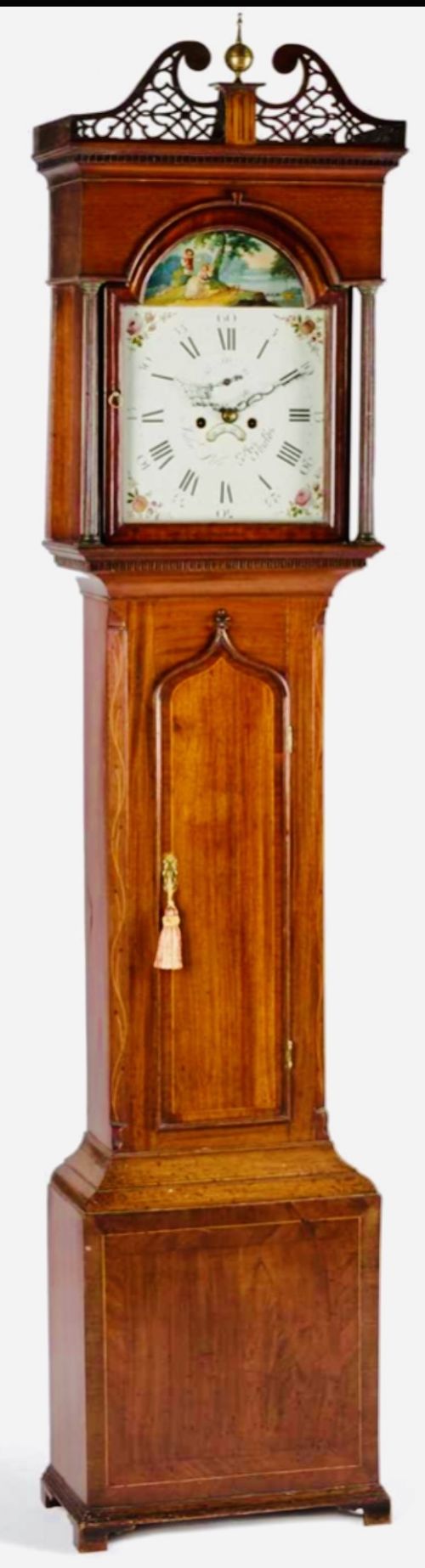
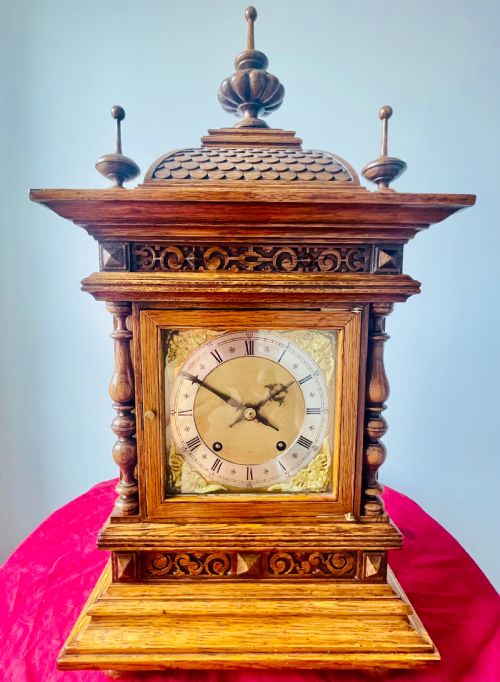
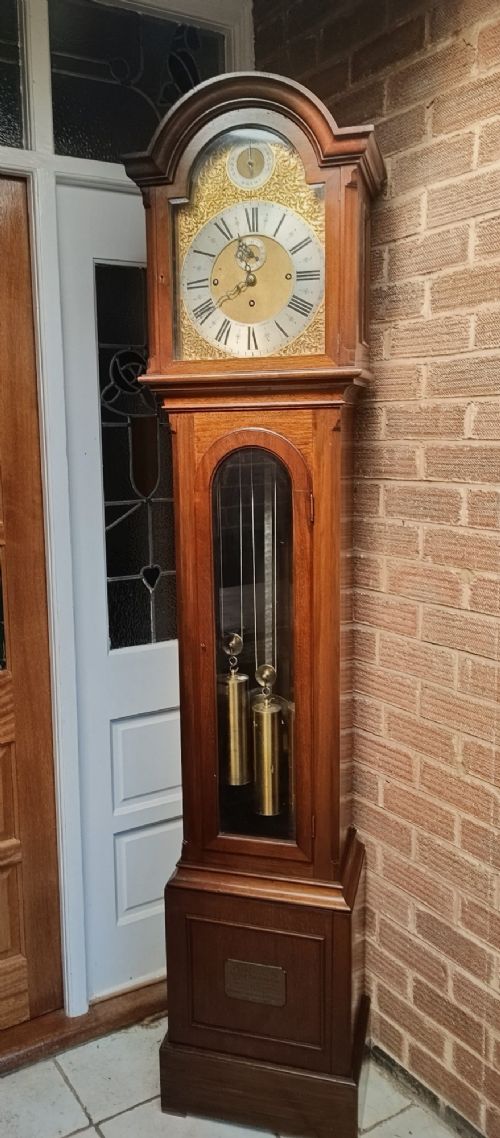
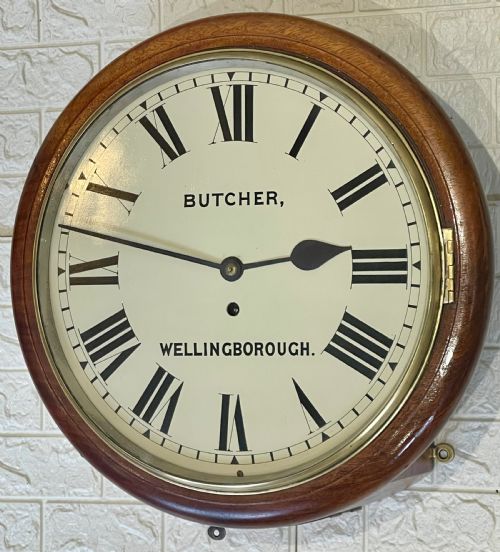
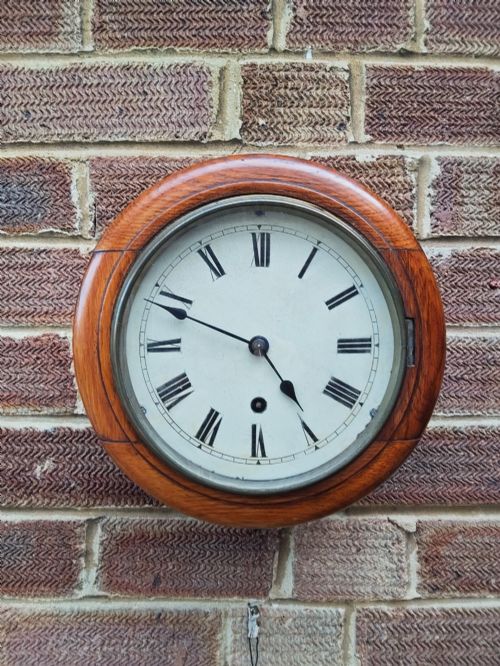
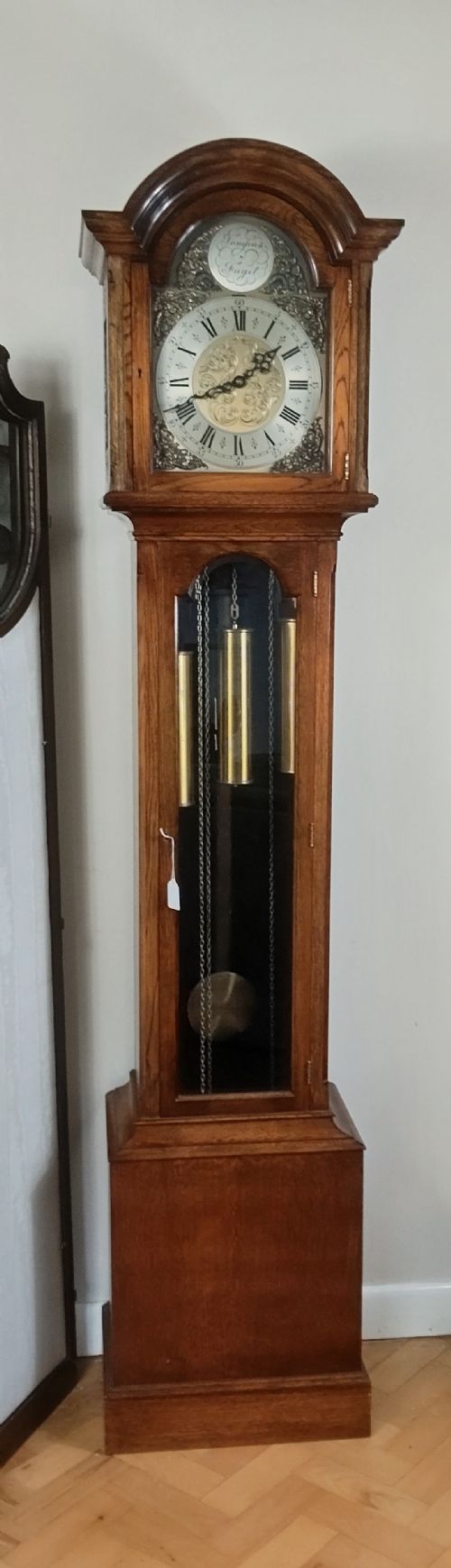
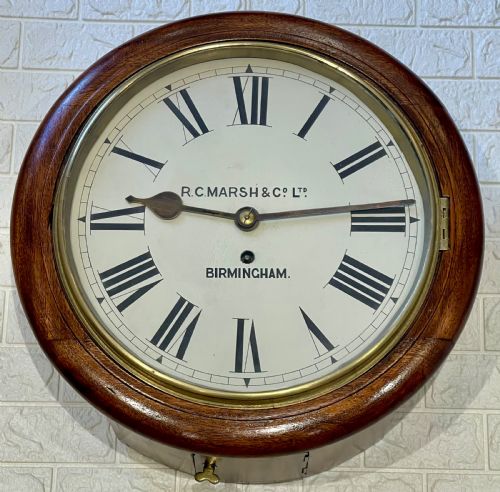
A brown oak clock encompasses tall case pieces, wall dials and architectural brackets spanning several centuries of British horology. The pieces range from thirty-hour country timepieces to elaborate quarter-striking bracket clocks housed in rich, figured timber.
Georgian longcase clocks stand among the most traditional forms, often bearing provincial maker signatures on brass dials. Later Victorian and Art Deco examples shift towards fusee wall dials and striking cases shaped by Gothic revival or modernist ideals.
How they were made
Cases combine solid and veneered oak, selected for warm tone and distinctive grain patterns, paired with brass bezels, steel movements and glass apertures. Painted iron dials appear alongside traditional engraved brass faces depending on the period of production.
Movements rely on mechanical weight-driven trains, spring-driven fusee mechanisms or later electric systems to regulate time. Cabinets utilise traditional joinery, cathedral arches and architectural mouldings to frame the functional dials.
Retail Price Guide 2026
Typical UK retail prices for brown oak clock, calculated from the Sellingantiques database of over a million retail prices indexed since 2003. This retail price guide relies exclusively on Sellingantiques data; no external sources or auction records are used, so the figures do not describe the wider market.
Some cathedral-arch bracket clocks house up to eight small bells inside, ready to fill a quiet room with quarter-striking notes.
What varies in quality
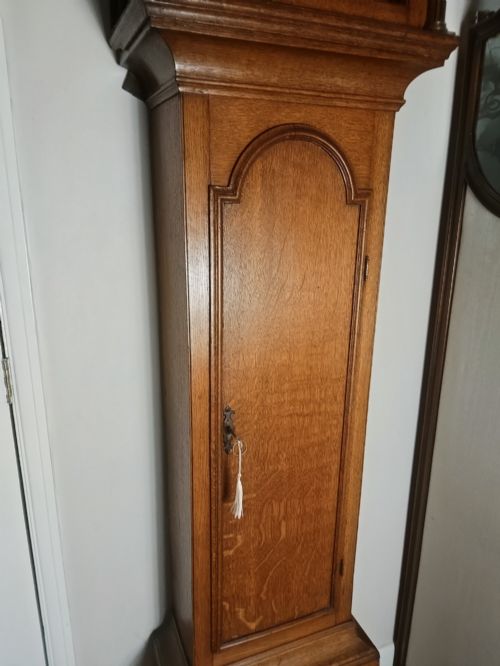
Quality rests in the depth of the oak figure and the crispness of the cabinet carving, from simple architectural lines to elaborate cathedral arches. Timbers with rich, natural warmth and well-preserved surface patination separate standard examples from finer works.
Movement complexity and signature provenance elevate certain pieces, distinguishing unsigned wall dials from documented longcases by provincial makers. The harmony between original dial, movement and timber case dictates the overall integrity of the clock.
Lee of Great Marlow·Richard Prew Of Tewksbury·Charvet Master Clock
The Brown Oak Clock Glossary
- Fusee
- A conical pulley used in spring-driven clocks to equalize the power of the mainspring as it unwinds. This mechanism helps maintain consistent timekeeping across the duration of the wind.
- Longcase clock
- A tall pendulum clock housed in a wooden case with a waist and a base. These tall pieces protect the weights and pendulum while displaying the dial at eye level.
- Bracket clock
- A portable spring-driven clock originally designed to sit on a wall bracket or a table. Victorian examples often feature architectural details such as cathedral arches and multiple striking bells.
- Dial
- The face of the clock where the hours and minutes are displayed. They utilise painted iron or engraved brass, frequently signed by the maker.
Frequently Asked Questions
How do I wind a longcase clock?
Most mechanical longcases use weights suspended on cords or chains that require pulling upward with a winding key or crank at regular intervals.
Care must be taken not to over-wind the movement, stopping as soon as the weight reaches its upper limit.
Where should I place a brown oak clock?
Position your clock on an internal wall or steady floor away from direct sunlight and sudden temperature shifts. Oak timber and delicate internal movements respond poorly to damp atmospheres and extreme heat.
Longcase clocks require a level surface and often need securing to the wall for stability.
What is a fusee movement?
A fusee is a conical gear attached to the mainspring barrel via a cord or chain. As the spring loses tension, the chain moves to a wider part of the cone, maintaining steady force on the gear train.
This system ensures more accurate timekeeping throughout the running cycle.
How do I identify the period of an oak clock?
Examine the architectural style, dial materials and cabinet construction methods. Georgian pieces display traditional brass dials and long wooden trunks, while Victorian and Art Deco examples introduce fusee wall dials and geometric forms.
Maker signatures on the face often provide precise clues to the date of origin.