



Victorian Oak Clock
These Victorian oak clocks bring rich timber grain and reliable mechanical timekeeping to any interior.
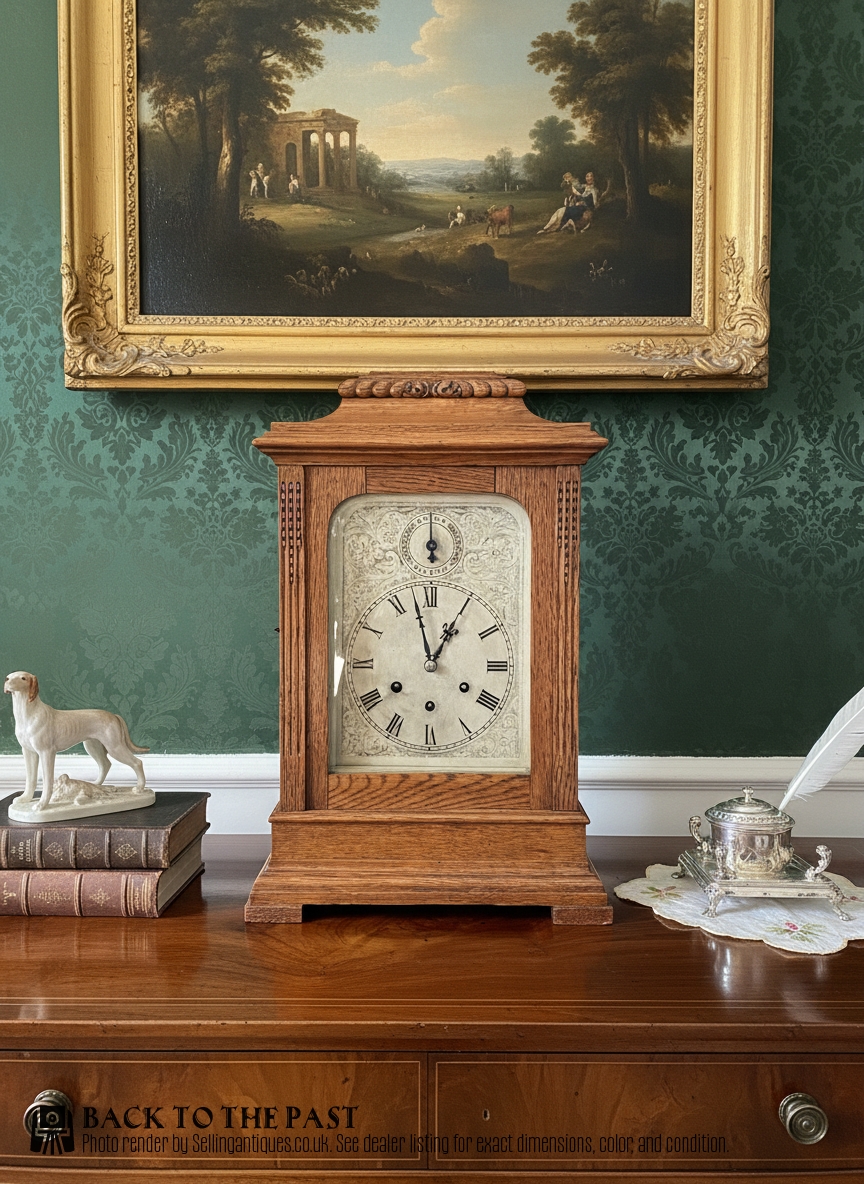
Victorian Oak Clock
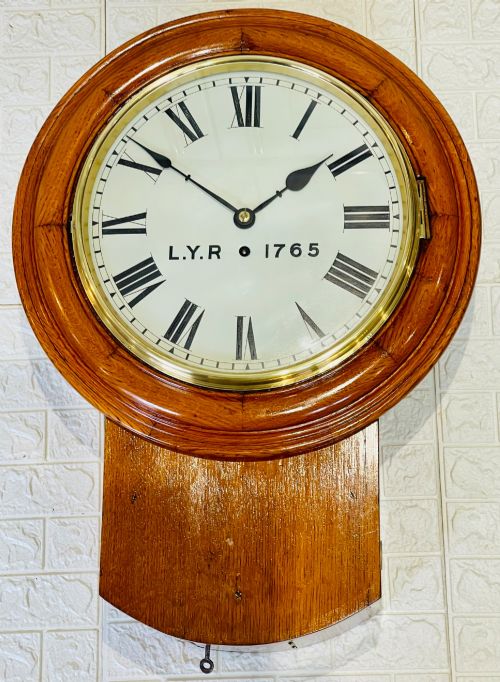
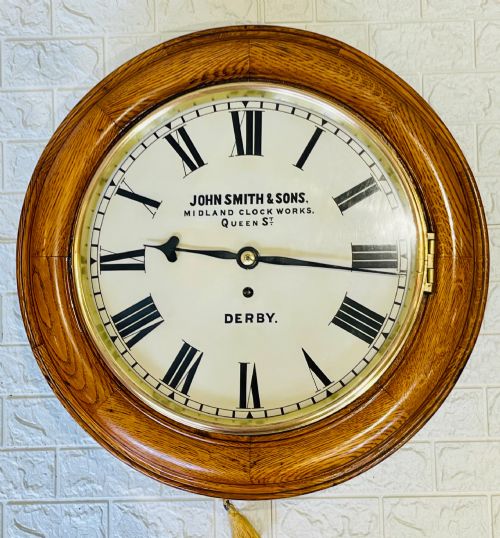
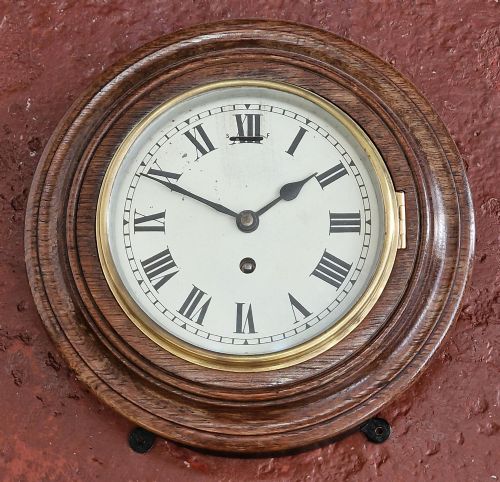
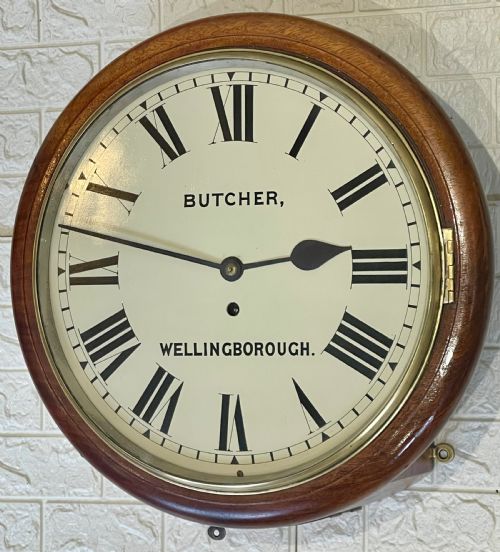
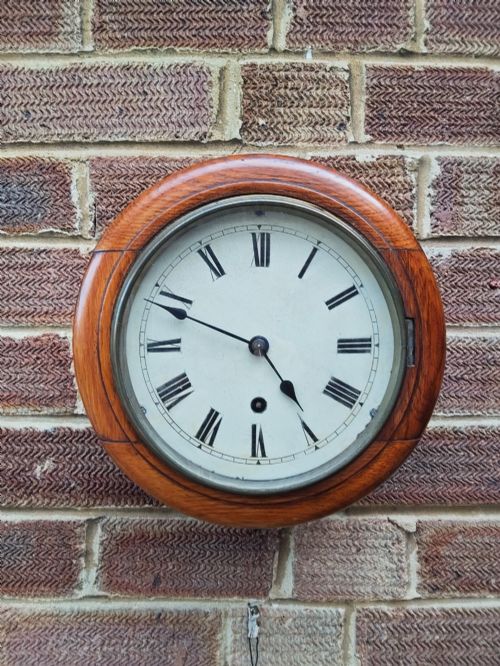
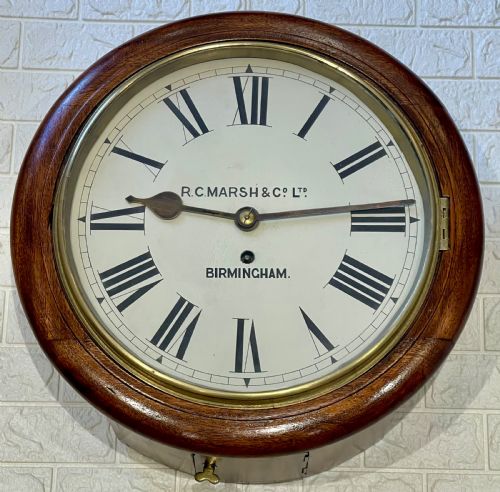
A victorian oak clock appears most frequently on this page as a wall-mounted dial timepiece, often housed in a circular timber case with a brass bezel and glass front. These pieces originate across the nineteenth century, with specific examples recorded from eighteen sixty through to eighteen ninety.
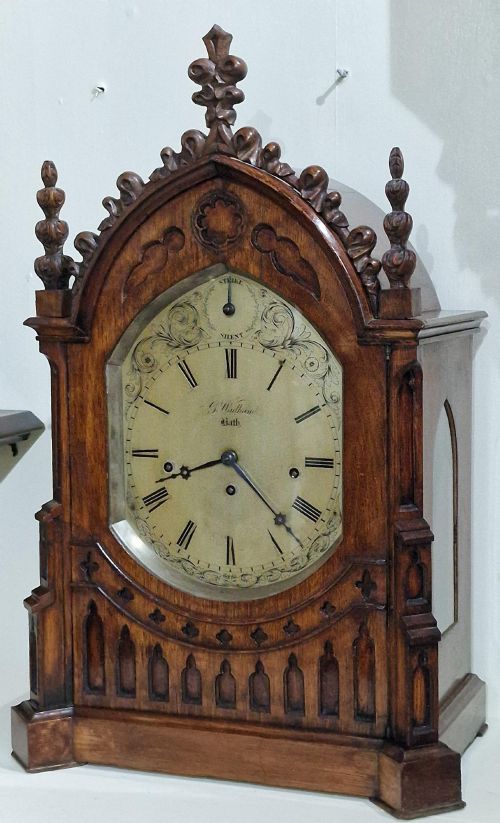
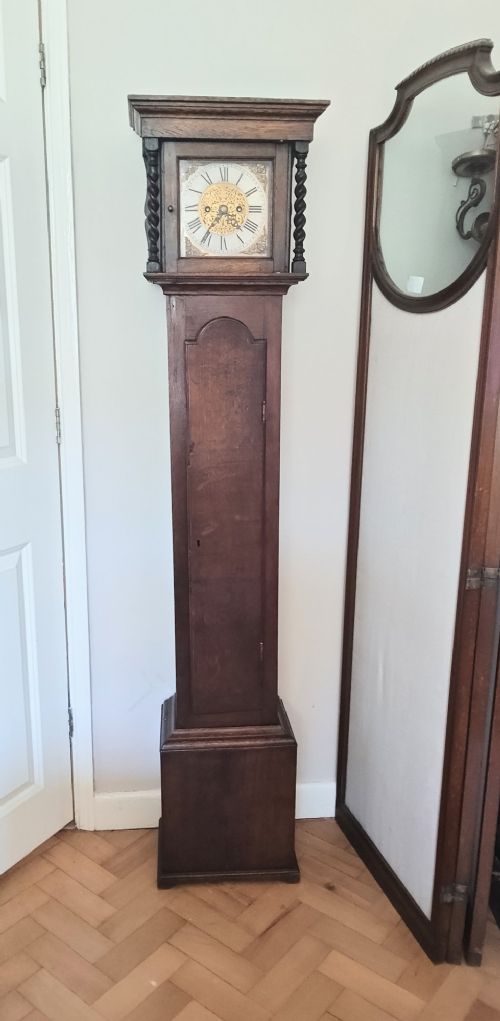
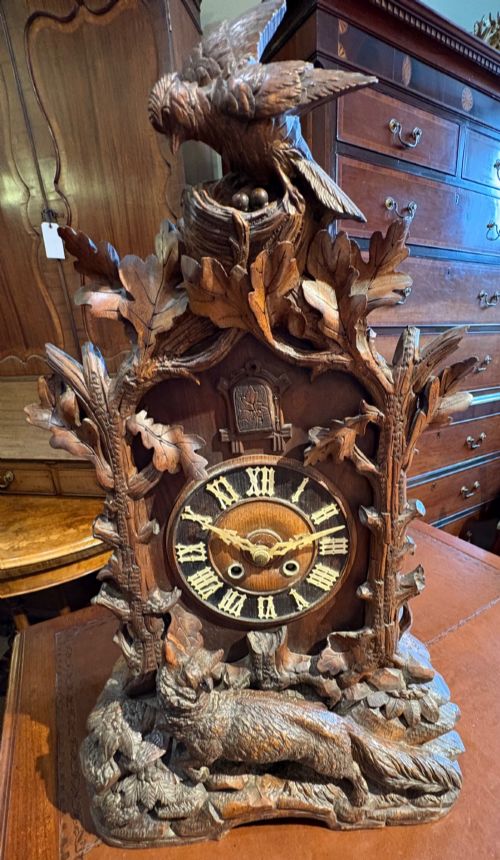
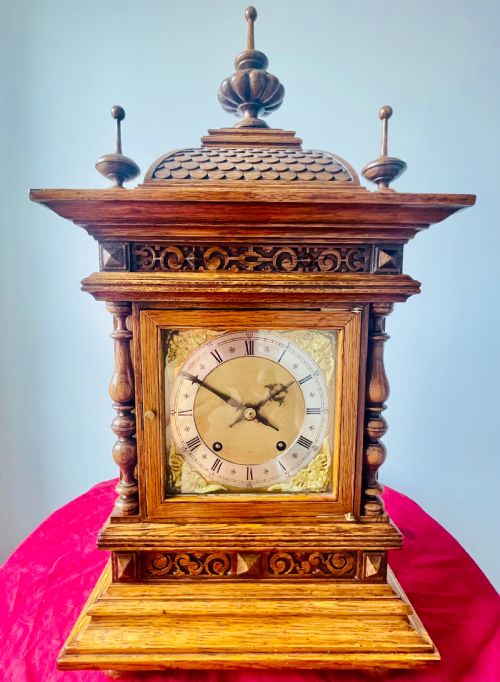
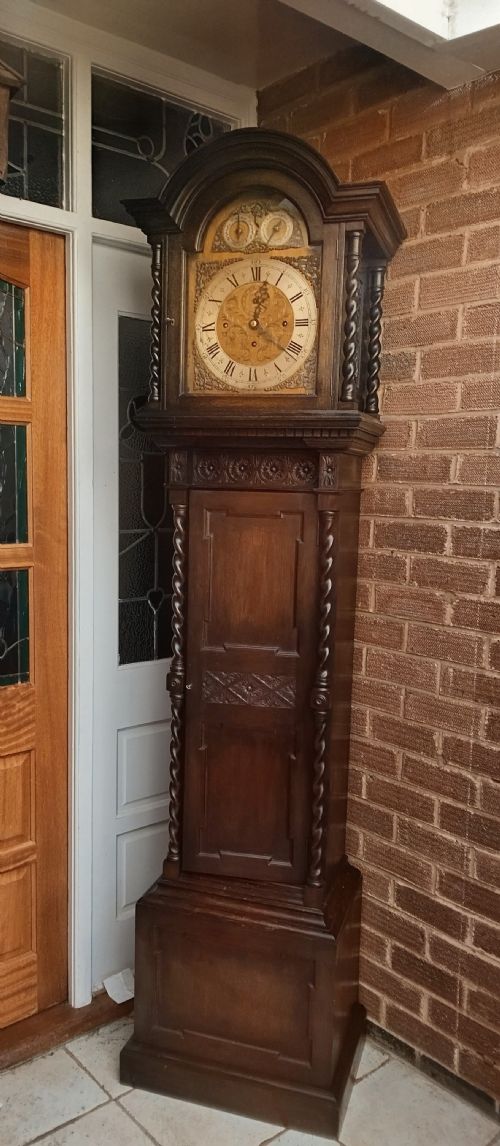
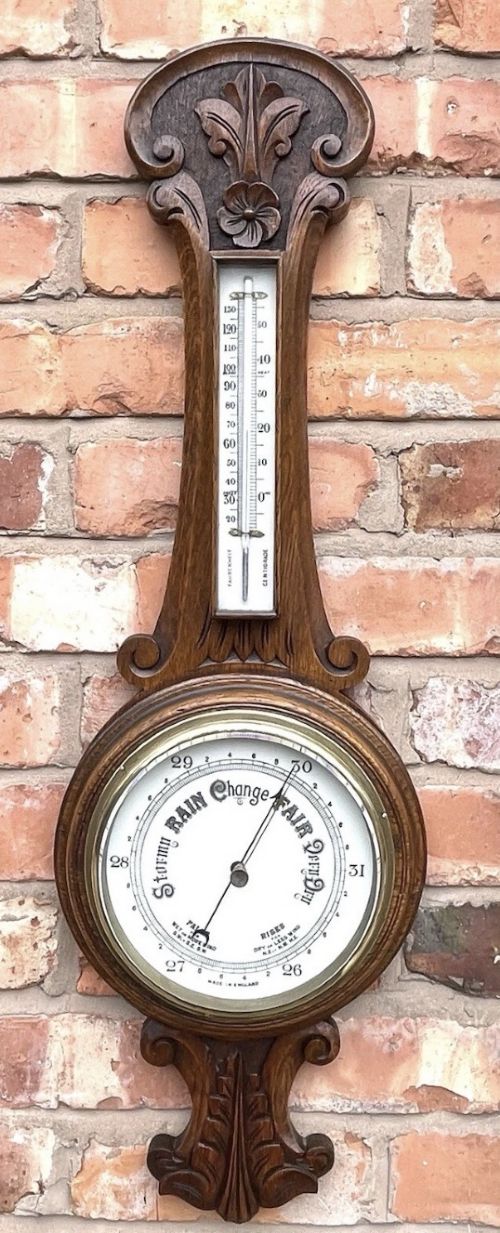
Beyond wall dials, the selection encompasses substantial bracket clocks and mantel designs, alongside grander grandfather and grandmother longcase formats. Carved casework emerges in several bracket and mantel variants, occasionally incorporating combined barometer and calendar functions within the timber frame.
Makers and retailers represented across the records include Dent of London, W. Davis and Sons of Birmingham, Charles Frodsham, Anthony Binks, W&H, and J Couzins of Langport Somerset. These makers produced both simple timepieces and complex movements featuring quarter striking, chiming, and musical capabilities.
Construction and Materials
Casework relies primarily on solid oak, sometimes paired with mahogany, shaped into circular frames, architectural mantel bodies, and tall grandfather housings. Glazed doors and brass bezels protect the dial faces, while silvered metal and painted arched dials display the time.
Movements utilise iron and brass components, driven by weights, springs, or chain fusee and double fusee mechanisms that regulate eight-day or thirty-hour durations. Carved ornament on specific bracket and wall clocks demonstrates targeted hand-shaping of the timber exterior.
Retail Price Guide 2026
Typical UK retail prices for victorian oak clock, calculated from the Sellingantiques database of over a million retail prices indexed since 2003. This retail price guide relies exclusively on Sellingantiques data; no external sources or auction records are used, so the figures do not describe the wider market.
At least one Victorian maker constructed a carved oak fantasy clock, proving that nineteenth-century timekeeping came with a generous dose of imagination.
Judging Quality
Excellence in these clocks rests upon the sophistication of the movement and the integrity of the timber housing. Fusee movements and signed dials by established makers such as Dent or Charles Frodsham distinguish high-end examples from standard production pieces.
The refinement of carved detail and the presence of original components, such as matching wall brackets or integrated barometers, separate superior specimens from simpler wall dials and plain mantel clocks.
Dent of London·W. Davis and Sons·Charles Frodsham·Anthony Binks·J Couzins Langport Somerset
The Victorian Oak Clock Glossary
- Fusee
- A conical pulley used with a cord or chain to maintain even tension on the clock movement as the mainspring unwinds. This mechanism ensures more accurate timekeeping throughout the duration of the wind.
- Dial timepiece
- A clock designed solely to indicate the hours and minutes without a striking mechanism. These clean faces were standard for railway stations, offices, and domestic hallways.
- Grandfather clock
- A tall freestanding longcase clock driven by weights suspended on lines or chains. Their high wooden cases protect the pendulum and allow for longer drops between windings.
- Bracket clock
- A portable spring-driven clock originally designed to sit on a architectural wall bracket. Many Victorian examples retained the form while resting securely on mantelpieces or tabletops.
- Quarter striking
- A mechanism that chimes every quarter of the hour on bells or gongs. More complex movements add full hour strikes following the final quarter.
Frequently Asked Questions
How do fusee wall clocks work?
A fusee mechanism uses a cone-shaped pulley to equalise the diminishing power of the mainspring as it unwinds. This steady delivery of force helps the clock maintain consistent accuracy.
Such movements are typically wound through the dial face using a specialised key, engaging the chain or cord connected to the brass barrel.
Where should I hang a dial clock?
Wall-mounted dial clocks require a secure fixing directly into masonry or solid wall studs to support their substantial oak frames and brass movements. Eye-level placement ensures easy reading of the silvered or painted dial.
Proximity to heavy vibrations or damp exterior walls should be avoided to protect the delicate internal brass and iron components.
What is the difference between bracket and mantel clocks?
Bracket clocks historically required a dedicated wall shelf to accommodate the swing of their pendulum or the drop of their weights, though later Victorian versions functioned perfectly well on flat surfaces. Mantel clocks were engineered specifically to sit directly upon furniture.
Victorian oak versions of both types frequently feature carved decoration, though bracket clocks more commonly house complex fusee or chiming movements.
How do I wind an eight day clock?
An eight-day clock requires winding approximately once a week using a matching square-drive key inserted into the winding holes on the dial. Care must be taken not to overwind the mainspring.
Keeping the mechanical movement clean and periodically serviced by a professional ensures the gear train continues to run smoothly.