
1960s Mechanical Watch
A 1960s mechanical watch brings mid-century horology to the wrist through traditional manual and automatic movements packed into classic steel or gold cases.
1960s Mechanical Watch
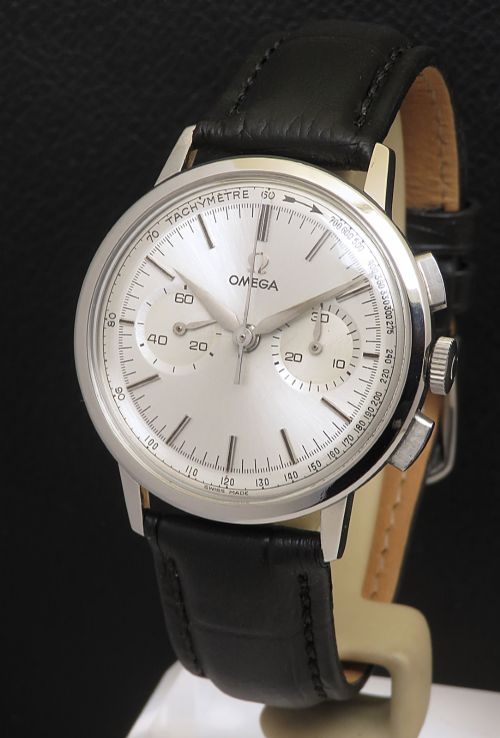
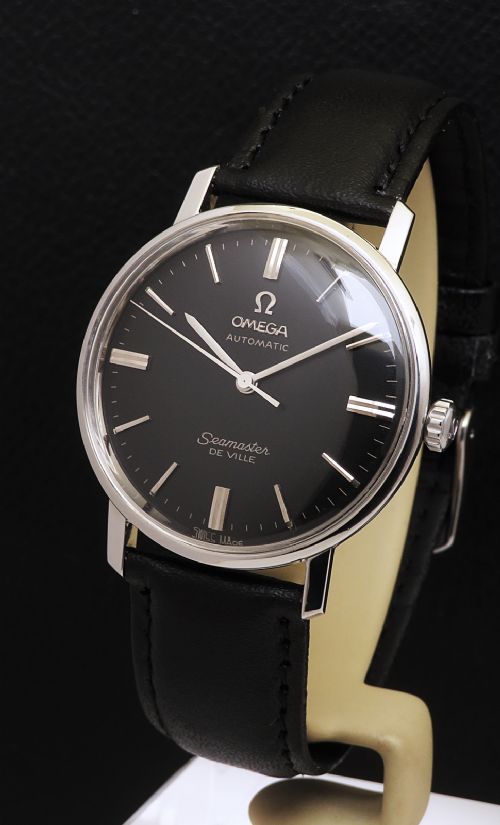
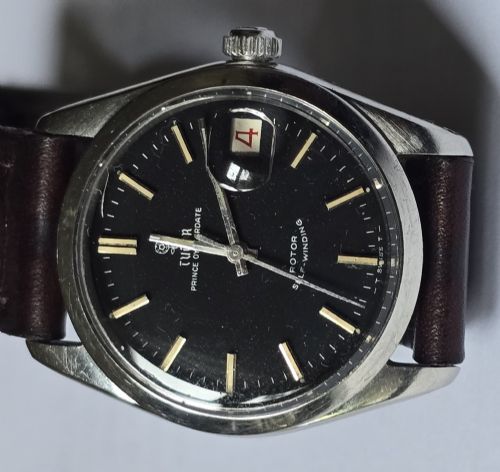
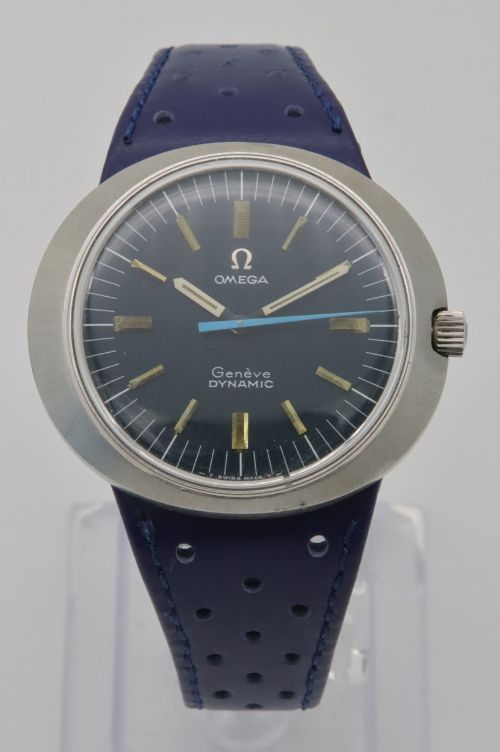
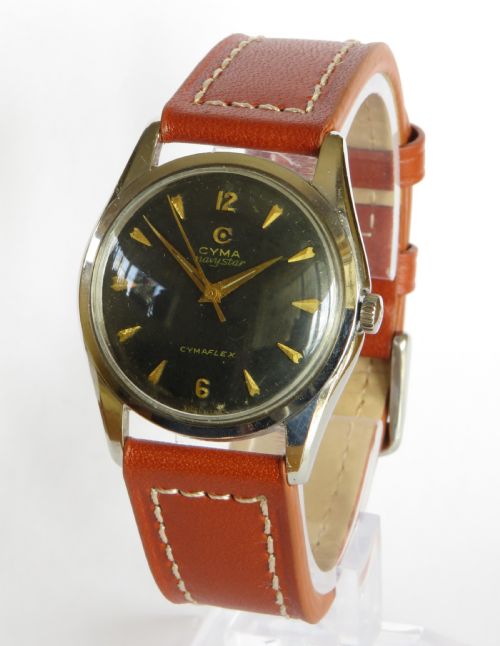
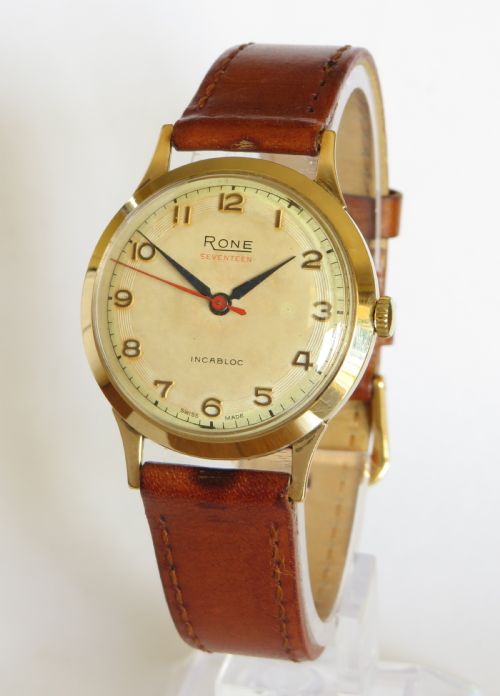
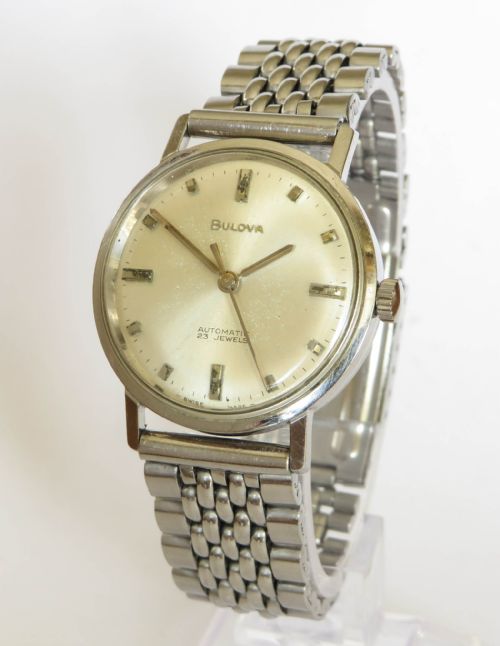
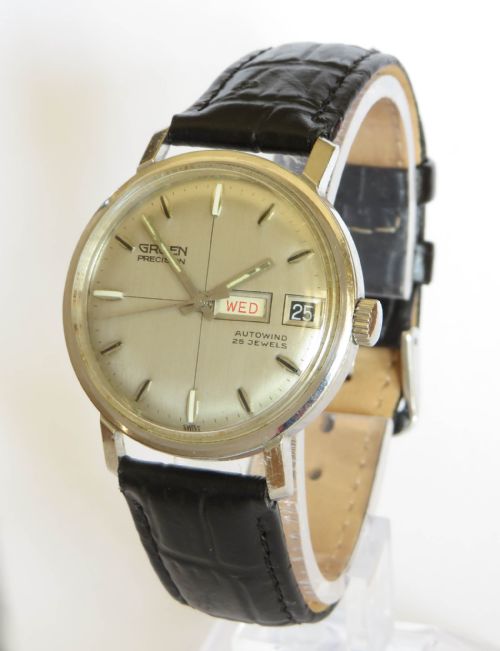
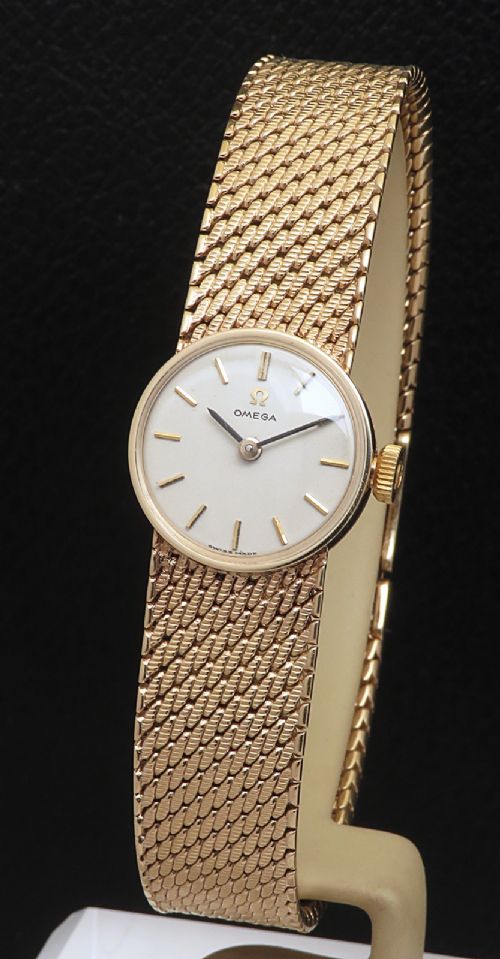
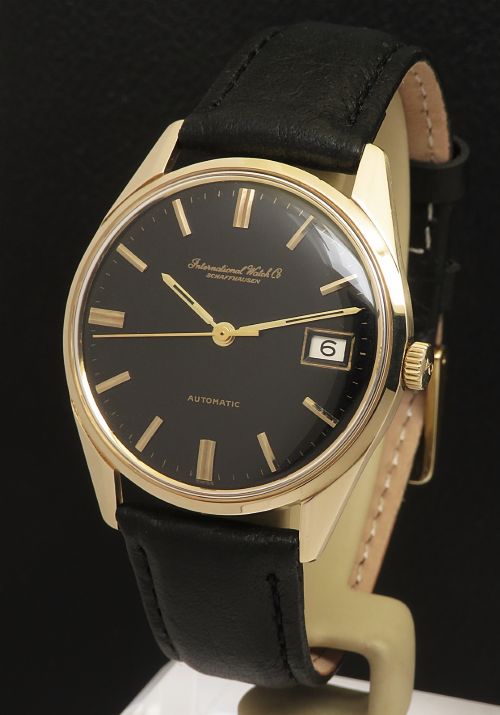
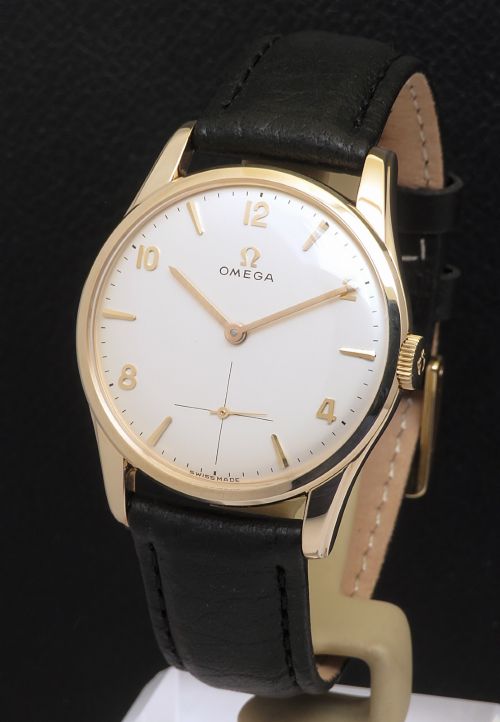
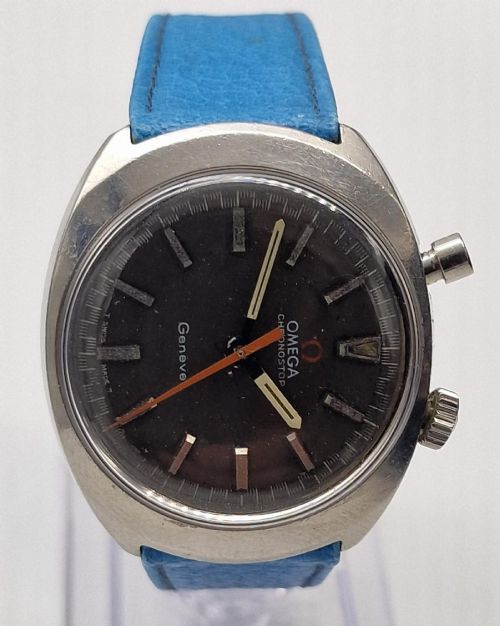
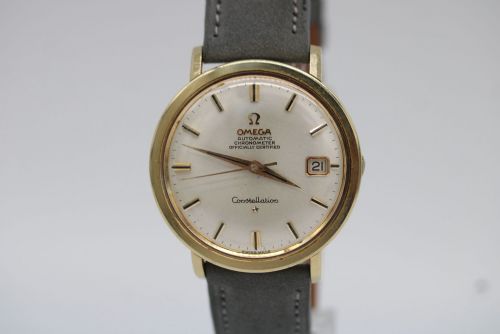
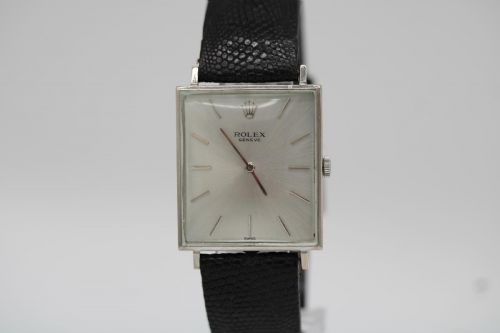
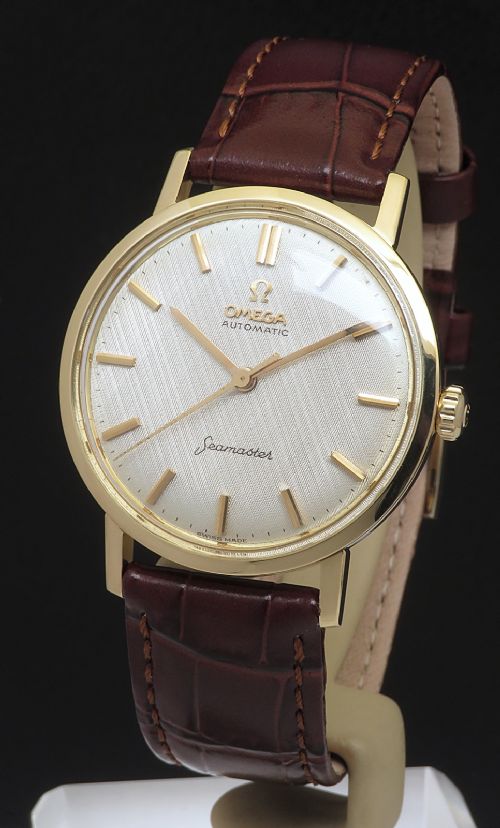
When searching for a 1960s mechanical watch, collectors encounter a diverse range of wristwatches spanning manual wind and automatic calibres from the mid-century period. The pieces gathered here showcase styles from Mid-Century Modern to 1960s Horology, encompassing everyday gents pieces and dressier cocktail variants.
The most common formats on this page are round or square cased wristwatches made by established Swiss and international makers, housing genuine mechanical movements rather than quartz technology. These timepieces often exhibit clean dials, date apertures, and distinctive mid-century aesthetic signatures.
The selection ranges from robust steel sports models to solid 9ct and 18ct gold dress watches, reflecting the varied social roles wristwatches fulfilled during the decade. Buyers find pieces produced across the nineteen-fifties and nineteen-sixties, capturing a pivotal era of watchmaking design.
Materials and Construction
Makers housed these mechanical movements inside durable cases fashioned from stainless steel, gold plate, solid 9ct gold, and 18ct white or yellow gold, protecting the delicate gear trains within. Acrylic crystals covered the dials, offering clarity and a characteristic domed profile typical of the period.
1960s Mechanical Watch Retail Price Guide 2026
Typical asking prices for 1960s mechanical watch among the pieces listed under this phrase on Sellingantiques today, from the lower quarter to the upper quarter. They describe what is for sale here now, not the wider market.
Listings feature manual wind and automatic wristwatches housed in stainless steel and solid gold cases from the nineteen-fifties and nineteen-sixties.
Factors Distinguishing Quality
The horological pedigree of the internal movement separates standard commercial calibres from chronometer-grade mechanisms designed for exceptional accuracy and longevity. Fine finishing on the bridges and rotors, alongside complex complications like chronographs, elevates certain examples above simpler time-only designs.
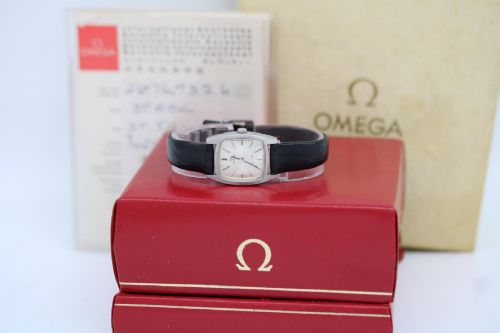
The integrity of the exterior case, dial condition, and the presence of original boxes and papers significantly influence the overall standard of a piece. Original dials with untouched patination and well-preserved hallmarks on gold cases represent the upper tier of surviving examples.
Omega·Tudor·Cyma·Bulova·Gruen·IWC·Avia·Seiko·Marvin·Tissot·Longines·Breitling·Certina·Smiths Astral·Zenith·Ensign·Eterna
The 1960s Mechanical Watch Glossary
- Automatic
- A self-winding mechanical movement that uses a weighted rotor to wind the mainspring through the natural motion of the wearer's arm.
- Calibre
- The specific manufacturer's designation for a particular watch movement design and size.
- Chronometer
- A high-precision watch movement that has been tested and certified to meet strict accuracy standards over various temperatures and positions.
- Manual wind
- A mechanical movement that requires the wearer to manually turn the crown to tension the mainspring.
- Dial
- The visible face of the watch that displays the hours, minutes, and often secondary indications like dates or chronograph registers.
- Acrylic
- A lightweight, shatter-resistant transparent plastic material utilised for watch crystals during the mid-century period.
1960s Mechanical Watch: Frequently Asked Questions
How do I wind a manual watch?
Gently rotate the crown clockwise between your thumb and forefinger until you feel gentle resistance. Stop turning immediately once resistance increases to avoid damaging the mainspring.
Most mechanical watches require winding once a day to maintain accurate timekeeping throughout wear. Establishing a consistent morning routine helps keep the movement powered steadily.
Are these watches waterproof?
Mid-century timepieces generally lack modern waterproof seals and modern screw-down crown technology. Even models designated for diving or sports should avoid submersion.
Water vapour and moisture can easily breach ageing gaskets and acrylic crystals, causing internal rust. It is best to keep these vintage items away from swimming, showers, and heavy rain.
How often should a movement be serviced?
Mechanical movements require periodic cleaning and lubrication to prevent wear on the metal gears. Oils dry out over the years, leading to friction within the watch.
A professional watchmaker should inspect and service the movement every few years to ensure longevity. Regular servicing preserves the intricate components inside the case.
Can I replace the leather strap?
Leather straps easily detach using spring bars that connect the strap to the lugs of the watch case. Swapping straps allows you to customise the look of the piece.
Ensure any replacement strap matches the lug width of the specific watch model. Keeping original signed buckles adds to the authenticity of the piece.