
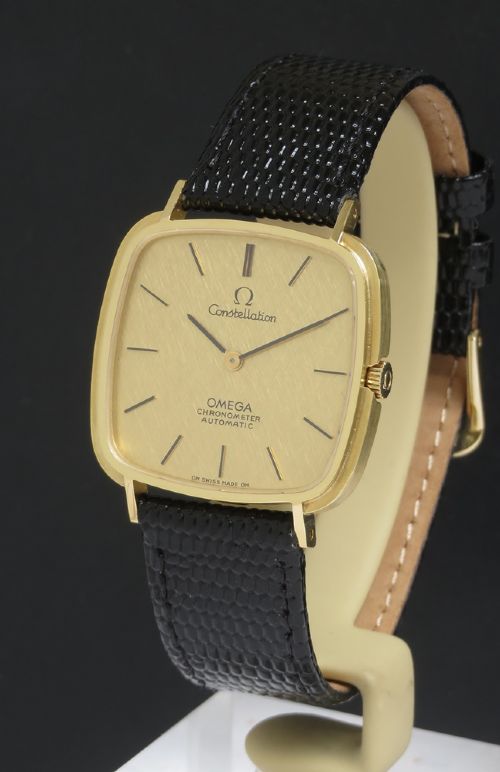
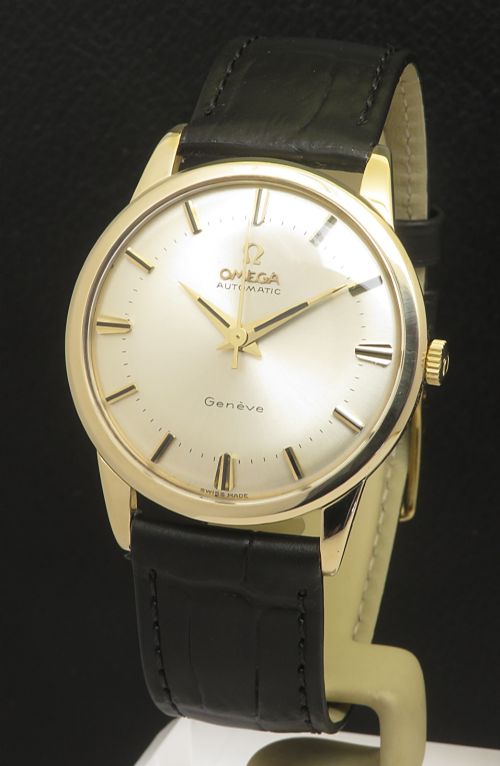
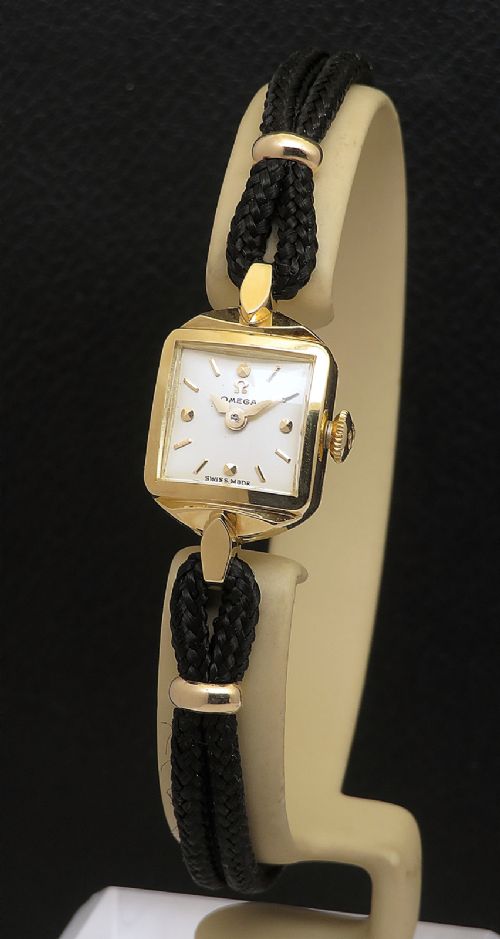
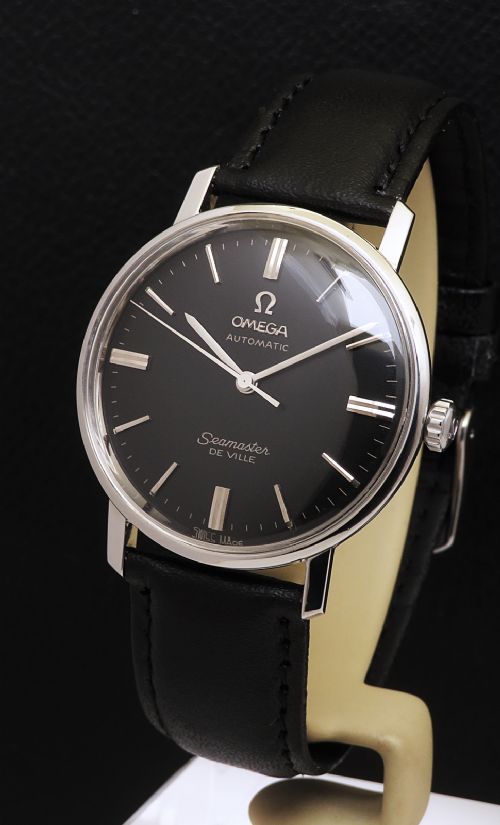
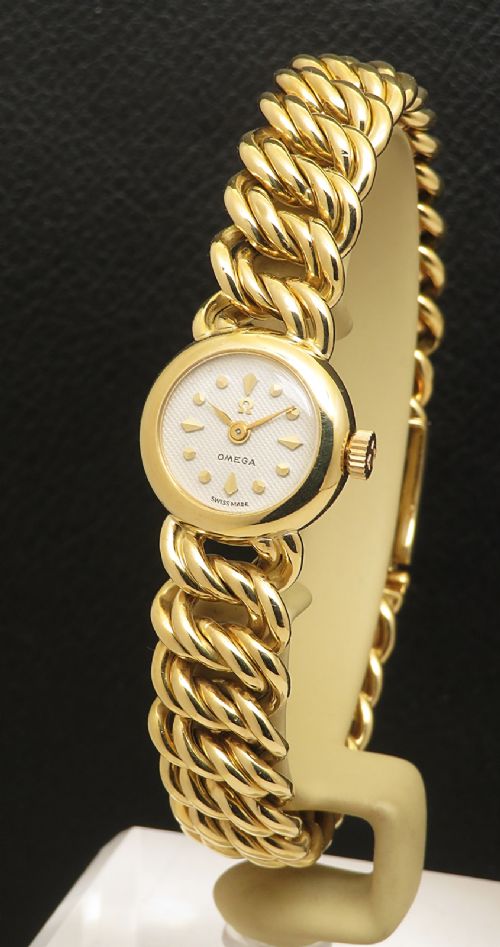
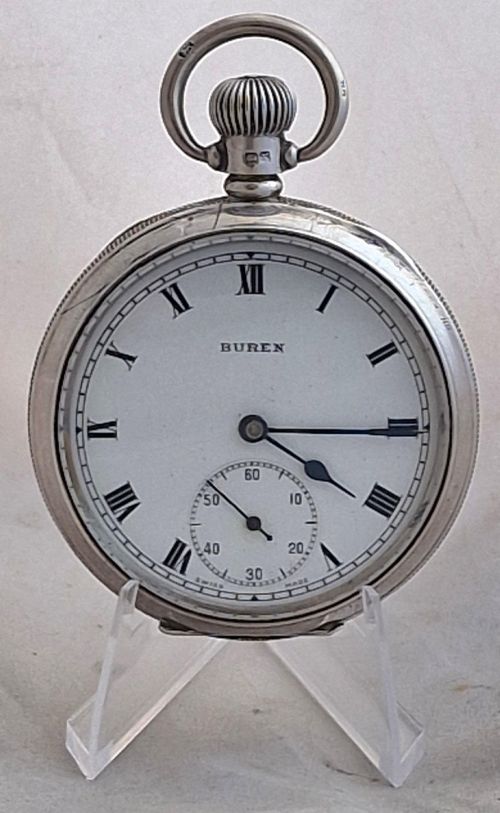
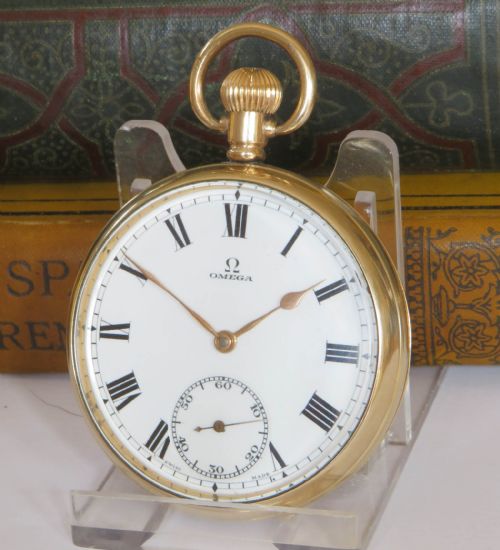
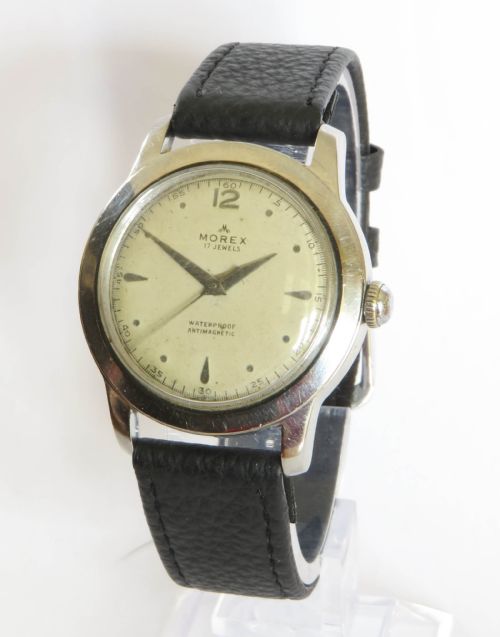
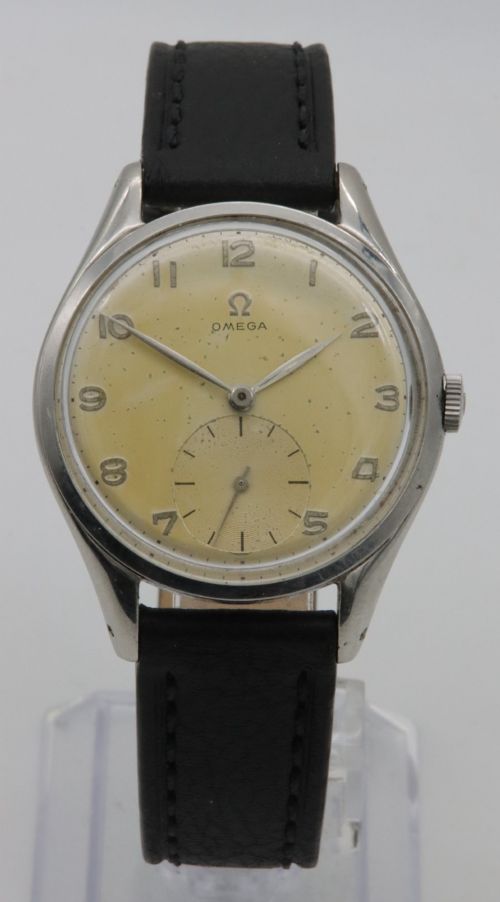
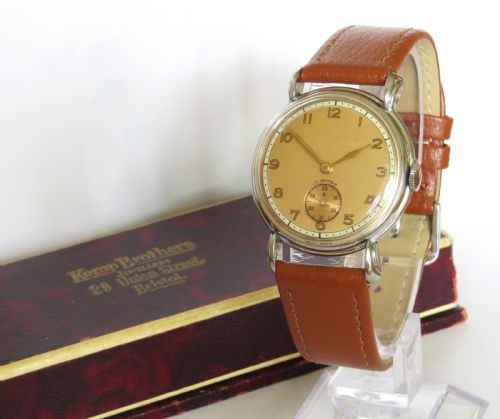
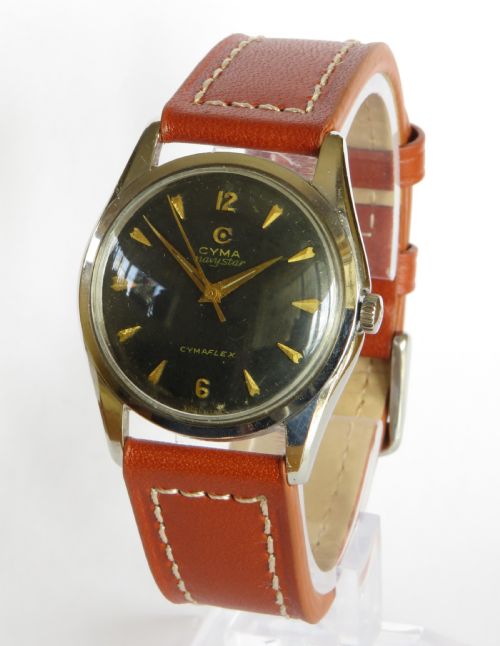
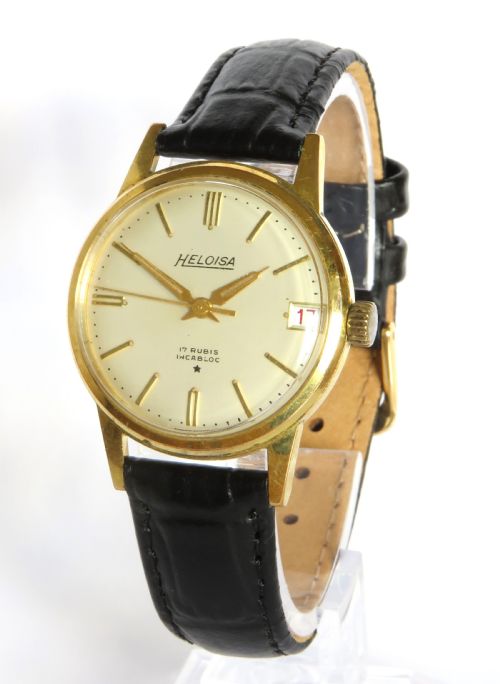
Vintage Swiss Dress Watch
A vintage swiss dress watch carries the quiet authority of mid-century design, offering slender proportions and mechanical honesty that modern timepieces rarely achieve.
Vintage Swiss Dress Watch
A vintage swiss dress watch represents an era of meticulous horology, encompassing wristwatches and pocket watches designed primarily for formal attire or daily elegance. These pieces emerge from periods spanning the 1920s through the 1960s, reflecting shifts from early twentieth-century geometry to mid-century modern minimalism.
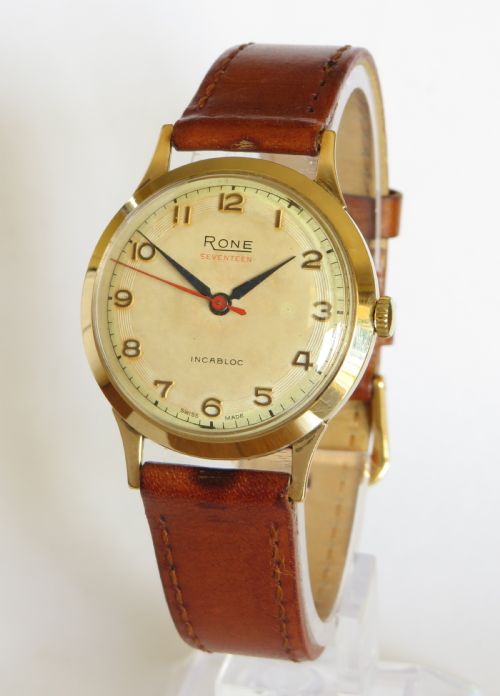
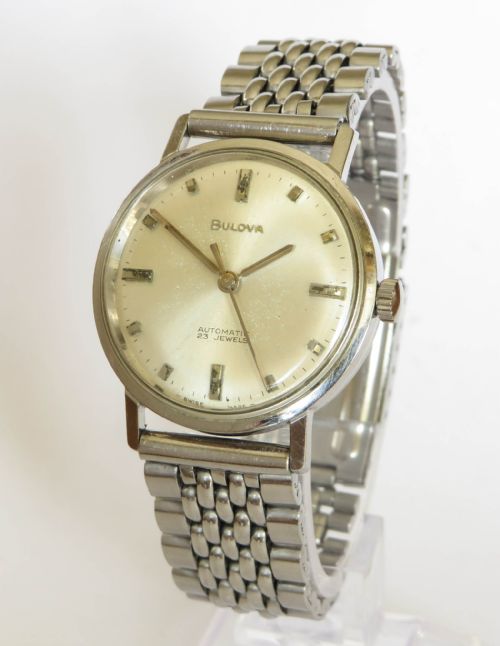
The selections available here lean heavily toward mid-century wristwatch forms, particularly round or rectangular cases housing mechanical and automatic movements. Buyers encounter prominent Swiss houses alongside lesser-known makers, all sharing a commitment to understated dials and slim profiles.
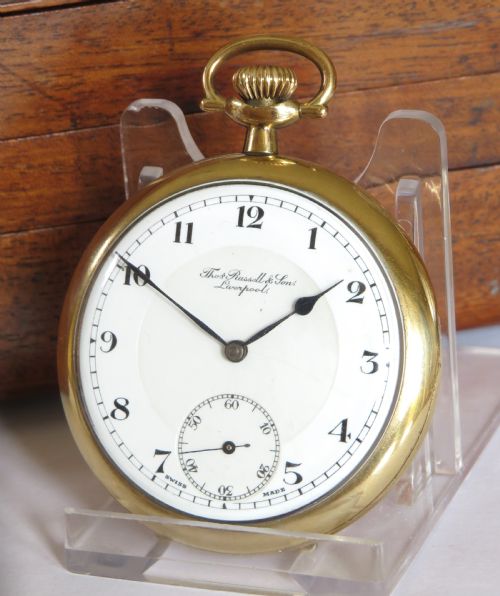
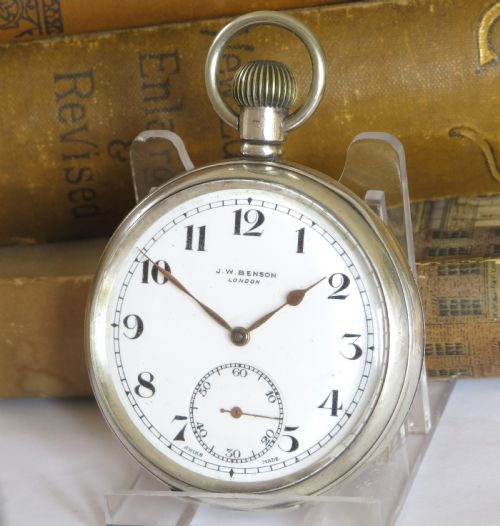
Pocket watches from the 1920s and 1930s also appear within this group, offering an alternative format for those drawn to traditional stem-winding mechanics. These objects bridge the gap between utilitarian timekeeping and refined personal accessories.
Materials and construction
Cases are formed from solid 9ct or 18ct gold, gold plate, stainless steel, and occasionally silver, providing a sturdy housing for delicate internal gears. Dials are protected by glass or acrylic crystals, while straps rely on traditional leather or integrated metal bracelets.
Movements utilise mechanical hand-wound or automatic calibres, often featuring specialist mechanisms such as bumper weights or chronometer certifications. Enamel work and patinated metal finishes add textural depth to dials constructed during the Art Deco and mid-century periods.
Vintage Swiss Dress Watch Retail Price Guide 2026
Typical asking prices for vintage swiss dress watch among the pieces listed under this phrase on Sellingantiques today, from the lower quarter to the upper quarter. They describe what is for sale here now, not the wider market.
Some mid-century automatic watches gently tap the wearer's wrist with every step, serving as a tiny, rhythmic mechanical heartbeat throughout the day.
Distinctions in quality
The hierarchy of these timepieces rests upon the grade of the movement and the integrity of the case metal. Solid gold construction and certified chronometer status separate standard daily wearers from high-precision instruments intended for presentation or luxury markets.
Originality of components dictates the standing of a piece among collectors. Retaining factory dials, signed crowns, and original boxes or papers elevates a watch significantly above examples with replaced or heavily altered parts.
Omega·Buren·Montilier·Cyma·Thomas Russell and Son·J W Benson·Revue·Stonehaven·Tavannes·Minerva·Festina·Gruen·Eterna Matic·DeRe·IWC·Roamer·Rolex·Bulova·Bucherer
The Vintage Swiss Dress Watch Glossary
- Calibre
- The specific internal movement design and manufacture of a watch. Makers stamp numbers on the movement plate to identify the exact mechanical layout.
- Chronometer
- A high-precision watch capable of keeping time accurately under various temperatures and positions. These movements undergo rigorous testing by official observatories.
- Automatic
- A self-winding mechanical movement that uses a weighted rotor to wind the mainspring through natural wrist motion. This system removes the need for daily manual winding.
- Bumper
- An early form of automatic movement where the rotor swings back and forth against spring buffers rather than spinning in a full circle. Users can feel a gentle tap on the wrist as the weight moves.
- Patina
- The natural ageing of dial surfaces, metals, or hands over decades. Collectors often value this chemical change for the authenticity and warmth it brings to the appearance.
Vintage Swiss Dress Watch: Frequently Asked Questions
How do I wind a manual vintage watch?
Gently rotate the crown clockwise between your thumb and forefinger until you feel increasing resistance. Stop immediately at that point to avoid over-winding and straining the mainspring.
Perform this action at roughly the same time each day to maintain consistent tension and reliable timekeeping throughout your wearing routine.
Can I wear my vintage watch daily?
Many of these pieces served as daily wearers for decades and handle regular use well when treated with care. However, most vintage designs lack modern water resistance and shock protection.
Keep them away from moisture, heavy impacts, and magnetic fields to preserve the delicate internal mechanics and vintage crystal materials.
What does a bumper automatic feel like?
A bumper movement produces a distinct gentle tap or thud against your wrist as the internal weight swings back and forth. This mechanical feedback is entirely normal for mid-century automatic calibres.
It distinguishes early self-winding technology from the smooth, continuous rotation found in later rotor-based automatic watches.
How do I identify the period of a watch?
Examine the overall design language, including numeral fonts, case shapes, and hand styles that shift between Art Deco geometry and Mid-Century Modern minimalism. Serial numbers engraved on the movement or case back often allow precise dating through manufacturer records.
Matching these details with the materials used, such as early acrylic crystals or specific gold hallmarks, confirms the era of production.