
Vintage Gold Wristwatch
A vintage gold wristwatch brings mid-century mechanical horology directly to the wrist with enduring grace and understated luxury.
What these wristwatches are
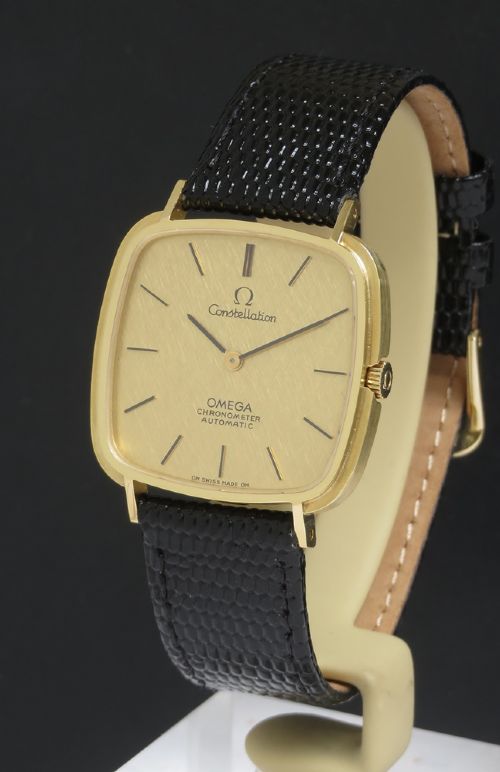
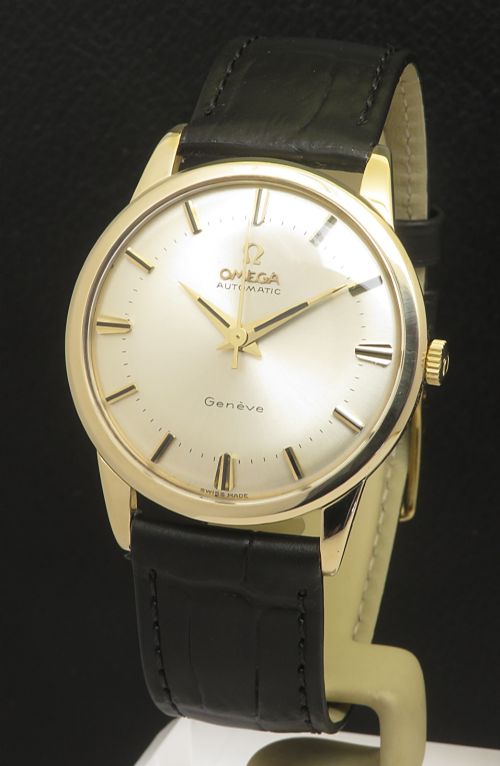
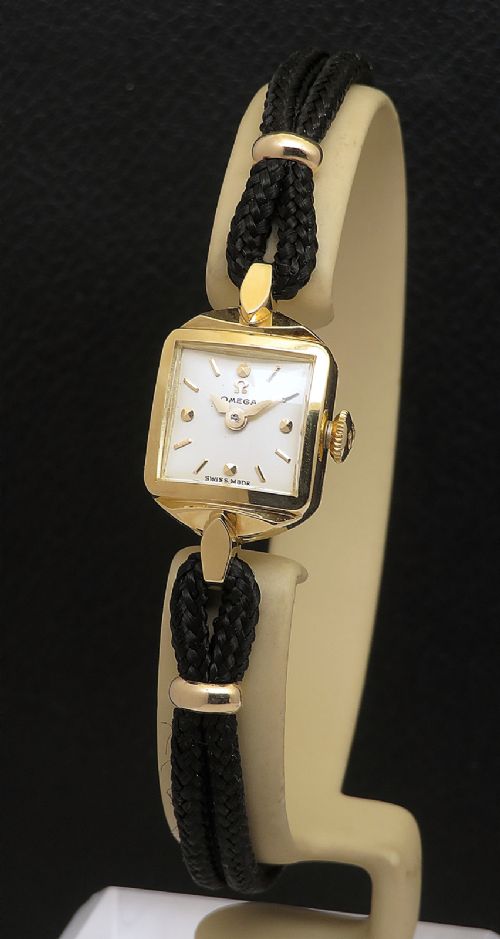
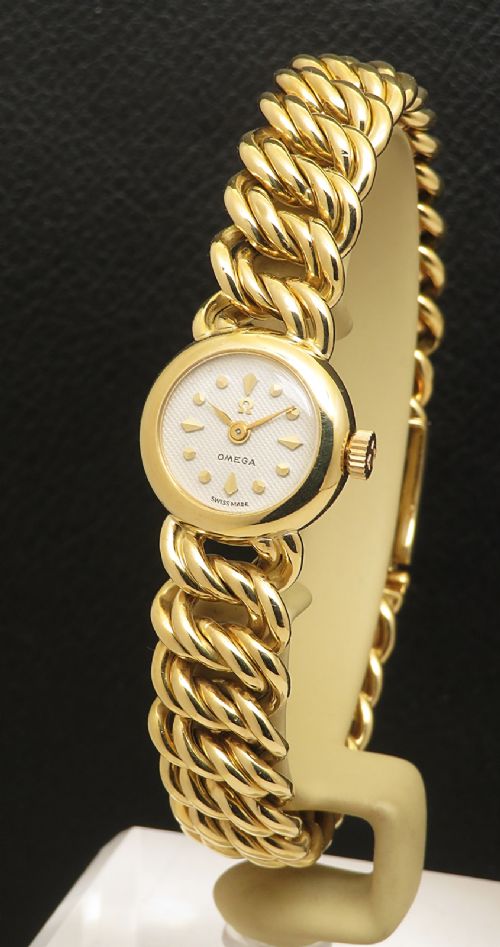
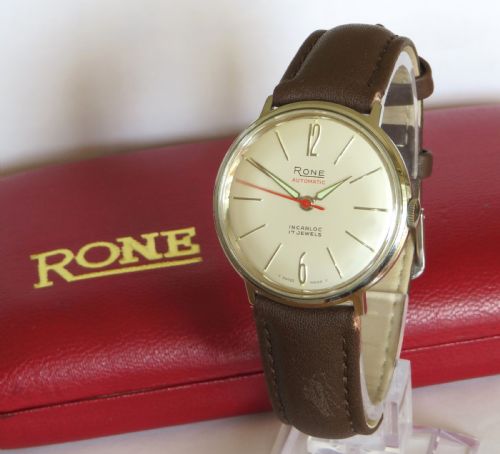
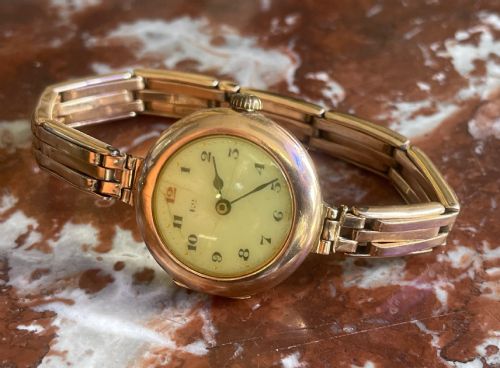
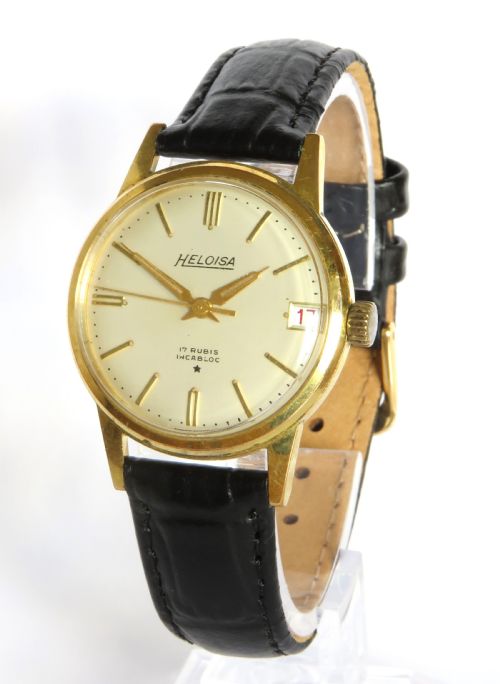
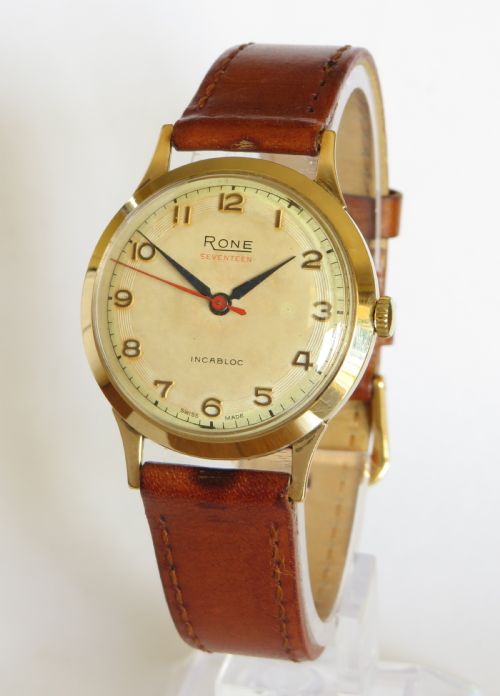
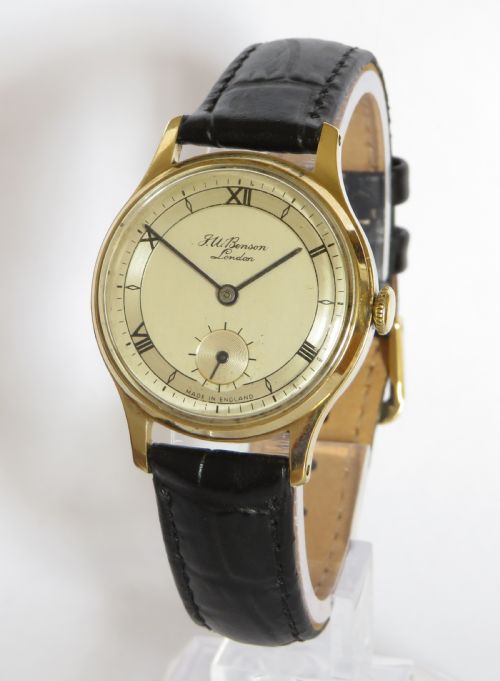
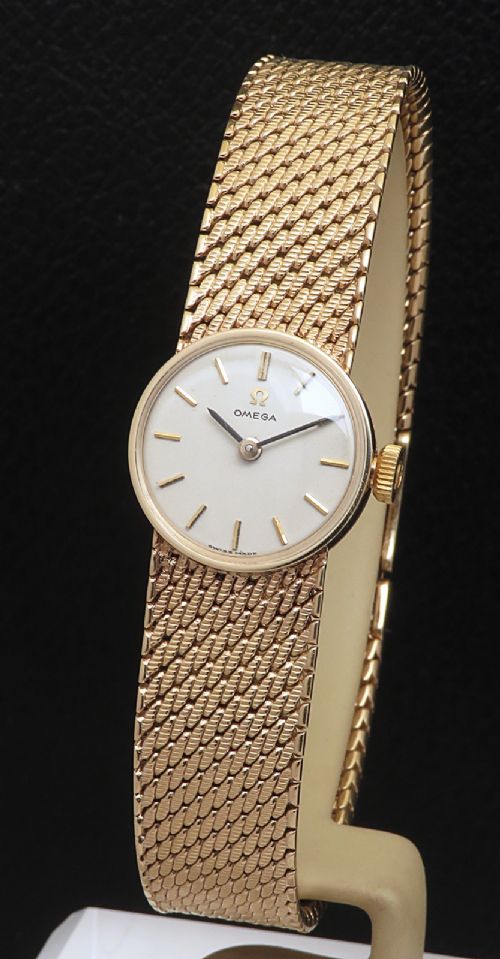
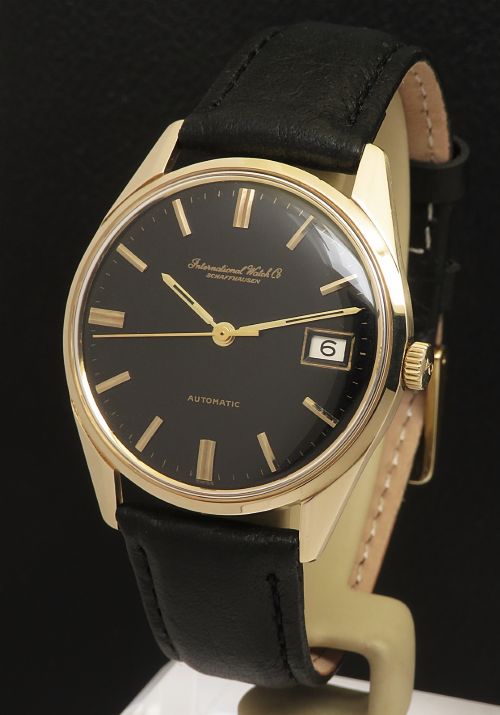
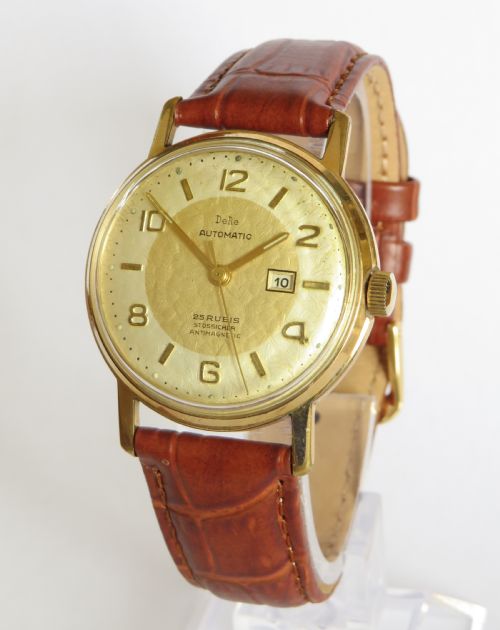
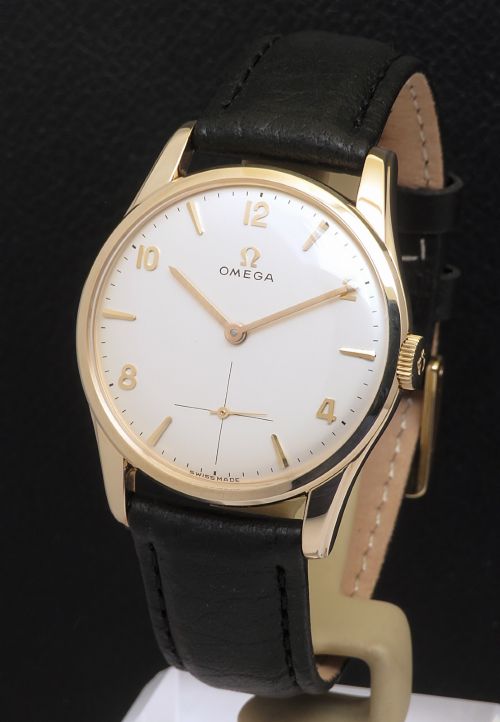
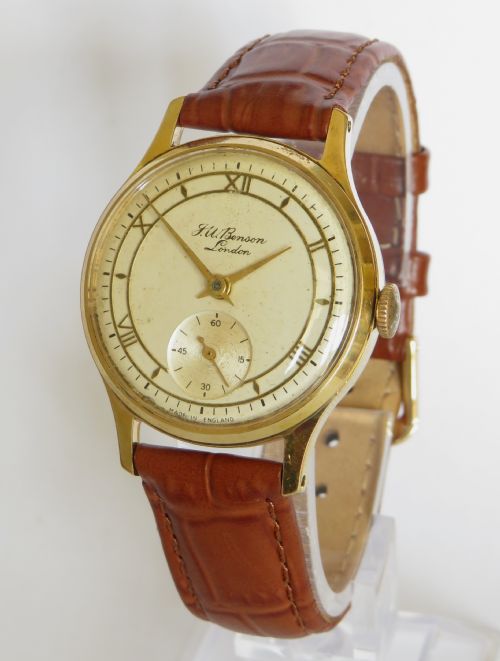
A vintage gold wristwatch represents mechanical timepieces produced principally during the 1950s and 1960s, embodying mid-century design. The evidence shows pieces originating from Swiss makers and London workshops alike, spanning gentlemen's and ladies' forms.
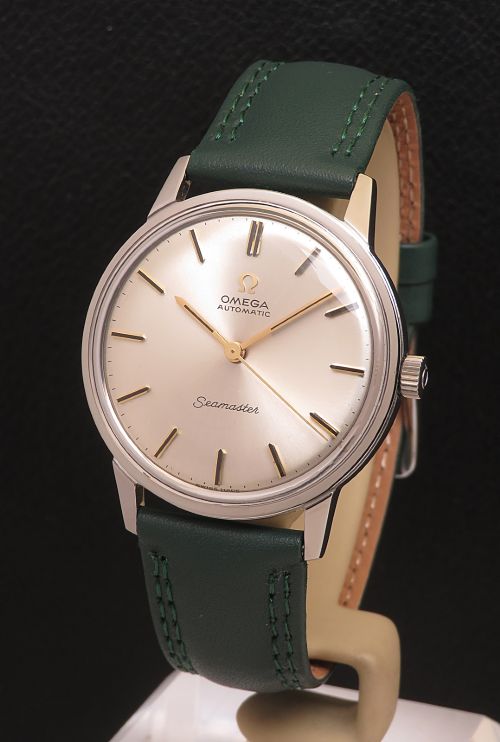
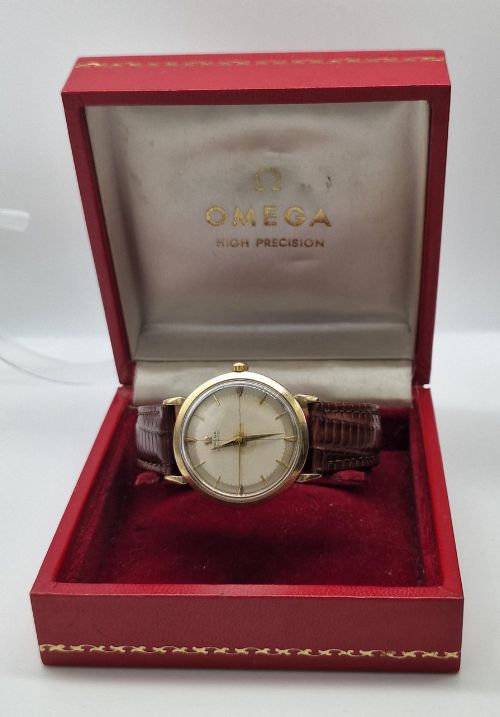
Most examples found here utilise solid 9ct gold or 18ct yellow gold cases, occasionally paired with leather straps, velvet, or gold bracelets. These items cross styles from classic dress watches to robust automatic chronometers.
Makers recorded in the evidence range from high-end Swiss houses to British retail jewellers, providing distinct horological pedigree. Collectors encounter manual wind mechanisms alongside early self-winding automatic movements.
How they were made
Cases are formed from solid 9ct or 18ct gold, and occasionally gold plate or stainless steel, housing intricate mechanical movements driven by springs and tiny gears. Dials are protected by acrylic glass or acrylic covers.
Interiors rely on jewelled movements, such as seventeen-jewel calibres, which reduce friction on pivot points to maintain accuracy. Straps are constructed from traditional materials including leather and velvet, or integrated metal bracelets.
Retail Price Guide 2026
Typical UK retail prices for vintage gold wristwatch, calculated from the Sellingantiques database of over a million retail prices indexed since 2003. This retail price guide relies exclusively on Sellingantiques data; no external sources or auction records are used, so the figures do not describe the wider market.
Listings demonstrate materials including 9ct gold, 18ct gold, stainless steel, leather, velvet, and acrylic glass across mid-century periods.
What varies in quality
The distinction between tiers rests upon the prestige of the maker and the composition of the case, moving from standard 9ct gold up to substantial 18ct gold housings. Signatures from renowned Swiss houses carry greater horological significance than lesser-known retail brands.
Movement sophistication also separates standard manual wind pieces from high-grade automatic calibres like automatic chronometers. Originality of components, from signed crowns to unpolished case edges, determines the upper echelon of surviving examples.
Omega·Garrard·Longines·Rolex·Baume And Mercier·Eterna Matic·Juvenia·JW Benson·Bueche Girod·Vacheron Constantin·Peerless·Stauffer And Co
The Vintage Gold Wristwatch Glossary
- Automatic
- A self-winding mechanical movement that uses a weighted rotor to wind the mainspring through the natural motion of the wearer's wrist.
- Manual wind
- A mechanical movement that requires the wearer to manually turn the crown to tension the mainspring.
- Calibre
- The specific internal movement design and manufacturer designation housed within the watch case.
- Hallmark
- An official stamp applied to precious metals indicating purity, origin, and the assay office.
- Jewels
- Synthetic rubies or sapphires placed within the movement at high-friction pivot points to reduce wear.
Frequently Asked Questions
How do I wind a manual watch?
Rotate the crown clockwise between your thumb and forefinger until you feel gentle resistance. Stop immediately to avoid damaging the mainspring.
Wind the watch at roughly the same time each day to maintain consistent tension and timekeeping accuracy.
Are these watches waterproof?
Vintage pieces lack modern rubber gaskets and screw-down systems designed for water resistance. Even models marked oyster or waterproof should be kept well away from moisture.
Condensation or humidity can penetrate aged seals and damage the delicate internal movement.
How often need they be serviced?
Mechanical movements require periodic cleaning and lubrication to replace dried oils that cause friction. A professional service every few years ensures longevity.
Proper maintenance preserves the tiny gears and jewelled bearings against premature wear.
Can I wear mine daily?
Daily wear is entirely suitable provided you respect the age and mechanical nature of the timepiece. Avoid wearing them during strenuous physical activities or sports.
Pairing the watch with leather straps or metal bracelets makes it a versatile daily companion.