
1960s Mens Watch
A 1960s mens watch offers precise mid-century mechanical horology in a refined wrist-worn format that collectors prize for enduring style.
1960s Mens Watch
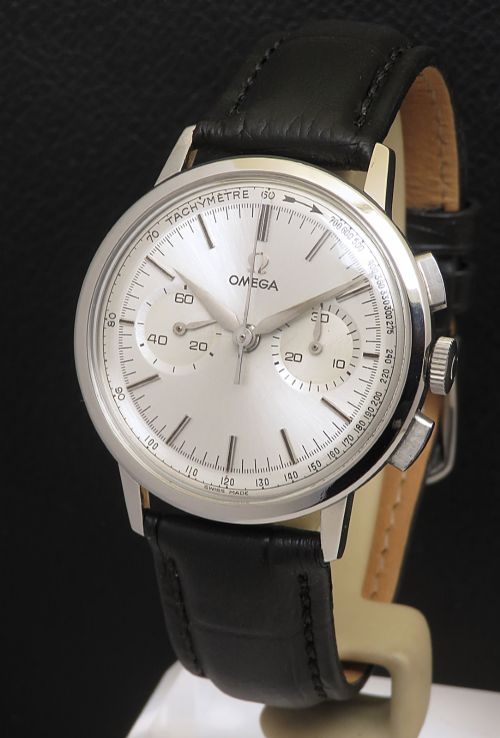
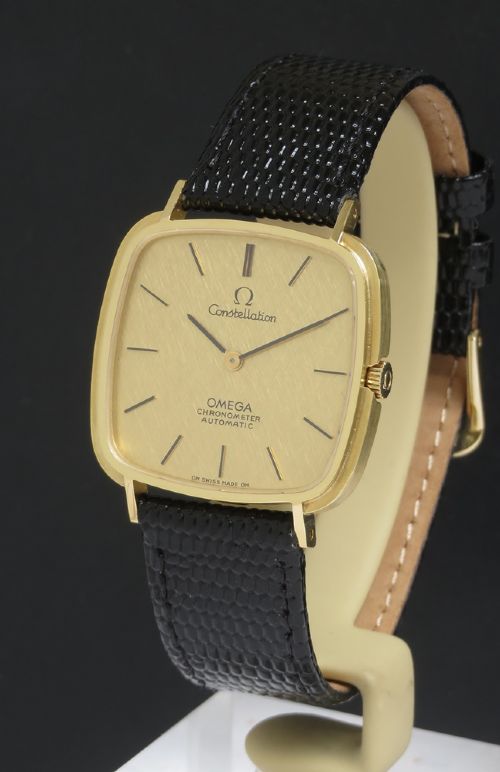
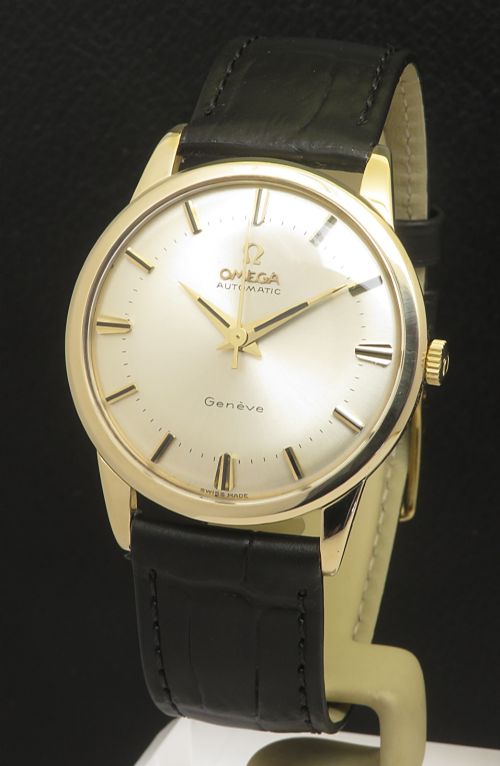
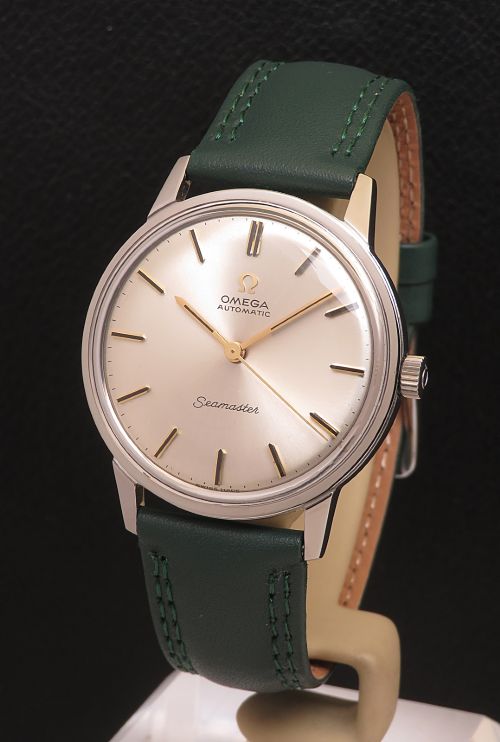
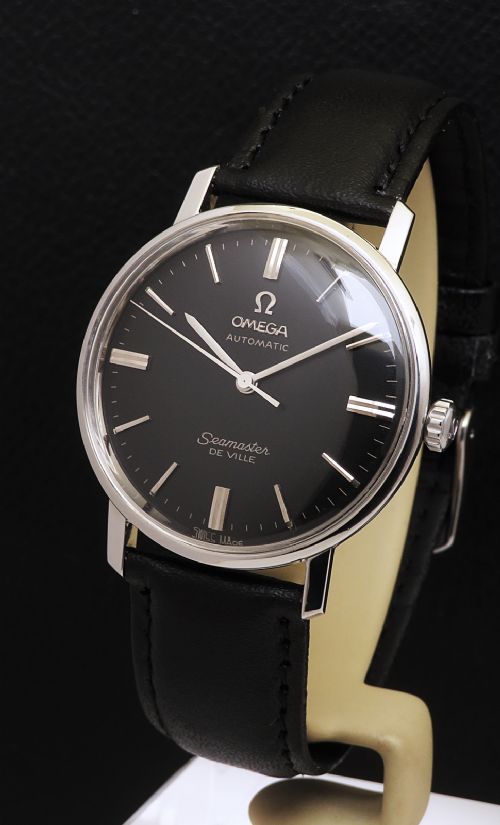
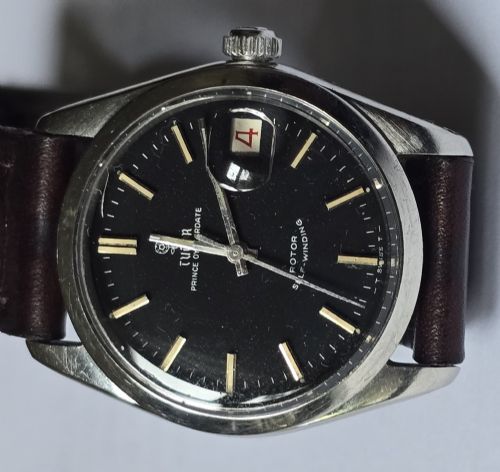
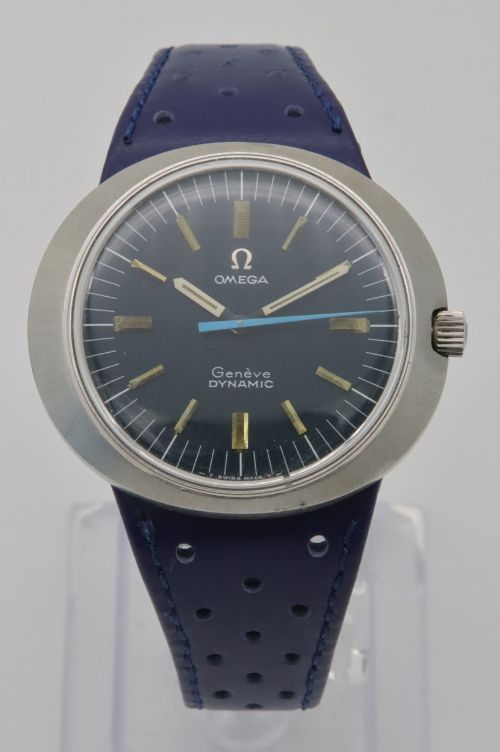
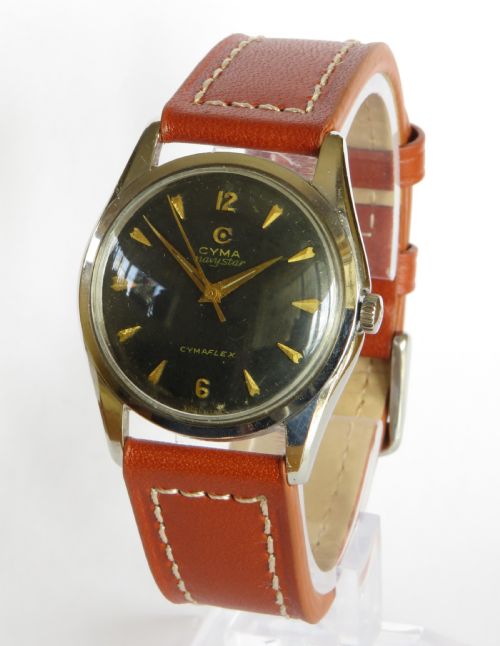
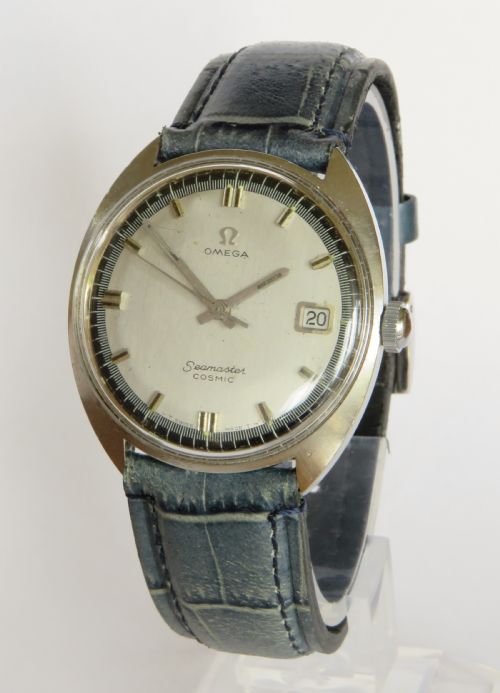
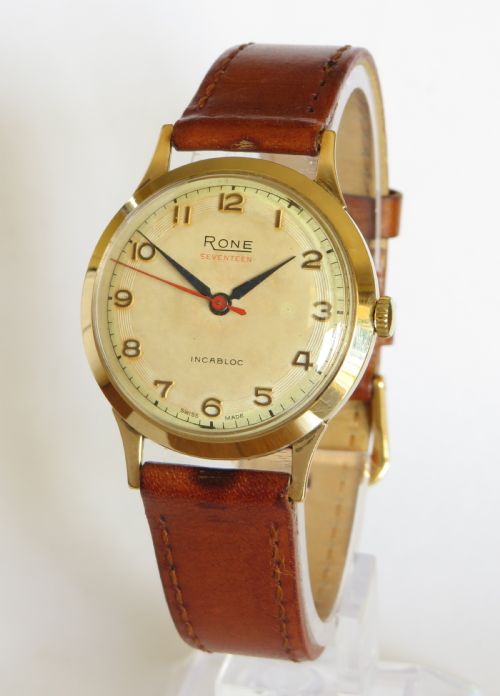
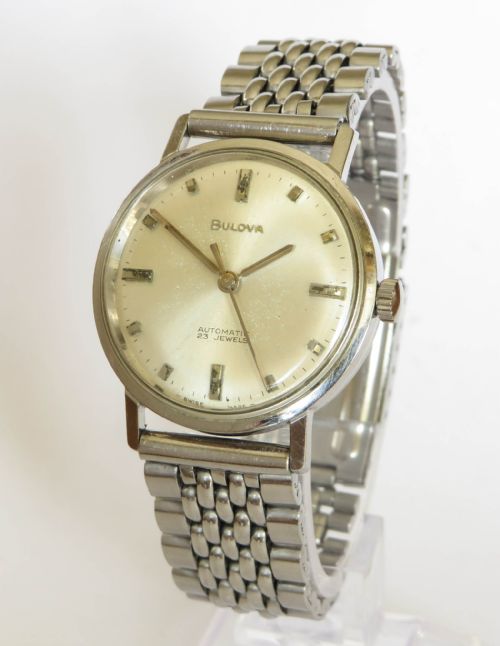
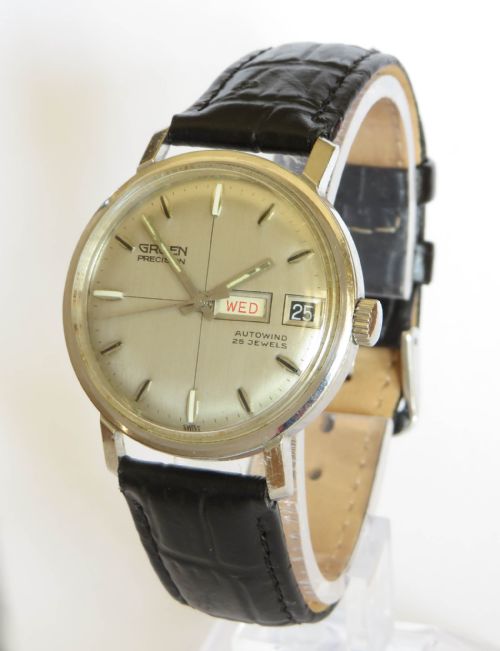
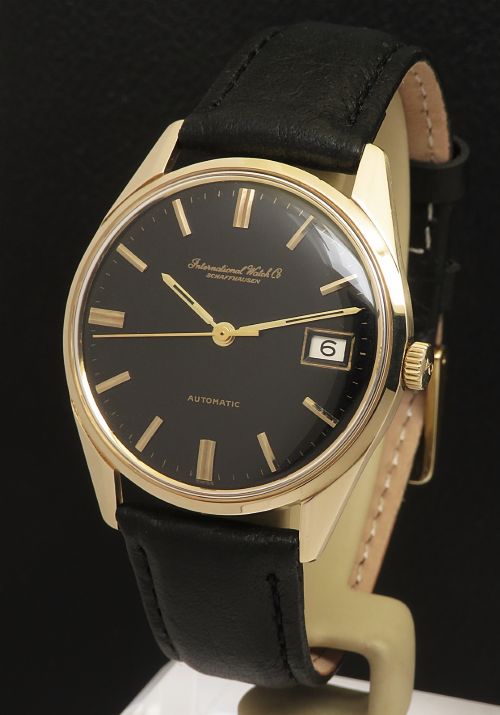
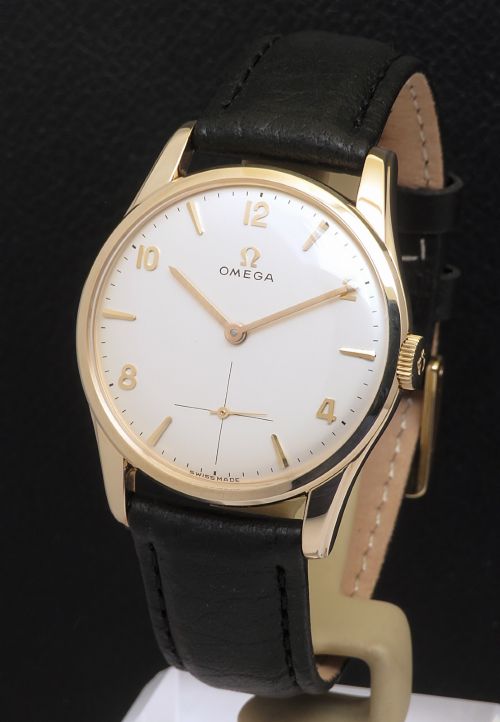
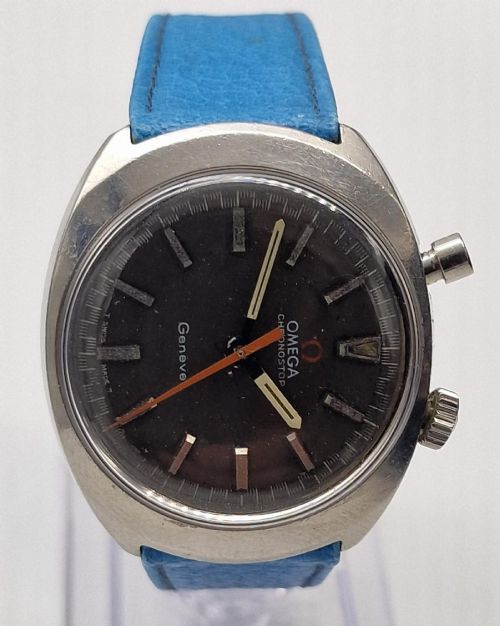
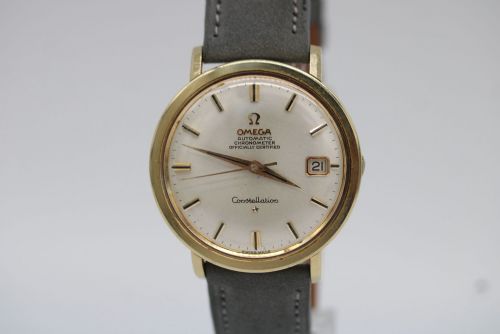
A 1960s mens watch encompasses wristwatches produced during a decade defined by mid-century modern design and mechanical innovation. The pieces seen here primarily take the form of automatic, manual wind, and chronometer wristwatches produced for daily wear.
Buyers encounter numerous variations ranging from dress watches in precious metals to robust sports and waterproof models. Prominent series like the Omega Seamaster, Constellation, and Geneve appear frequently alongside pieces from other notable horological houses.
How they were made
Makers utilised durable metals including stainless steel, solid 9ct gold, solid 18ct gold, and gold plate to house mechanical movements. Dials were fitted with glass or acrylic glass crystals to protect the face while maintaining legibility.
Strap construction relied primarily on leather to secure the timepiece to the wrist. Movements depended on intricate gear trains driven by manual winding or automatic rotor mechanisms.
Drivers edition watches feature rotated dials so motorists could read the time effortlessly while gripping the steering wheel.
What varies in quality
Quality rests significantly on the preservation of the original dial and case geometry, distinguishing untouched examples from those that have undergone heavy polishing or redialing. Movement fidelity, including chronometer certification and servicing history, further separates standard production from top-tier specimens.
The choice of housing materials also dictates distinction, with solid 9ct and 18ct gold cases representing a higher tier than gold-plated or stainless steel alternatives. Original accompanying boxes, papers, and signed buckles elevate the completeness of a piece.
Omega·Tudor·Cyma·Bulova·Gruen·IWC·Rolex·Longines·Breitling·Certina·Avia·Seiko·Marvin·Tissot·Smiths Astral
The 1960s Mens Watch Glossary
- Automatic
- A self-winding mechanical movement that uses a weighted rotor to wind the mainspring through the natural motion of the wearer's wrist.
- Chronometer
- A high-precision watch that has passed rigorous accuracy tests conducted by an official official testing organisation.
- Calibre
- The specific internal movement designation assigned by the manufacturer to identify the particular mechanical design.
- Acrylic glass
- A lightweight, shatter-resistant transparent plastic material utilised for watch crystals during the mid-century period.
- Manual wind
- A mechanical movement requiring the wearer to turn the crown by hand to tension the mainspring.
1960s Mens Watch: Frequently Asked Questions
How do I wind a manual watch?
Rotate the crown clockwise between your thumb and forefinger until you feel gentle resistance. Stop immediately to avoid damaging the mainspring.
Perform this action at the same time each day to maintain consistent timekeeping performance.
Are these watches water resistant?
Vintage timepieces lose their original water seal integrity over decades as gaskets degrade. Treat these objects as non-waterproof unless recently pressure tested by a watchmaker.
Avoid swimming, showering, or submerging the watch in water.
What is an automatic movement?
An automatic movement winds itself using an internal metal rotor that pivots as your arm moves throughout the day. This removes the need for daily manual winding.
The watch will store reserve power when stationary for several hours.
How do I care for a leather strap?
Keep leather straps dry and away from prolonged direct sunlight or extreme heat sources. Remove the watch before heavy physical activity to prevent sweat absorption.
Condition the leather periodically with a neutral specialist balm to maintain flexibility.