

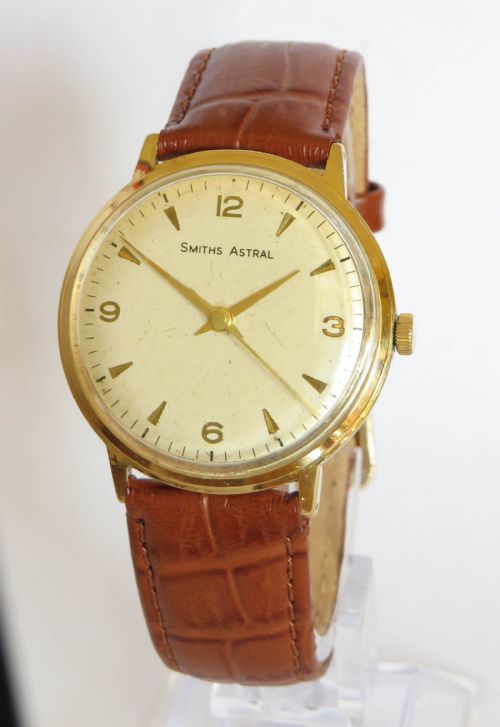


Vintage Smiths Watch
A vintage smiths watch is a piece of mid-century British horology, offering classic mechanical design and dependable daily wear.
What these vintage Smiths watches are
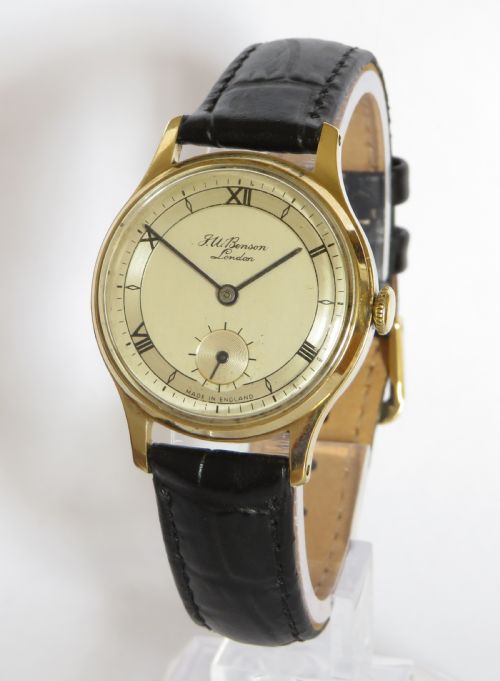
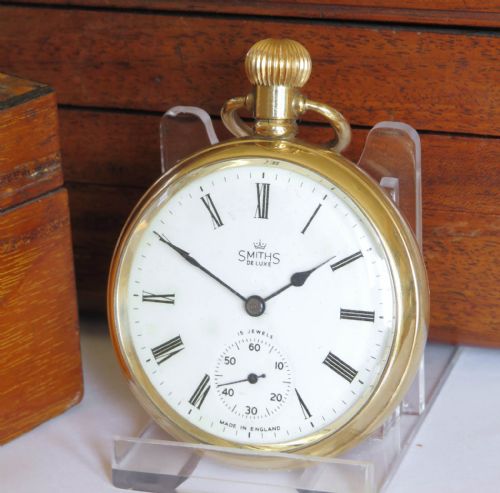
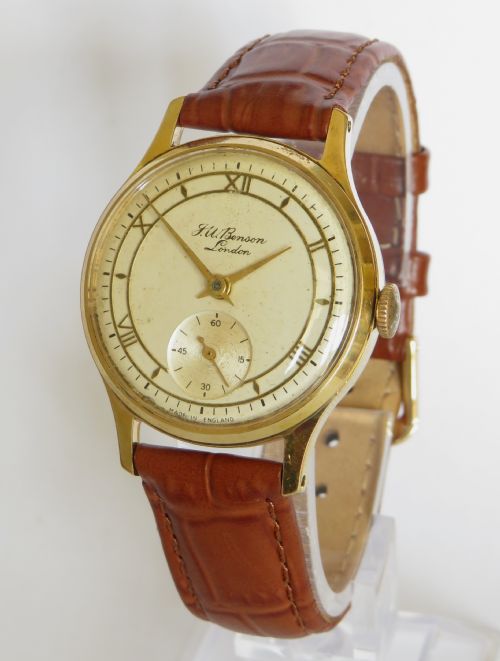
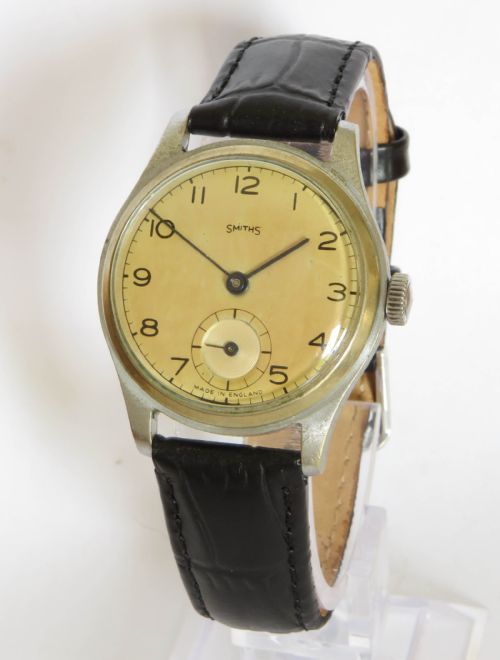
A vintage smiths watch encompasses both pocket watches and wristwatches originating from British workshops during the middle decades of the twentieth century. These timepieces reflect the steady output of domestic watchmaking, capturing the straightforward utility demanded by gentlemen of the era.
The wristwatches dominate the selection, frequently appearing from the nineteen-forties, nineteen-fifties, and nineteen-sixties. Buyers frequently encounter specific lines such as the De Luxe, Astral, Imperial, and National models, each representing different grades of British movement production.
How they were made
Construction relies upon mechanical movements housed within cases formed from stainless steel, brass, gold plate, or solid nine-carat gold. Dials are protected by glass or acrylic crystals, while movements incorporate jewel bearings, such as fifteen-jewel configurations, to reduce friction on pivot points.
Dials frequently feature enamel or painted details with Arabic numerals, paired with traditional hands. Finished watches are typically fitted with leather straps that complement the metallic tones of the case.
Retail Price Guide 2026
Typical UK retail prices for vintage smiths watch, calculated from the Sellingantiques database of over a million retail prices indexed since 2003. This retail price guide relies exclusively on Sellingantiques data; no external sources or auction records are used, so the figures do not describe the wider market.
Materials span leather, gold plate, glass, acrylic, nine-carat gold, brass, enamel, and stainless steel across three distinct decades.
What varies in quality
Quality differences rest primarily in the materials of the case and the sophistication of the movement inside. Solid nine-carat gold cases and named lines like the Imperial or De Luxe sit distinctly apart from simpler plated brass models.
The finish of the dial and the preservation of the original case lines dictate the overall desirability of the piece. Crisp lettering on the dial and unpolished metal surfaces distinguish superior examples from those softened by heavy use.
J W Benson
The Vintage Smiths Watch Glossary
- Horology
- The study and measurement of time, encompassing the art of making clocks and watches. This field covers everything from simple pocket timepieces to complex wrist mechanisms.
- Jewel bearing
- A natural or synthetic gemstone used as a bearing for a pivot in a watch movement. These reduce friction and improve the accuracy and longevity of the mechanism.
- Dial
- The visible face of a watch that displays the hours and minutes. It often carries maker signatures, model names, and numerical markers.
- Acrylic
- A lightweight transparent plastic material used historically for watch crystals. It offers flexibility and can be polished to remove surface scratches.
Frequently Asked Questions
What makes a vintage Smiths watch collectible?
Collectibility centres on British manufacturing heritage, specific model lines like the Imperial or De Luxe, and the use of solid gold cases.
Pieces carrying retailer names or retaining their original dial configurations attract particular interest from horological enthusiasts.
How do I date my Smiths watch?
Dating relies on stylistic cues, case materials, and movement designations recorded during the nineteen-forties, fifties, and sixties.
Model names and hallmark stamps on precious metal cases provide further chronological markers for identification.
Are these watches mechanical or quartz?
These pieces predate quartz technology and rely entirely on traditional mechanical movements powered by a mainspring.
They require manual winding to keep time through the action of interconnected wheels, gears, and escapements.
Can I wear a vintage Smiths watch daily?
Daily wear is entirely possible provided the mechanical movement receives regular servicing from a competent watchmaker.
Care should be taken around water and moisture, as vintage cases rarely offer modern standards of weather resistance.