
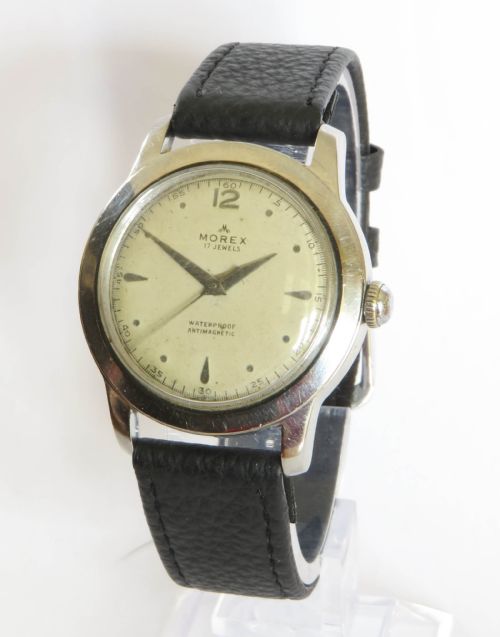
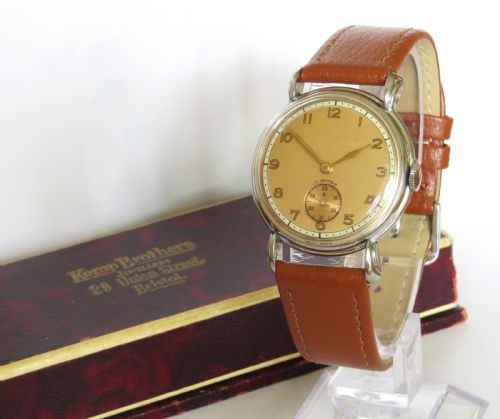
Vintage Gents Watch
A vintage gents watch carries the weight of mechanical honesty, offering timepieces built to last generations rather than seasons.
Vintage Gents Watch
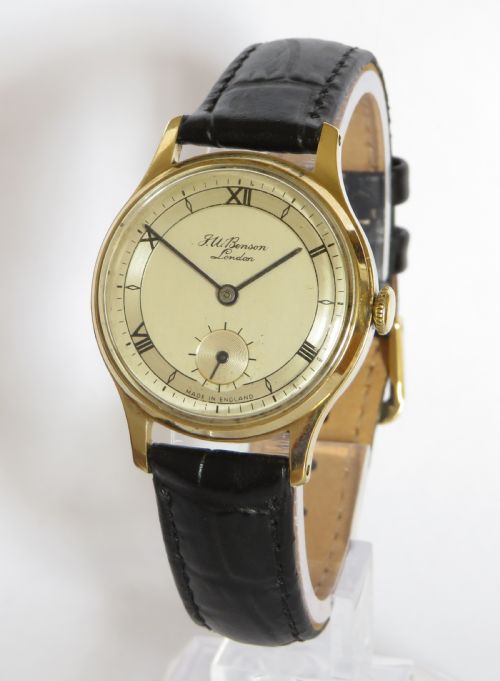
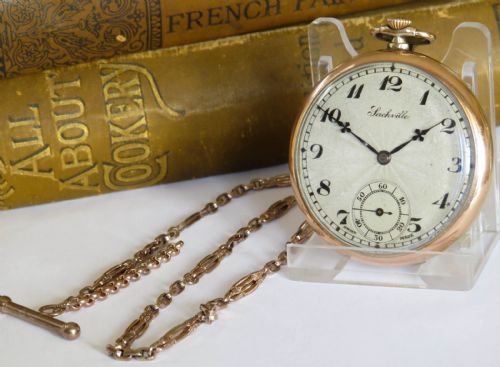
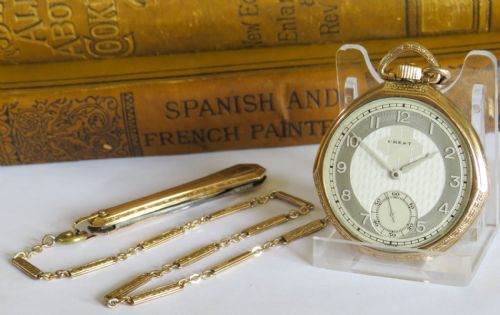
A vintage gents watch covers mechanical wristwatches, robust pocket watches, and utilitarian military timepieces spanning from the Victorian era through the 1970s. The most common examples encountered on this page originate from the mid-twentieth century, showcasing the transition from hand-winding movements to automatic calibres.
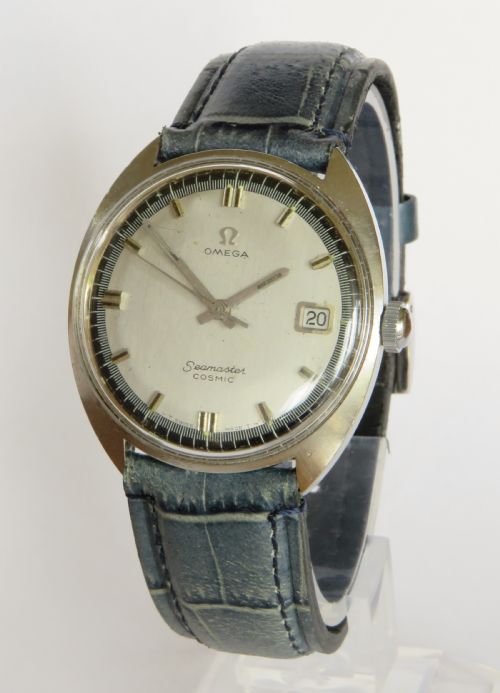
Buyers will find everything from simple three-hand dress pieces by makers like Smiths and Omega to robust chronographs and rugged trench watches. These objects reflect the changing functional requirements and stylistic shifts of the twentieth century, moving from pocket-bound reliability to wrist-worn precision.
How They Were Made
Cases utilise a combination of stainless steel, solid gold, gold plate, and silver, often paired with durable glass or acrylic crystals to protect the dial. Movements rely on intricate brass gear trains, jewelled bearings, and steel springs assembled by hand to ensure consistent timekeeping.
Dials display meticulous craftsmanship through enamelling, applied metal markers, and textured finishes, while straps are traditionally fashioned from leather or linked metal mesh. Military and railway variants incorporate specialised housings, such as shrapnel guards or heavy silver cases, to withstand harsh operational conditions.
Vintage Gents Watch Retail Price Guide 2026
Typical asking prices for vintage gents watch among the pieces listed under this phrase on Sellingantiques today, from the lower quarter to the upper quarter. They describe what is for sale here now, not the wider market.
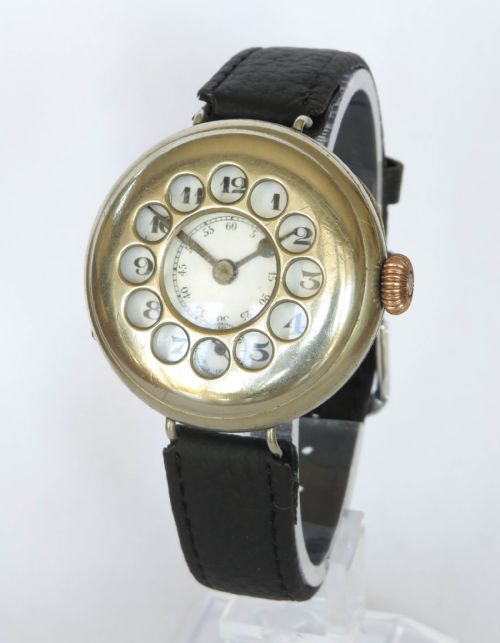
Some early wristwatches feature protective metal cages called shrapnel guards, ensuring time could be told safely amidst the mud and noise of the trenches.
What Varies in Quality
Quality rests in the pedigree of the movement, the integrity of the case materials, and the originality of the dial. High-tier pieces house in-house automatic or high-jewel manual movements produced by esteemed Swiss or British workshops, paired with precious metal or heavy steel cases.
Lower tiers often employ generic movements housed in gold-plated brass or base metal cases with simpler finishing. Preserved dial typography and unpolished case edges distinguish superior survivors from heavily restored or worn examples.
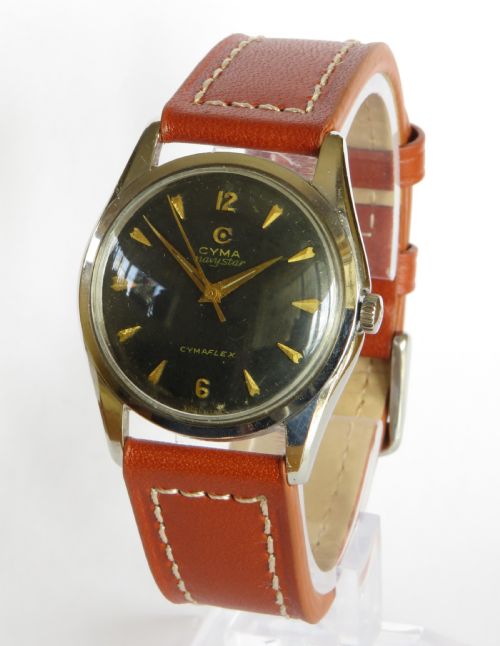
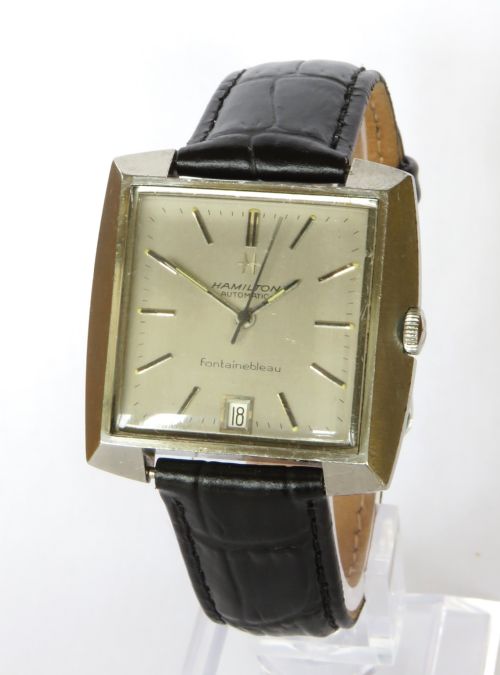
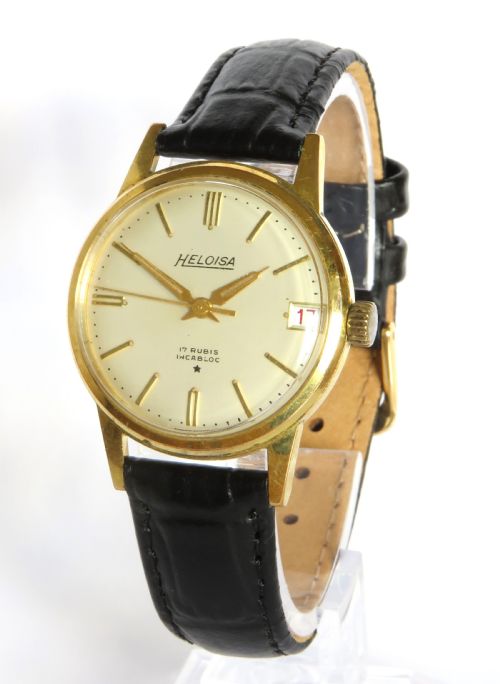
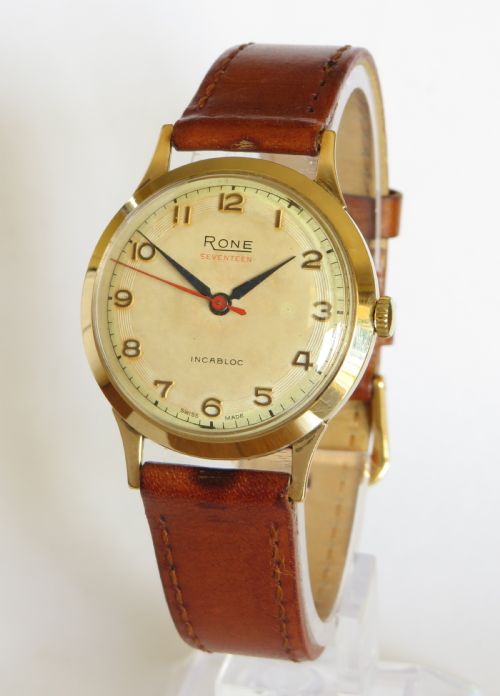
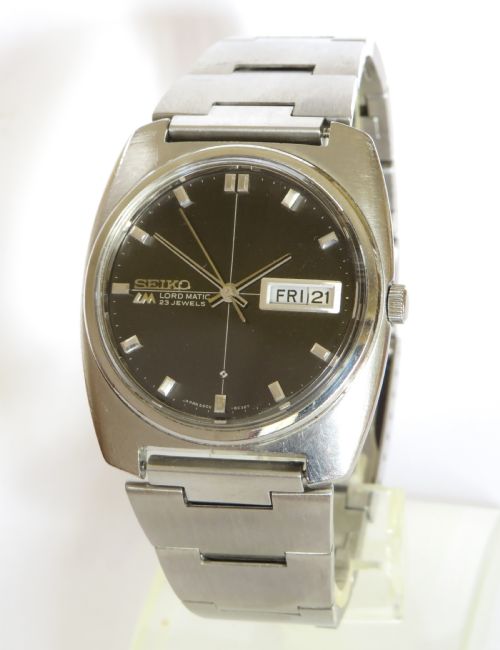
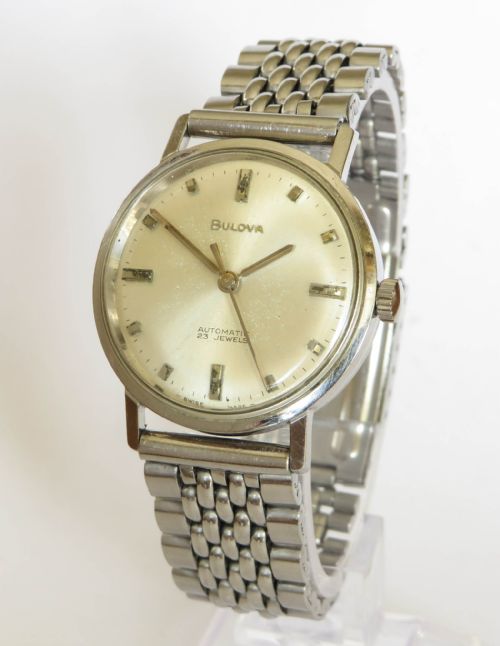
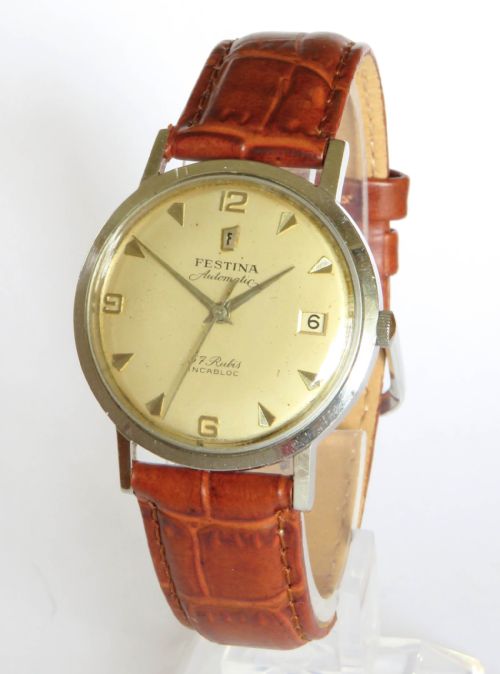
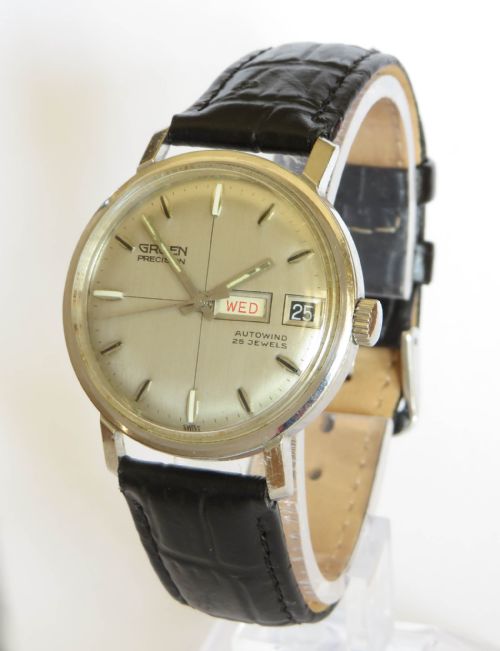
Montilier·Cyma Navystar·Hamilton Fontainebleau·Omega Seamaster·Heloisa·J C Vickery·Rone·Seiko Lord Matic·Bulova·Smiths·Tavannes·Festina·Gruen Precision·Eterna Matic·Antoremi·DeRe·Roamer·Hahn Landeron·Avia DayTyme·Venus·Seiko Sportsman Diashock·Primula·Marvin Hermetic·Tissot Visodate·Gloriosa
The Vintage Gents Watch Glossary
- Automatic
- A self-winding mechanical movement that uses a weighted rotor to wind the mainspring through the natural motion of the wearer's wrist.
- Chronograph
- A watch equipped with a separate stopwatch function that can be started, stopped, and reset independently of the timekeeping hands.
- Trench watch
- An early wristwatch bridging the gap between pocket watches and modern wristwear, developed for military officers during the First World War and featuring wire lugs and protective grilles.
- Calibre
- The specific manufacturer's internal designation for a particular watch movement design.
- Bumper automatic
- An early form of self-winding movement where the rotor swings back and forth against internal springs rather than rotating fully.
Vintage Gents Watch: Frequently Asked Questions
How do I wind a vintage manual watch?
Gently rotate the crown clockwise between your thumb and forefinger until you feel firm resistance, stopping immediately to avoid damaging the mainspring.
Most hand-winding pieces require a daily wind to maintain continuous operation and consistent timekeeping accuracy.
Can I wear my vintage watch every day?
Many vintage pieces handle daily wear well if treated with care, but most lack modern water and shock resistance.
Keep them away from moisture, magnetic fields, and heavy impacts to preserve the delicate internal components.
What is the difference between a trench watch and a standard wristwatch?
Trench watches originated during wartime and feature soldered wire lugs to secure a leather strap alongside oversized numerals for rapid reading.
They represent an evolutionary stepping stone between pocket watches and the refined dress watches of the mid-twentieth century.
How can I tell if a dial has been repainted?
Original dials usually exhibit crisp, stable typography and matching luminous material that has aged uniformly across all markers and hands.
Blurry lettering, mismatched colours, or smudged branding typically indicate a later redial rather than factory-original finish.