

Mid Century Watch
A mid century watch brings functional engineering into daily wear, offering mechanical precision housed in sleek mid-century forms.
Mid Century Watch
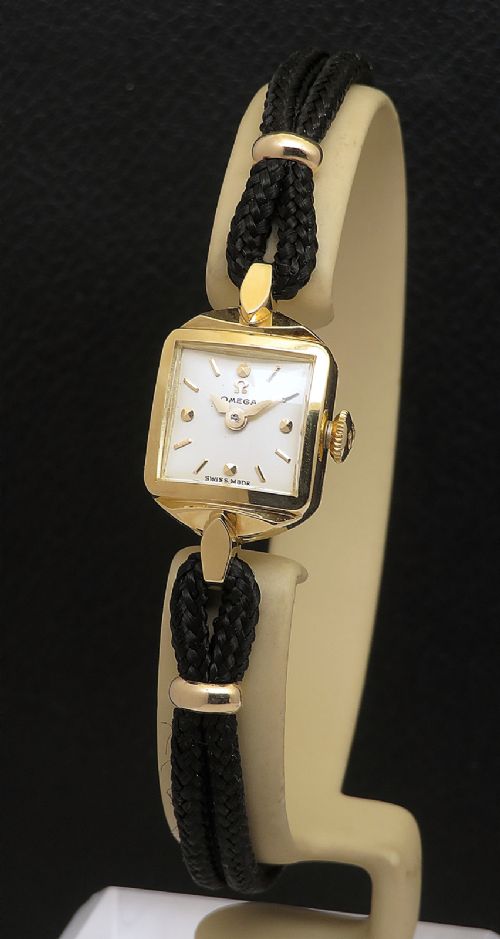
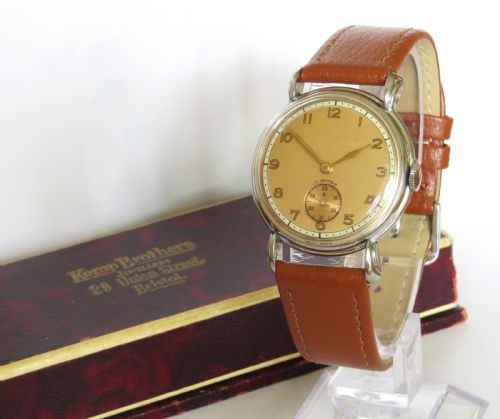
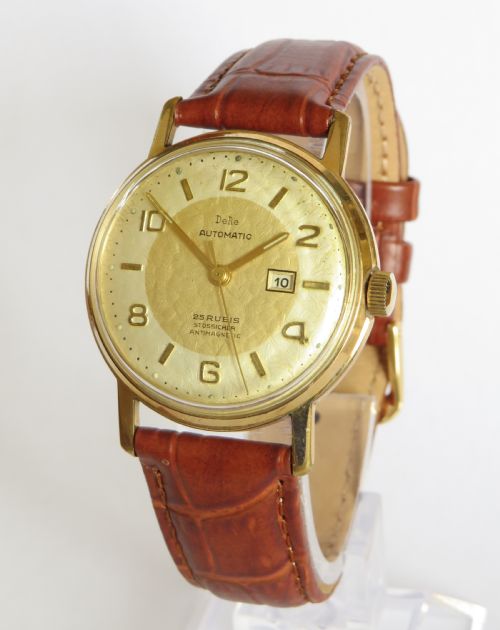
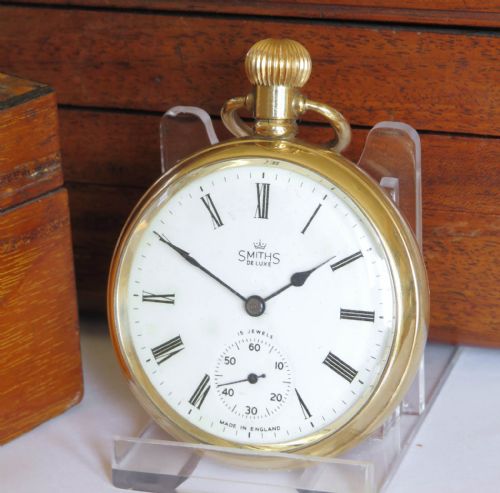
A mid century watch encompasses wristwatches, pocket watches, and cocktail pieces originating primarily from the 1940s, 1950s, and 1960s. These horological items span styles from Art Deco influences to Mid-Century Modern and 1940s military designs, reflecting the aesthetic shifts of their respective decades.
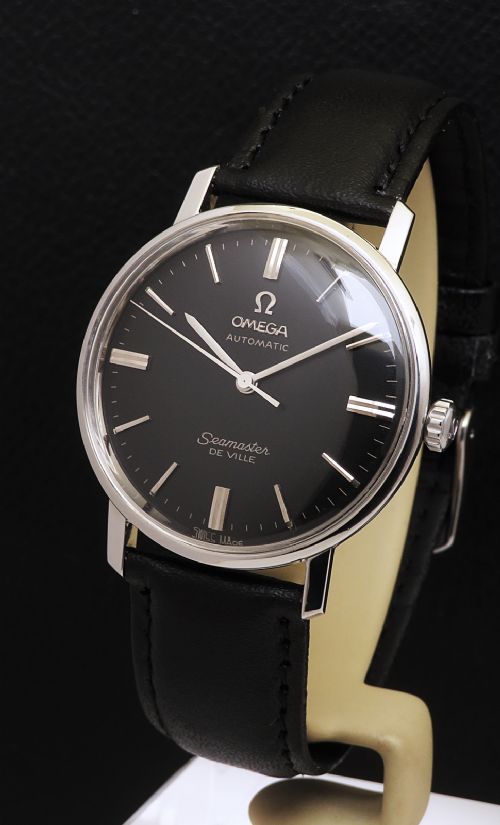
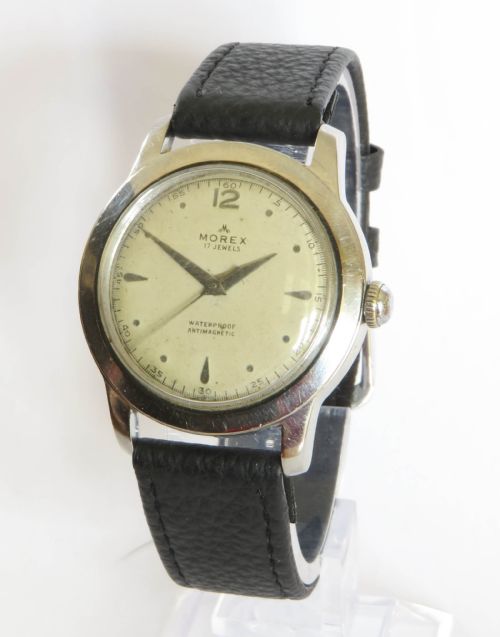
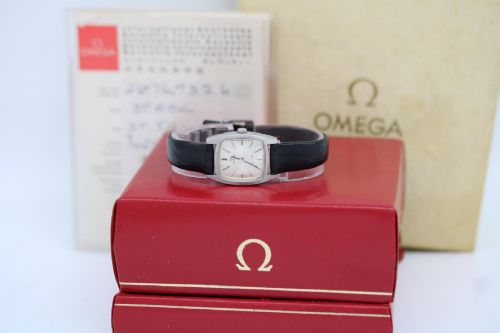
The version most commonly encountered on this page is the gents wrist watch powered by mechanical movements, often dated securely to the 1950s or 1960s. Alongside these, ladies cocktail watches in gold or set with diamonds appear alongside robust utility pieces bearing manual or automatic winding systems.
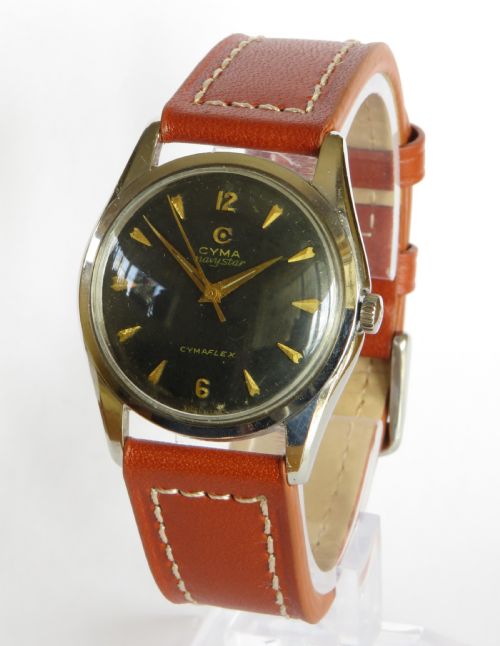
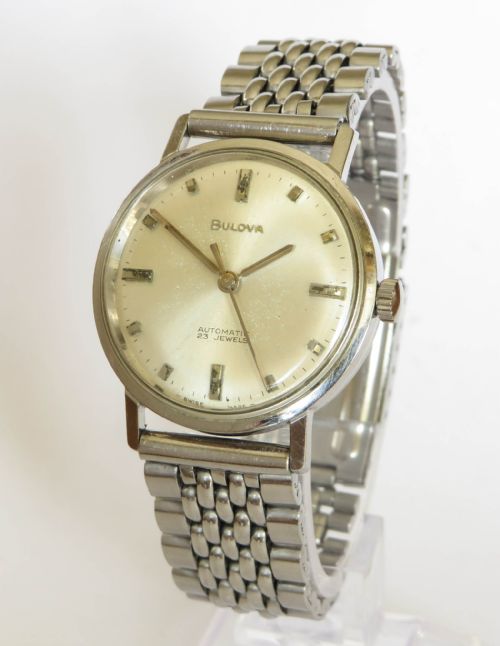
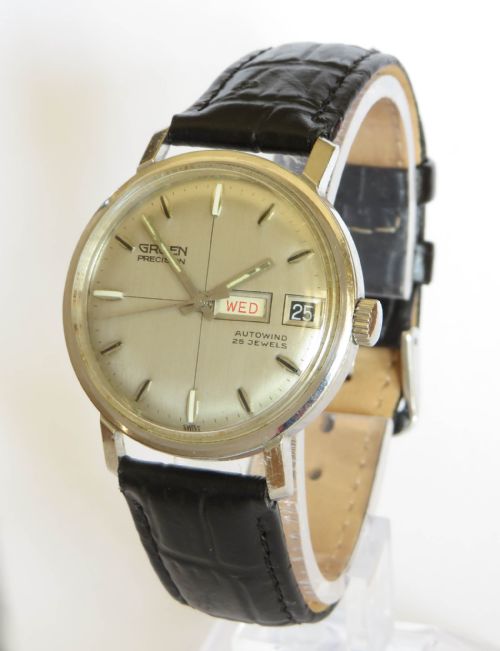
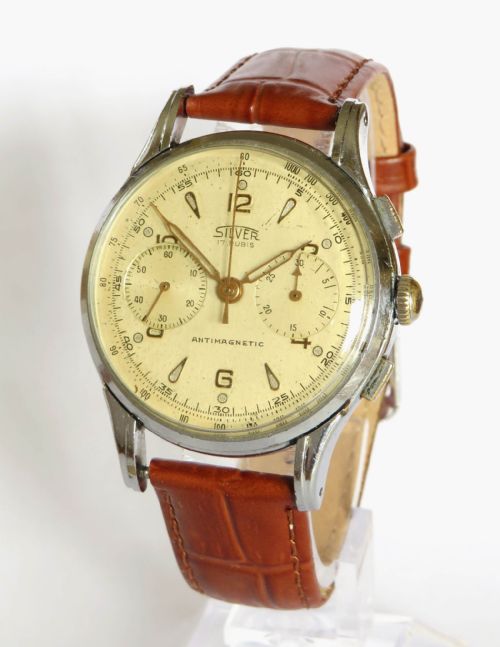
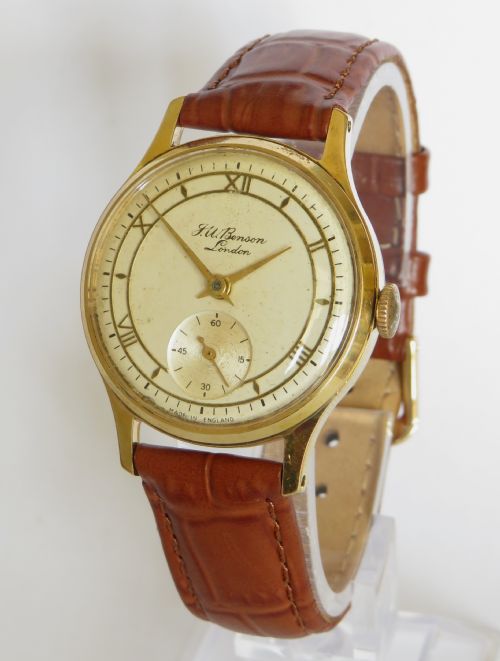
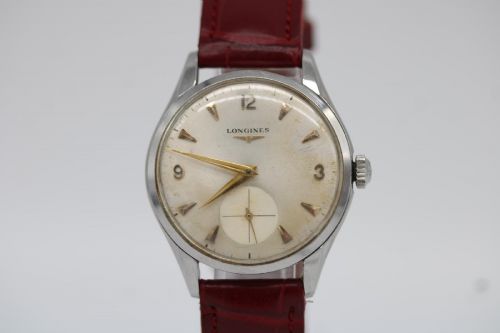
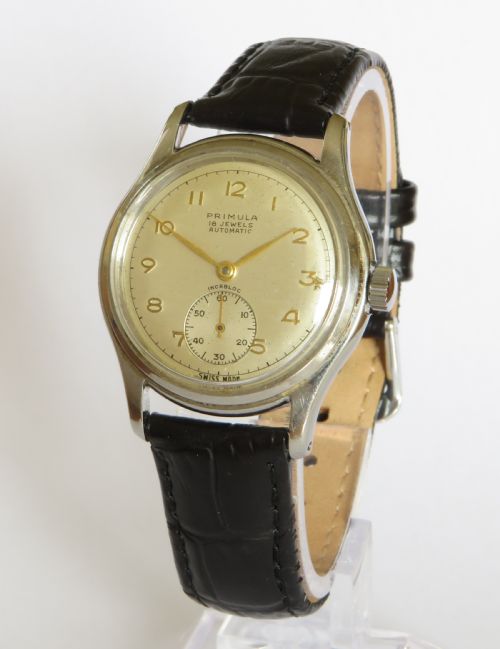
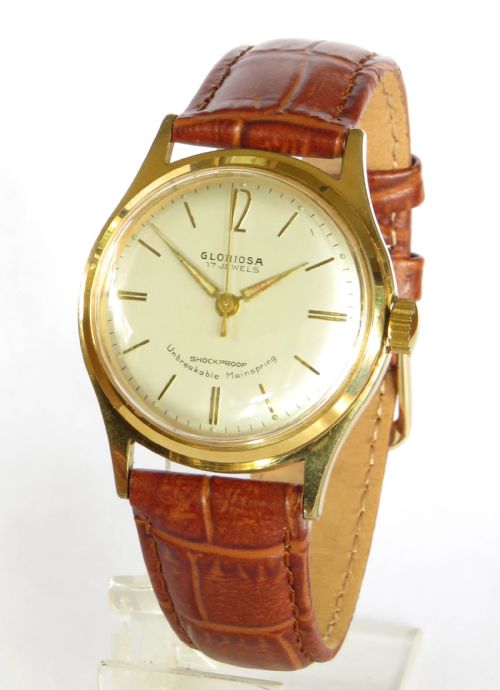
Makers represented range from Swiss houses like Omega, Longines, and Cyma to British firms such as Smiths, providing a clear cross-section of mid-century watchmaking production. Whether cased in stainless steel, gold plate, or solid gold, each item records the prevalent materials and functional requirements of mid-century design.
How they were made
Cases of a mid century watch utilise stainless steel, 18ct white gold, gold-filled metals, and gold plate, often paired with acrylic crystals to protect the dial. Straps fashioned from leather or fabric secure the watch to the wrist, while specialised items incorporate glass lenses and diamond accents for decorative effect.
Movements rely on mechanical ingenuity, utilising manual wind calibres and automatic winding systems like bumper movements to power the watch hands. These intricate internal mechanisms are housed within cases styled in the Mid-Century Modern, nautical, or military traditions of the era.
A regulator wrist watch offers a distinct dial layout with separated hands, proving that mid-century designers loved to shake up standard time reading.
What varies in quality
The calibre and finishing of the internal movement dictate the upper tier of quality, distinguishing standard commercial production from precision Swiss engineering or gold-cased luxury output. Solid precious metal cases and original factory presentation boxes elevate a piece above standard plated or steel counterparts.
The degree of original preservation, such as untouched dials and factory-supplied components, separates collector-grade examples from heavily worn or altered items. Subtle variations in case geometry and dial typography reflect the distinct manufacturing standards of individual workshops.
Omega·Montilier·Cyma·Bulova·Gruen·Antoremi·Smiths·J W Benson·Longines·Seiko·Primula·Gloriosa·Rolex Tudor·Rotary·Lanco·Eterna·Prisma·Dogma Prima·Certina
The Mid Century Watch Glossary
- Automatic wind
- A mechanical watch movement wound autonomously by the natural motion of the wearer's wrist. This self-winding mechanism relies on an internal weighted rotor.
- Manual wind
- A mechanical watch movement that requires the wearer to turn the crown by hand to tension the mainspring. This traditional method drives the gear train without internal weighting components.
- Bumper automatic
- An early form of automatic movement where the rotor swings back and forth within a limited arc rather than spinning full circle. The wearer feels a gentle tap or bump as the rotor hits internal springs.
- Cocktail watch
- A decorative ladies timepiece designed primarily for evening wear, frequently incorporating precious metals and gemstones. These small watches often conceal their dials behind hinged covers or intricate gem-set bezels.
- Calibre
- The specific manufacturer's designation for a particular watch movement design. This term allows horologists to identify the exact internal engineering regardless of the outer case style.
Mid Century Watch: Frequently Asked Questions
How do I wind a manual watch?
Rotate the crown clockwise between your thumb and forefinger until you feel gentle resistance. Stop turning immediately when the spring feels tight to avoid damaging the internal mechanism.
Most vintage mechanical pieces require daily winding to maintain accurate timekeeping throughout wear. Establishing a consistent morning routine helps keep the mainspring under steady tension.
Are these watches waterproof?
Mid-century timepieces generally lack modern rubber gaskets and screw-down crowns, meaning moisture can easily bypass ageing seals. Even items labelled nautical or water-resistant should be kept away from swimming and heavy rain.
Condensation behind the acrylic crystal signals immediate exposure to moisture that requires professional attention. Removing the watch before washing hands preserves the internal components from rust.
How accurate are vintage movements?
Mechanical watches from the mid-century era naturally gain or lose a small number of seconds each day compared to modern quartz timepieces. Regular servicing by a watchmaker helps maintain optimal timing performance across the gear train.
Variations in daily accuracy stem from temperature changes, positional wear, and the age of the mainspring. Minor deviations are standard characteristics of mechanical horology.
Can I replace the leather strap?
Leather straps endure natural wear and can be swapped easily using a spring bar tool to match personal style preferences. Selecting a strap with the correct lug width ensures a secure fit between the watch case horns.
Retaining original branded buckles preserves historical value even when the leather band itself is replaced. New straps allow safe daily wear while protecting fragile vintage materials from sweat and strain.