
1950s Mechanical Watch
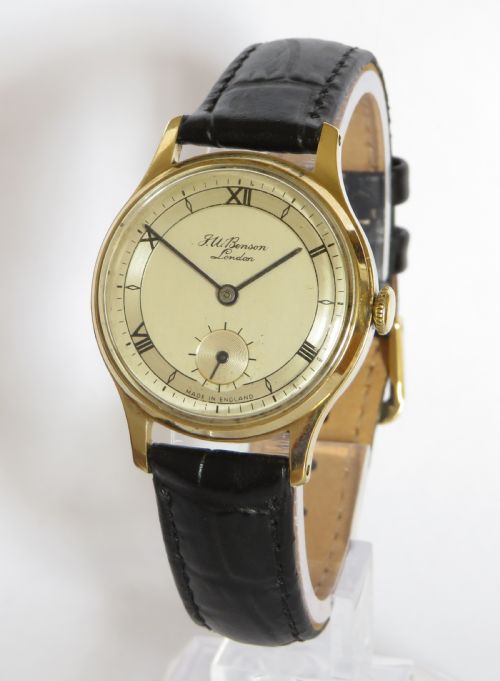
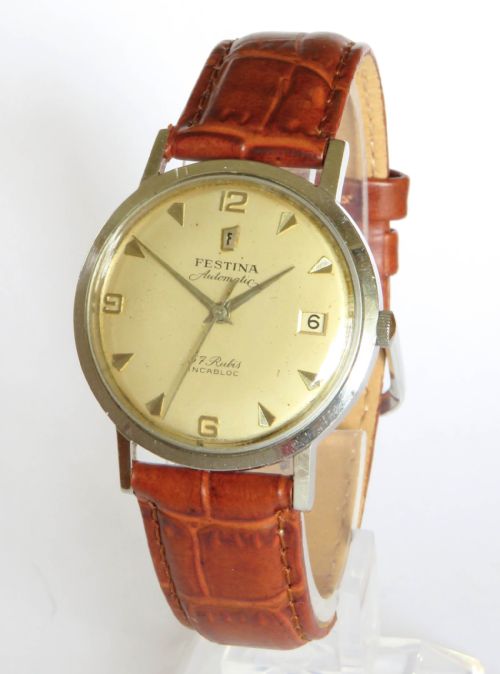
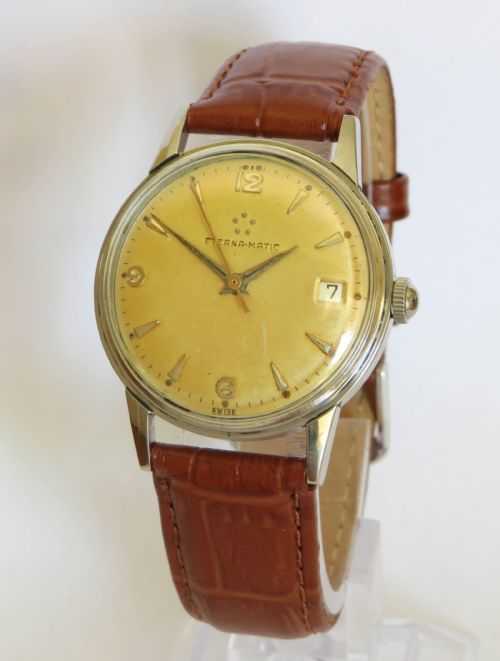
A 1950s mechanical watch brings mid-century horology to the wrist through traditional manual wind and automatic movements housed in classic steel, gold plate and solid gold cases.
1950s Mechanical Watch
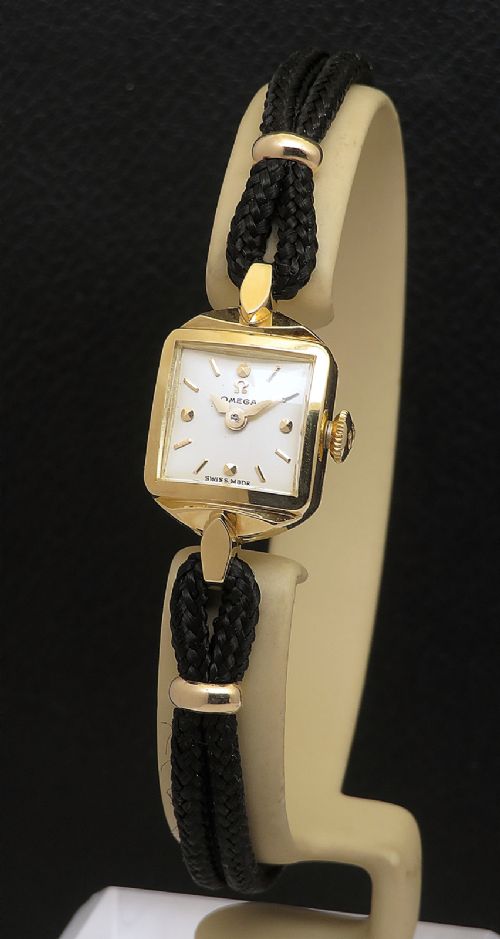
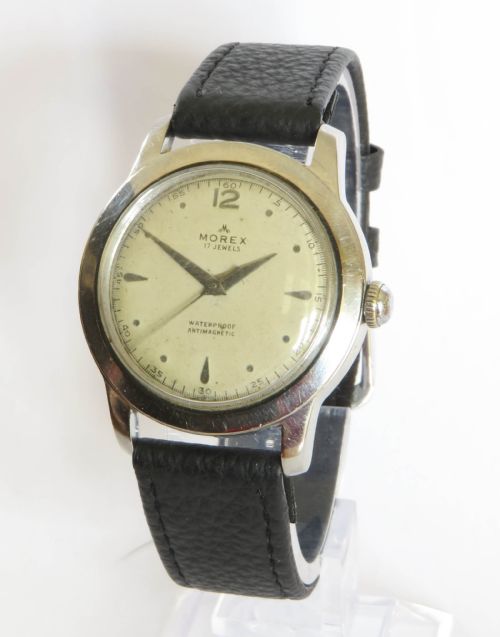
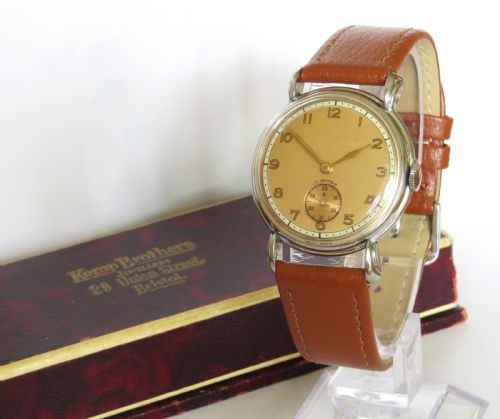
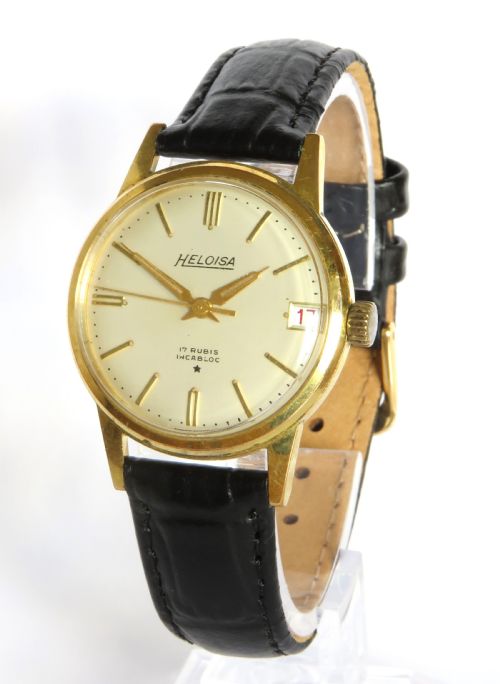
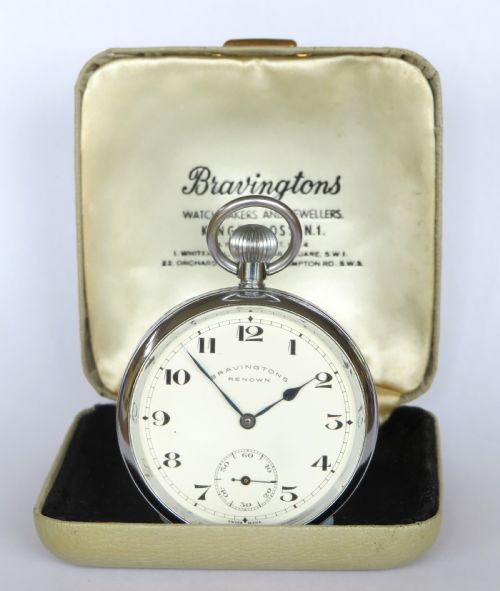
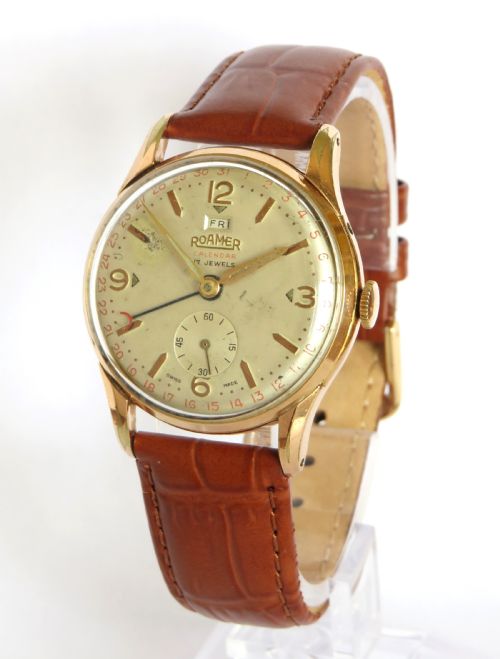
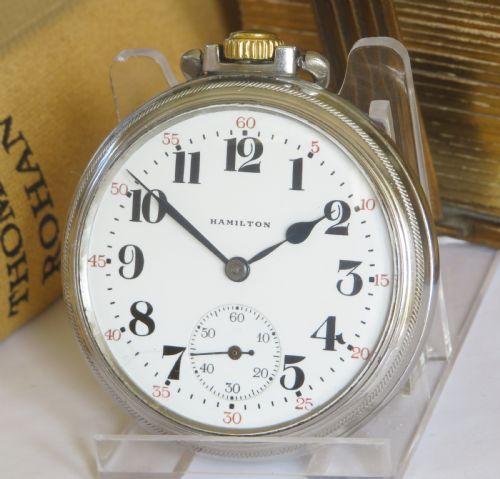
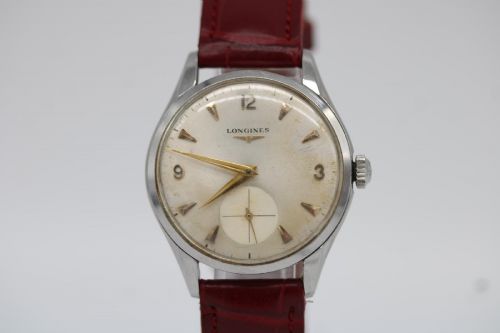
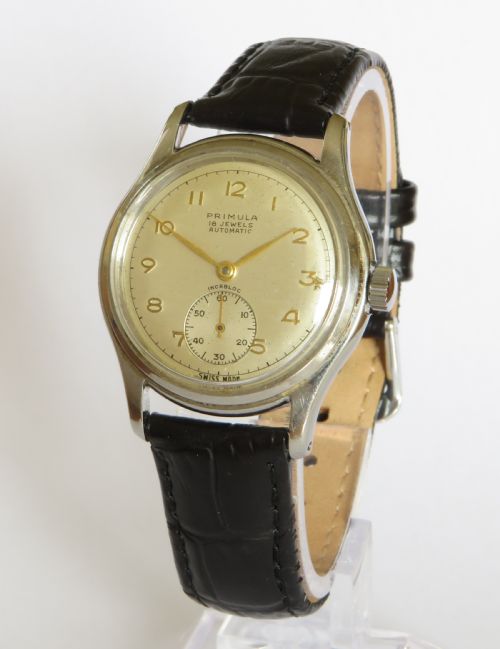
A 1950s mechanical watch primarily takes the form of a gents wristwatch, though ladies cocktail watches and pocket watches also appear. These timepieces stem from the mid-century period, spanning the 1940s, 1950s and 1960s.
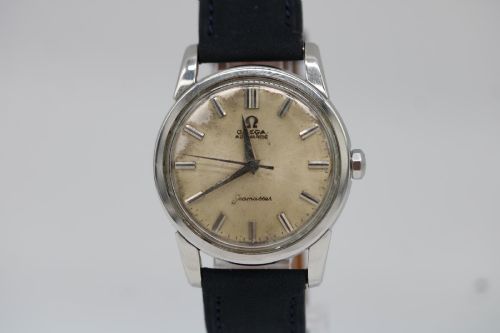
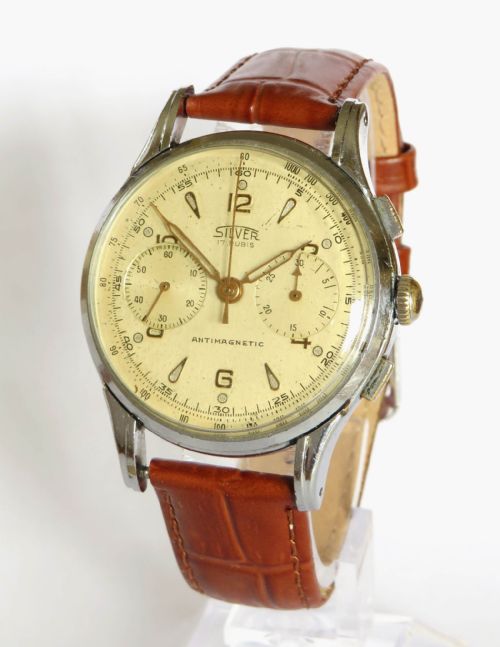
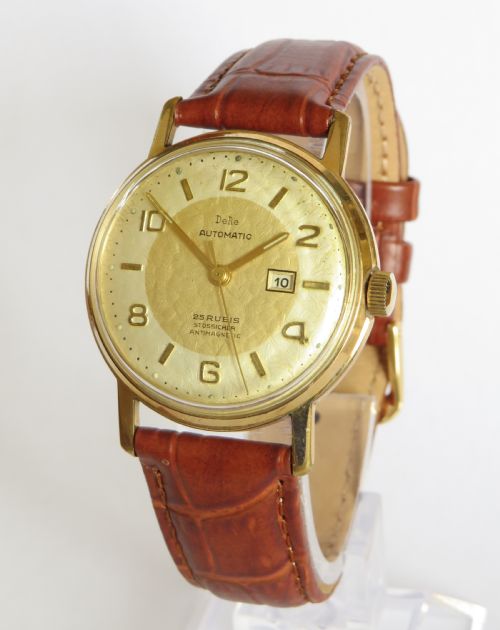
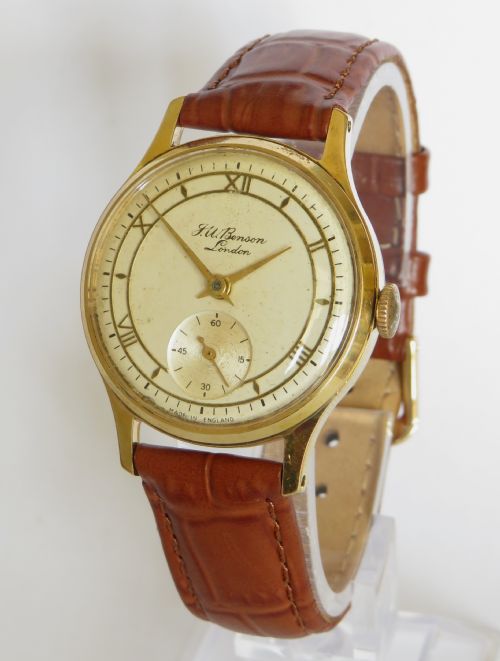
The selection ranges from simple everyday timekeepers by makers such as Smiths and Rotary to sophisticated chronographs, calendar models and automatic Seamaster watches by Omega. Swiss production dominates the selection, sitting alongside British-market pieces.
Many examples arrive with specific dial variations, such as honeycomb patterns or black dials, and certain pieces retain their original boxes.
Materials and construction
Cases are formed from stainless steel, chrome, gold plate, 9ct gold, and solid 18ct gold, paired with glass or acrylic crystals to protect the dial. Straps utilise leather to secure the watch to the wrist.
Internal movements rely on traditional mechanical engineering, incorporating manual wind calibres and automatic winding systems with numerous jewels. Specialised travel fob purse watches also integrate precious metal cases with folding leather outer covers.
Several watches include travel fob purse designs that fold neatly into protective leather jackets for pocket use.
Distinctions in quality
Quality rests upon the refinement of the movement inside, such as proprietary automatic calibres from established watch houses compared to standard mass-produced mechanical movements. The choice of external metal, from base chrome up to solid 18ct gold, sets the tier of the piece.
Originality of components, condition of the dial, and the presence of original presentation boxes further separate standard wristwatches from high-grade collector items.
Omega·Smiths·Longines·Cyma·Roamer·Eterna Matic·Wittnauer·Hamilton
The 1950s Mechanical Watch Glossary
- Mechanical watch
- A timepiece powered by a mainspring that is wound by hand or via an automatic rotor rather than a battery.
- Automatic watch
- A self-winding mechanical watch that uses the natural motion of the wearer's arm to keep the mainspring wound.
- Chronograph
- A watch equipped with a stopwatch function alongside the standard time-displaying hands.
- Calibre
- The specific manufacturer's model designation for the internal movement of a watch.
- Acrylic
- A transparent plastic material utilised for watch crystals prior to the widespread adoption of synthetic sapphire.
- Fob watch
- A small pocket watch designed to be attached to a chain or tucked into a tailored pocket or purse.
1950s Mechanical Watch: Frequently Asked Questions
How do I wind a manual watch?
Wind the crown clockwise between your thumb and forefinger until you feel gentle resistance. Stop immediately at that point to avoid over-winding and damaging the internal mainspring.
Most vintage mechanical pieces require a daily wind to maintain accurate timekeeping throughout the day.
Are these watches waterproof?
Vintage timepieces from this era lack modern rubber gaskets and screw-down sealing technology. Exposure to moisture, rain, or humidity can easily damage the delicate internal steel components and ruin the dial.
Keep the watch away from water entirely to preserve its mechanical and aesthetic condition.
How do I date a watch?
Dating relies on movement serial numbers, case hallmarks, dial typography, and reference numbers recorded by the manufacturer. British import marks and gold hallmarks can also pinpoint the exact year a precious metal case was assayed.
Comparing these details against factory archives provides the correct production period.