


Silver Case Watch
When you search for a silver case watch, you uncover a diverse array of pocket watches, trench watches, and travel timepieces housed in precious metal.
Silver Case Watch
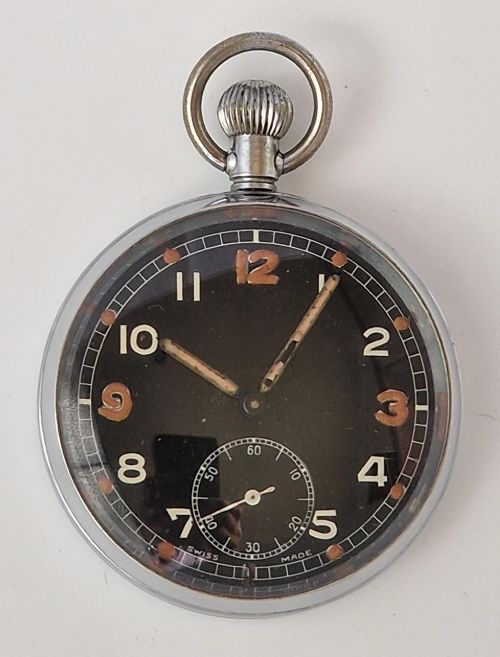
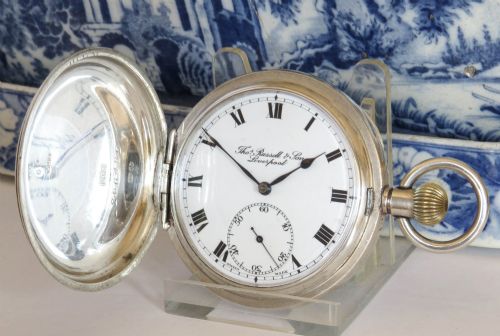
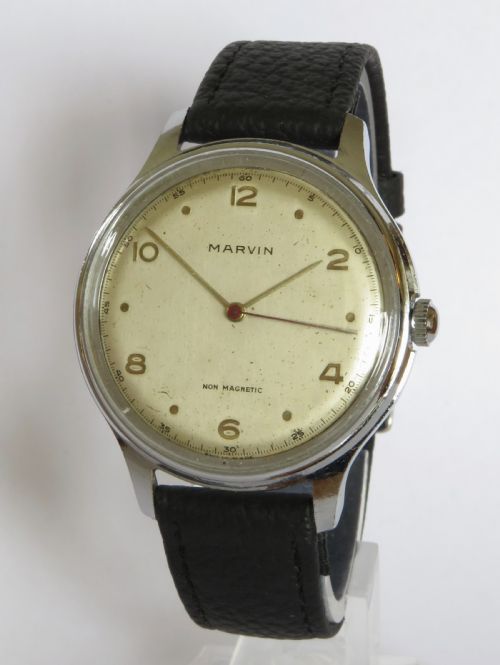
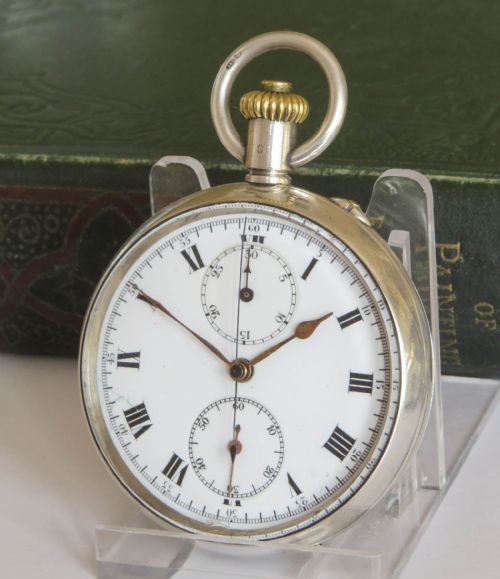
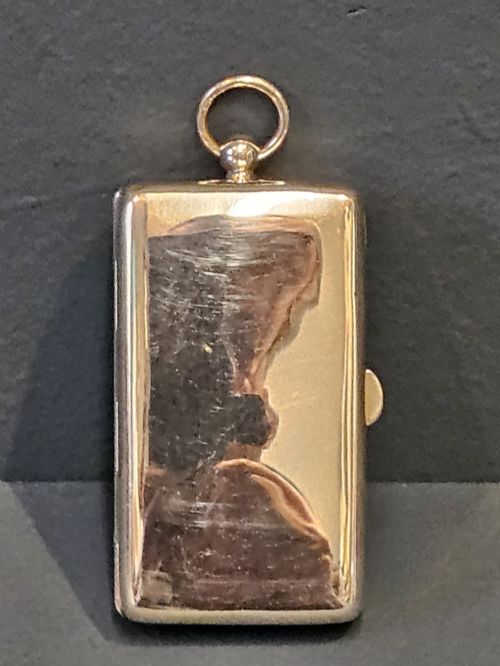
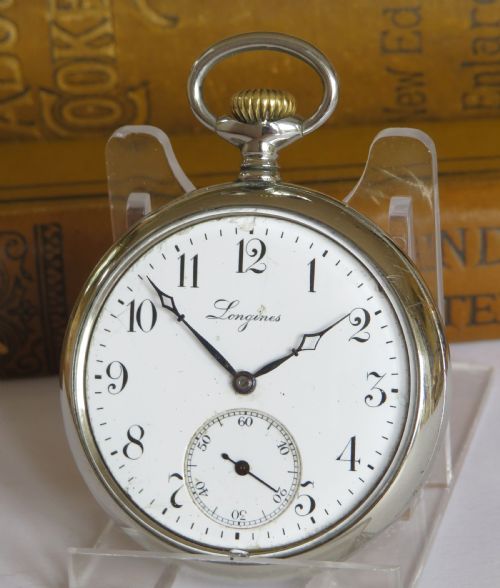
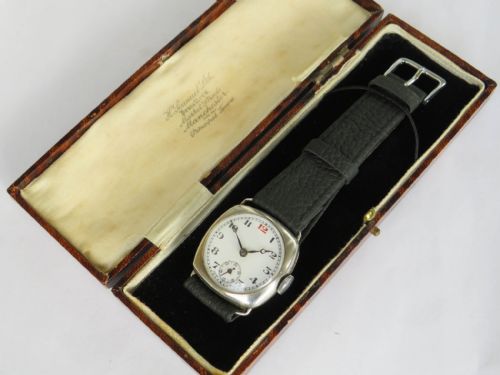
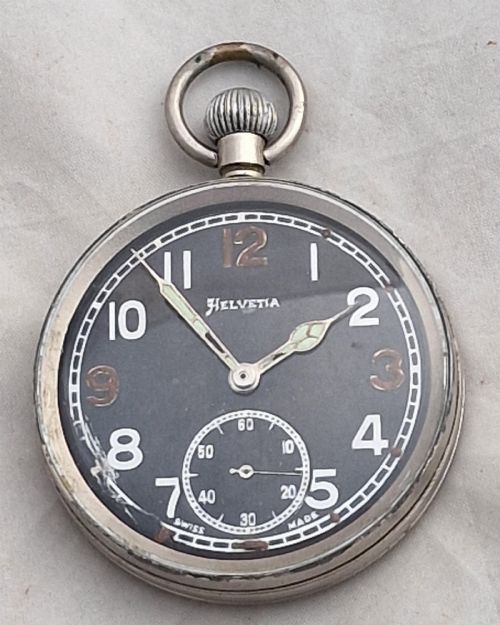
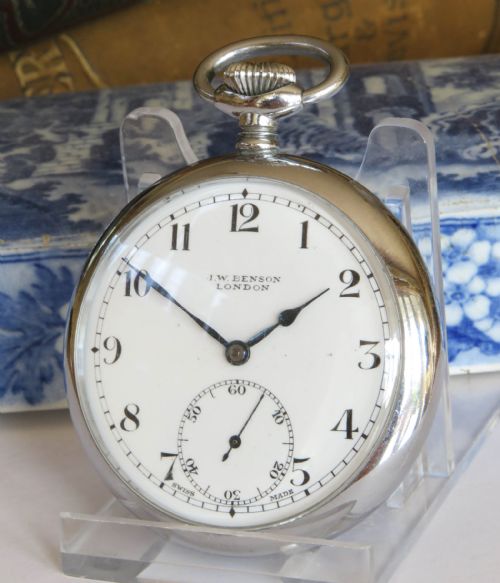
A silver case watch encompasses a broad range of horological items, spanning from early eighteenth-century pair cased verge pocket watches to mid-century wristwatches and specialised travel clocks. Buyers exploring this category frequently encounter Edwardian and Victorian pocket watches, alongside military trench watches from the early twentieth century fitted with robust silver protective housings.
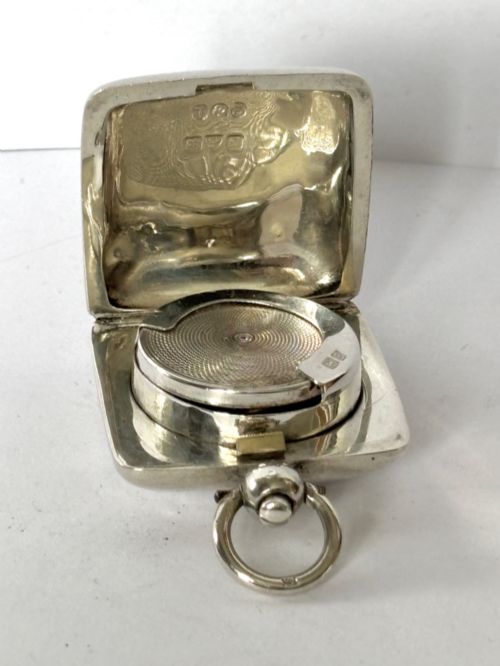
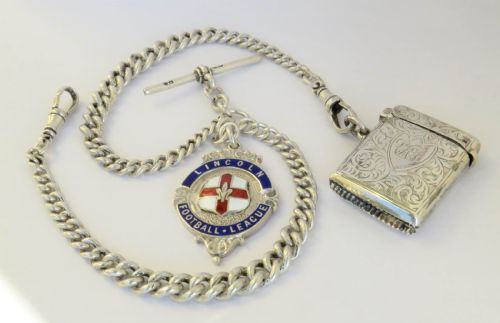
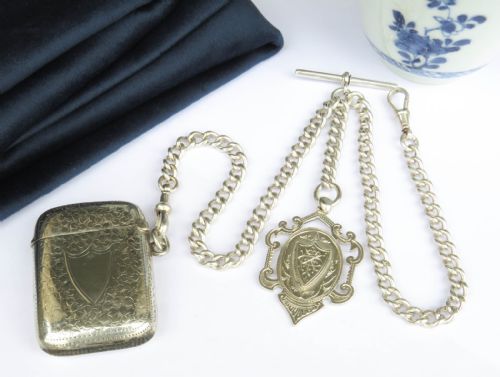
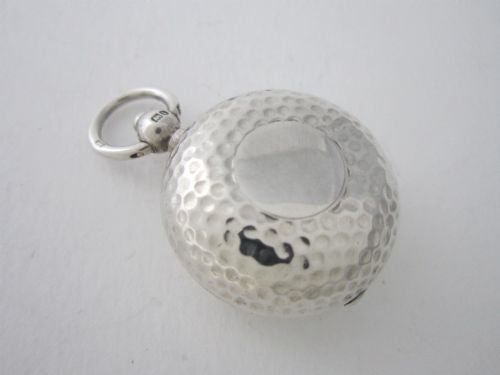
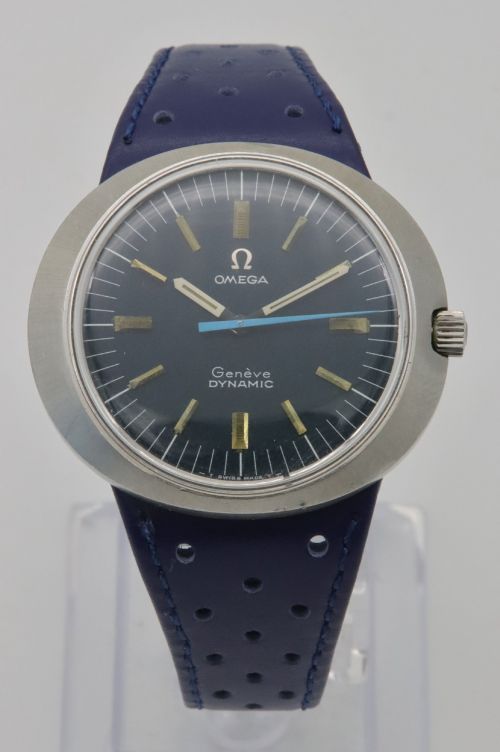
The selection also extends to associated pocket watch accessories frequently paired with these timepieces, such as silver watch chains, vestas, and sovereign cases. Pieces range from simple utilitarian designs by makers like Waltham and Omega to ornate full hunter pocket watches and decorative enamel fob watch cases.
Materials and construction
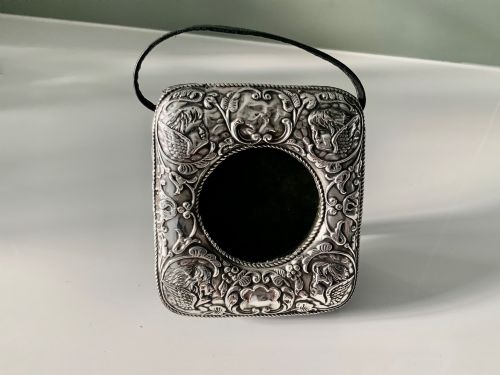
The primary material defining these objects is sterling silver or standard silver, often hallmarked for assay offices in cities such as Birmingham and London to denote purity and date. Cases were fashioned using various techniques, including solid silver construction, repoussé ornamentation, niello work, and specialised screw-front waterproof designs pioneered by makers like Borgel.
Movements housed within these silver shells relied on traditional mechanical craftsmanship, encompassing verge fusee escapements in Georgian examples through to Swiss lever and automatic movements in later twentieth-century specimens. Components frequently incorporated glass crystals, enamel dials, and occasionally supplementary leather or glass travel cases.
Silver Case Watch Retail Price Guide 2026
Typical asking prices for silver case watch among the pieces listed under this phrase on Sellingantiques today, from the lower quarter to the upper quarter. They describe what is for sale here now, not the wider market.
Listings feature silver case watches spanning from the eighteenth century through the Edwardian, Victorian, and mid-century eras, incorporating stainless steel, glass, and enamel elements.
Variations in quality
Quality in a silver case watch is determined by the refinement of the movement, the integrity and hallmarks of the silver housing, and the overall state of preservation. Finer examples display crisp case engravings, unblemished enamel or painted dials, and high-jewelled movements signed by reputable makers.
The distinction between standard commercial output and superior tier pieces often rests in the complexity of the case design, such as pair cased configurations, heavy double sovereign cases, or specialised military adaptations with documented history.
Aaron Lufkin Dennison·Charles Frodsham·JW Benson·Mappin & Webb·Crisford & Norris
The Silver Case Watch Glossary
- Full hunter
- A pocket watch fitted with a spring-loaded metal cover that protects the dial from scratches and damage. The cover is released via a push-piece on the crown.
- Pair cased
- An older pocket watch design utilising two separate enclosing cases, where the inner movement container fits snugly inside an outer protective shell. This method was common in the eighteenth and nineteenth centuries.
- Vesta case
- A small pocket container specifically designed to hold matches, frequently fashioned from silver and often paired alongside watch chains and sovereign holders.
- Verge fusee
- An early mechanical movement type incorporating a fusee cone and chain to ensure even power delivery to the escapement as the mainspring winds down.
- Borgel case
- A screw-together watch case design created to offer superior protection against dust and moisture, widely utilised for early wristwatches and trench watches.
Silver Case Watch: Frequently Asked Questions
How do pair cased pocket watches work?
Pair cased pocket watches use two distinct layers of protection, consisting of an inner case that holds the actual movement and dial, which then slides into a slightly larger outer case. The outer case often bears matching hallmarks and provided an extra barrier against daily wear.
This construction method was standard practice during the Georgian and eighteenth periods, helping to safeguard fragile verge fusee movements from dust and accidental drops.
How do I identify the date of a silver watch?
Dating a silver watch relies primarily on the official hallmarks stamped into the metal case by the assay office, which indicate the exact year of manufacture and city of origin. Stylistic clues such as dial typography, hand shapes, and case forms also help narrow down the production era.
In many instances, movement serial numbers can be cross-referenced against historical maker records to pinpoint the exact year the piece left the workshop.
Can I wear a vintage silver pocket watch daily?
Wearing a vintage silver pocket watch daily is entirely feasible provided the mechanical movement is serviced regularly by a professional horologist. Care should be taken to wind the piece gently and avoid exposure to moisture, particularly with older non-waterproof models.
Pairing the watch with a secure silver chain or vesta case helps prevent accidental drops while carrying it in a waistcoat or jacket pocket.