
Retro Gold Wristwatch
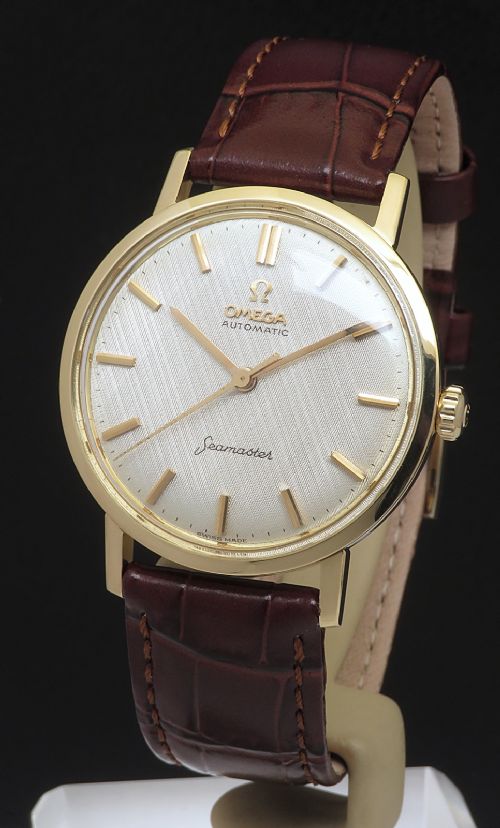
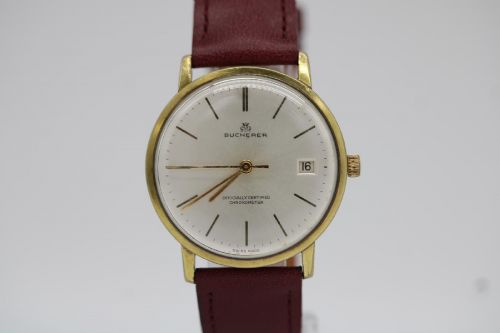
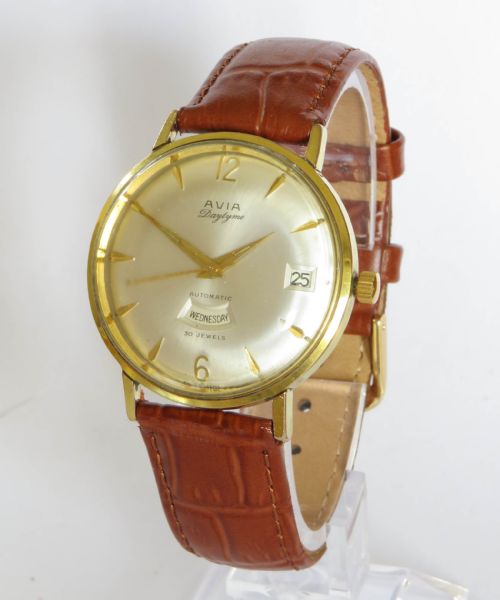
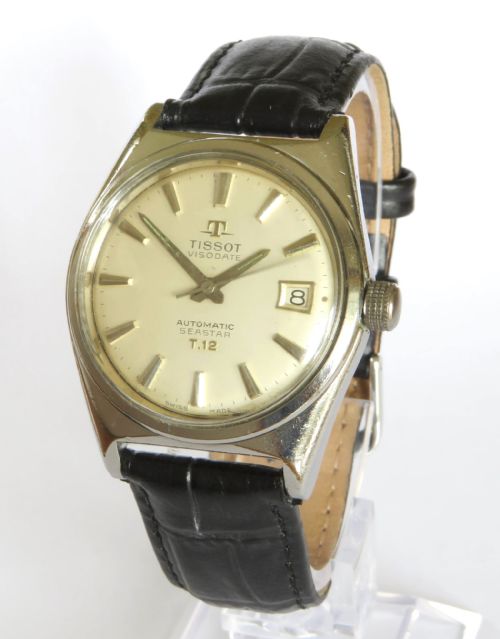
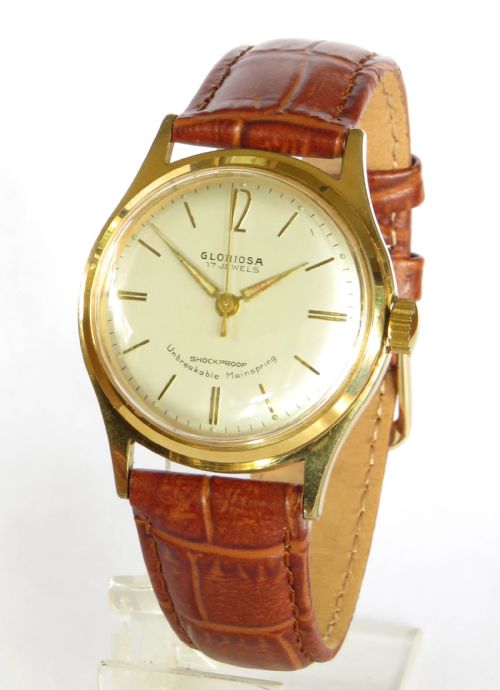
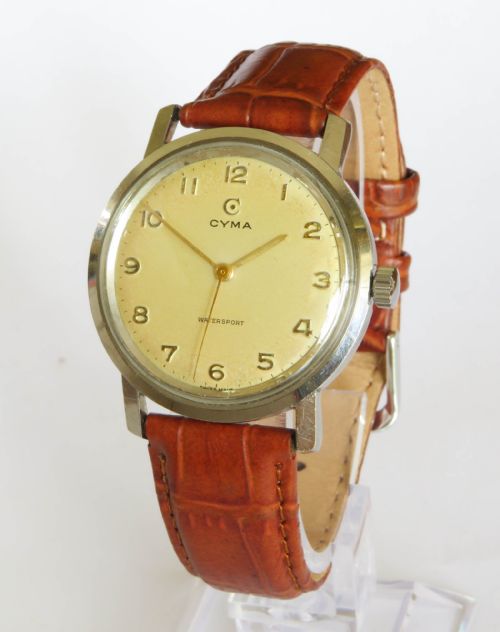
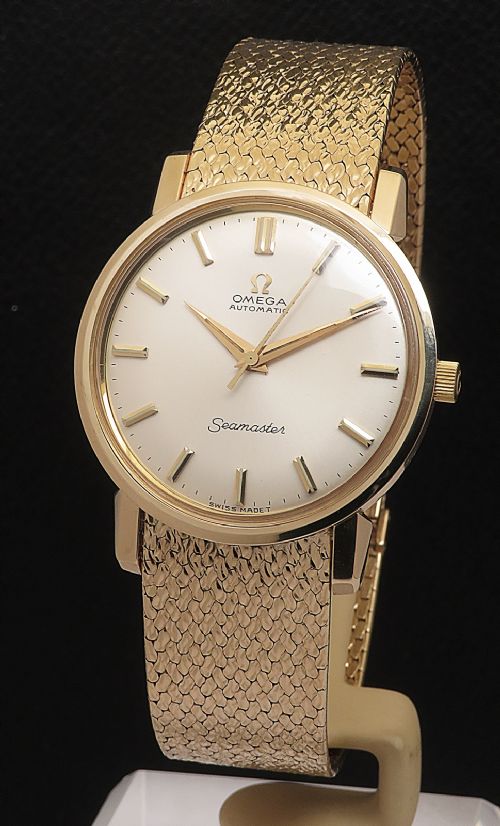
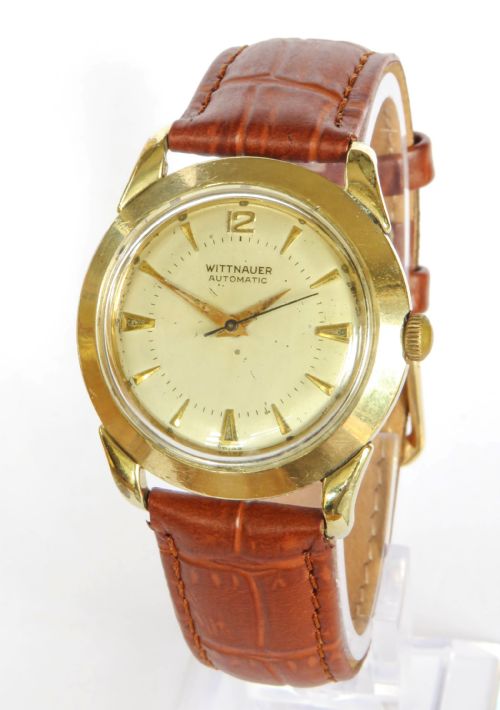
A retro gold wristwatch brings mid-century horology directly to the wrist with genuine period character and solid metal cases.
Retro Gold Wristwatch
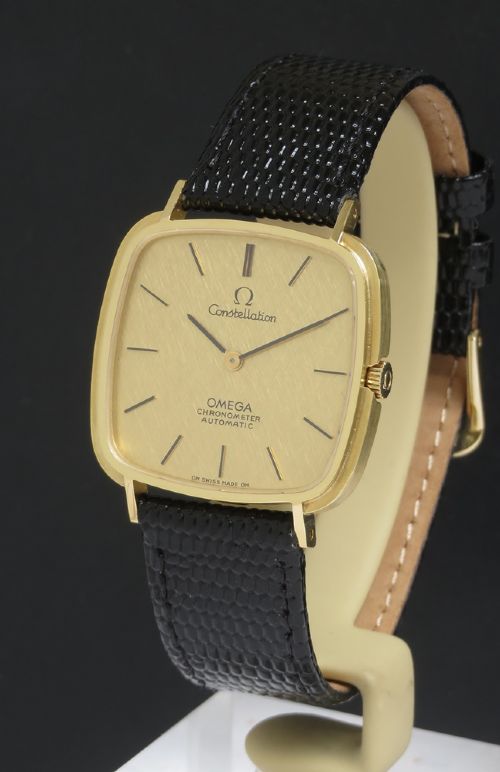
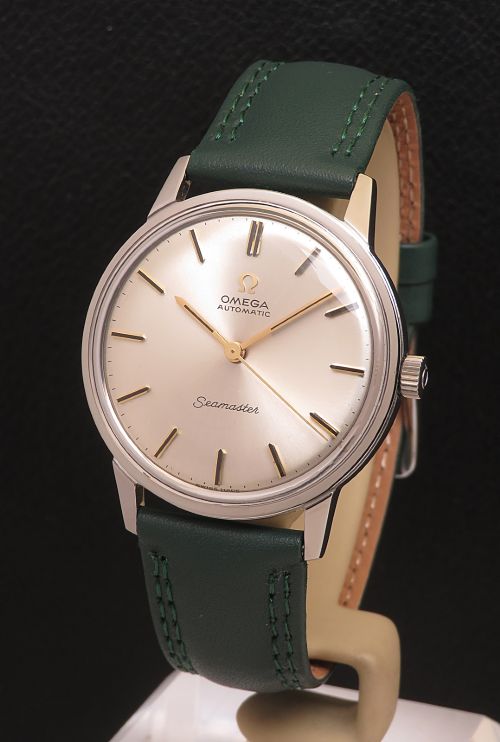
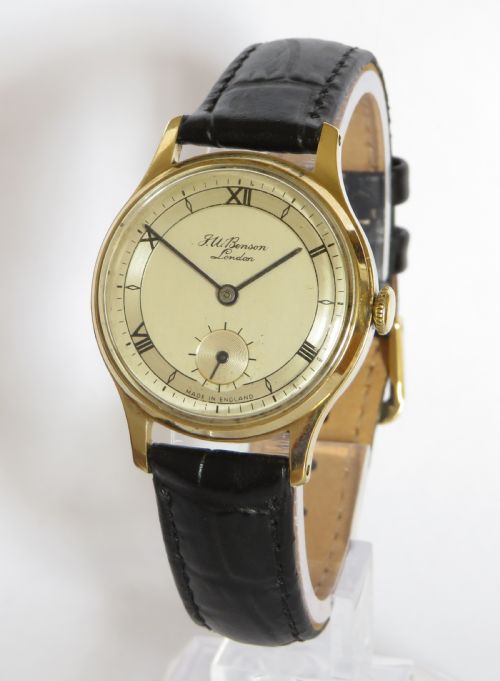
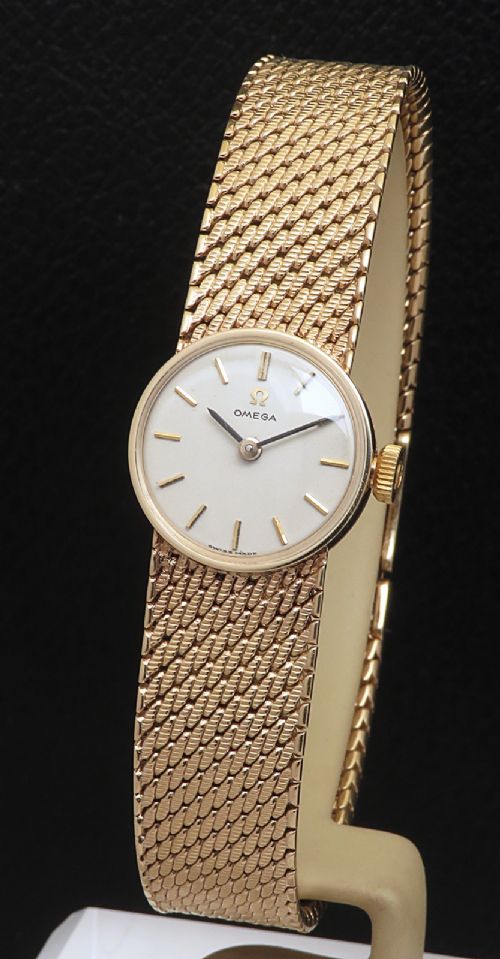
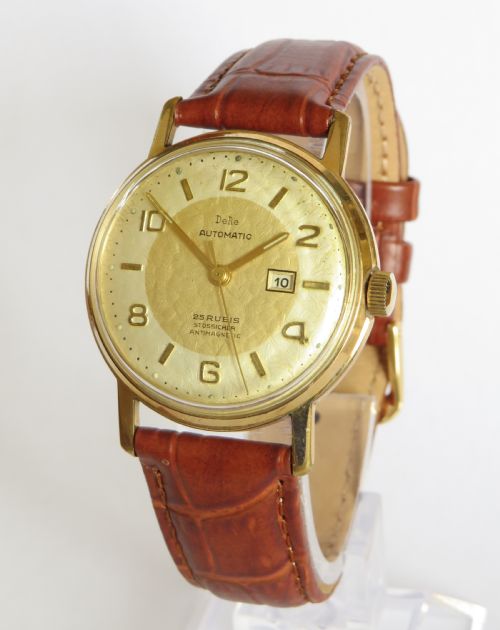
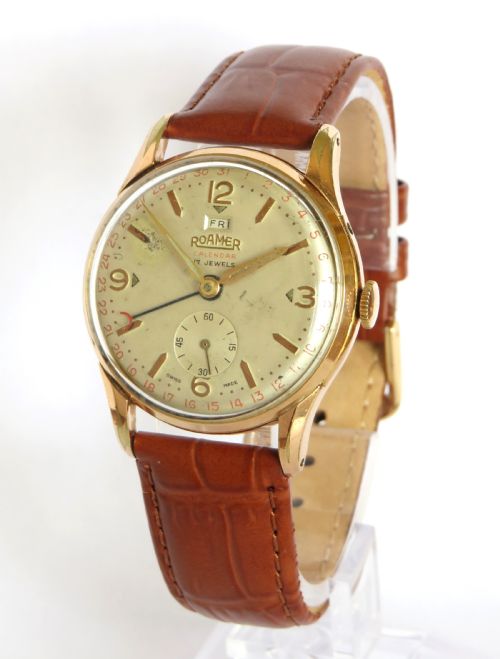
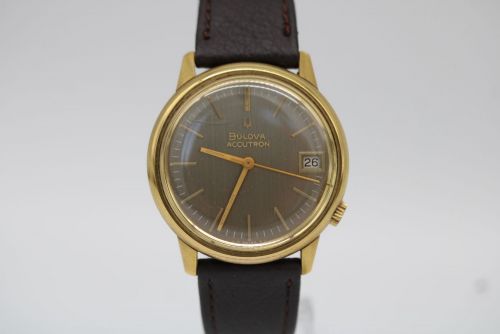
A retro gold wristwatch spans mid-century designs produced across the 1940s, 1950s, and 1960s, drawing on Mid-Century Modern and Art Deco styles. These timepieces appear as men's and ladies' models, encompassing simple dress watches, date indicators, and chronograph complications.
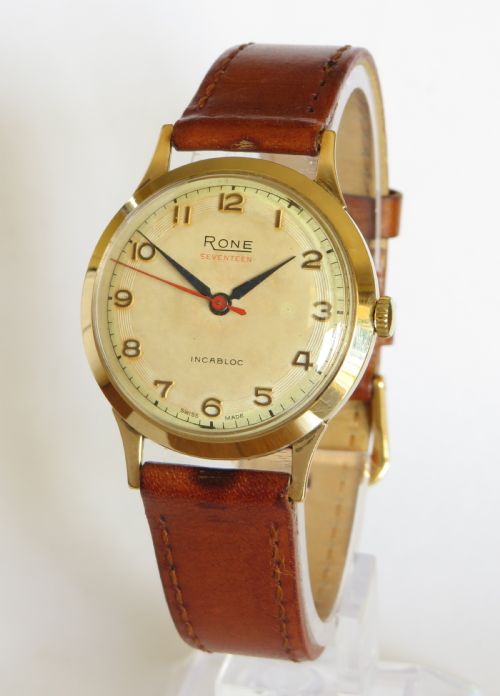
The pieces on this page are dominated by 1950s and 1960s productions from Swiss and British makers, utilising round and square cases. Buyers encounter everyday automatic movements alongside chronometer-certified pieces and cocktail designs set with diamonds.
How they were made
Cases combine solid 9ct gold, 18ct gold, 18ct white gold, and gold-plated metals, paired with leather straps and acrylic or acrylic glass crystals. Dials incorporate glass elements and specialist finishes like sunburst patterns.
Movements rely on mechanical ingenuity, utilising manual wind systems and automatic calibres containing jewel bearings, such as seventeen or twenty rubis. Chronographs and calendar mechanisms add mechanical complexity to the inner workings.
Materials range from stainless steel and leather to 9ct gold, 18ct gold, and gold plate.
What varies in quality
Quality separates instances by the preciousness of the metal and the pedigree of the internal movement, moving from gold-plated casings up to heavy solid 18ct gold constructions. Certified chronometers and models with original boxes and papers sit at the upper end of the scale.
The integrity of the dial and the inclusion of original components define the standing of individual watches. Unworn conditions and factory-original parts elevate an example above standard examples that have undergone replacement components.
Omega·Smiths·Bulova·Bucherer·Tissot·Cyma·Wittnauer·Certina·Avia·Eterna·Garrard·Mappin·Longines·Breitling·Accurist
The Retro Gold Wristwatch Glossary
- Chronometer
- A high-precision watch capable of carrying a certificate of accuracy from an official testing institute. These movements represent peak mid-century horological regulation.
- Chronograph
- A watch equipped with a stopwatch function alongside its standard timekeeping display. Sub-dials track elapsed seconds and minutes.
- Automatic
- A self-winding mechanical movement that uses the natural motion of the wearer's wrist to tension the mainspring. This removes the need for daily manual winding.
- Calendar
- A complication that displays the date, day, or month on the watch dial. Some advanced versions track the moonphase alongside the calendar days.
Retro Gold Wristwatch: Frequently Asked Questions
What is a retro gold wristwatch?
A retro gold wristwatch is a mechanical timepiece originating from the mid-twentieth century, featuring a case made from solid gold or gold plating. These watches capture the design aesthetics of the 1940s, 1950s, and 1960s.
They combine period craftsmanship with mechanical movements, offering an alternative to modern battery-powered timepieces.
How do I wind an automatic watch?
Automatic watches wind themselves through the movement of your arm during daily wear. If the watch has stopped completely, you give the crown a few manual turns to jumpstart the internal spring.
After that initial manual rotation, the internal weighted rotor maintains the power reserve as you move.
How do I identify the decade of a watch?
Decades are identified through a combination of case geometry, dial typography, and movement signatures. The 1950s often favoured understated dress watch dials, while the 1960s introduced bolder sunburst finishes and distinct date windows.
Maker archives and case serial numbers further pinpoint the exact year of production.