
Swiss Automatic Timepiece
A swiss automatic timepiece brings together mid-century horology and mechanical ingenuity, offering wristwatches shaped by decades of Swiss craftsmanship.
Swiss Automatic Timepiece
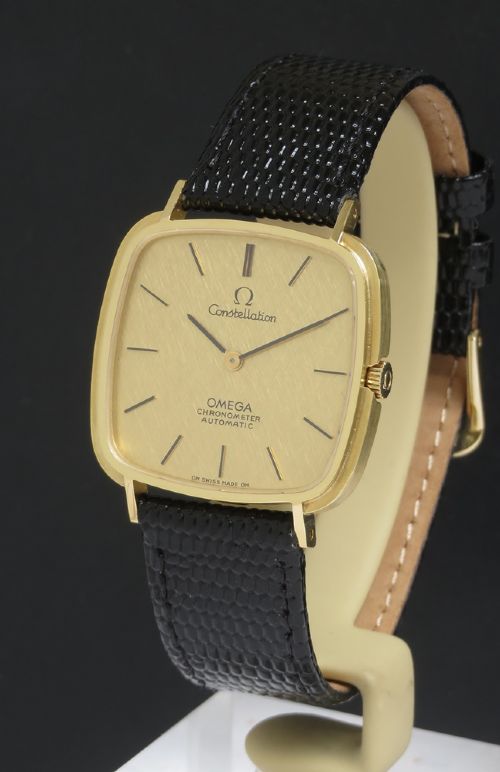
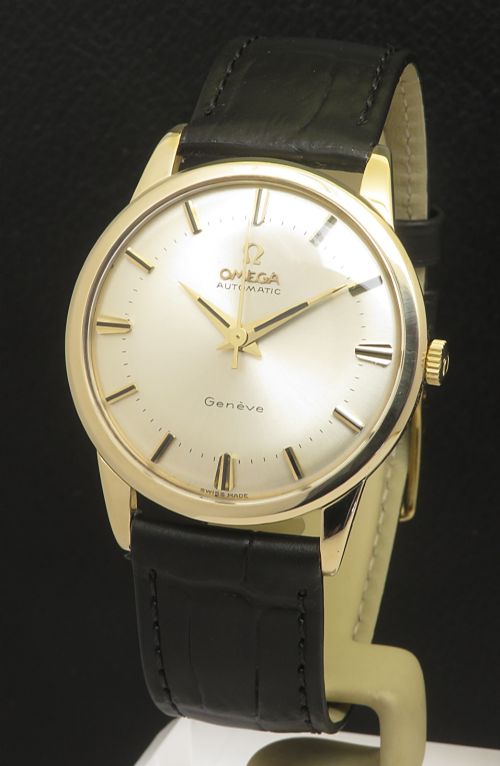
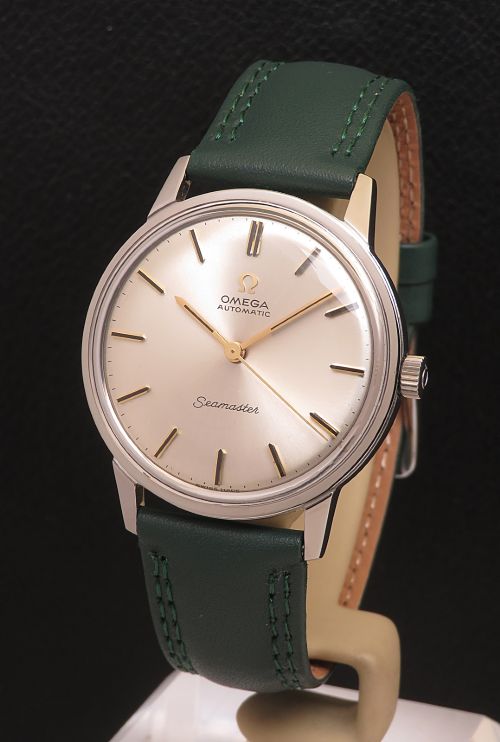
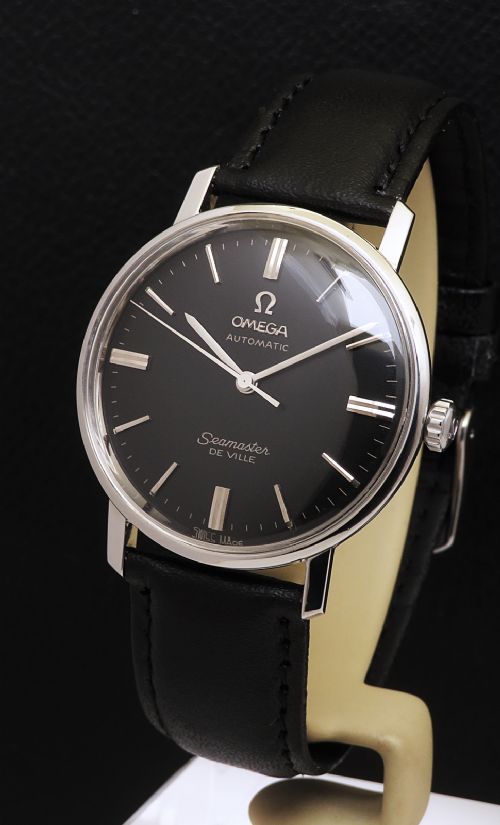
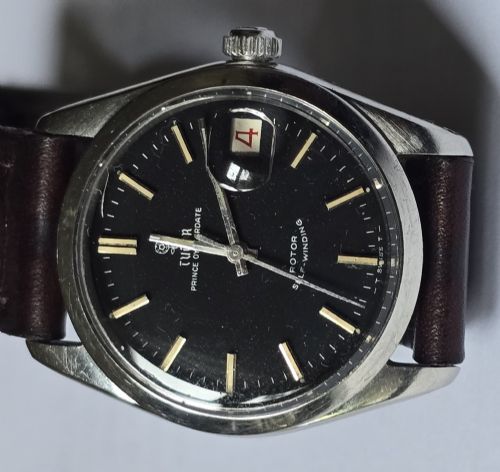
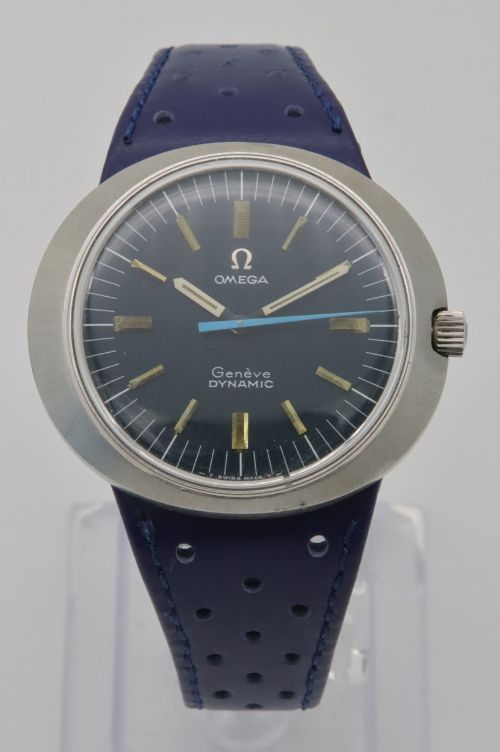
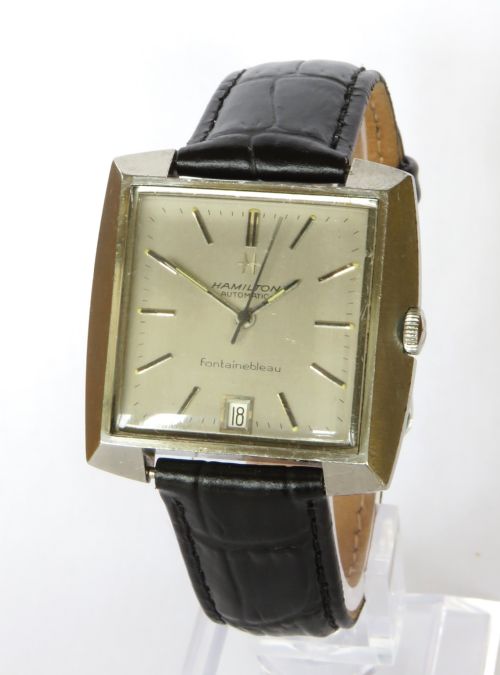
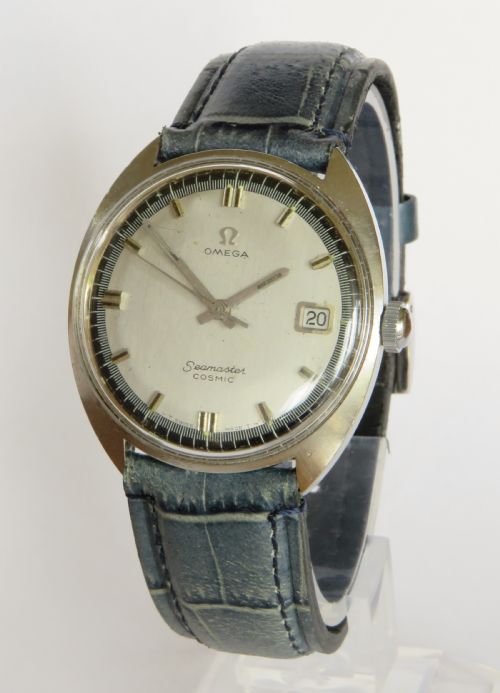
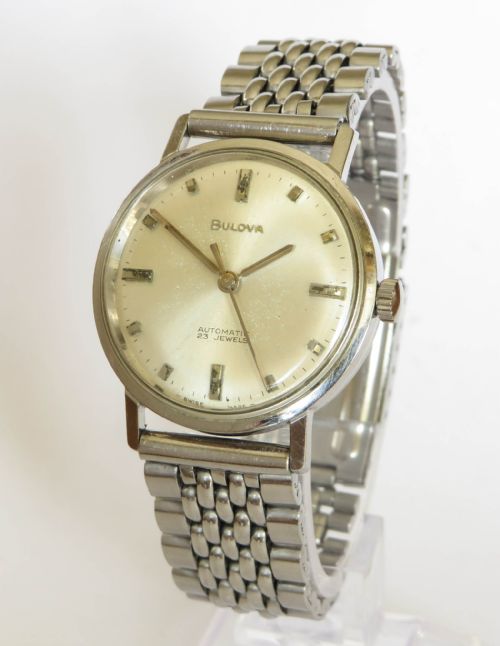
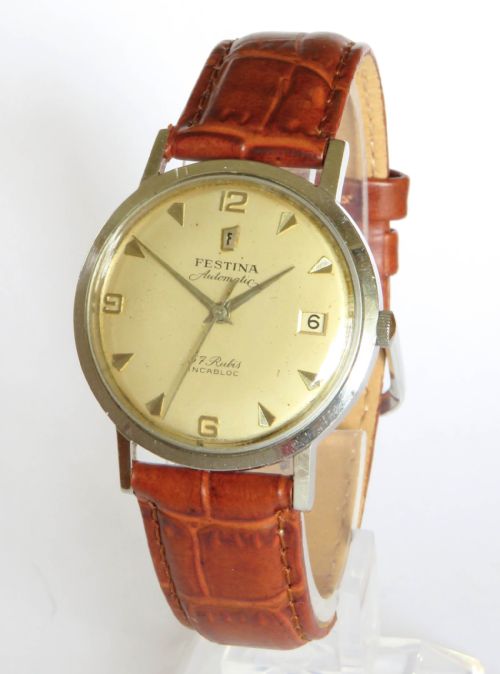
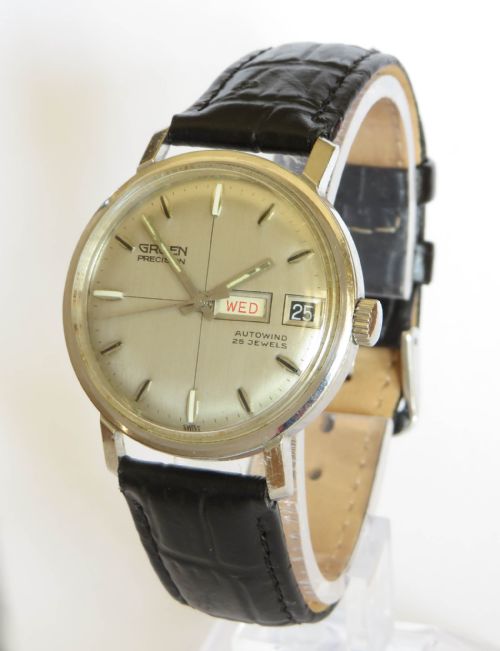
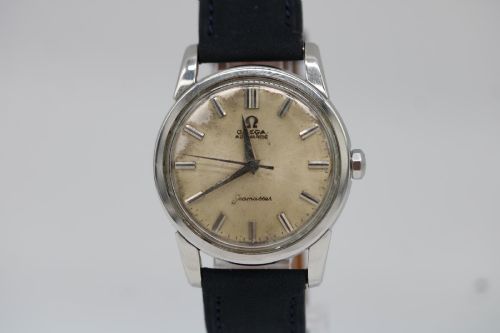
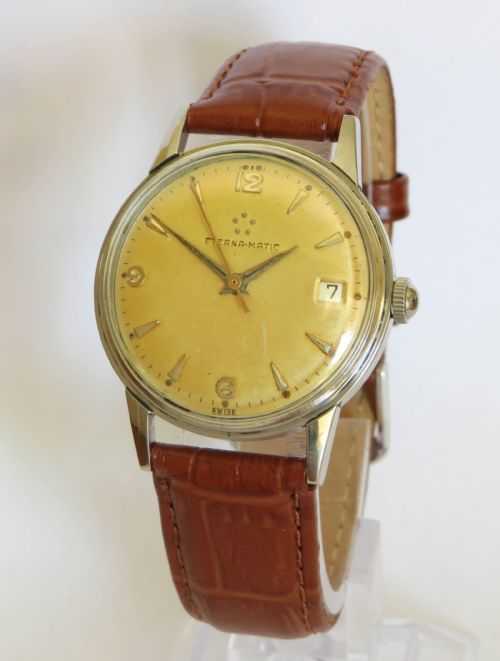
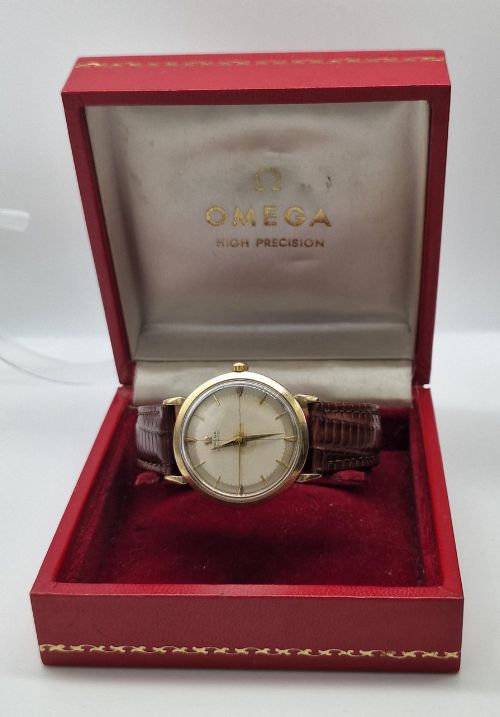
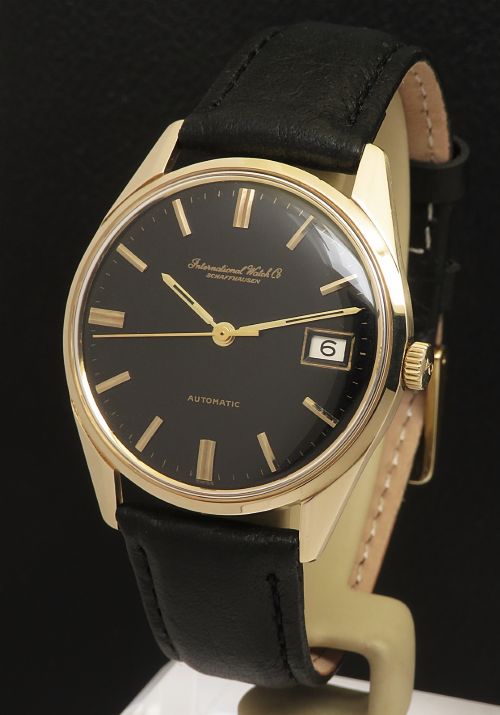
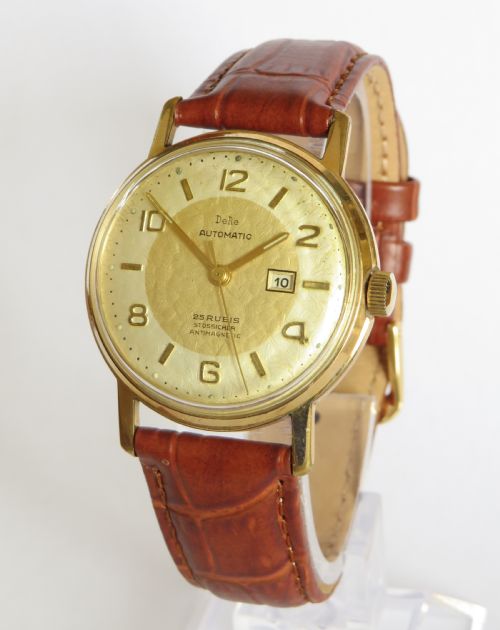
When searching for a swiss automatic timepiece, collectors encounter wristwatches primarily dating from the 1940s, 1950s, and 1960s. These pieces span Mid-Century Modern and 1970s Retro styles, originating from renowned Swiss workshops and makers.
The most common versions met on this page are mid-century gentleman's wristwatches housed in stainless steel, gold plate, or solid 9ct and 18ct gold cases. Forms range from dress watches with simple dials to robust chronometers and day-date models.
These items represent an era when mechanical self-winding movements replaced manual winding, utilising the natural motion of the wearer's wrist to power the mechanism.
Materials and movement construction
Cases are formed from durable stainless steel or cast in precious metals including 9ct gold, 18ct gold, and gold plate, paired with leather straps and acrylic or acrylic glass crystals. Dials are finished with glass covers and detailed with metallic markers.
Internal movements rely on intricate mechanical calibres driven by an internal oscillating weight, known as a rotor or bumper, which winds the mainspring automatically during daily wear.
Swiss Automatic Timepiece Retail Price Guide 2026
Typical asking prices for swiss automatic timepiece among the pieces listed under this phrase on Sellingantiques today, from the lower quarter to the upper quarter. They describe what is for sale here now, not the wider market.
Listings feature pieces from the 1940s, 1950s, and 1960s, constructed in stainless steel, gold plate, and solid 9ct or 18ct gold.
Distinctions in horological quality
Superior quality in a swiss automatic timepiece is defined by the precision and complexity of the movement, such as chronometer certification and high-jewel calibres. Solid precious metal cases and original factory-signed components elevate a piece above standard plated models.
Preservation of original dial details, case geometry, and accompanying documentation like boxes and papers distinguish exceptional examples from heavily restored or modified specimens.
Omega·Tudor·Hamilton·Bulova·Festina·Gruen·Eterna·IWC·Bucherer·Avia·Primula·Wittnauer·Longines·Prisma·Consul
The Swiss Automatic Timepiece Glossary
- Automatic
- A self-winding mechanical movement that uses a weighted rotor to wind the mainspring using the wearer's wrist movements.
- Chronometer
- A high-precision watch that has been tested and certified to meet strict accuracy standards over various temperatures and positions.
- Calibre
- The specific internal movement design and model created by the watch manufacturer.
- Bumper
- An early type of automatic movement where the rotor swings back and forth against springs rather than rotating fully 360 degrees.
- Acrylic Glass
- A lightweight, shatter-resistant transparent plastic material commonly used for watch crystals during the mid-century period.
Swiss Automatic Timepiece: Frequently Asked Questions
How do swiss automatic watches wind themselves?
These watches contain an internal weighted rotor that pivots when the wearer moves their arm. This kinetic motion tightens the mainspring, keeping the mechanical movement running without a battery.
Most vintage pieces also retain the ability to be wound manually via the crown if the watch has been stationary for an extended period.
What is the difference between a bumper and a rotor movement?
Bumper movements represent an earlier automatic design found mostly in 1940s and 1950s models, where a weighted arc swings back and forth against buffer springs. Full rotor movements allow the weight to spin a complete circle in either direction.
Both systems achieve self-winding functionality, though bumper movements offer a distinct physical pulse on the wrist when the internal weight moves.
Are mid-century watches waterproof?
Vintage timepieces from the mid-century period should generally not be exposed to water or moisture. Gaskets, seals, and crown designs from the 1940s to 1960s degrade over decades and lose their original water resistance.
Even models designated as waterproof or dive watches require professional pressure testing and new seals before encountering moisture.