
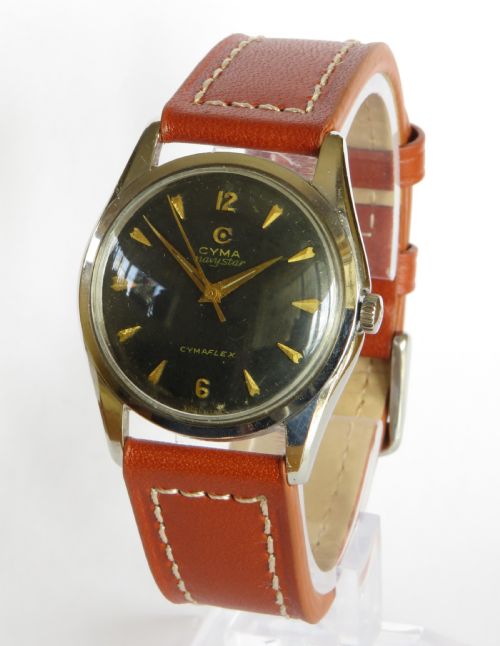
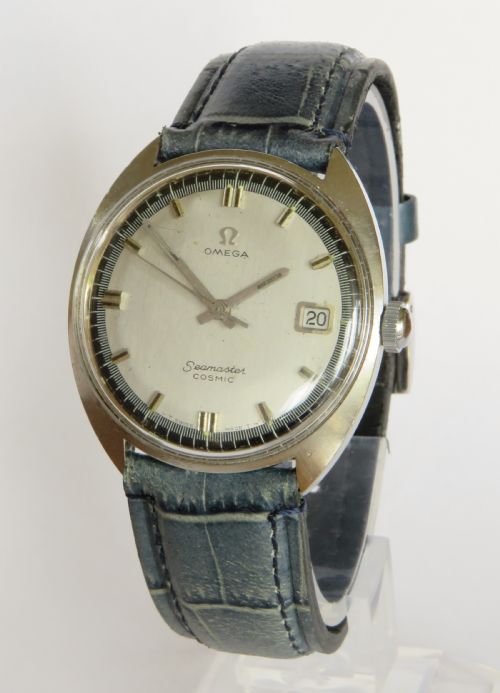
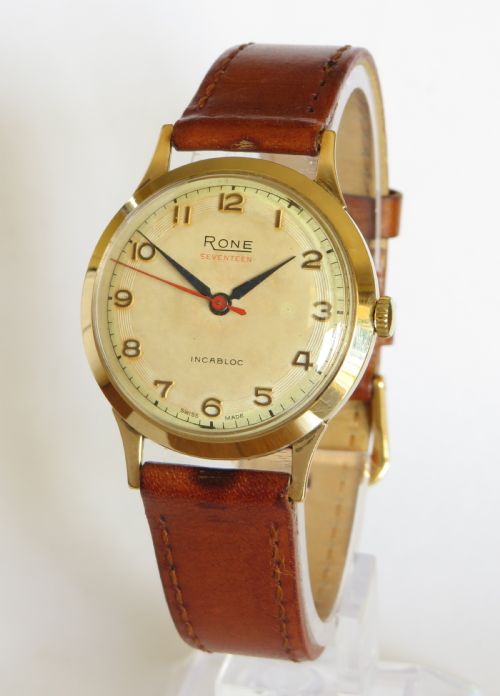
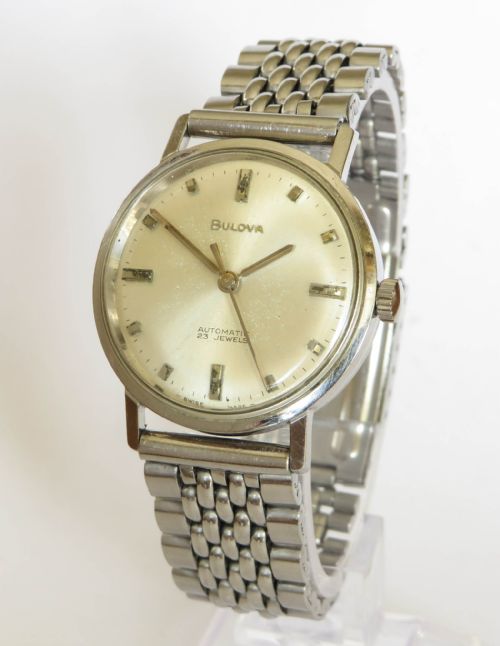
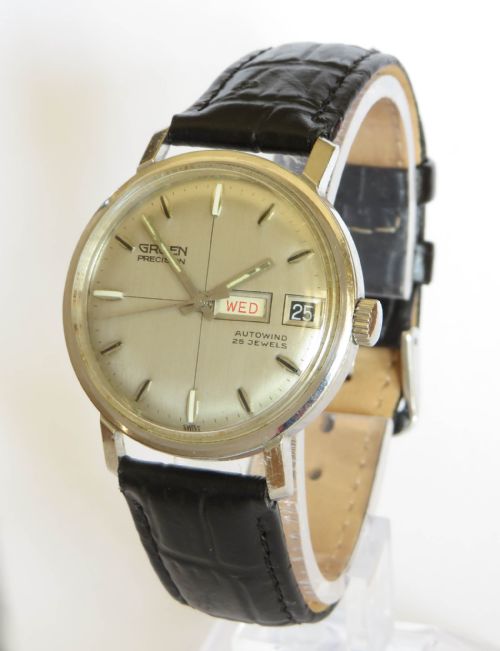
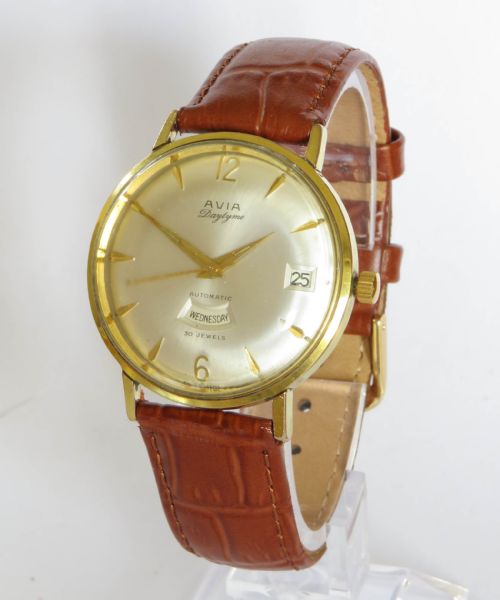

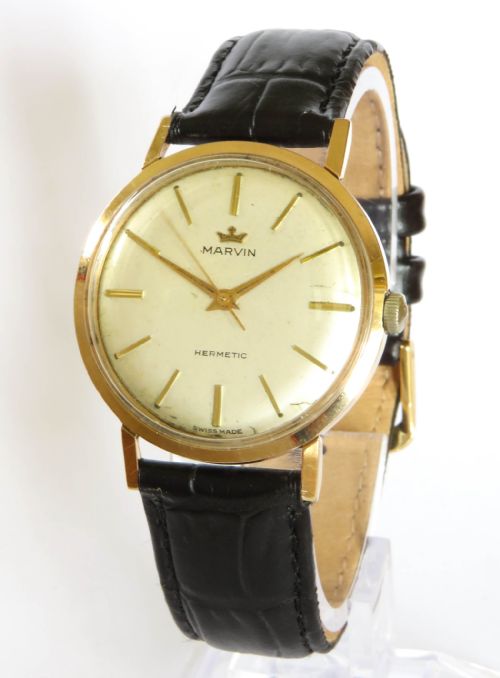
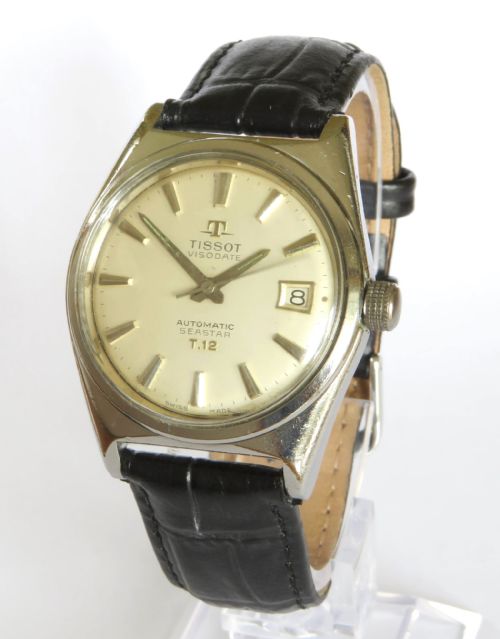

1960s Gents Watch
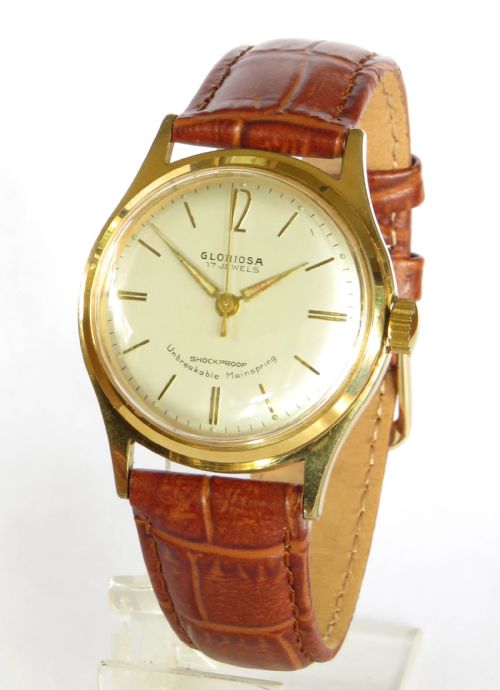
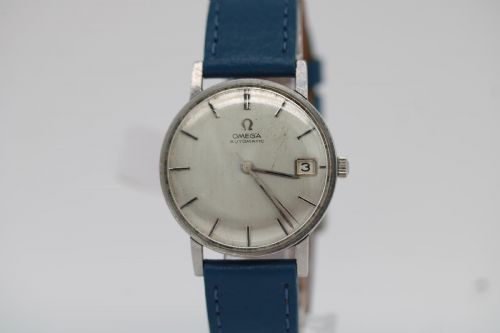
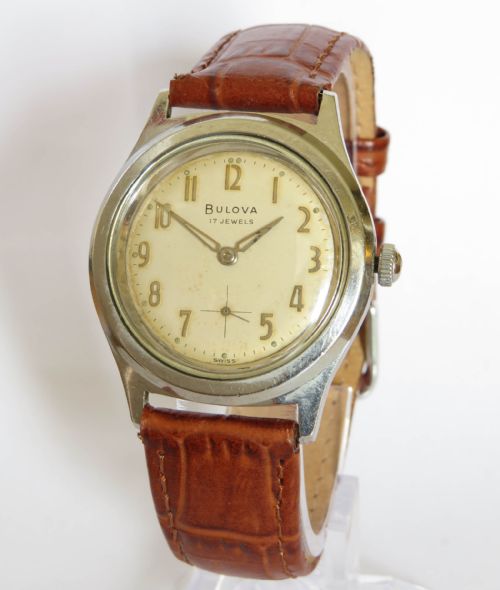
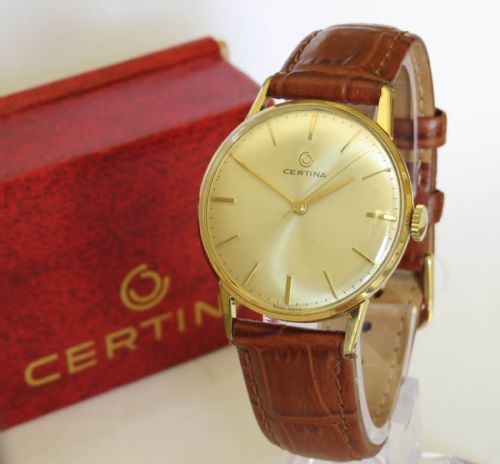
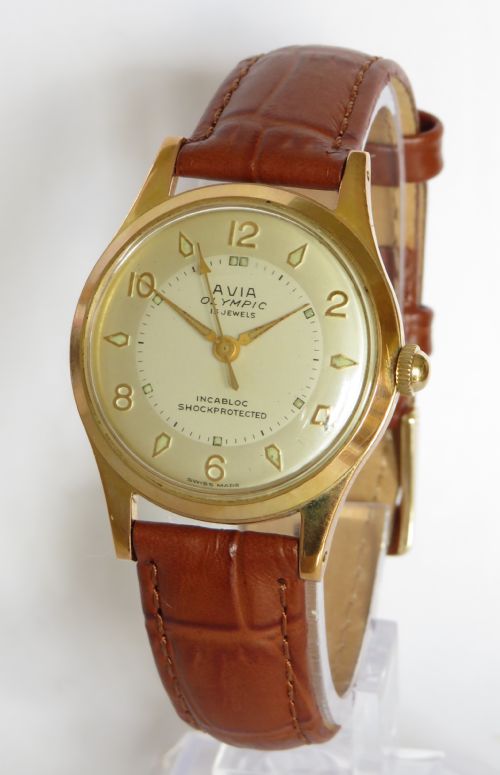
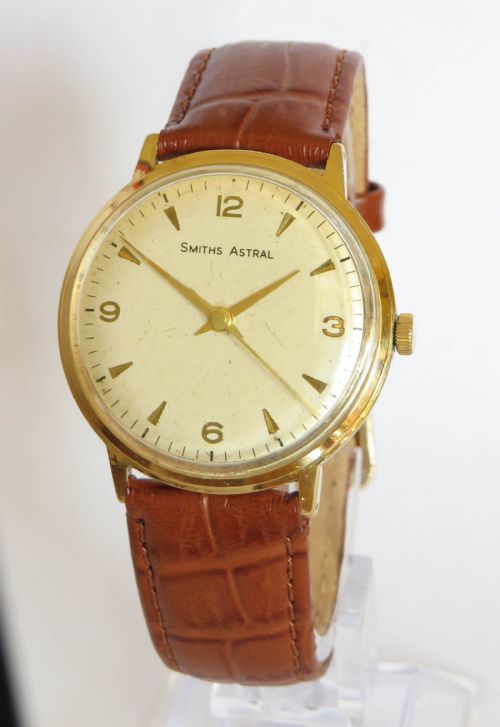
A 1960s gents watch delivers the clean lines and mechanical integrity of mid-century design straight to the wrist.
1960s Gents Watch
A 1960s gents watch encompasses wristwatches produced primarily during the mid-century period, reflecting the design shifts of the era. Buyers encounter mechanical and automatic timepieces spanning simple daily wearers to specialised chronographs.
The most common examples on this page are round or shaped steel and gold-plated wristwatches bearing established Swiss and British maker names. These range from straightforward three-hand models to date-display variants.
Pieces from this decade often display minimalist dials, slender baton markers, and durable cases designed for practical daily use. Mid-century modern aesthetics heavily influence the typography and case geometry found across these items.
How these watches were constructed
Manufacturers utilised stainless steel, 9ct gold, and gold plate for the cases, pairing them with clear acrylic crystals to protect the dial. Leather straps secured the watch to the wrist, while internal movements relied on metal gears and jewels.
Movements were assembled using manual-wind or automatic mechanisms, often containing seventeen or more jewels to reduce friction. Chronograph complications and date functions added mechanical complexity to standard timekeeping.
Some models feature alarm functions or specialised date displays designed to keep busy executives on schedule.
What separates examples in quality
The grade of the internal movement and the reputation of the maker determine the upper tier of the selection. In-house calibres and high jewel counts distinguish superior mechanical engineering from standard commercial movements.
Case material and preservation of original dial details dictate overall desirability. Solid gold cases and intact, unrefinished dials represent the higher standard of manufacture compared to plated alternatives with worn surfaces.
Omega·Bulova·Tissot·Smiths·Zenith·Longines
The 1960s Gents Watch Glossary
- Automatic
- A self-winding mechanical movement that uses the natural motion of the wearer's arm to power the watch.
- Chronograph
- A watch equipped with a stopwatch function alongside traditional timekeeping displays.
- Calibre
- The specific manufacturer's designation for a particular watch movement model.
- Acrylic
- A lightweight transparent plastic material utilised for watch crystals during the mid-century period.
- Jewels
- Synthetic rubies used as bearings within a mechanical movement to reduce friction on moving parts.
1960s Gents Watch: Frequently Asked Questions
How do I wind a manual watch?
Turn the crown clockwise between your thumb and forefinger until you feel resistance.
Avoid overwinding, as this can damage the internal mainspring.
Are these watches waterproof?
Mid-century watches generally lack modern water resistance standards and should be kept away from moisture.
Splashes or rain can bypass aged seals and damage the dial or movement.
What is an automatic movement?
An automatic movement winds itself using an internal weighted rotor that moves as you wear the watch.
This removes the need for daily manual winding if worn regularly.
How often should a watch be serviced?
Mechanical timepieces benefit from periodic professional cleaning and lubrication to maintain accurate timekeeping.
Service intervals depend on usage, but checking lubricants every few years prevents undue wear on the metal components.