
Silver Steel Wristwatch
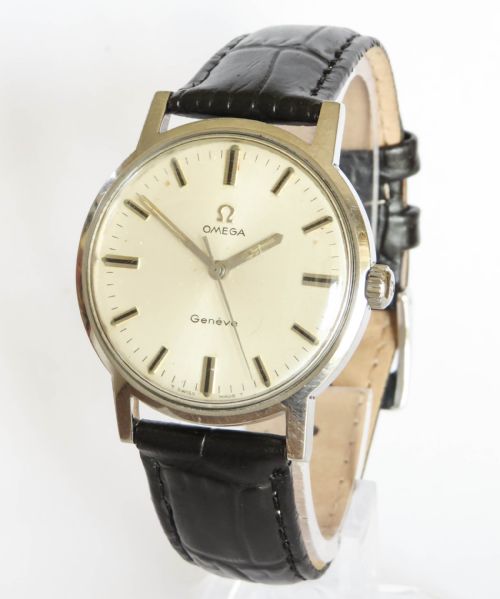
When you search for a silver steel wristwatch, you are looking at mid-century and vintage timepieces driven by mechanical movements and housed in robust metallic cases.
Silver Steel Wristwatch
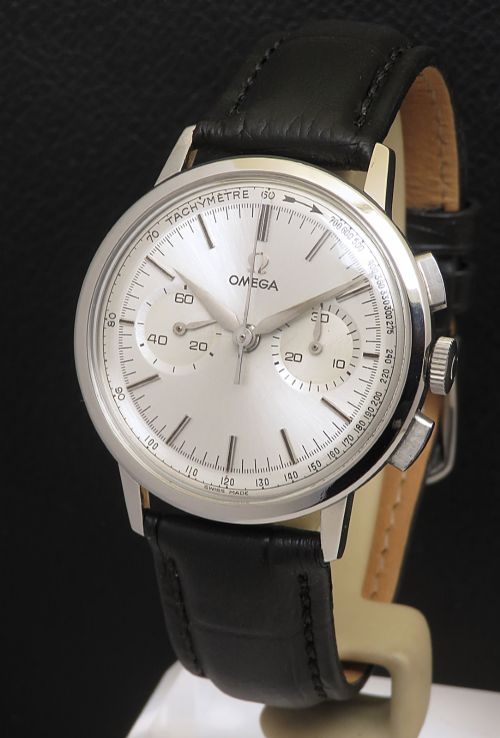
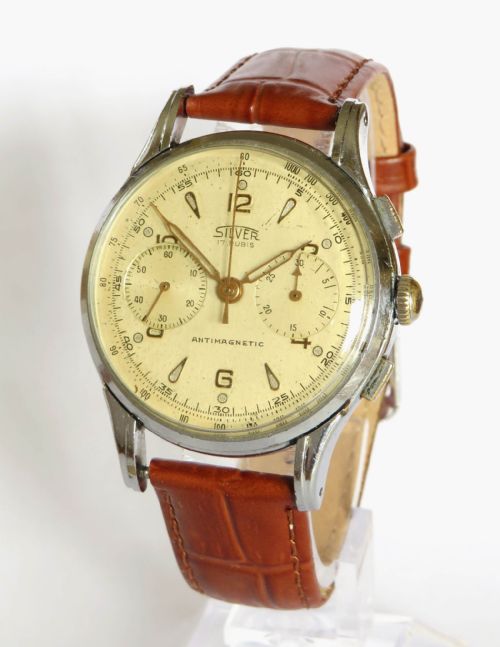
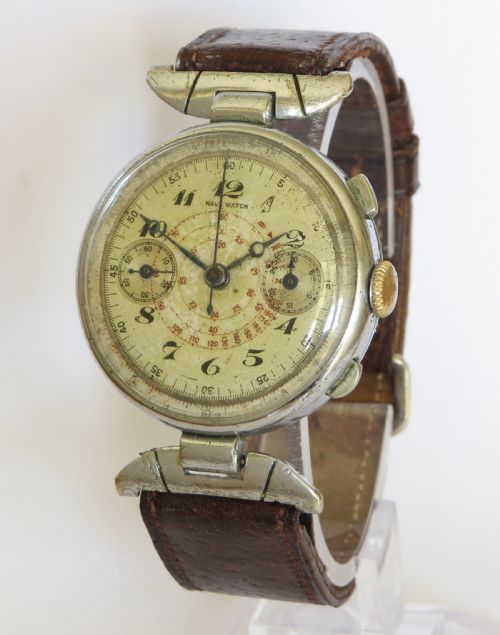
A silver steel wristwatch brings together decades of horological development, spanning from robust military issues of the 1930s and 1940s to the refined automatic calibres of the 1950s and 1960s. These pieces represent standard-setting production by major Swiss and international makers, encompassing chronographs, calendar displays, and simple dress watches.
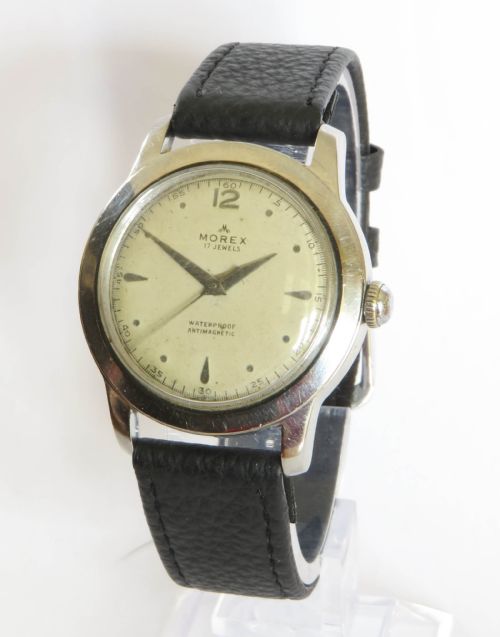
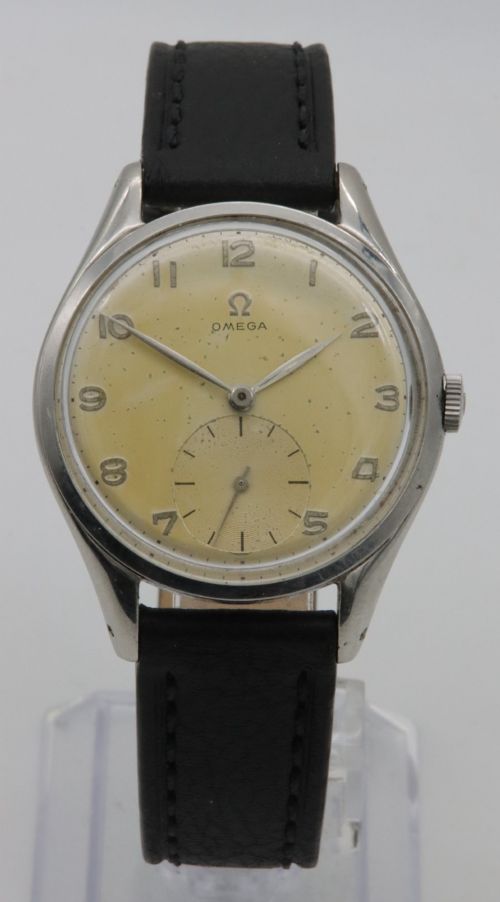
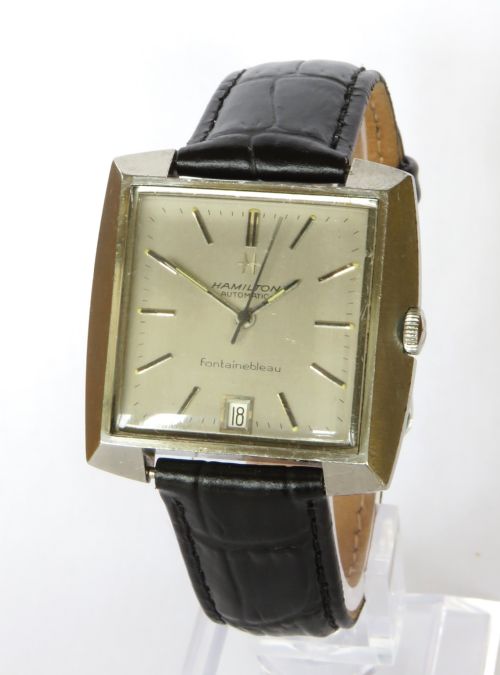
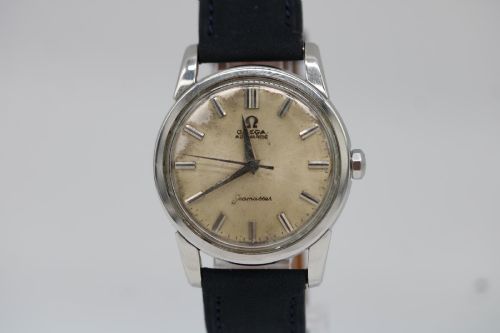
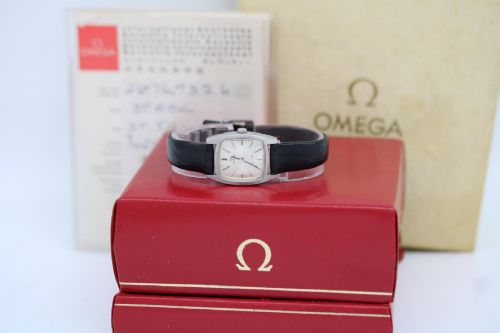
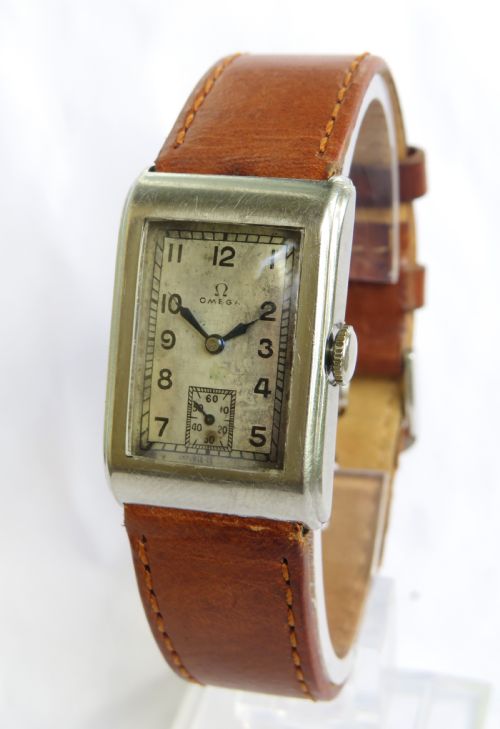
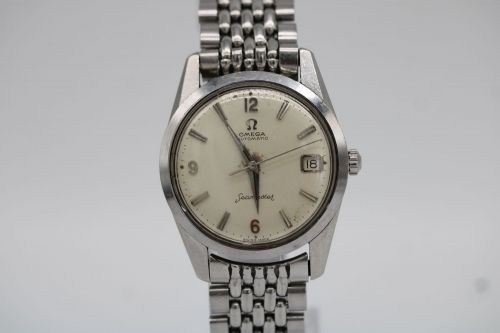
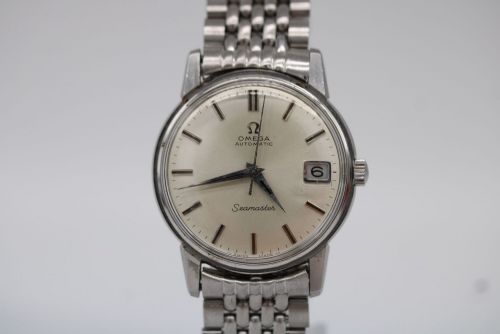
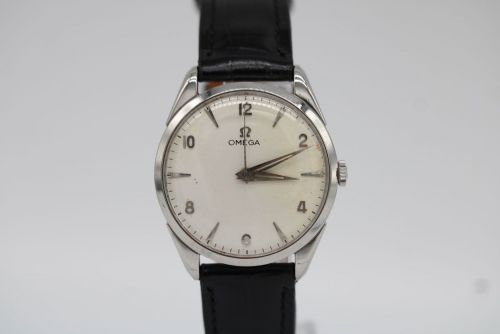
The most common form encountered in this selection is the mid-century gentleman's watch, typically measuring around thirty-four to thirty-five millimetres in diameter. These incorporate stainless steel or chrome plate cases paired with manual wind or automatic mechanical movements, often featuring silvered or patinated dials.
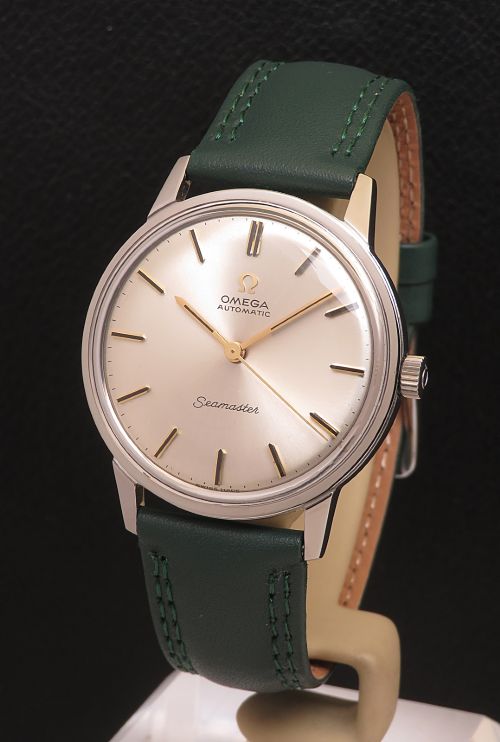
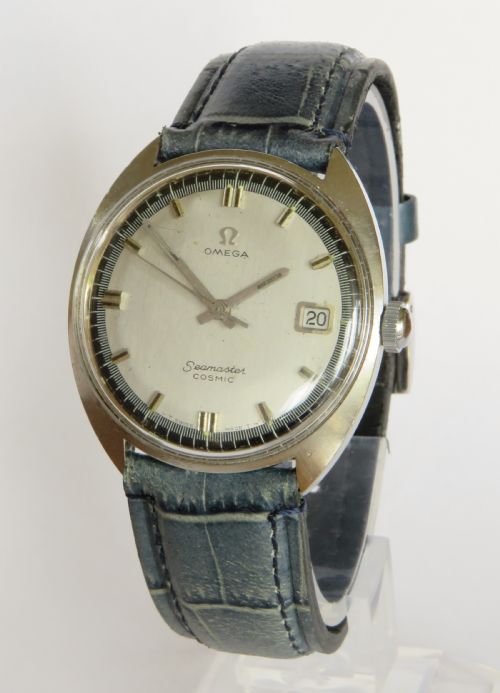
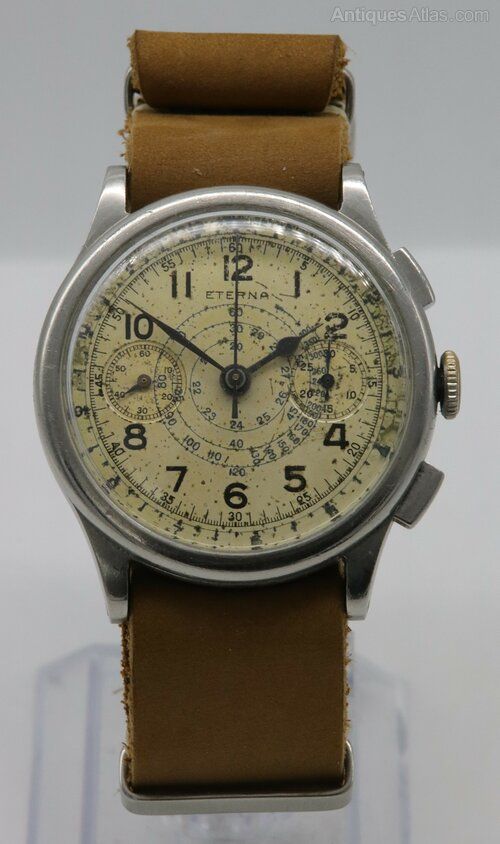
Stylistic influences range from Art Deco symmetry to Mid-Century Modernism and 1970s retro designs. Buyers frequently discover watches designed for specific utilitarian purposes, such as aviator chronographs, waterproof Seamasters, and field watches issued during the Second World War.
Materials and Construction
The cases rely heavily on stainless steel and chrome plate over brass, chosen for durability and resistance to daily wear. Acrylic glass and acrylic crystal protect the dials, offering a characteristic warm distortion under glancing light compared to modern synthetic sapphire.
Movements inside these watches depend on intricate assemblies of brass gears, steel springs, and jewelled bearings. Leather straps frequently complete the construction, securing the metallic case to the wrist with traditional pin buckles.
Some vintage chronographs feature panda dials, earning their affectionate nickname from the contrasting black sub-dials that resemble the face of the bear.
Distinctions in Quality
Quality in a silver steel wristwatch rests upon the execution and preservation of its movement and dial. Original components, factory finishes on steel cases, and untouched dial patination separate superior examples from those altered by heavy restoration.
The pedigree of the calibre within the case dictates mechanical standing. Highly regarded movements, such as specialised chronograph mechanisms or chronometer-certified automatic engines, elevate the horological significance of the watch.
Omega·Longines·Eterna·Bulova·Breitling·Tudor·Seiko·Hamilton
The Silver Steel Wristwatch Glossary
- Calibre
- The internal mechanical movement of a watch, designated by the manufacturer by a specific number or name. It dictates the architecture and performance of the timekeeping mechanism.
- Chronograph
- A watch equipped with a stopwatch function alongside its standard timekeeping display. These complications often feature auxiliary sub-dials to measure elapsed minutes and hours.
- Manual wind
- A mechanical movement that requires the wearer to manually turn the crown to tension the mainspring. This traditional system lacks a rotor for automatic winding.
- Automatic
- A self-winding mechanical movement that uses a weighted internal rotor to tension the mainspring utilising the natural motion of the wearer's wrist.
- Patinated dial
- A watch face that has developed a natural coloration, spotting, or textural shift over decades of exposure to light and air. Collectors prize genuine ageing when it remains uniform and attractive.
Silver Steel Wristwatch: Frequently Asked Questions
How do I wind a vintage watch?
Gently rotate the crown clockwise between your thumb and forefinger until you feel firm resistance, stopping immediately before you force it. Overwinding can damage the delicate internal mainspring.
For manual wind pieces, this process should happen at roughly the same time each day to maintain steady tension. Automatic watches require less intervention, relying on wrist movement, but still benefit from an initial manual jump-start if they have sat stationary.
How accurate are vintage mechanical watches?
Mechanical timepieces from the mid-century typically run within a tolerance of a few seconds to a minute per day. They operate via springs and gears rather than quartz crystals or atomic synchronization.
Regular servicing by a professional watchmaker helps keep the movement running reliably within its intended historical specification. Environmental temperature and positional changes during wear also influence daily performance.
How do I care for an acrylic crystal?
Acrylic crystal and acrylic glass surfaces can be polished gently with specialised pastes to remove light surface scuffs. Avoid harsh chemical solvents that can craze or crack the vintage plastic.
Because acrylic is softer than mineral glass or sapphire, minor scratches happen easily during daily wear. A soft microfiber cloth is best for routine cleaning.