
1930s Mechanical Watch
A 1930s mechanical watch brings genuine Art Deco style and mechanical precision to the wrist or pocket.
1930s Mechanical Watch
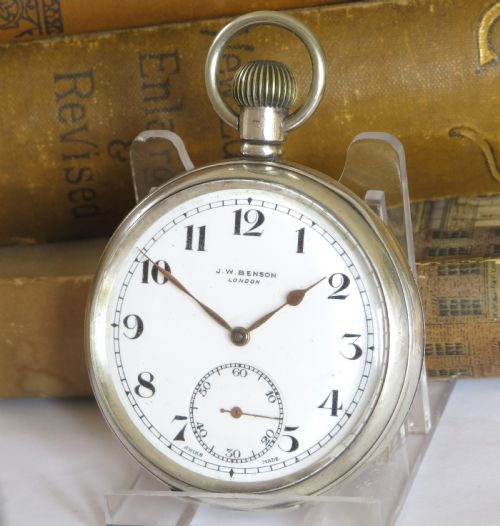
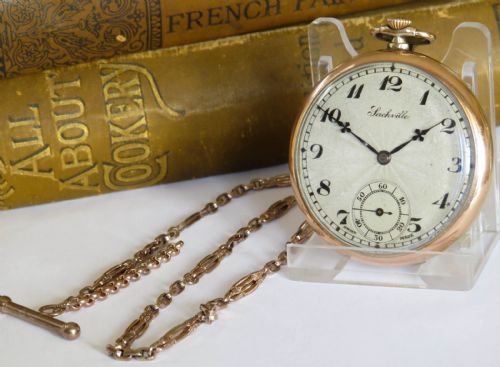
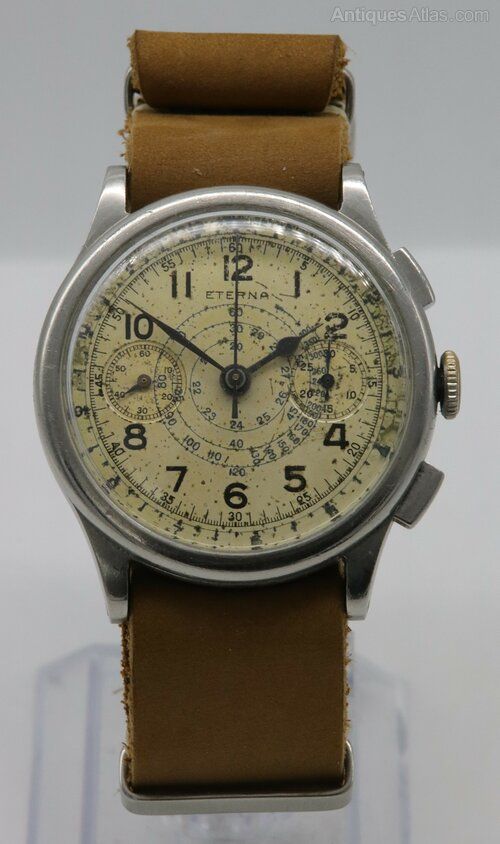
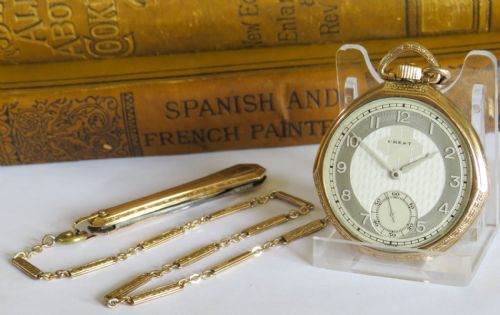
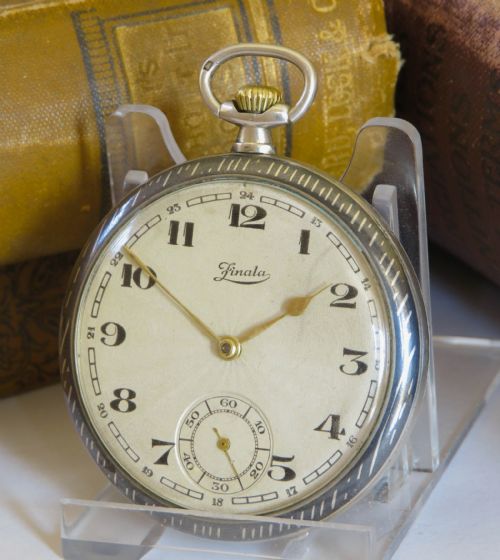
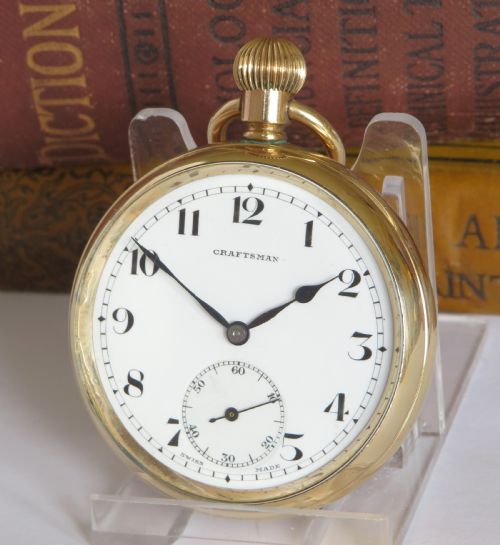
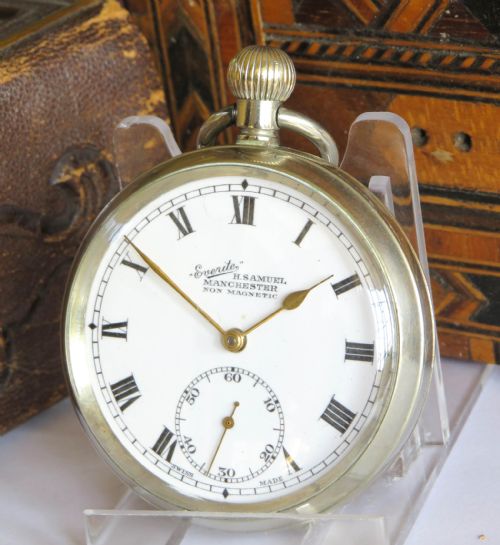
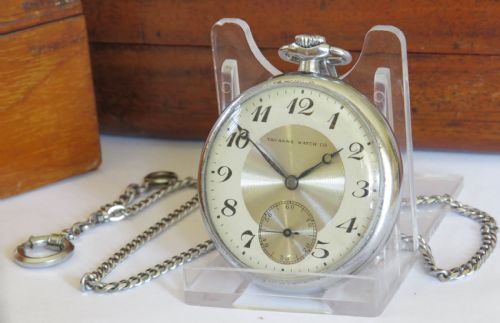
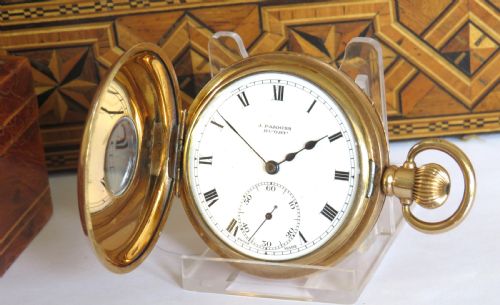
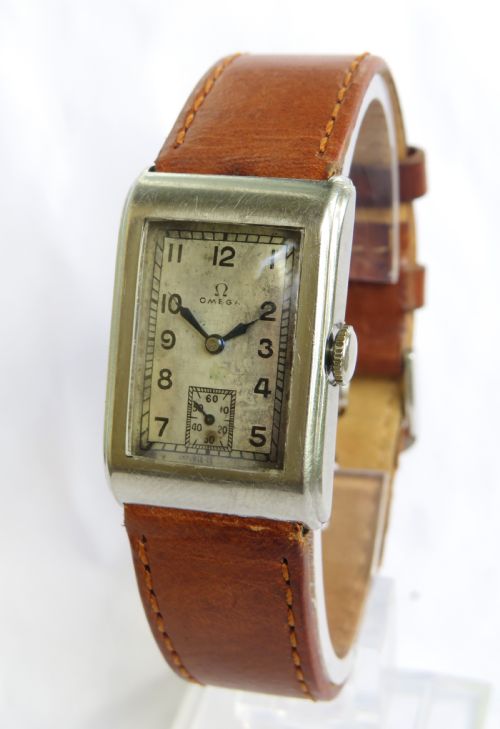
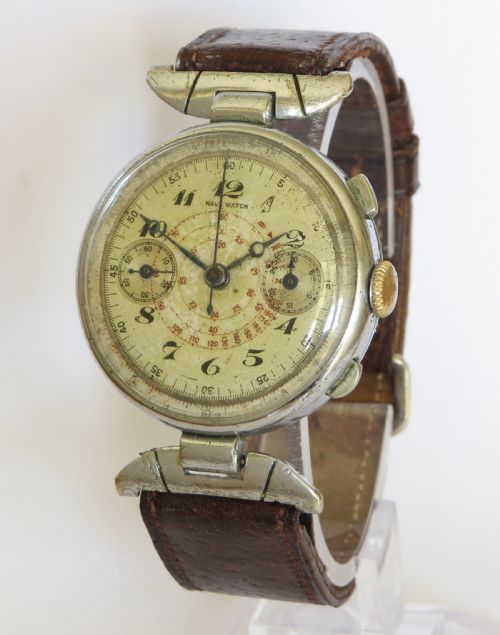
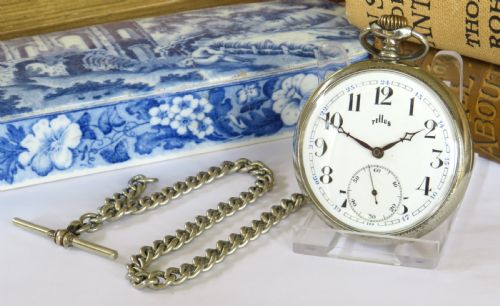
A 1930s mechanical watch encompasses both pocket watches and wristwatches produced during a period of transition in horology. Buyers searching this phrase encounter robust pocket watches alongside early wristwatches, aviator chronographs and ladies' cocktail watches.
The pieces seen here bridge traditional pocket timepieces and the emerging popularity of wristwear. Many reflect the distinct geometric lines of the Art Deco style, combining utility with sophisticated design.
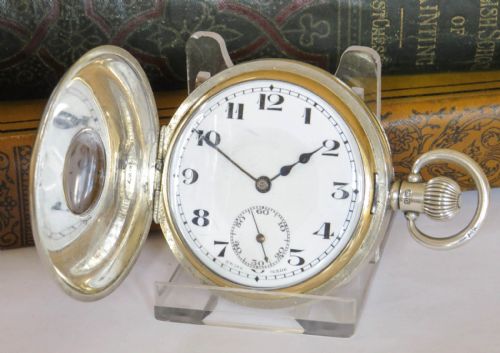
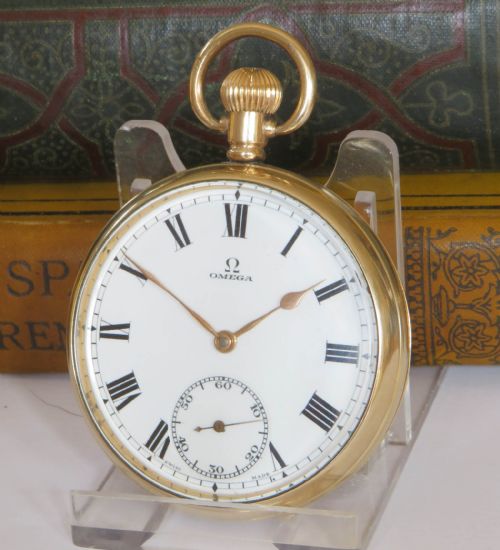
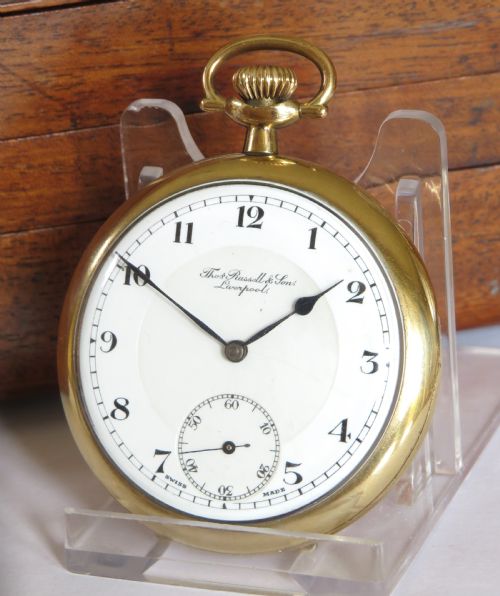
Origins trace primarily to Swiss horology, with various pieces bearing signatures from notable makers or retailers of the era. The selection ranges from open-faced pocket watches to half hunters and specialised chronographs.
How they were made
Cases utilise a variety of metals including stainless steel, chrome, brass, silver, gold plate and occasionally white gold. Enamel dials, glass crystals and leather straps complete the construction of these period timepieces.
Movements rely entirely on mechanical engineering, often stem winding, enclosed within cases shaped for pocket use or strapped to the wrist. Details such as niello decoration or diamond settings appear on specific cocktail and pocket variants.
1930s Mechanical Watch Retail Price Guide 2026
Typical asking prices for 1930s mechanical watch among the pieces listed under this phrase on Sellingantiques today, from the lower quarter to the upper quarter. They describe what is for sale here now, not the wider market.
Fishermen and bravery award recipients needed to know the exact minute, giving rise to robust pocket watches built for rigorous daily service.
What varies in quality
Distinction between examples rests on the complexity of the movement, such as chronograph functions, and the pedigree of the maker. Standard utility pieces differ notably from specialised aviator or award-winning presentation pieces.
Material choice and decorative execution also elevate certain items, moving from plain chrome or brass cases to solid silver, gold plate, or gemstone-set cocktail designs. The preservation of original dials and cases distinguishes the finest specimens.
Lemania·Omega·Thomas Russell and Son·J W Benson·Eterna·Tavannes·Silvana·H Samuel·Revue·Hahn Landeron·Vertex·Rotary·Limit·Zenith·Record·Consul·Bucherer
The 1930s Mechanical Watch Glossary
- Chronograph
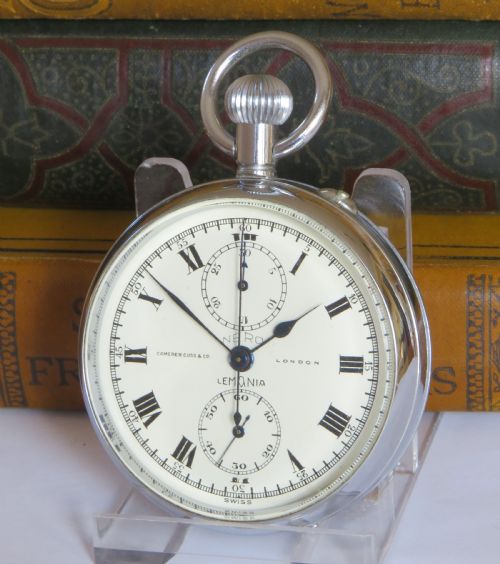
- A watch with a display function used for measuring elapsed time alongside normal timekeeping. These mechanisms require intricate gear trains to start, stop and reset the sweep second hand.
- Half hunter
- A pocket watch featuring a case with a glass or open-centre panel on the front cover, allowing the user to read the time without opening the lid. The outer ring often displays enamel chapter markers.
- Niello
- A black metallic alloy used as an inlay on engraved metal, particularly silver, to highlight contrasting decorative motifs. This technique creates dark, striking patterns across the watch case.
- Art Deco
- A design style characterised by sleek geometric shapes, streamlined forms and stylised ornamentation. It heavily influences the dial typography and case geometry of watches from this decade.
- Stem winding
- A mechanical winding system operated via the crown rather than a separate key. This innovation became standard for pocket watches and wristwatches of the period.
1930s Mechanical Watch: Frequently Asked Questions
How do I wind a 1930s mechanical watch?
Winding requires turning the crown clockwise between your thumb and forefinger until you feel gentle resistance. Care must be taken not to force the crown once tension increases, as overwinding can damage the internal mainspring.
Most pieces from this era require daily winding to maintain accurate operation. Regular servicing by a watchmaker ensures the mechanical gears remain properly lubricated.
Were wristwatches common in the 1930s?
Wristwatches gained significant momentum during this decade, though pocket watches remained widely used for formal attire and professional trades. The transition from pocket to wrist accelerated due to military adoption and changing lifestyle demands.
Examples from this era include specialised aviator chronographs and elegant cocktail watches. Both formats coexisted throughout the period before wristwatches eventually became dominant.
What are cocktail watches used for?
Cocktail watches served primarily as decorative evening wear for women, functioning as pieces of fine jewellery that happened to tell time. They often featured small dials concealed beneath gemstones or intricate metal covers.
These pieces emphasise Art Deco design and precious materials like white gold and diamonds over utilitarian legibility. They were worn to social gatherings rather than daily professional environments.