







1930s Gents Dress Watch
A 1930s gents dress watch brings geometric lines and reliable mechanical movements to the wrist.
1930s Gents Dress Watch
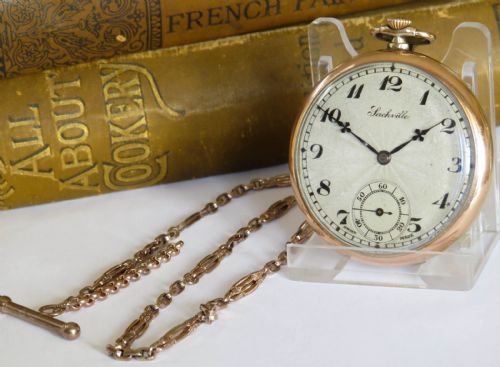
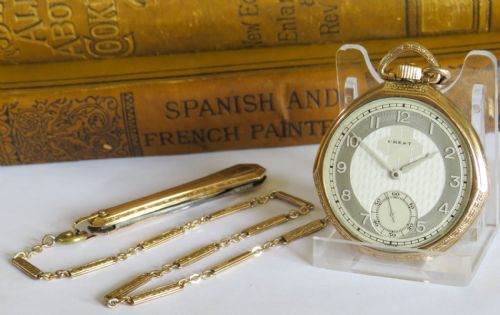
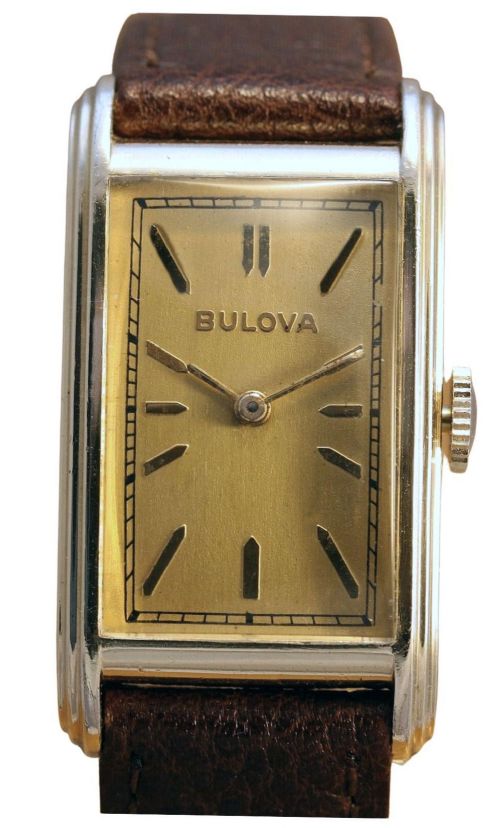
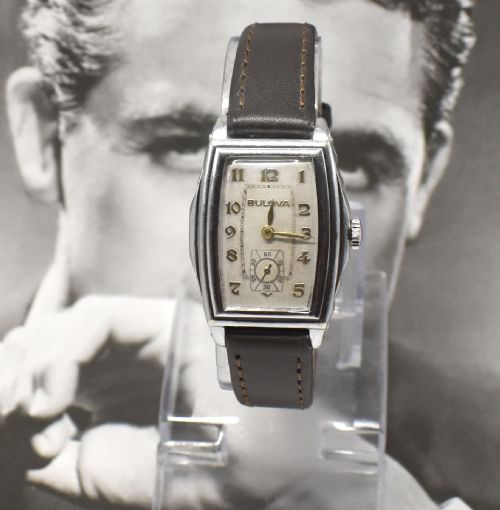
A 1930s gents dress watch encapsulates the distinctive geometry of the Art Deco era, offering square and curved dial formats designed for formal wear. These timepieces encompass both wristwatches and pocket watches, reflecting the transitional habits of the period.
The wristwatches frequently display prominent angular lugs and square dials, while the pocket watch variants maintain traditional stem winding mechanisms alongside matching chains. Both styles serve as definitive examples of period horology.
Most pieces date specifically to the 1930s, displaying characteristic Swiss and American manufacturing traits from makers active within that decade. Buyers encounter manual winding movements housed in metal cases across these listings.
Materials and construction
Cases utilise stainless steel, chrome, brass, and gold plate, alongside gold filled and rolled gold variations that provided a durable exterior finish over base metals. Glass protects the dials, while leather straps secure the wristwatch variants to the wrist.
Movements rely on manual winding calibres, including specialised configurations such as seventeen jewel mechanisms. These internal components operate within square and curved cases shaped to embody the dominant aesthetic of the period.
1930s Gents Dress Watch Retail Price Guide 2026
Typical asking prices for 1930s gents dress watch among the pieces listed under this phrase on Sellingantiques today, from the lower quarter to the upper quarter. They describe what is for sale here now, not the wider market.
The object forms span both wristwatches and pocket watches, with manual winding movements operating behind glass dials.
Assessing quality and condition
Quality rests in the precision of the case finishing and the integrity of the dial typography, particularly within Art Deco examples featuring square configurations or curved glass. Finer pieces maintain crisp metal definition on the lugs and bezels.
The presence of original manufacturer signatures from established watch companies elevates an item, alongside evidence of recent mechanical servicing that ensures the manual movement functions correctly.
Tavannes Crest·Cyma·Zenith·Larex·Bulova·Elgin
The 1930s Gents Dress Watch Glossary
- Art Deco
- A design style dominant in the 1930s characterised by geometric shapes, streamlined forms, and symmetrical patterns. This aesthetic heavily influences the dial layouts and case shapes of period timepieces.
- Curvex
- A curved wristwatch case design engineered to contour around the wrist. Zenith produced notable examples of this ergonomic format during the decade.
- Stem winding
- A mechanical winding system operated via the crown rather than a separate key. This method became standard for pocket watches and wristwatches of the period.
- Gold filled
- A composite material formed by bonding a layer of gold to a base metal core. It offers greater durability and thickness than standard gold plating.
- Rolled gold
- A manufacturing technique similar to gold filling where a thin sheet of gold is mechanically bonded to base metal under heat and pressure.
1930s Gents Dress Watch: Frequently Asked Questions
What defines a 1930s gents dress watch?
These timepieces are defined by their 1930 origin, featuring manual mechanical movements and distinct Art Deco styling. They appear as both pocket watches and wristwatches.
Cases are constructed from metals including chrome, stainless steel, and gold plate, often shaped into square or curved configurations designed for formal attire.
How do I wind a manual watch?
Manual mechanical watches require regular hand winding via the crown attached to the stem. Turning the crown tightens the mainspring inside the movement.
Care should be taken not to overwind the mechanism when resistance is felt, ensuring the internal components remain in working order.
Are these watches suitable for daily wear?
These vintage pieces function as dress items and benefit from careful handling due to their age. Many feature leather straps and delicate mechanical movements.
Servicing history plays a key role in daily reliability, with recently serviced examples offering better operational stability for occasional wear.
What is the difference between rolled gold and gold plate?
Rolled gold involves a thicker layer of gold mechanically bonded to a base metal core than standard plating methods. This provides increased longevity for the exterior finish.
Both techniques allowed manufacturers to produce luxury aesthetics using more accessible base metals during the 1930s.