
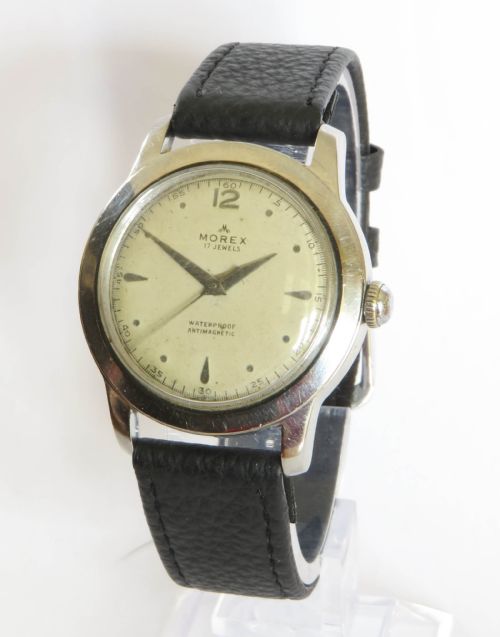
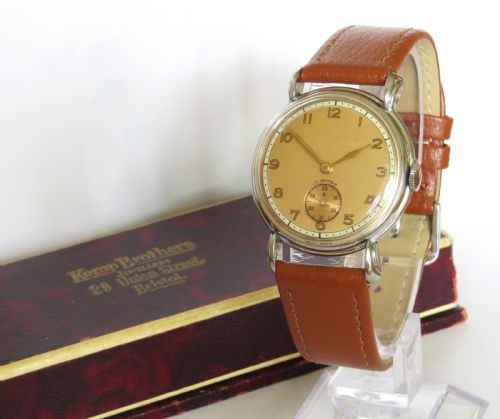
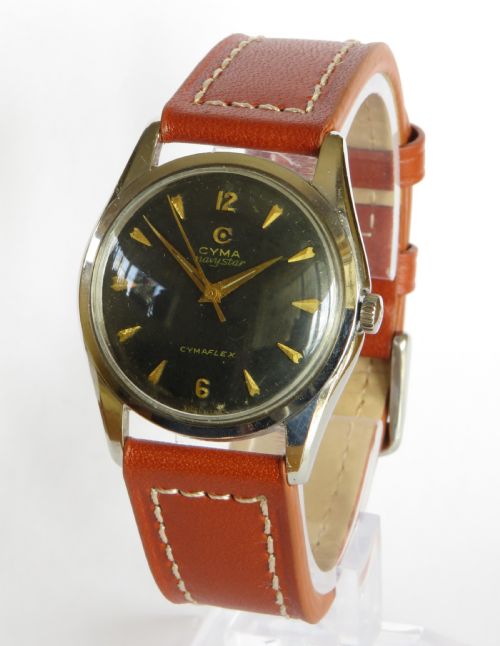
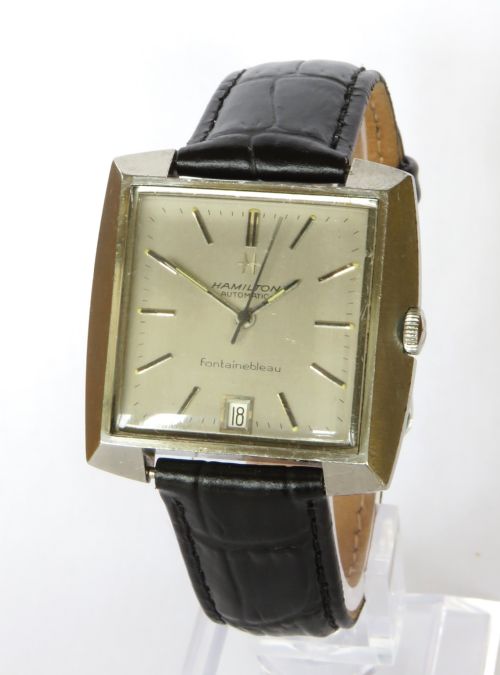
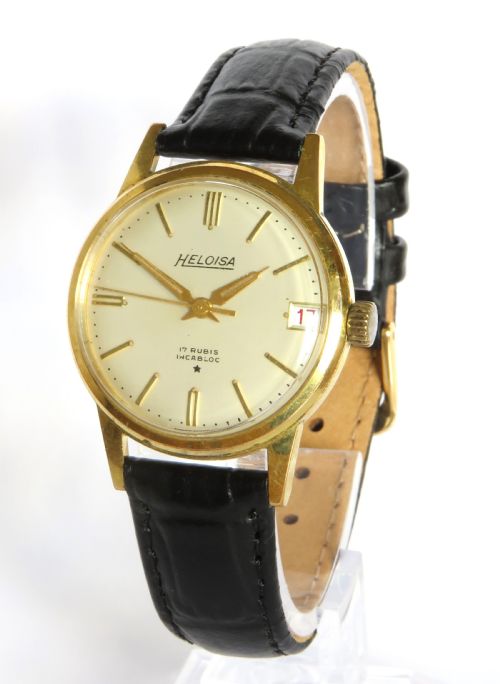
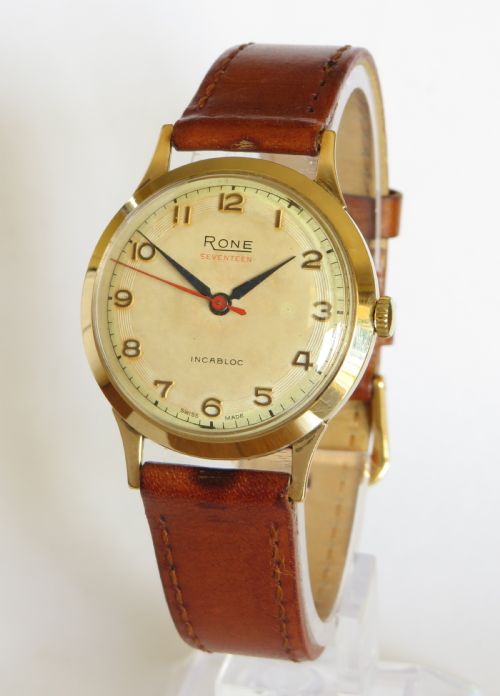
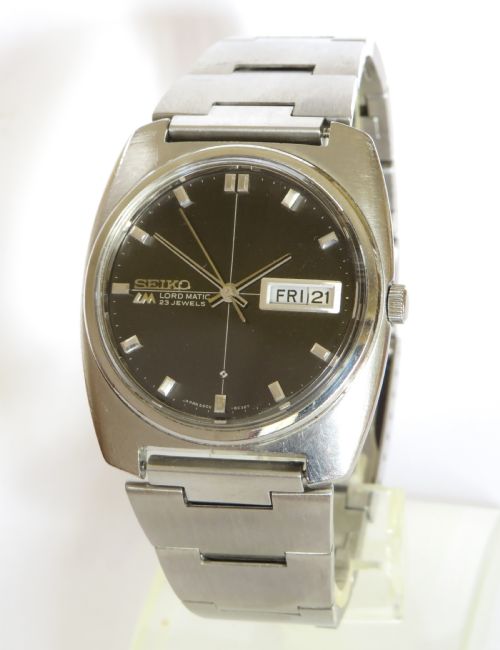
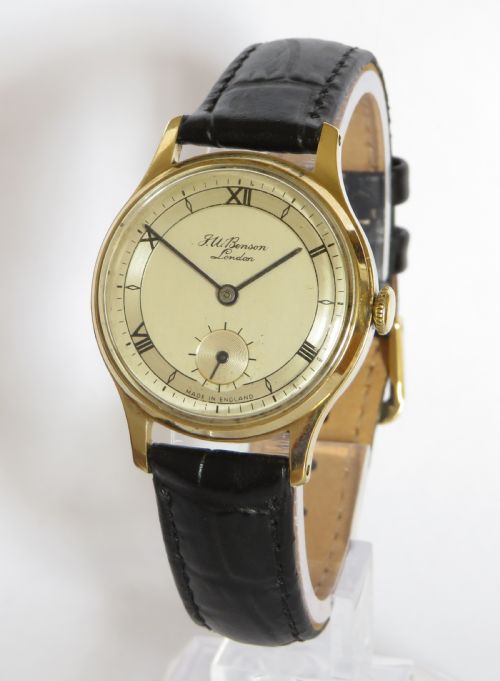
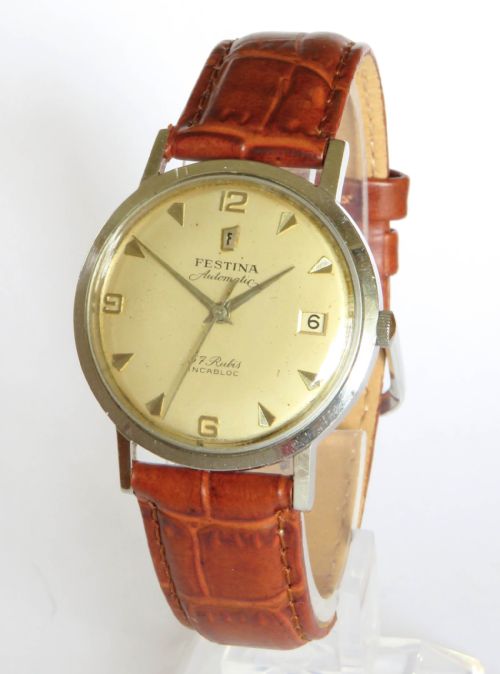
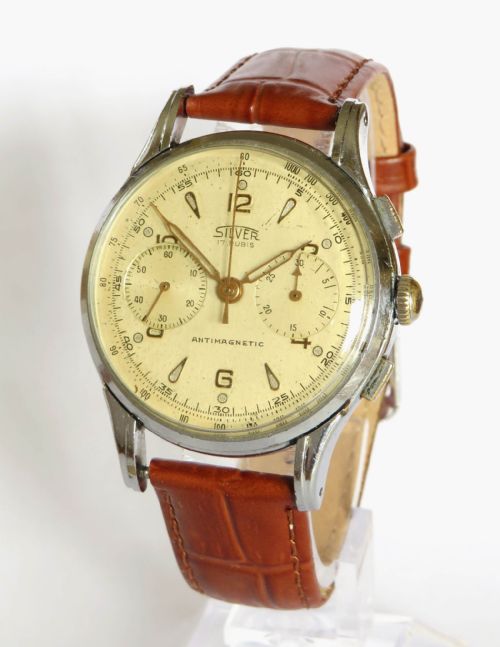
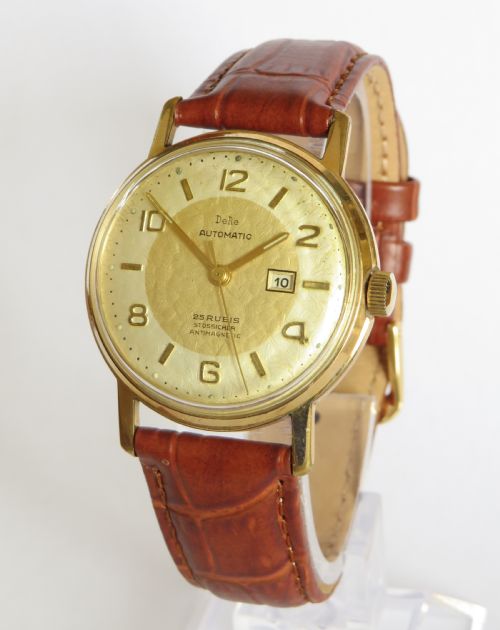
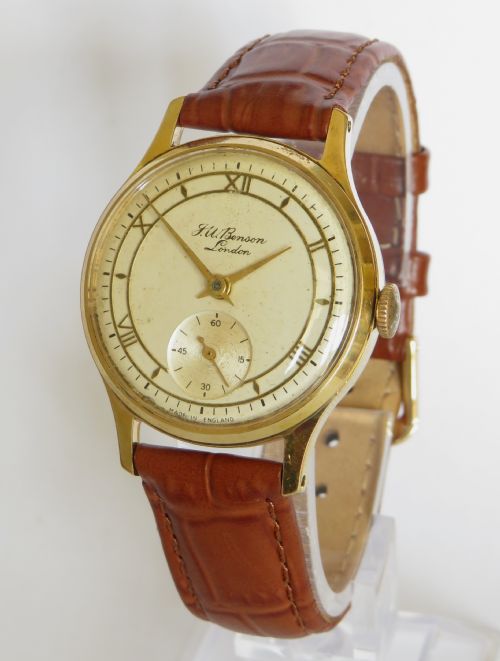
Gents Mechanical Wristwatch
A gents mechanical wristwatch represents a century of portable timekeeping, prized for traditional movements and wearable history.
Gents Mechanical Wristwatch
A gents mechanical wristwatch is a wearable timepiece driven by a mainspring and gear train rather than a battery, originating from decades spanning the early twentieth century through the nineteen-seventies. These horological pieces capture the evolution of daily dress and utility watches through distinct historical eras.
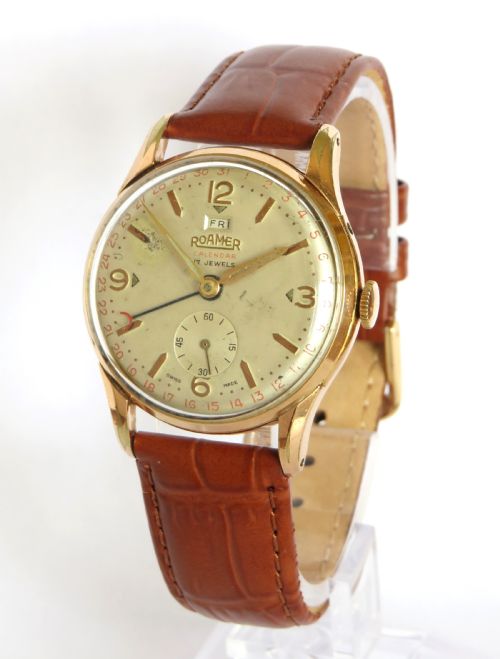
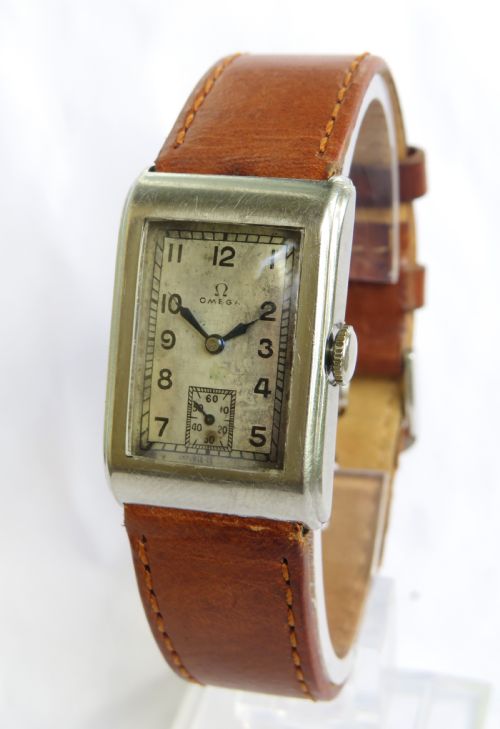
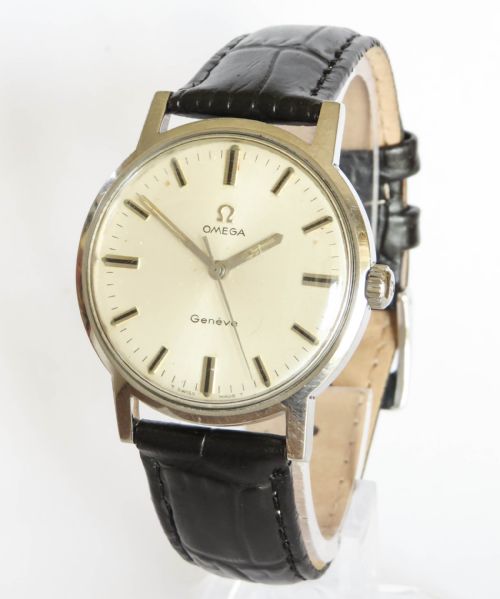
The selection centres heavily upon mid-century designs alongside earlier twentieth-century examples, reflecting the shifts in horology from pocket conversions to dedicated wristwear. Buyers encounter pieces from the nineteen-twenties, thirties, forties, fifties, and sixties, each period bringing specific case proportions and dial layouts to the wrist.
Materials and construction
Cases are formed from stainless steel, chrome, gold plate, and solid silver, protecting the delicate internal gears and regulating assemblies from daily wear. Acrylic or glass crystals cover the dials, whilst leather straps secure the pieces to the wrist.
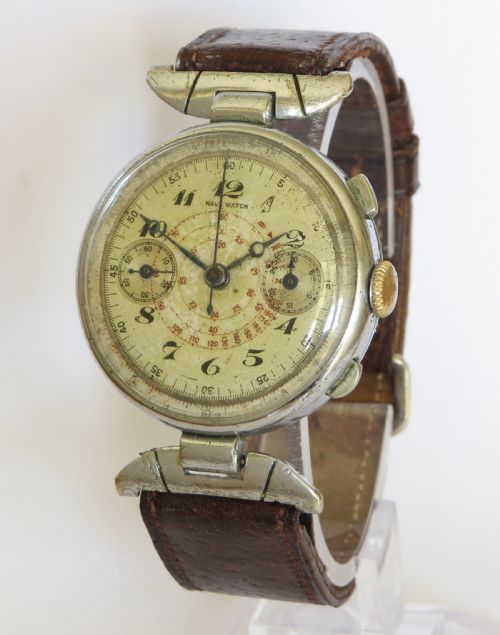
Movements rely on manual winding or automatic self-winding mechanisms built from brass and steel components. Dials frequently incorporate enamel accents, applied numerals, and subsidiary seconds or chronograph sub-dials depending on the intended function of the watch.
Gents Mechanical Wristwatch Retail Price Guide 2026
Typical asking prices for gents mechanical wristwatch among the pieces listed under this phrase on Sellingantiques today, from the lower quarter to the upper quarter. They describe what is for sale here now, not the wider market.
Pilots and military personnel relied on these precise mechanical movements before digital technology existed to keep every mission ticking on schedule.
What separates examples
Quality separates through the pedigree and complexity of the internal movement, ranging from standard utility calibres to high-grade chronograph and calendar mechanisms. The finish of the movement components and the precision of the assembly dictate horological merit.
Cosmetic preservation of the dial and the sharpness of the metal case lines also determine standard. Original dial condition without unsympathetic repainting commands greater appreciation among collectors.
Morex·Cyma·Hamilton·Heloisa·Rone·Seiko·Smiths·Festina·Antoremi·Roamer·Omega·Hahn Landeron·Avia·Marvin·Tissot·Gloriosa·Wittnauer·Dogma Prima·Longines·Bulova·Kered·Certina·Rotary·Zenith·Baume
The Gents Mechanical Wristwatch Glossary
- Calibre
- The specific internal movement design and manufacturer designation of a watch. This identifies the mechanical engine driving the hands.
- Chronograph
- A watch equipped with a stopwatch function alongside traditional timekeeping display. These models include independent start and reset controls.
- Acrylic
- A lightweight transparent plastic material utilised for watch crystals prior to the widespread adoption of synthetic sapphire. It offers warmth and easy polishing.
- Hermetic
- A term denoting an early dust and moisture-resistant case construction. These designs use inner sealing covers to protect the movement.
Gents Mechanical Wristwatch: Frequently Asked Questions
How do I wind a mechanical watch?
Wind the crown clockwise between your thumb and forefinger until you feel gentle resistance. Stop immediately to avoid over-tensioning the mainspring.
For automatic models, normal wrist movement powers the internal rotor, though manual winding can jumpstart the reserve if the watch has stopped entirely.
Are these watches waterproof?
Period mechanical watches lack modern sealing technology and gasket systems. Contact with water or moisture should be avoided entirely.
Even pieces marked as hermetic or military use older sealing methods that degrade over decades, leaving the internal movement vulnerable to rust.
How do I date a vintage watch?
Dating relies on stylistic cues such as dial typography, case geometry, and movement serial numbers where available. Mid-century pieces often feature clean minimalist markers, whilst earlier decades lean toward ornate Art Deco geometry.
Associated hallmarks on precious metal cases also provide solid manufacturing periods to anchor the production timeframe.
How accurate are mechanical wristwatches?
Vintage mechanical movements vary in daily timekeeping variance compared to quartz technology. Gaining or losing a minute per day remains entirely normal for unserviced or vintage calibres.
Regular servicing by a watchmaker helps restore optimal regulation and timing consistency across the gear train.