

Vintage French Timepiece
A vintage french timepiece brings quiet presence to a room, offering mechanical reliability wrapped in classic continental design.
What a vintage french timepiece is
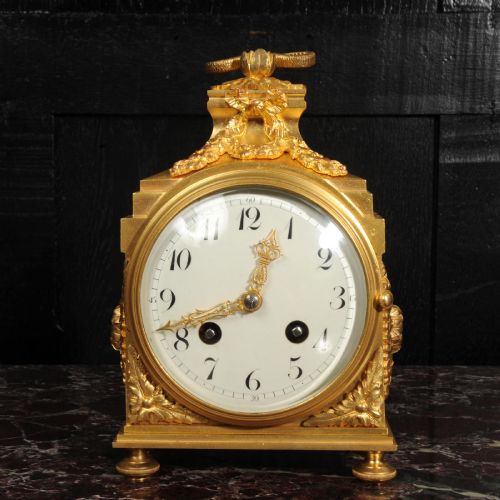
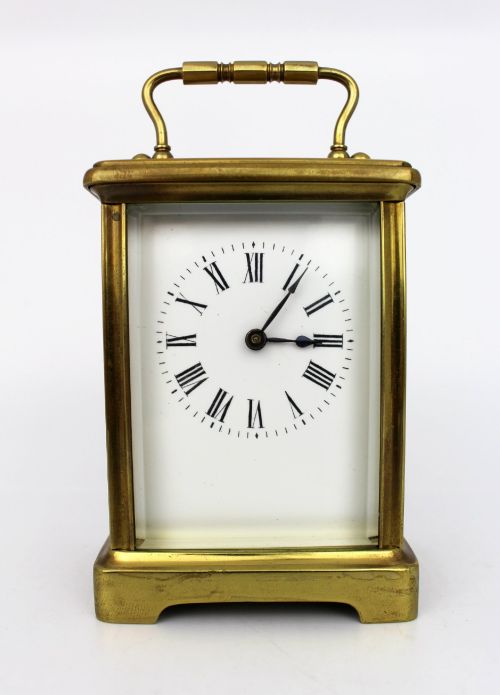
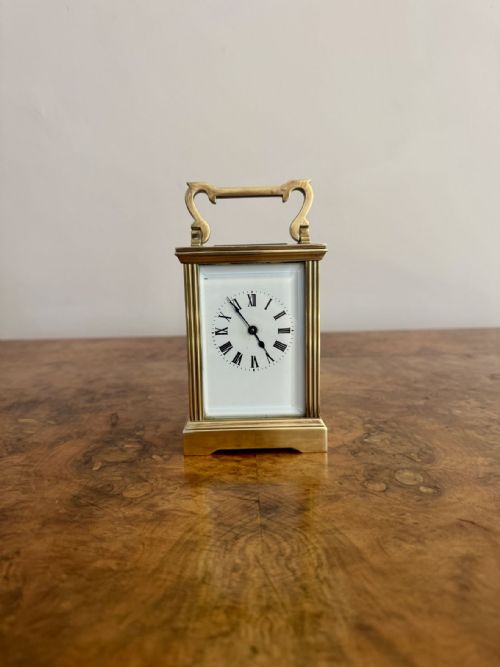
Every vintage french timepiece carries the craftsmanship of makers working across the nineteenth and twentieth centuries, spanning periods from the Victorian era to the mid-century. When searching for a vintage french timepiece, collectors encounter a diverse range of objects that includes both mantel clocks and gentlemen's wristwatches.
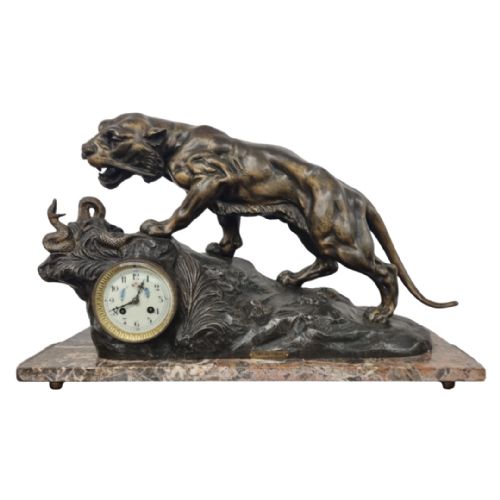
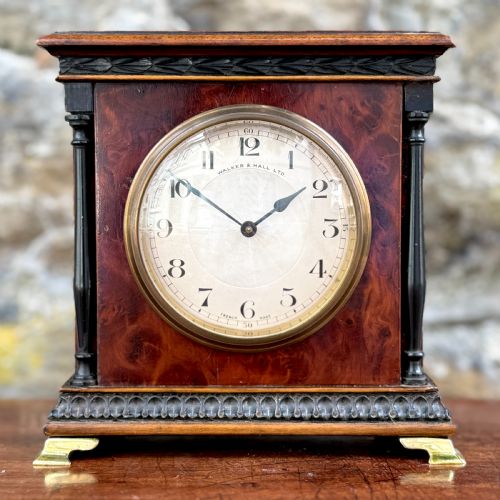
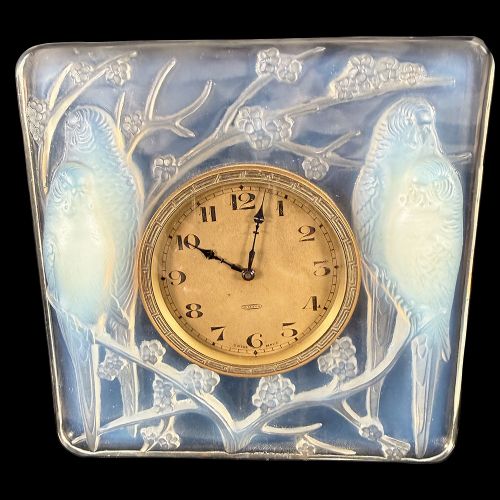
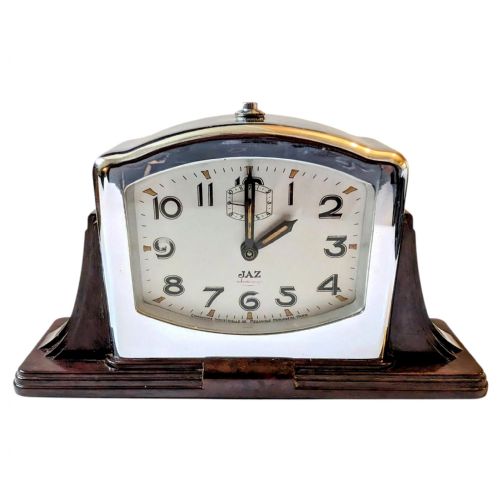
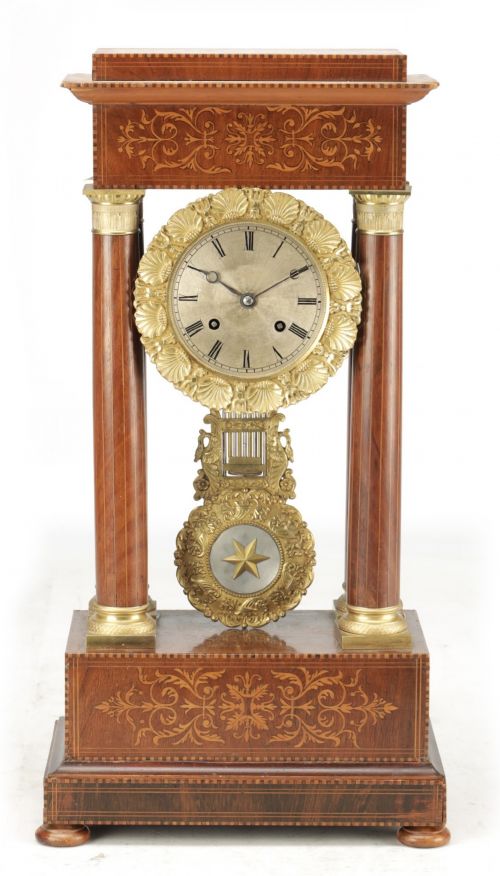
The selection here encompasses several distinct stylistic movements, featuring Art Deco geometric designs, French Empire Revival, and the robust forms of the French Second Empire. Mantel clocks and portable carriage clocks sit alongside mechanical wristwatches bearing notable names from the period.
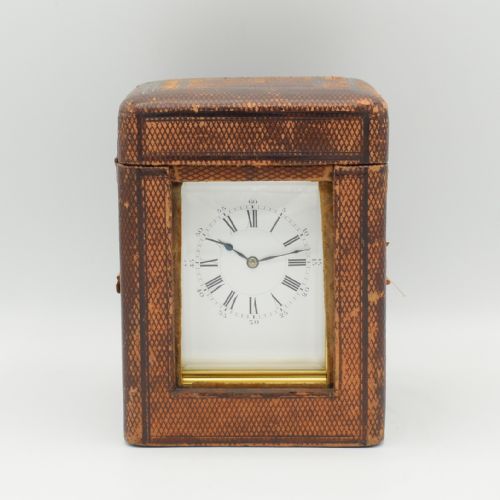
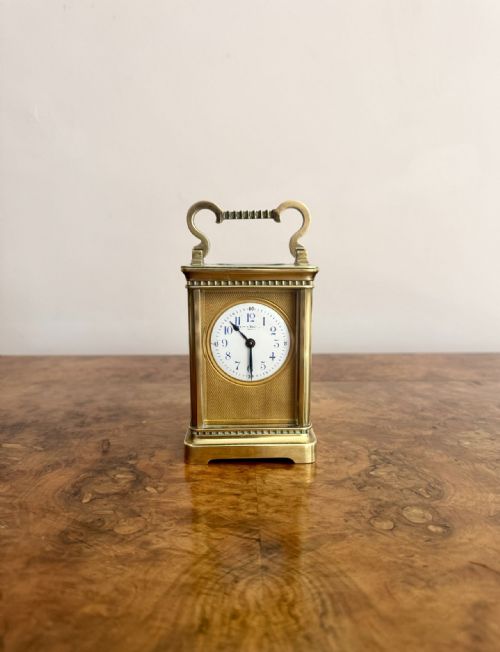
Materials vary widely across these items, incorporating traditional gilt bronze, brass, glass, and leather alongside rosewood and boxwood cases. Each piece reflects the specific decorative tastes of its decade of origin, from the ornate nineteenth-century mantel pieces to clean-lined 1930s dials.
How they were made
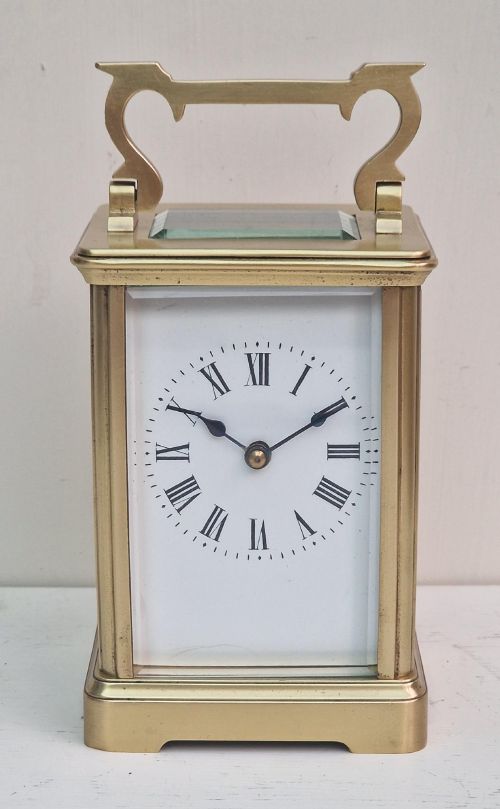
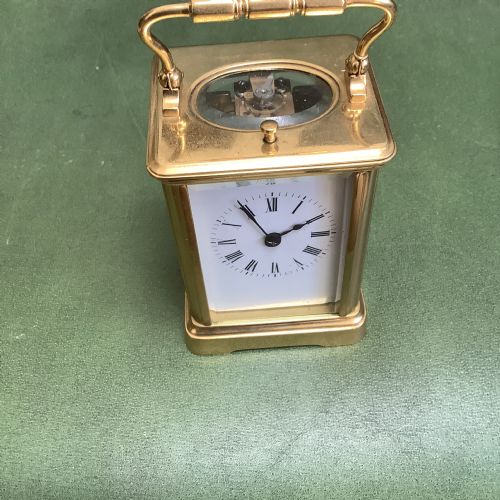
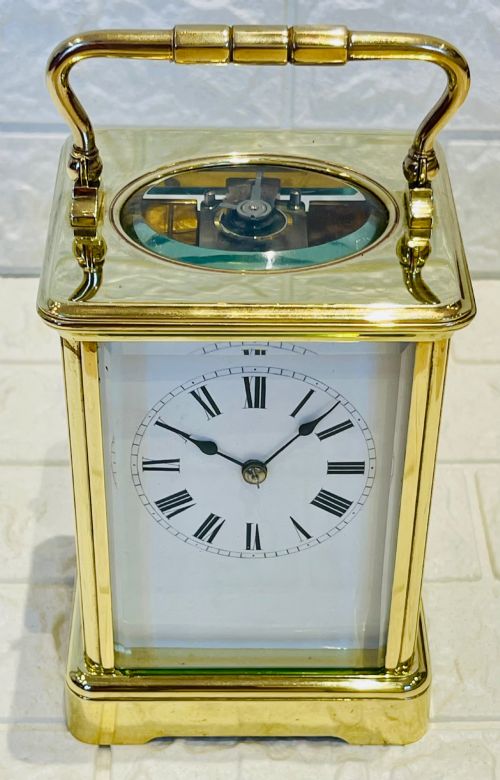
Construction relies heavily on traditional metalworking techniques, utilising brass and gilt bronze for structural clock bodies and decorative mounts. Cases often combine glass panels with polished metals to display the intricate inner movements clearly.
Enamel dials provide the crisp white or coloured backgrounds for painted numerals, fired onto metal bases for lasting legibility. Mechanical intricacy defines the interiors, with jewels and moon phase complications fitted by skilled horologists.
Retail Price Guide 2026
Typical UK retail prices for vintage french timepiece, calculated from the Sellingantiques database of over a million retail prices indexed since 2003. This retail price guide relies exclusively on Sellingantiques data; no external sources or auction records are used, so the figures do not describe the wider market.
Listings feature periods spanning from the Victorian era through the 1960s, utilising brass, glass, rosewood, and stainless steel.
What varies in quality
The standard of a timepiece rests heavily on the refinement of its movement and the precision of its exterior ornamentation. Finer examples display crisp casting in gilt bronze and detailed enamel work on the dial faces, whereas simpler pieces rely on standard brass housings.
Material selection divides the ordinary from the exceptional, with heavy hardwoods like rosewood commanding greater presence than basic metal cases. The inclusion of complications, such as date displays and moon phases, elevates the mechanical sophistication of the piece.
Maker attribution also dictates standing, as signed works from established houses or known clockmakers carry distinct historical weight over unsigned items. Preservation of original components ensures the mechanical integrity remains true to the period.
L Epee·Kered·Jaz
The Vintage French Timepiece Glossary
- Gorge case
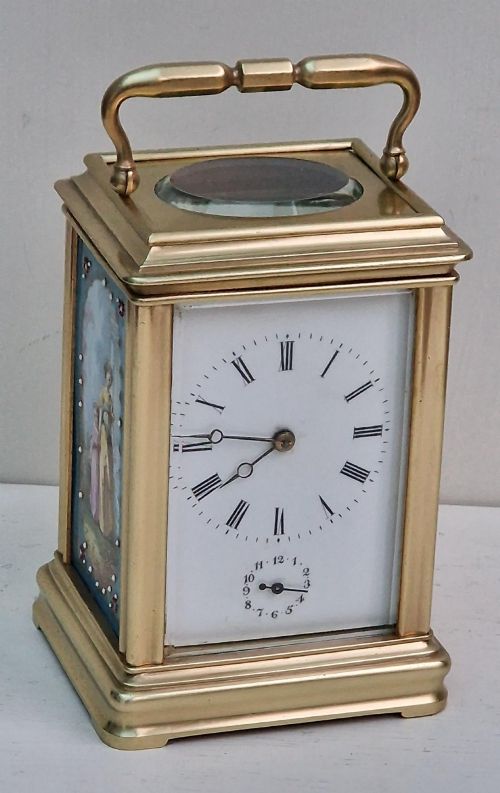
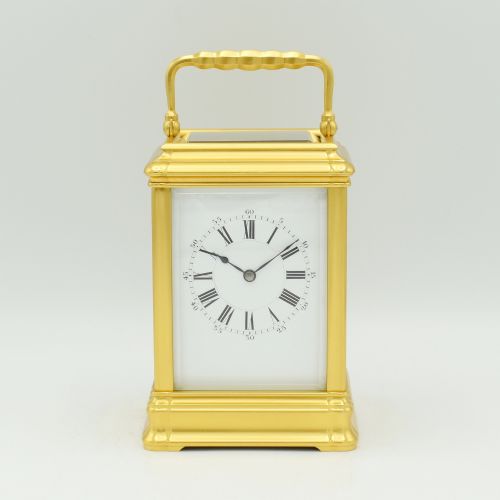
- A stepped, polished brass carriage clock housing with glass panels on all sides. This architectural style protects the delicate movement while offering an unobstructed view of the escapement.
- Moon phase
- A mechanical complication on a dial that tracks the lunar cycle through a rotating disk. It requires precise gear calculations to mirror the phases of the moon accurately.
- Gilt bronze
- A decorative metal technique involving the application of finely ground gold to a bronze base. This treatment provides a rich, enduring lustre that resists tarnishing over decades.
- Mantel clock
- A freestanding timepiece designed to sit on the shelf above a fireplace. These objects often feature substantial metal or wooden frames built to anchor the room.
- Manual wristwatch
- A personal timepiece powered by a mainspring that the owner winds by hand rather than through automatic wrist movement. Collectors appreciate the tactile connection required in daily winding.
Frequently Asked Questions
How do I wind a mantel clock?
Most mechanical mantel clocks utilise a key inserted into dedicated winding arbours on the dial face. Turning the key clockwise tightens the mainspring gently until resistance is felt.
Care must be taken not to overwind the mechanism, as this can strain the internal spring. Consulting the specific movement instructions ensures the clock maintains steady time.
Are these wristwatches suitable for daily wear?
Vintage mechanical wristwatches from the mid-century handle regular daily wear provided they receive proper servicing and gentle treatment. Avoiding water exposure and sharp impacts preserves the delicate internal components.
Many collectors choose to reserve these pieces for special occasions rather than heavy daily use. Regular oiling by a horologist keeps the gears running smoothly over time.
What is a gorge case?
A gorge case is a distinct rectangular brass housing used primarily for portable carriage clocks during the nineteenth century. Its characteristic stepped top and glazed panels frame the mechanical movement beautifully.
This design allows light to enter from multiple angles, illuminating the escapement within. It represents a pinnacle of portable clockmaking craftsmanship.
How do I clean a brass timepiece?
Cleaning antique brass requires a soft, dry microfiber cloth to remove surface dust without scratching the metal. Liquid polishes should be avoided around dials and glass panels to prevent accidental damage.
Preserving the natural patina often maintains the historical character of the object better than aggressive polishing. Gentle care ensures the exterior finish remains stable for years.