
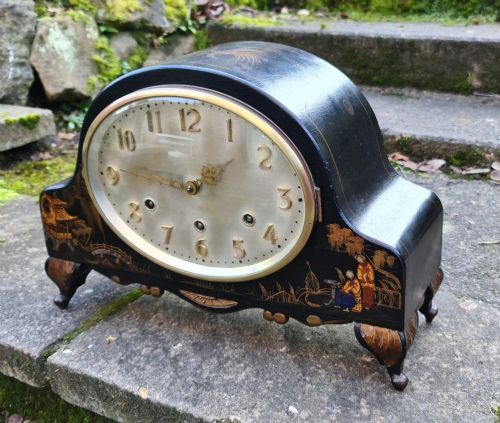
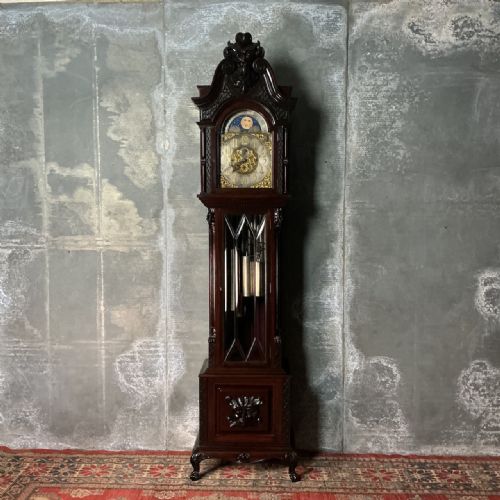
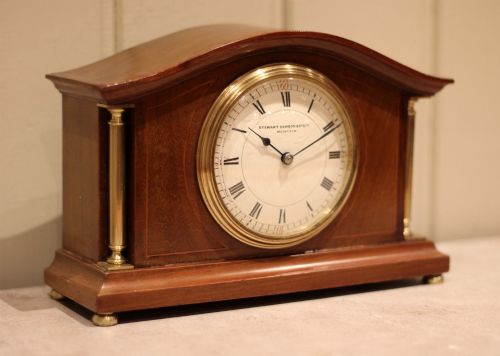
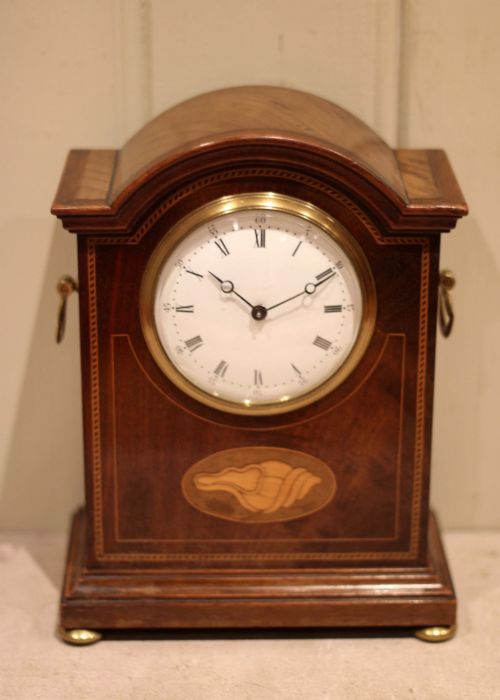
Traditional Brass Clock
A traditional brass clock brings mechanical weight and polished warmth to a room, offering both reliable timekeeping and solid period craftsmanship.
What traditional brass clocks are
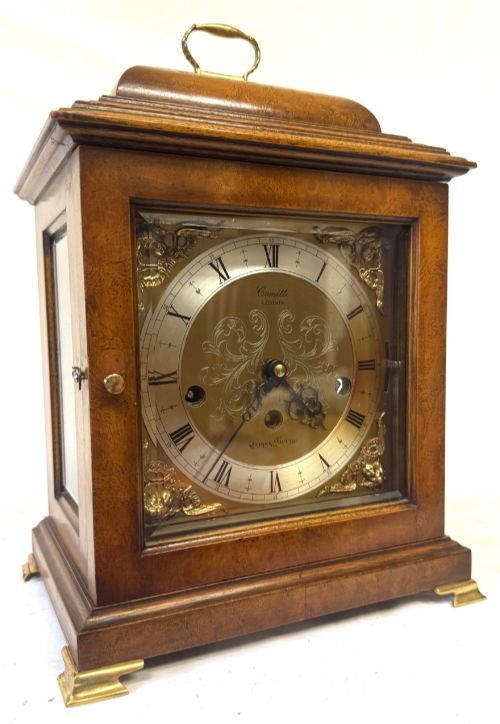
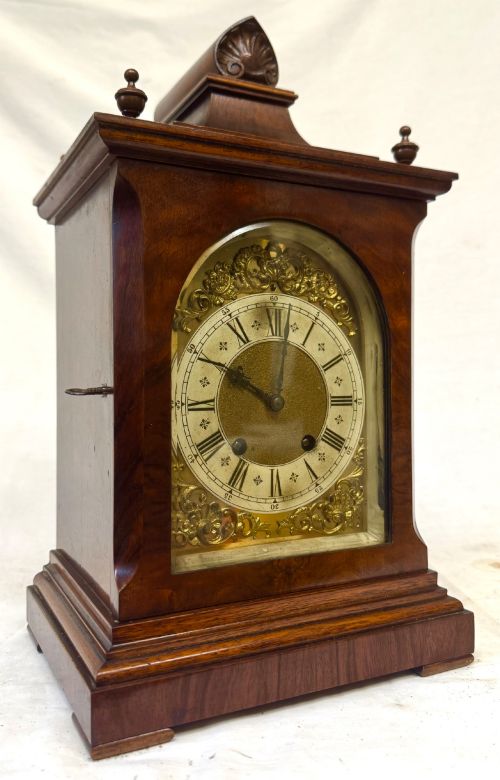
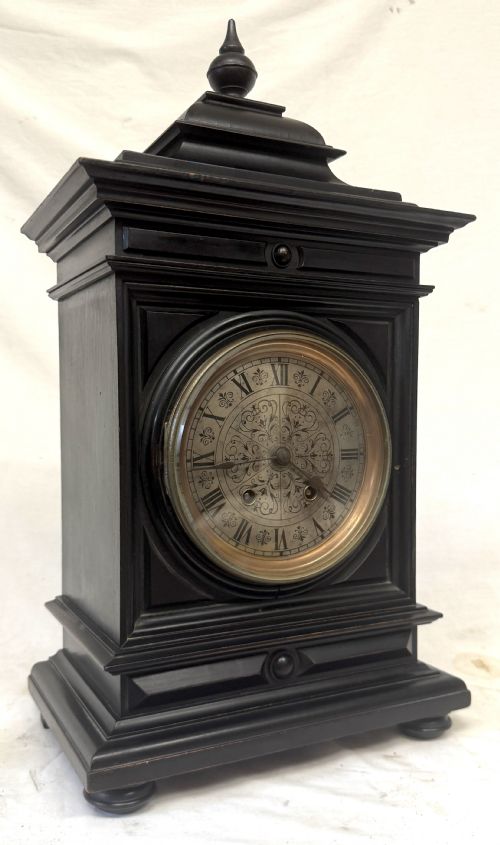
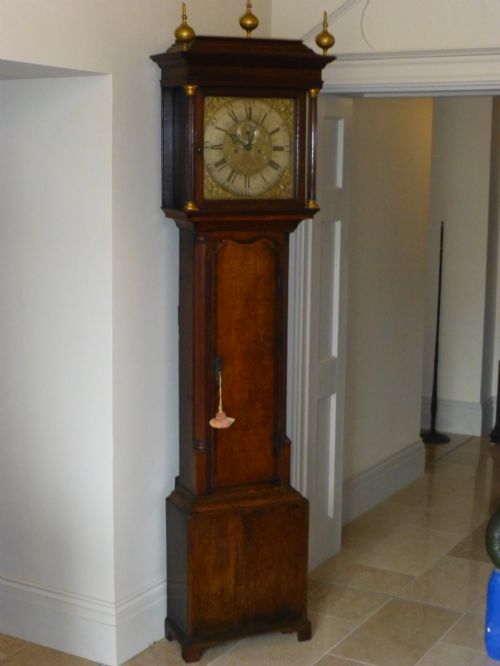
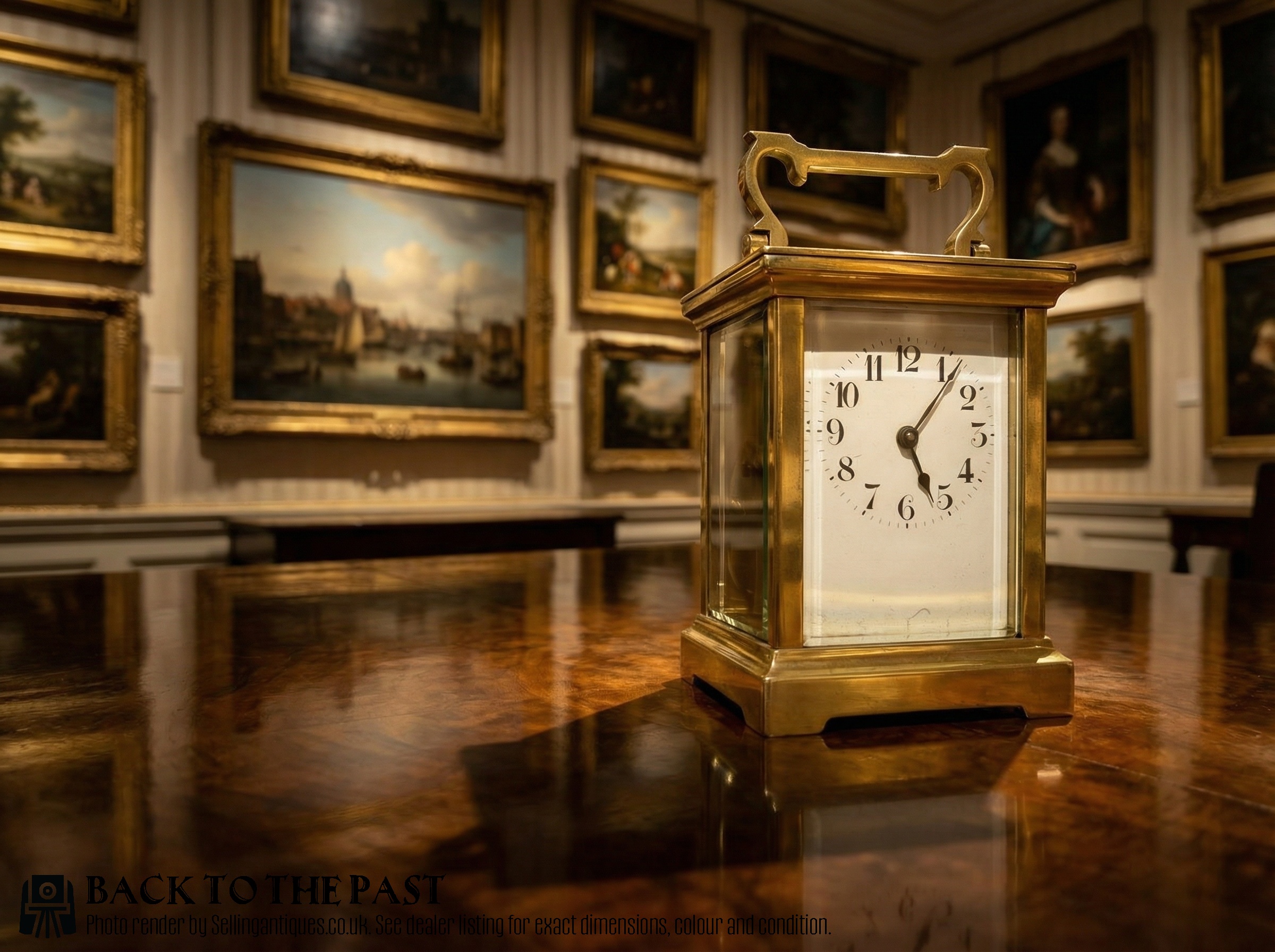
When you search for a traditional brass clock, you encounter solid metal timepieces designed for mantelpieces, desks and travel. The examples appearing on this page span the Victorian and Edwardian eras through to the mid-twentieth century.
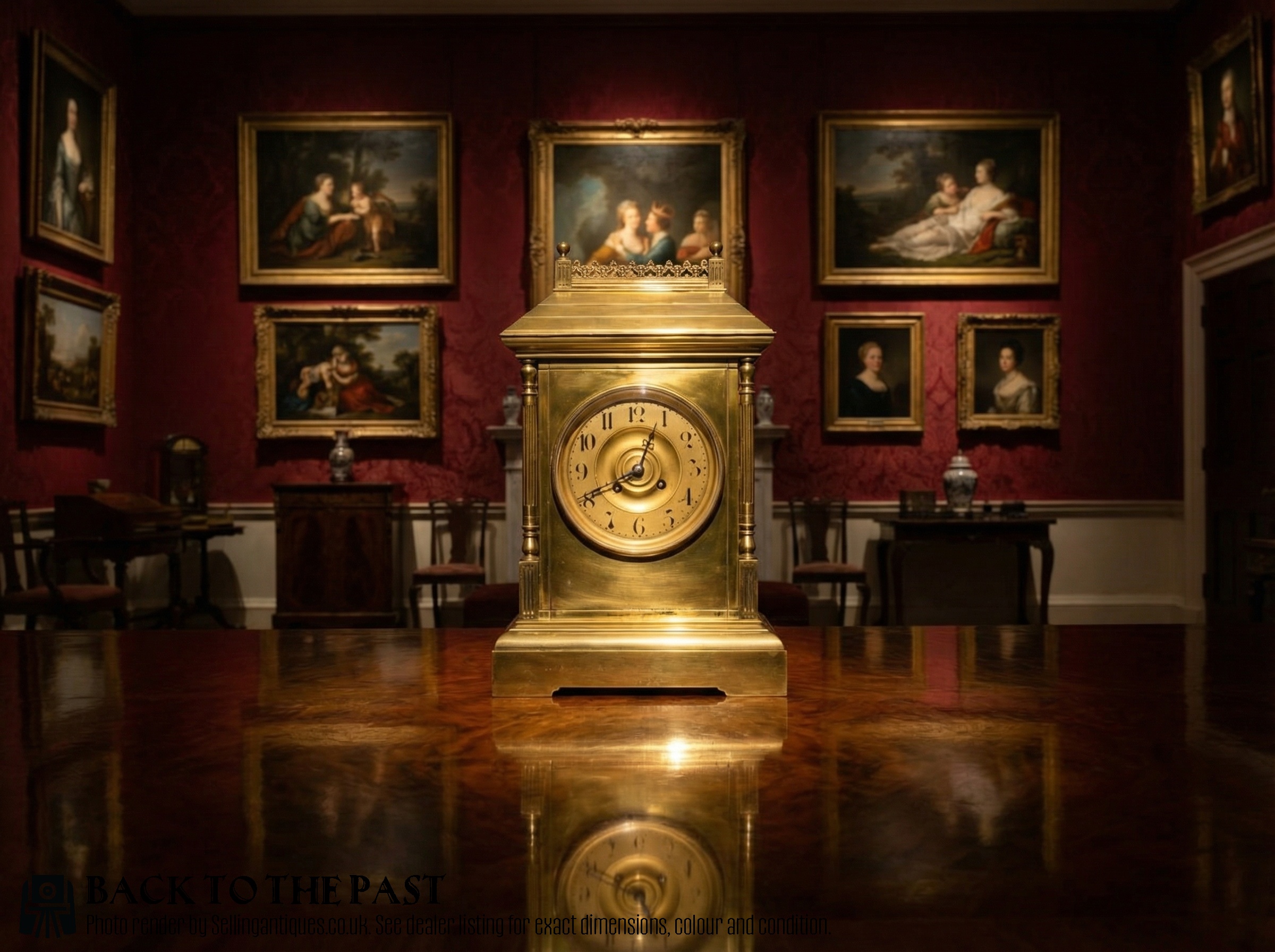
Carriage clocks dominate these listings, taking the form of upright glass-panelled cases with carrying handles on top. You also find mantel clock variants housed in heavier brass housings with traditional dial layouts.
Most pieces date from the nineteenth century and the early decades of the nineteen hundreds. They originate primarily from British and French workshops, utilising robust mechanical movements.
How they were made
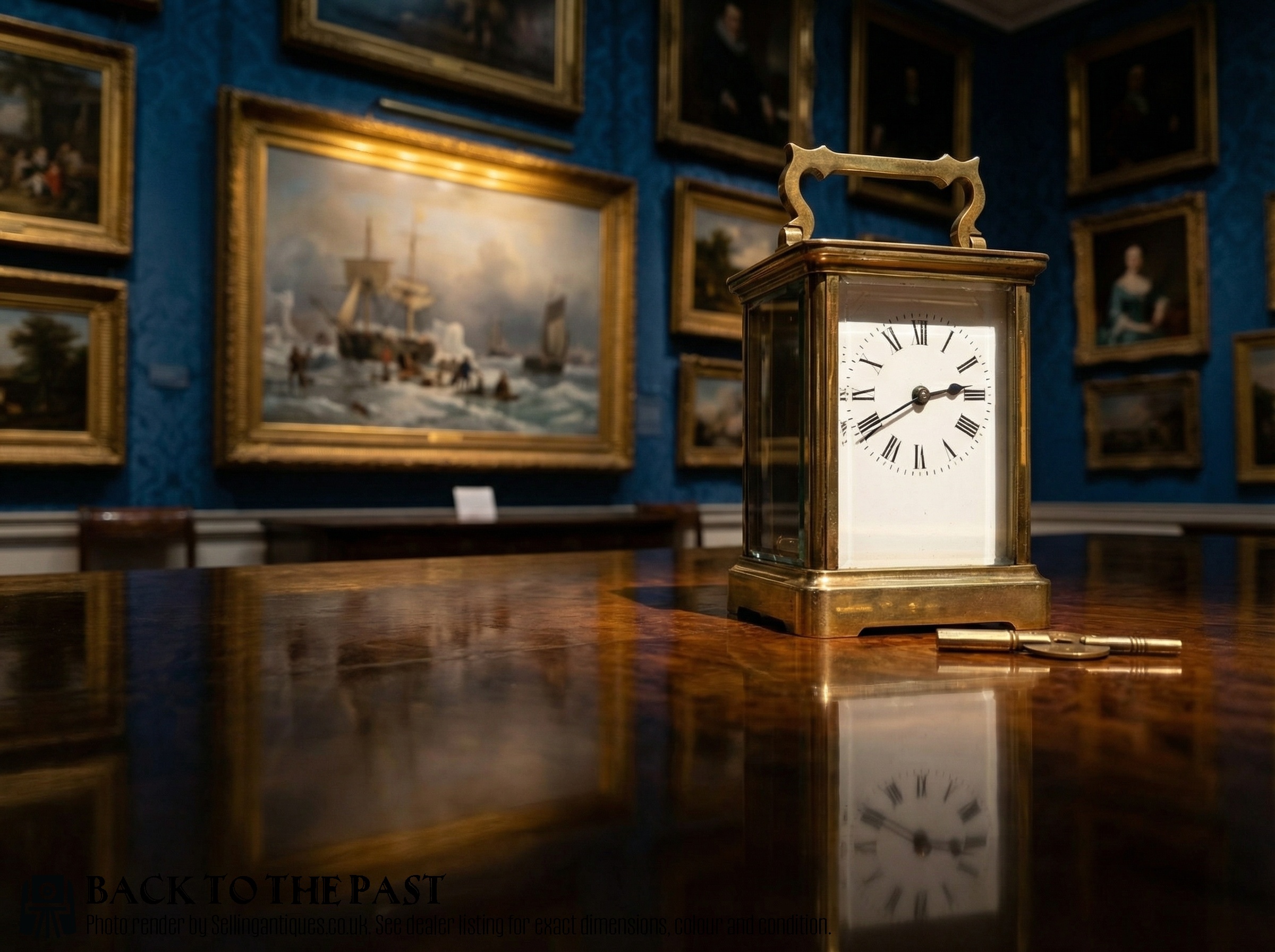
Cases combine heavy cast and sheet brass with bevelled glass viewing panels that expose the internal gear trains. Dials frequently feature white enamel chapter rings with contrasting steel hands.
Maker signatures and movement details are often engraved directly onto the brass backplates or printed onto the enamel faces. Structural joints rely on sturdy pillars and screws rather than modern adhesives.
Retail Price Guide 2026
Typical UK retail prices for traditional brass clock, calculated from the Sellingantiques database of over a million retail prices indexed since 2003. This retail price guide relies exclusively on Sellingantiques data; no external sources or auction records are used, so the figures do not describe the wider market.
Many traditional carriage clocks travelled in custom leather outer cases, protecting their polished brass frames from the rigours of nineteenth-century stagecoach journeys.
What varies in quality
Quality separates ordinary production pieces from superior examples through the crispness of the brass casting and the complexity of the internal complications. Advanced models incorporate additional functions such as moon phases and date displays.
The thickness of the brass plate and the clarity of the bevelled glass panels dictate the overall heft and durability of the object. Finer specimens display meticulous hand-finishing on the interior escapements and polished lever platforms.
L Epee·Penlington And Batty·H Bilton
The Traditional Brass Clock Glossary
- Carriage clock
- A portable spring-driven timepiece developed for travellers during the nineteenth century. These rectangular brass cases feature protective glass panels on all four sides and the top.
- Enamel dial
- A metal disc covered in fused glass powder to create a smooth, white surface for painted numerals. This traditional technique prevents the face from discolouring over decades.
- Gorge case
- A distinctively shaped carriage clock housing with stepped mouldings at the top and base. This style provides extra structural rigidity and a formal architectural silhouette.
- Moon phase
- A mechanical complication displayed on the dial that tracks the lunar cycle. It uses a rotating disc behind an arched aperture to show the phases of the moon.
Frequently Asked Questions
How do I wind a carriage clock?
Insert the matching key into the winding square located on the backplate or underside of the movement. Turn it gently clockwise until you feel resistance.
Avoid over-winding the mainspring, as this can damage the internal mechanism. Stop turning the moment the spring reaches full tension.
Are these clocks suitable for daily mantel use?
These mechanical timepieces function well in everyday settings when placed on a stable, level surface away from direct drafts. Regular placement on a heavy mantelpiece keeps vibrations to a minimum.
Ensure you handle the integrated carrying handle with care if repositioning the clock. Periodic professional servicing keeps the brass gears running smoothly.
How do I identify a Victorian brass clock?
Victorian examples often display heavy cast brass frames, white enamel dials, and traditional Roman numerals. Look for hallmarks or maker signatures engraved directly onto the brass backplates.
Stylistic cues such as robust proportions and bevelled glass panels point towards nineteenth-century British and French workshops.