
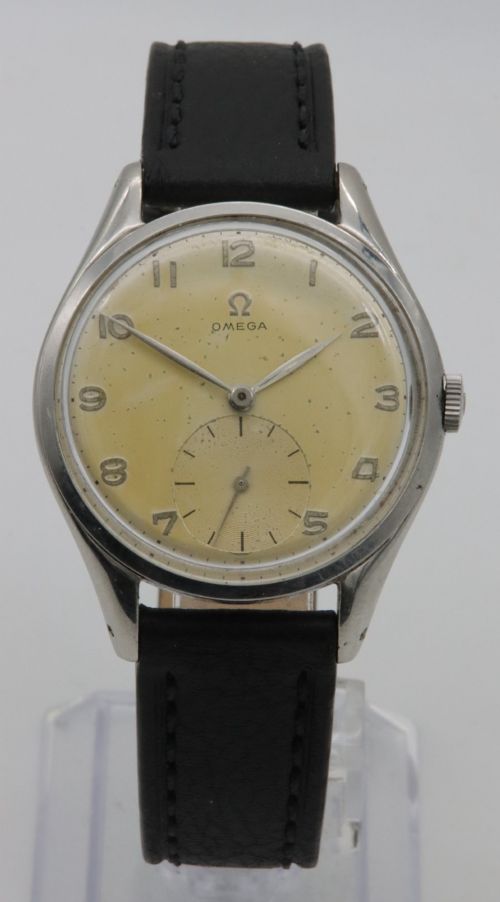
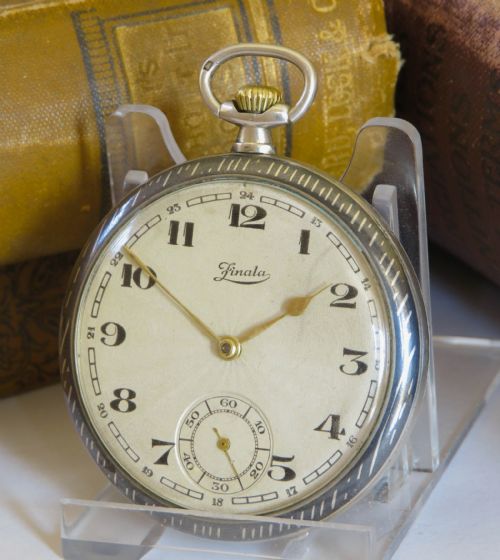
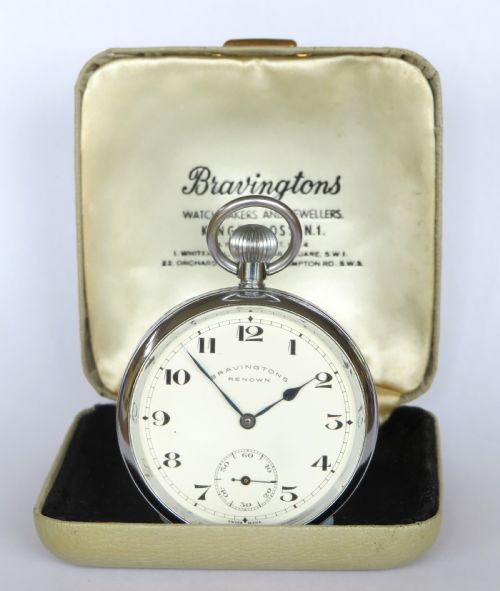
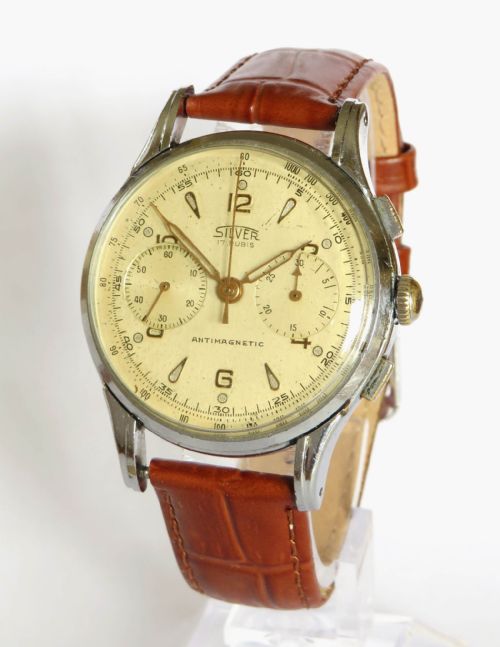
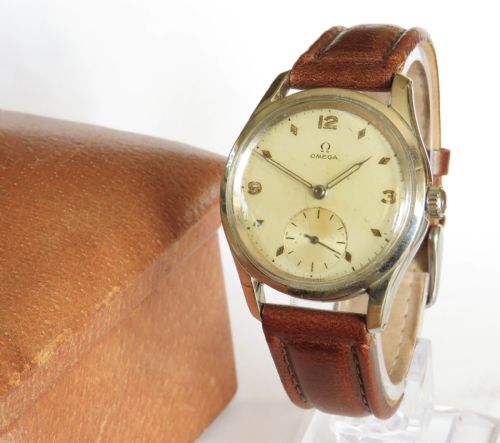
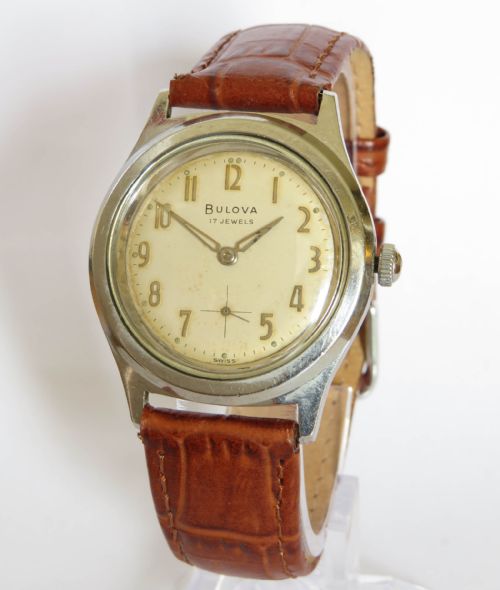
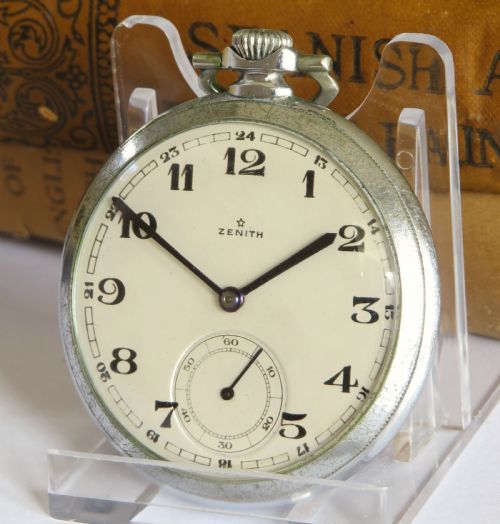


Cream Dial Watch
A cream dial watch brings understated twentieth-century character to the wrist, blending practical vintage utility with a warm, aged face.
What these pieces are
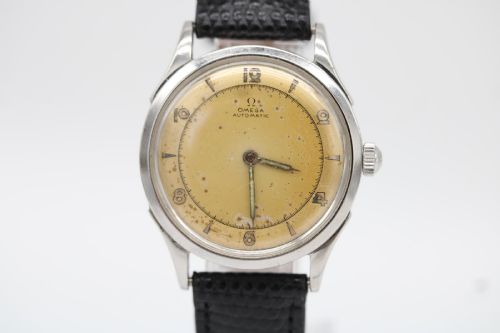
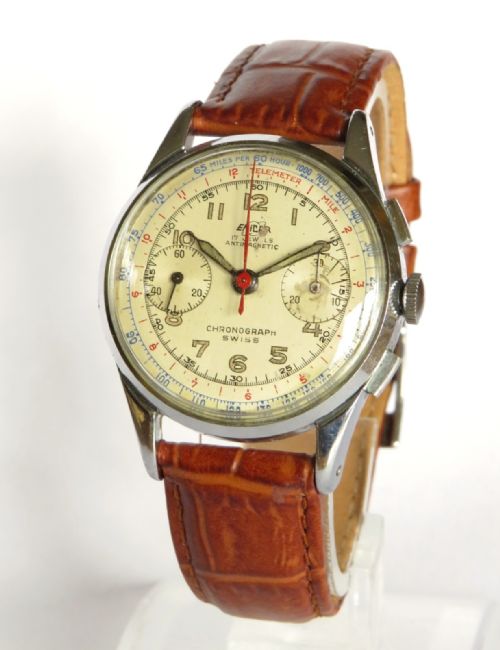
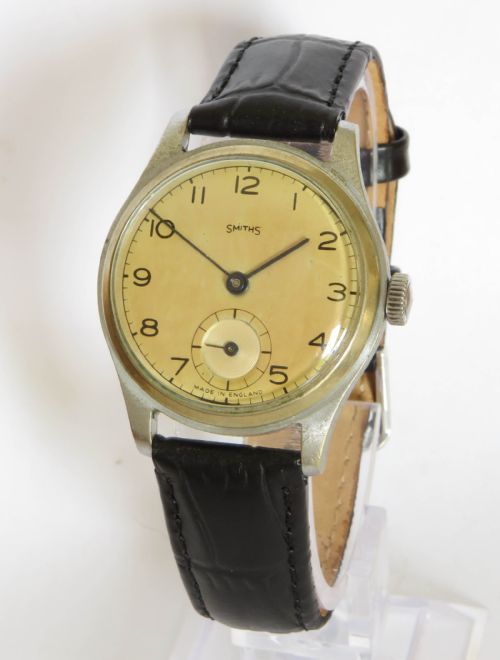
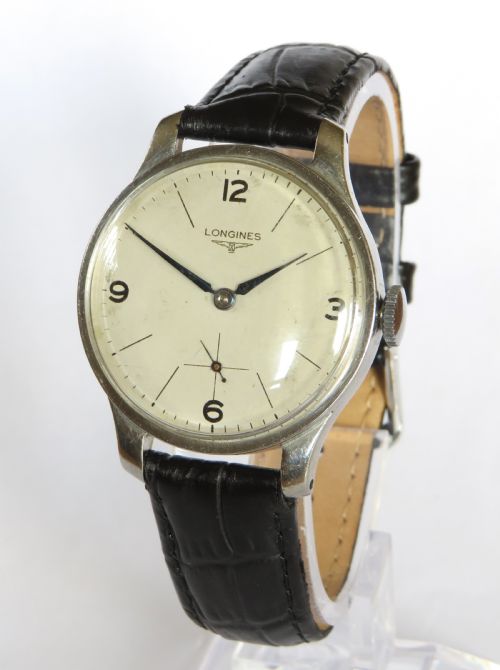
A cream dial watch is a wrist timepiece featuring a light, neutral face that ranges from soft ivory to aged cream, spanning several decades of mid-century design. When searching this phrase, buyers encounter examples originating from the nineteen-forties, nineteen-fifties, and nineteen-sixties, reflecting distinct shifts in horological style. The selection includes utilitarian military pieces alongside refined dress watches from notable Swiss makers.
Most pieces seen here belong to the mid-century and mid-century modern eras, encompassing specific styles such as nineteen-forties utility and second world war military designs. Formats range from rugged service watches to manual wind and automatic wristwatches housed in stainless steel or chrome cases. These timepieces capture the evolution of wristwatches from wartime necessity to daily civilian elegance.
How they were made
Construction relies on durable metal components, utilising stainless steel, chrome, and general metal alloys for the protective watch cases. Acrylic or glass crystals cover and protect the delicate cream dials, while manual wind and automatic mechanical movements power the hands within. The physical architecture reflects the precision engineering standards typical of mid-century Swiss and international horology.
Retail Price Guide 2026
Typical UK retail prices for cream dial watch, calculated from the Sellingantiques database of over a million retail prices indexed since 2003. This retail price guide relies exclusively on Sellingantiques data; no external sources or auction records are used, so the figures do not describe the wider market.
The site's selections span the nineteen-forties, nineteen-fifties, and nineteen-sixties across mid-century horological styles.
What varies in quality
Quality differences rest in the sophistication of the internal movement and the preservation of original dial details. Pieces housing signed, high-grade automatic or manual wind calibres stand apart from standard utility movements through their finishing and precision. The integrity of the cream dial itself, whether featuring distinct linen textures or clean printing, defines the visual hierarchy.
Case materials and historical completeness also separate grades of pieces. Solid stainless steel cases and the inclusion of original documents provide a different level of collector interest compared to basic chrome-plated variants. The overall harmony between case preservation and original dial condition dictates the standing of each wristwatch.
Omega·Rolex·Dogma Prima·Tissot·Timor
The Cream Dial Watch Glossary
- Manual wind
- A mechanical watch movement that requires the owner to turn the crown by hand to tension the mainspring. This traditional winding method precedes automatic self-winding calibres.
- Automatic
- A mechanical watch movement that winds itself using the natural motion of the wearer's wrist via an internal weighted rotor. This mechanism keeps the watch running without manual daily winding.
- Calibre
- The specific manufacturer's designation for a particular watch movement design. Collectors reference this internal code to identify the exact mechanical lineage.
- Acrylic
- A lightweight, shatter-resistant plastic material commonly utilised for vintage watch crystals during the mid-century period. It offers a characteristic warm distortion when viewed at an angle.
- Linen dial
- A watch face finished with a fine crosshatch texture resembling woven fabric. This subtle detail catches the light and elevates the texture of the cream background.
Frequently Asked Questions
How do I wear a vintage watch daily?
Pair your timepiece with clean tailoring or casual knitwear to let the neutral face stand out against fabric cuffs.
Keep older watches away from water and magnetic fields to preserve the mechanical movement inside.
Are these watches waterproof?
Vintage pieces from the nineteen-forties and fifties lack modern rubber gaskets and modern waterproof engineering.
Treat all older wristwatches as vulnerable to moisture and remove them before swimming or washing hands.
What is a manual wind watch?
A manual wind watch relies entirely on fingers turning the crown to tension the internal mainspring.
This mechanical design allows the watch case to remain slim on the wrist.
How do I date a vintage watch?
Examine the movement calibre number and any case hallmarks against historical manufacturer production records.
Stylistic cues like military patterns or mid-century typography also point to specific decades.