
Antique Gold Watch
An antique gold watch brings precision engineering and solid precious metal together in a portable timepiece you wear or carry daily.
Defining the antique gold watch
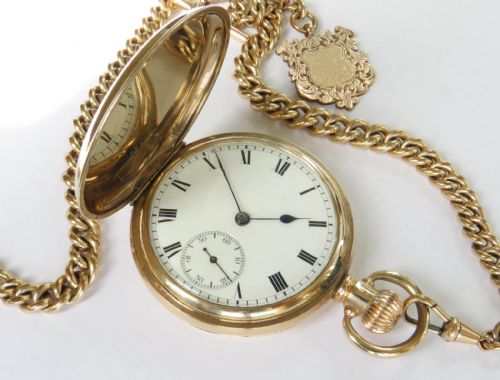
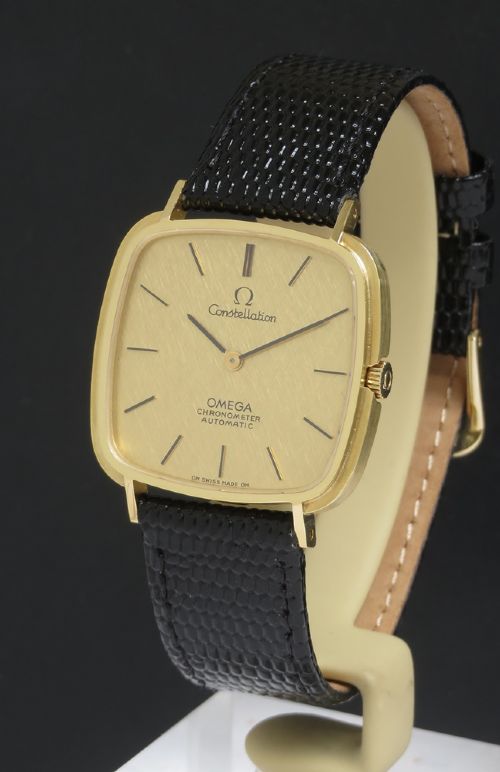
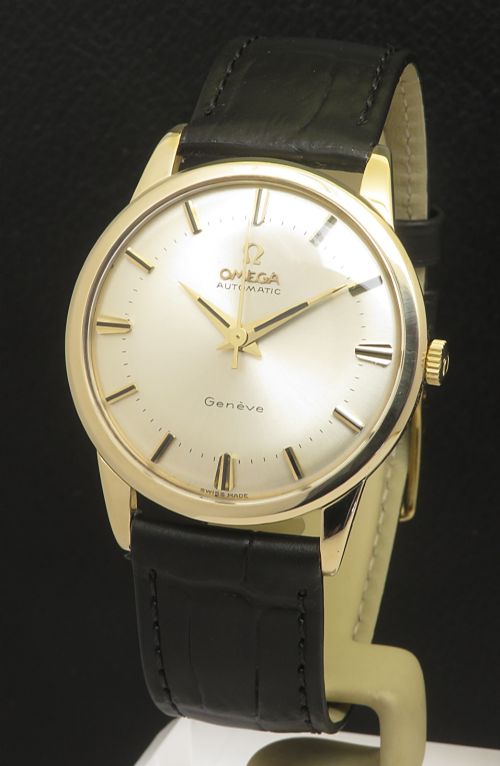
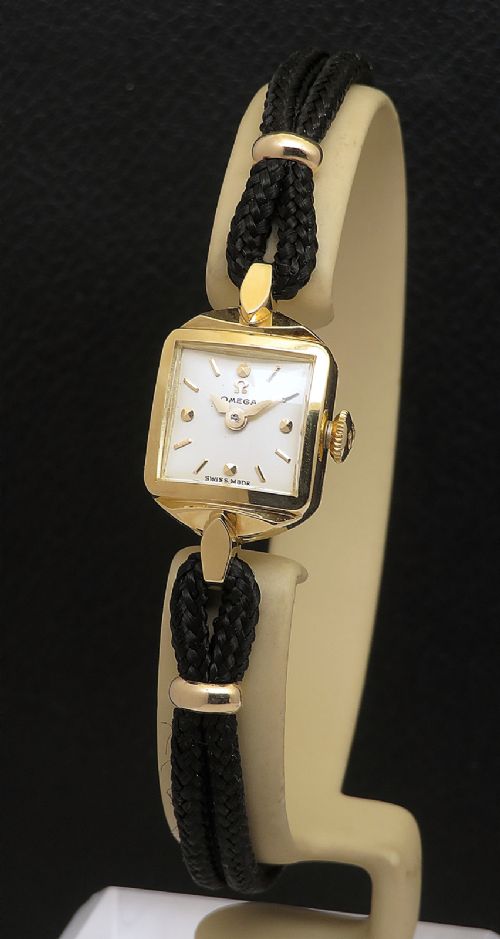
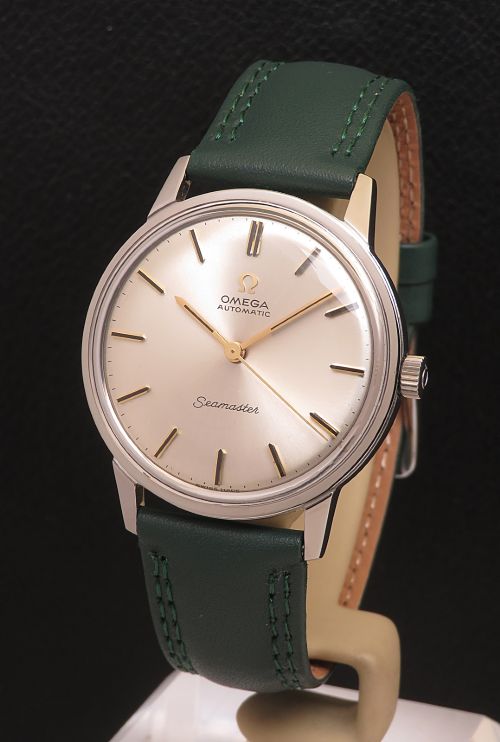
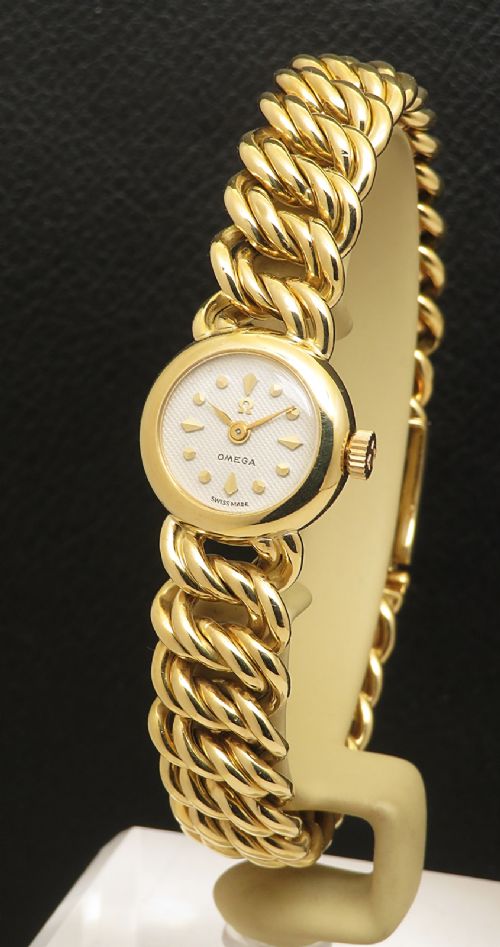
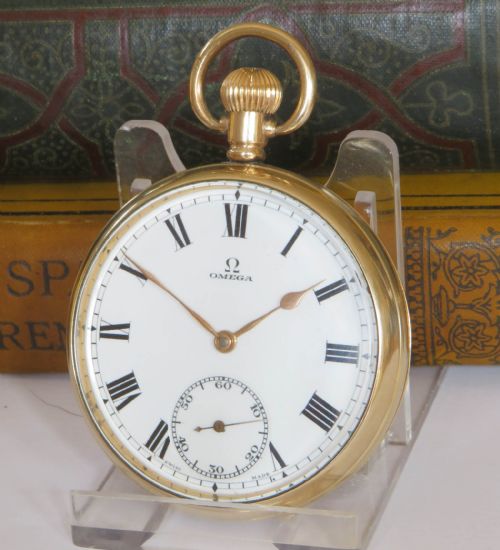
An antique gold watch spans both wristwatches and pocket watches, encompassing forms worn on the wrist or carried in a waistcoat pocket. The pieces on this page draw from twentieth-century decades including the 1910s, 1920s, 1930s and 1950s, alongside earlier Victorian and Edwardian examples recorded in our archives.
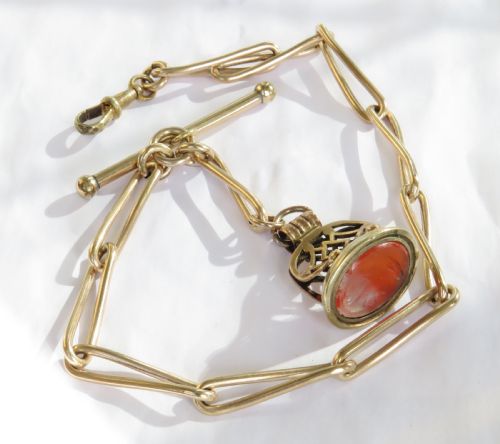
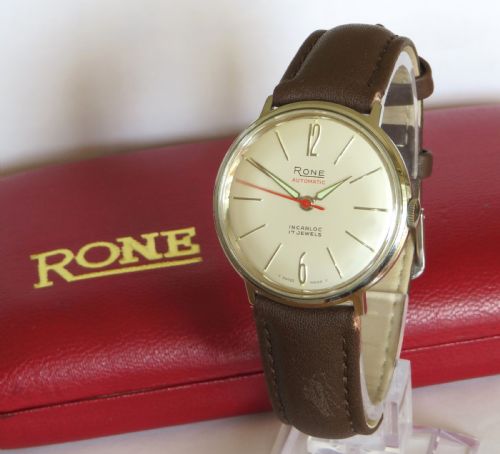
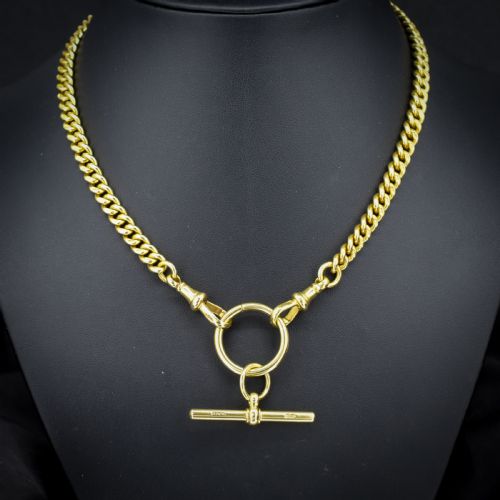
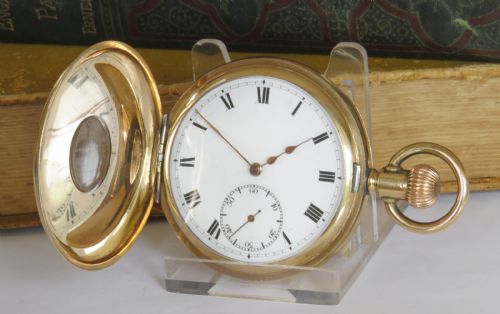
Buyers encounter formats ranging from open-face pocket watches and half hunters to wristwatches featuring leather straps, metal bracelets and square or round dials. Brands and makers such as Rolex, Smiths and Baume appear alongside unmarked pieces and specialised watch chains like albert chains.
The selection reflects both British horology and Swiss manufacturing, with styles moving from Edwardian ornamentation through Art Deco geometry to clean Mid-Century Modern designs.
Materials and construction
The construction relies on precious metals including solid 9ct, 15ct, 18ct yellow and rose gold, supplemented by rolled gold, gold plated metal and gold filled alternatives. Glass protects the dial face, while components like enamel, acrylic, leather and specialised jewels serve internal and external functions.
Movements utilise mechanical engineering, incorporating 15 or 17 jewelled mechanisms, fusee movements and lever escapements. Cases often feature engine-turned engraving, hallmarks for assay offices like Birmingham, and fitted attachments such as dog clips and T-bars.
Retail Price Guide 2026
Typical UK retail prices for gold watch, calculated from the Sellingantiques database of over a million retail prices indexed since 2003. This retail price guide relies exclusively on Sellingantiques data; no external sources or auction records are used, so the figures do not describe the wider market.
Listings feature periods from 1910 to 1950, utilising 9ct gold, rolled gold, glass, leather and enamel across pocket watches and wristwatches.
Distinctions in craftsmanship
Quality differentiates through the weight and purity of the gold housing, moving from rolled metal layers to heavy solid 18ct components. The intricacy of the movement separates standard mass-produced calibres from high-jewelled mechanisms produced by noted makers.
The sophistication of the exterior decoration, from engine-turned cases to hand-engraved details and enamel work, marks the distinction between utilitarian timekeepers and luxury presentation pieces.
Rolex Wilsdorf & Davis·Baume Bimatic·Smiths De Luxe·Louis-Ulysse Chopard·J W Benson
The Antique Gold Watch Glossary
- Half hunter
- A pocket watch with a case cover featuring a glass or open centre circle, allowing the user to read the hands without opening the case.
- Albert chain
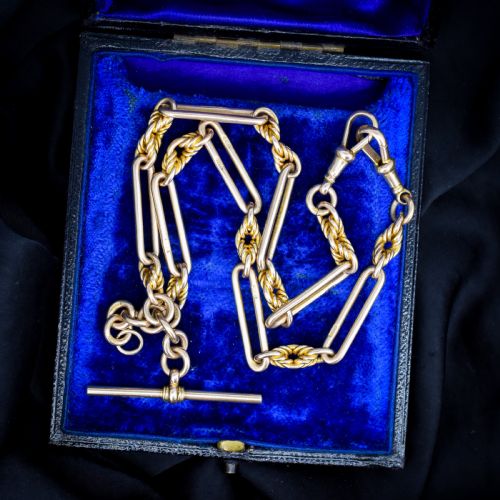
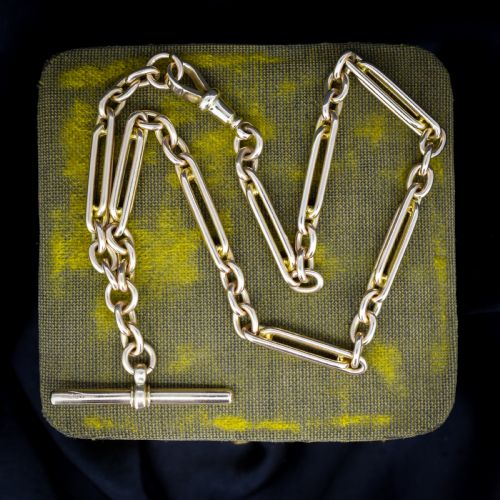
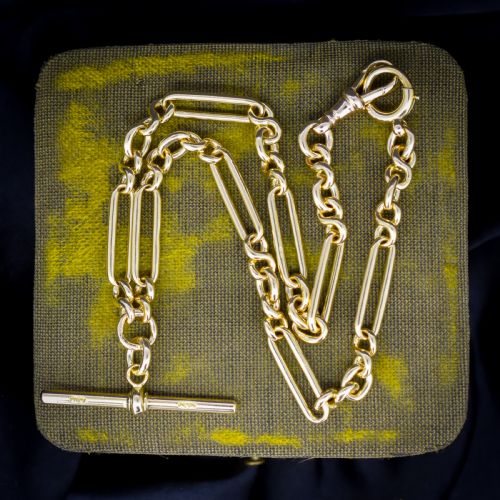
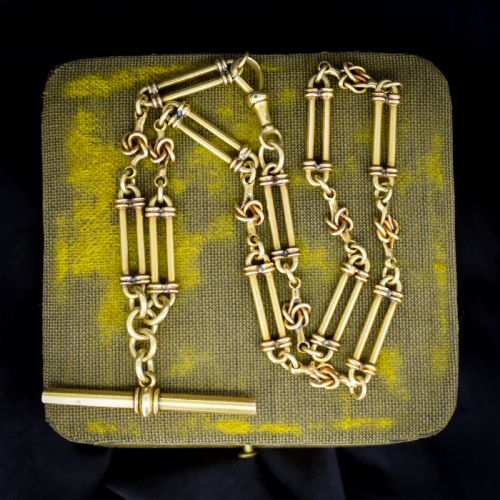
- A heavy watch chain designed to secure a pocket watch to a waistcoat, frequently equipped with a T-bar and decorative fobs.
- Full hunter
- A pocket watch featuring a solid metal spring-loaded cover that completely encloses and protects the dial face until released by a button.
- Fusee
- An archaic conical pulley mechanism inside a mechanical watch that equalises the diminishing power of the mainspring as it unwinds.
- Rolled gold
- A manufacturing method where a sheet of solid gold is mechanically bonded to a base metal core, creating a durable gold surface.
Frequently Asked Questions
What is an albert chain?
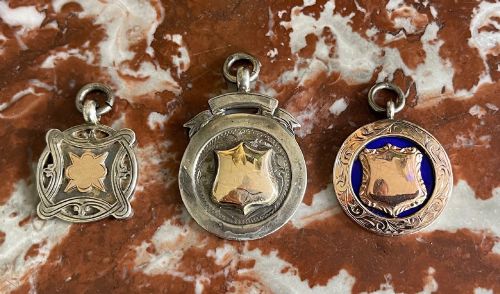
An albert chain is a traditional watch chain designed to tether a pocket watch securely to a gentleman's waistcoat or jacket buttonhole. These pieces often incorporate decorative fobs, sliding medallions or T-bars.
Named after Prince Albert, they were commonly fashioned from solid gold or rolled gold in curb and trombone link patterns.
How do I wind a mechanical watch?
Mechanical watches require manual winding via the crown to tension the internal mainspring that powers the movement. Turn the crown gently clockwise until you feel slight resistance.
Avoid overwinding vintage movements, as forcing the crown past its natural stop can damage the delicate internal gears.
Are these watches suitable for daily wear?
Vintage and antique timepieces require careful handling and regular servicing to maintain reliable timekeeping. Because they pre-date modern shock protection and waterproofing, they suit occasional wear rather than rigorous daily activities.
Pairing a vintage wristwatch with a leather strap or wearing a pocket watch in a secure waistcoat pocket preserves the movement.