
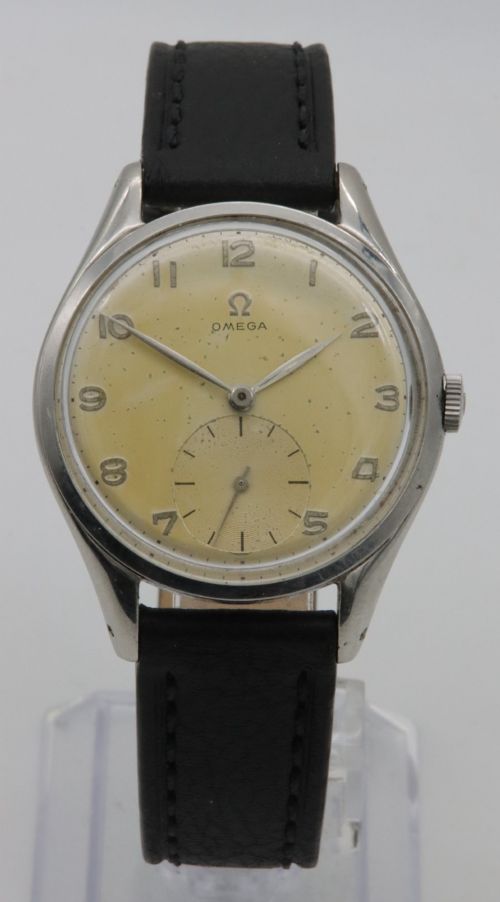
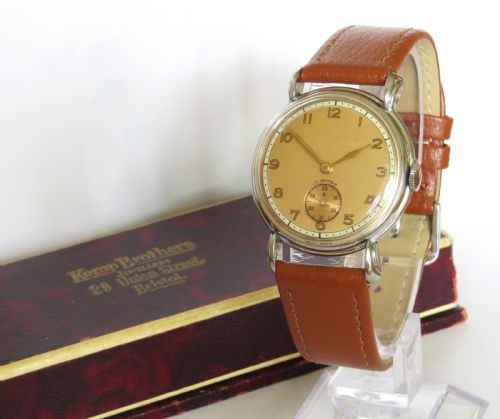
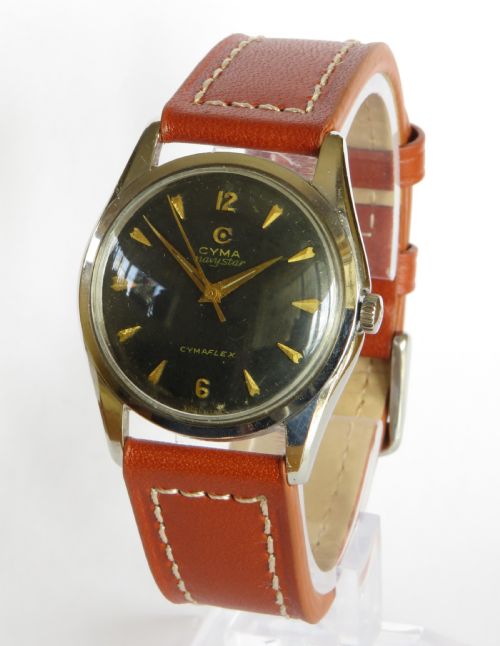
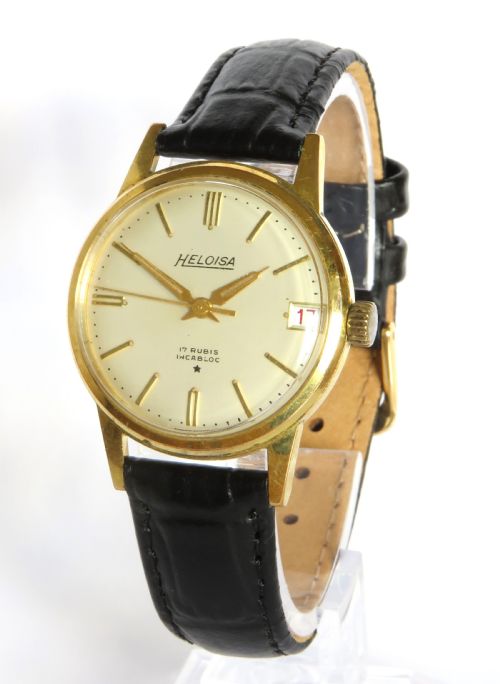
Swiss Dress Watch
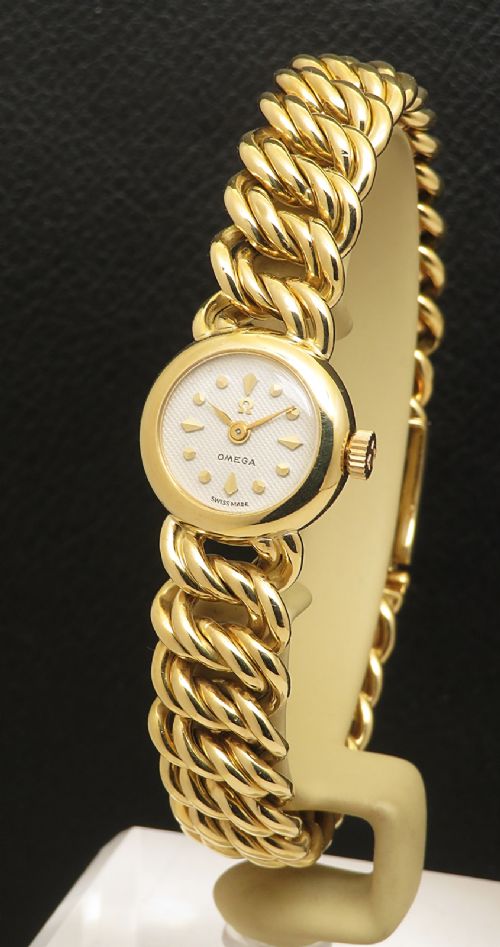
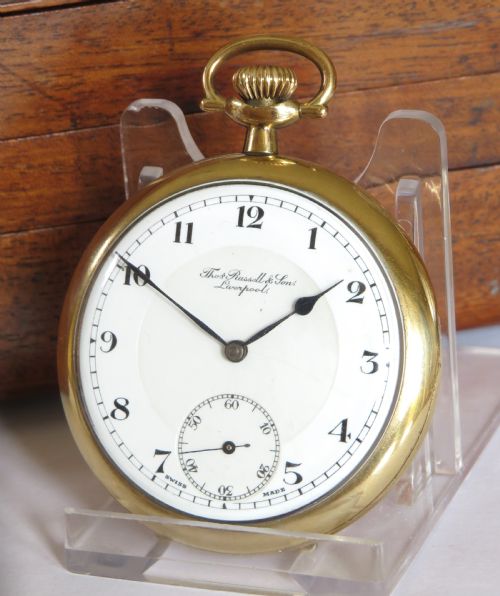
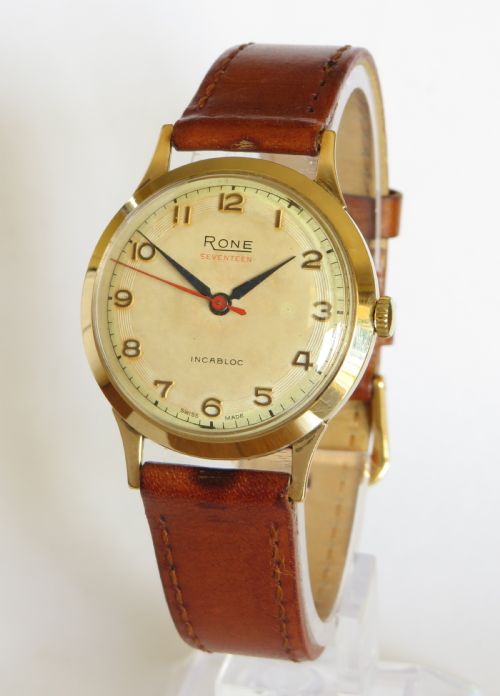
When you search for a swiss dress watch, you enter a domain of timepieces spanning from the 1920s to the 1960s, shaped by mid-century horology and early twentieth-century design.
Swiss Dress Watch
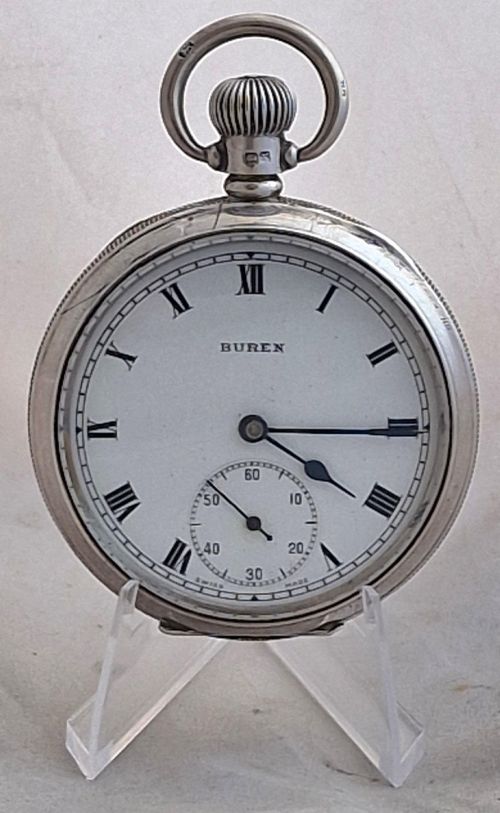
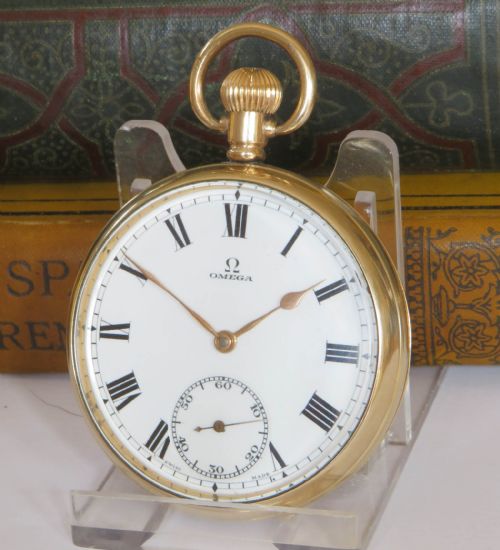
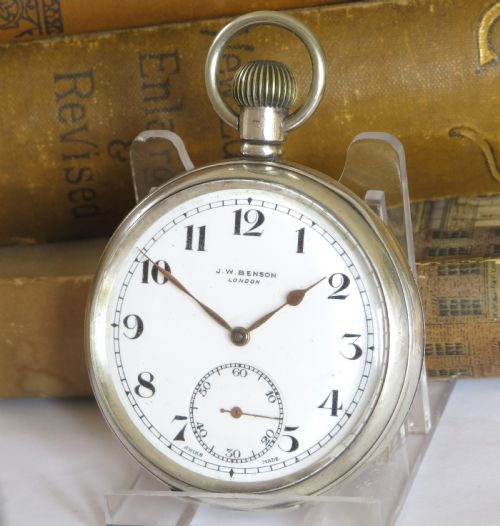
Buyers encounter wristwatches alongside traditional pocket watches, reflecting a broad chronological range of horological output. The dominant forms include automatic, manual, and calendar wristwatches alongside stem-winding pocket watches.
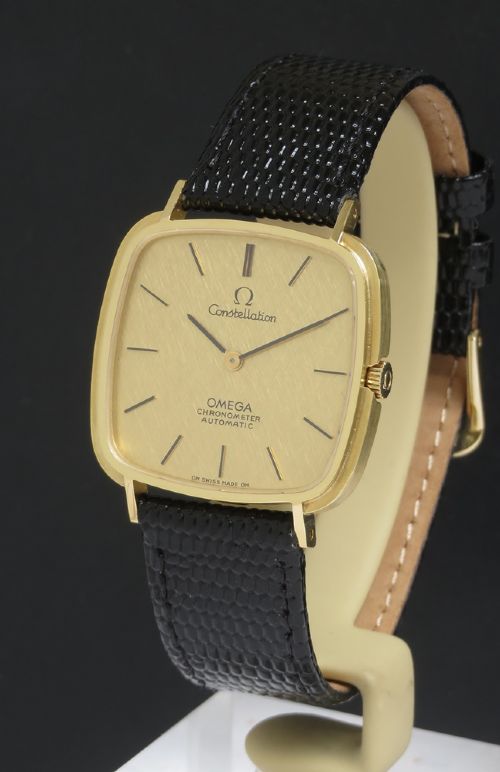
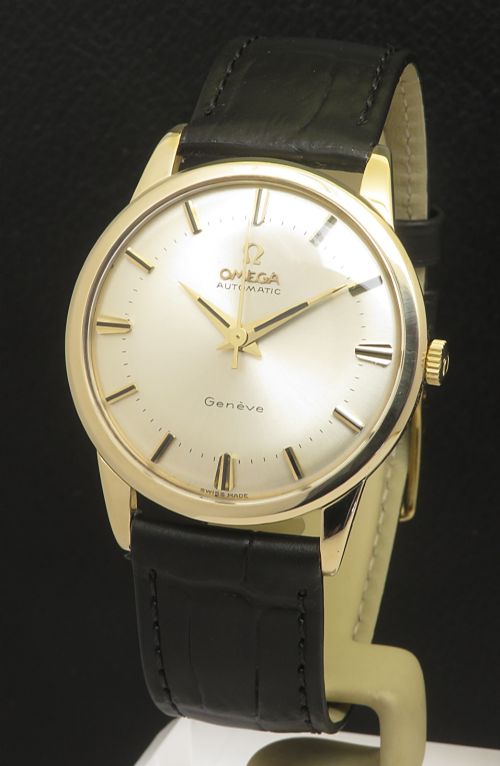
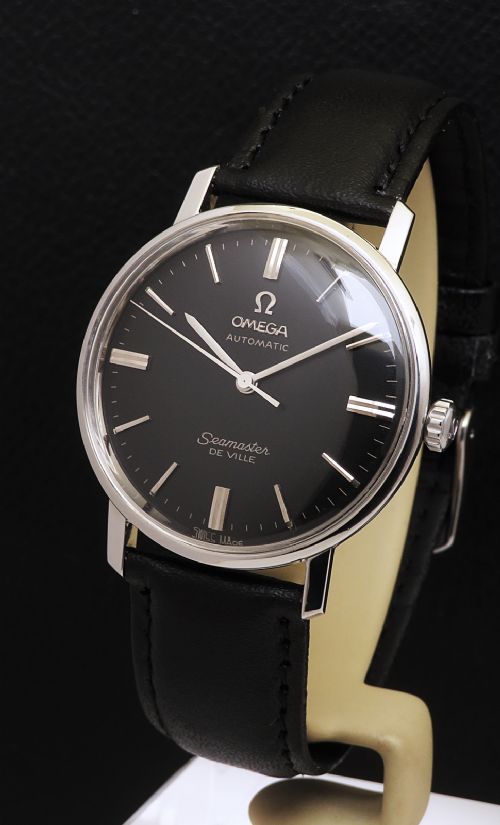
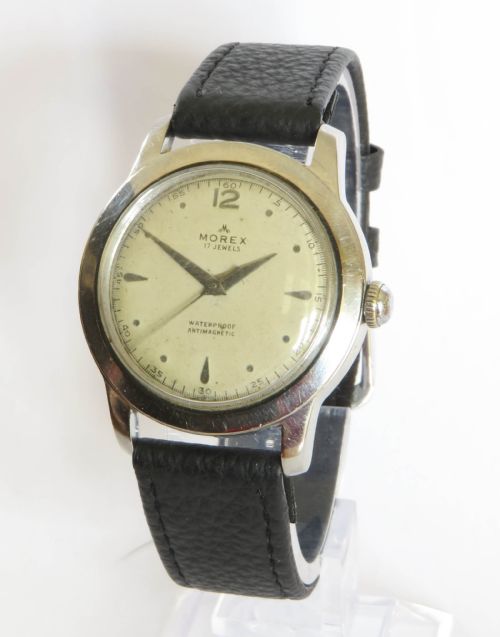
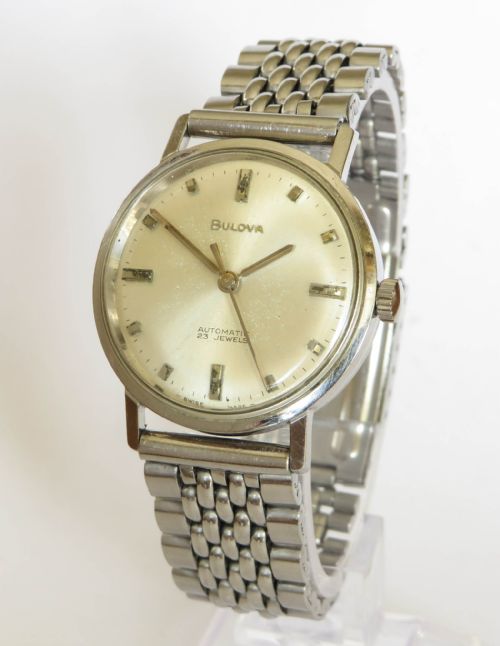
Pieces from the 1950s and 1960s appear frequently, showcasing mid-century aesthetics in both steel and gold cases. These items bridge daily utility with decorative refinement, driven by established Swiss manufacture.
Materials and Construction
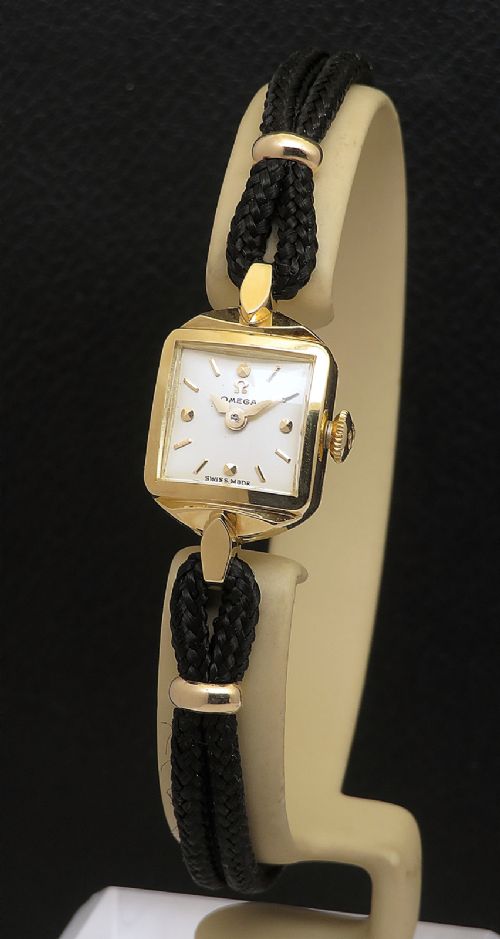
Casework relies on metals ranging from stainless steel and gold plate to solid 9ct gold and 18ct gold, paired with glass or acrylic crystals. Enamel dials and leather straps complete the primary assembly of these horological items.
Movements span manual wind and automatic calibres, housed within cases shaped during periods of distinct mid-century and Art Deco design. Manufacturing integrates traditional pocket watch architecture with evolving wristwatch engineering from the early to mid-twentieth century.
Some resilient pocket watches survived a century of coat pockets simply to tell the exact time you miss your train.
Distinctions in Quality
Quality diverges between standard commercial production and chronometer-grade or deluxe tier movements produced by premier Swiss workshops. The use of solid 18ct gold or 9ct gold casework elevates a piece above gold-plated or stainless steel alternatives.
The presence of original boxes, papers, and factory components distinguishes preserved examples from those lacking original documentation. Movement complexity, such as automatic winding mechanisms and chronometer certification, separates baseline utility calibres from high-tier execution.
Omega·Buren·Morex by Montilier·Cyma·Thomas Russell and Son·J W Benson·Sackville·Revue·Tavannes·Minerva·Festina·Gruen·Eterna Matic·Rone·Bulova·IWC·Rolex·Bucherer·Roamer
The Swiss Dress Watch Glossary
- Chronometer
- A high-precision timepiece capable of carrying a certificate from an official testing authority. These movements undergo rigorous testing for accuracy across various temperatures and positions.
- Calibre
- The specific internal movement of a watch, designated by the manufacturer by number or name. Understanding the calibre helps identify the exact mechanical lineage of the piece.
- Automatic
- A self-winding mechanical movement that uses the natural motion of the wearer's wrist to power the mainspring. This system removes the need for daily manual winding.
- Stem winding
- A mechanical method of tensioning the mainspring via the crown at the side of the case rather than a separate key. This innovation dominated pocket watch and wristwatch design through the twentieth century.
- Bumper
- An early form of automatic movement where the rotor swings back and forth through a limited arc rather than spinning 360 degrees, cushioned by springs. This mechanism represents a specific transitional phase in mid-century horology.
Swiss Dress Watch: Frequently Asked Questions
How do I identify the production era of a Swiss watch?
The production era is typically identified through movement serial numbers, case hallmarks, and stylistic indicators such as dial typography and lug design. Art Deco styling and pocket watch formats often point to the 1920s and 1930s, while automatic calibres and minimalist dials generally indicate the 1950s and 1960s.
Matching the movement calibre and case references with historical manufacturer catalogues provides a precise date. Hallmarks on gold and silver cases offer further chronological markers based on assay office stamps.
What is the difference between manual and automatic watches?
Manual wind watches require the wearer to turn the crown by hand to tension the mainspring, whereas automatic watches incorporate a weighted rotor that winds the mainspring using the natural movement of the wrist. Automatic mechanisms became increasingly prevalent during the mid-twentieth century.
Manual movements generally allow for a slimmer case profile, which suited the dress watch aesthetic of the mid-century period. Automatic watches offer greater convenience for daily wear by maintaining a constant power reserve through regular movement.
How were pocket watches used alongside wristwatches?
Pocket watches were carried in waistcoat or jacket pockets, often secured by a chain attached to a garment buttonhole. They served as primary timekeepers before wristwatches gained widespread acceptance in the mid-twentieth century.
Even as wristwatches became the standard form for daily wear, pocket watches continued to be produced for specific professional and formal uses. The transition from pocket watches to wristwatches marks a major shift in twentieth-century personal accessories.
How should I care for a vintage Swiss dress watch?
Vintage Swiss timepieces require careful handling, protection from moisture, and periodic servicing by a qualified horologist to ensure mechanical longevity. Avoiding magnetic fields and extreme temperature changes helps maintain the accuracy of delicate internal components.
Leather straps should be kept dry and replaced when worn, while gold and steel cases benefit from gentle cleaning with a soft cloth. Manual and automatic movements operate best when lubricated and serviced at regular intervals.