
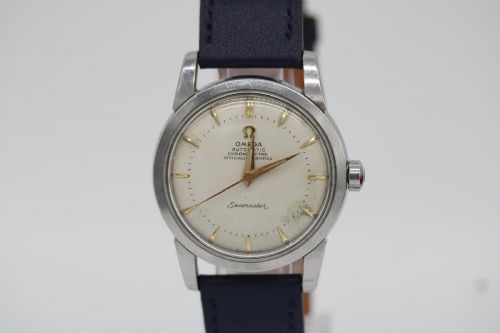
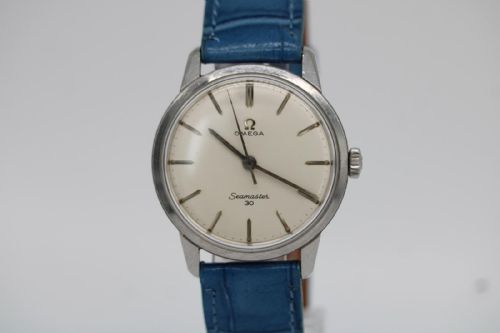

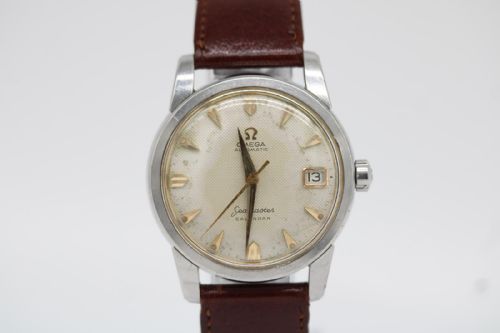
Vintage Omega Seamaster
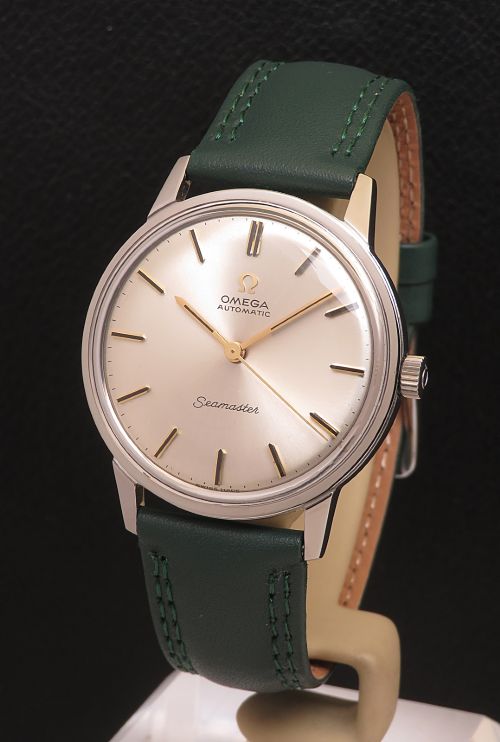
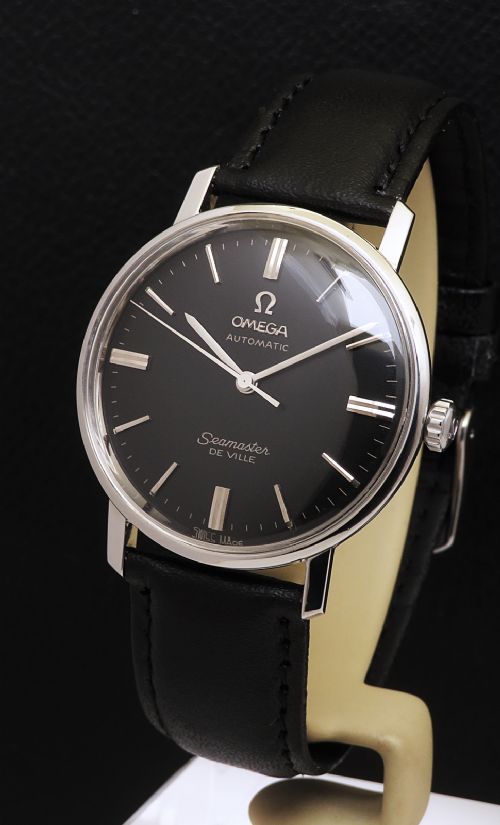
A vintage omega seamaster offers mid-century Swiss horology at its finest, combining robust waterproof heritage with timeless dress watch elegance.
Vintage Omega Seamaster
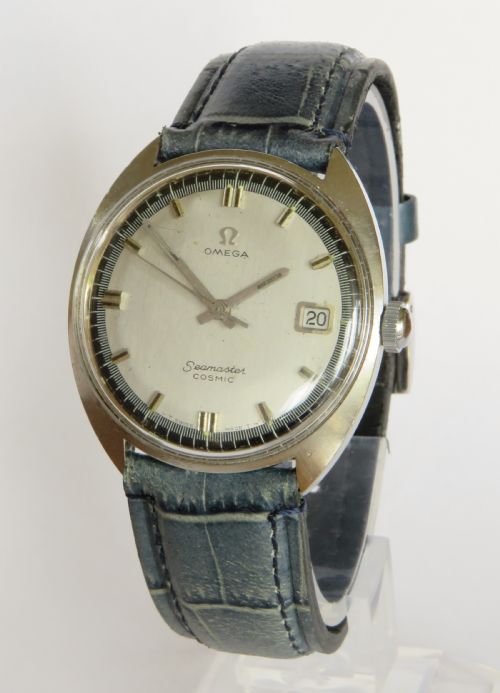
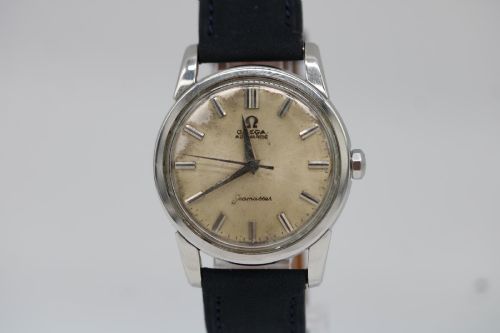
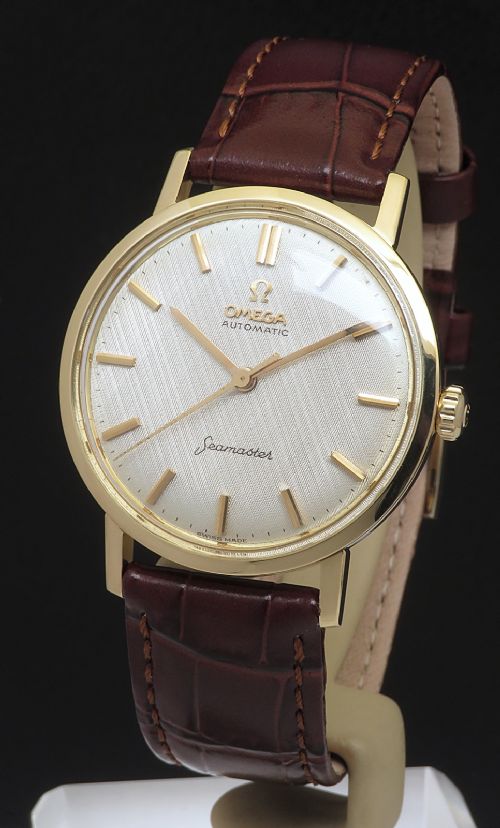
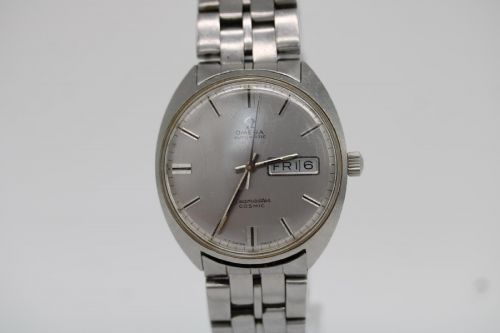
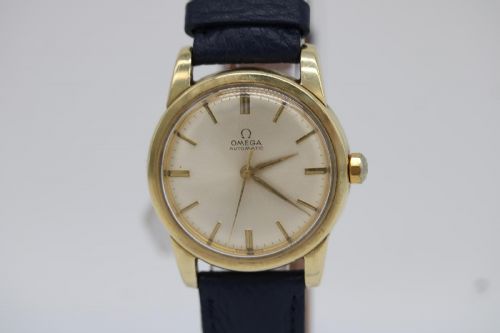
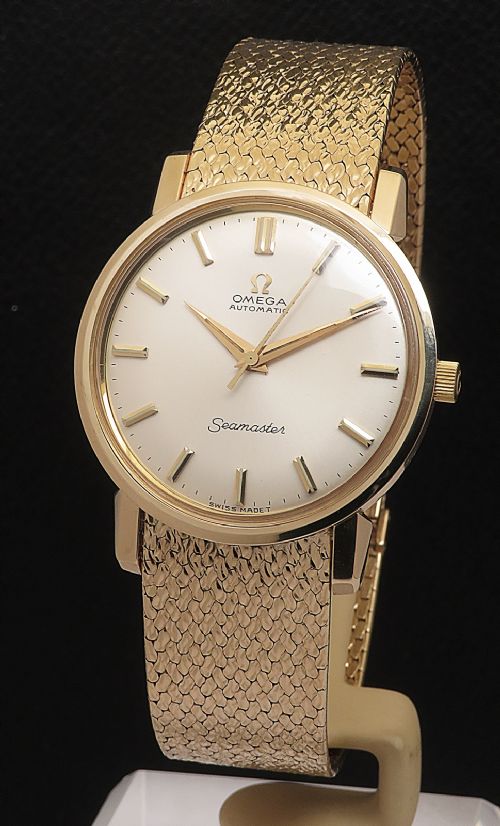
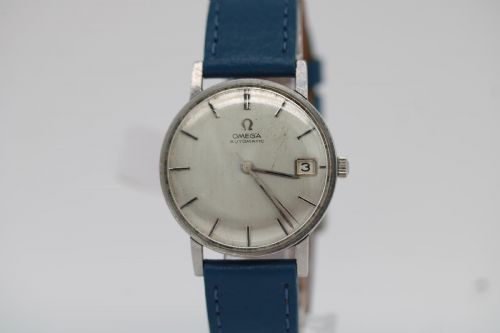
When searching for a vintage omega seamaster, buyers encounter mid-century wristwatches spanning the 1950s, 1960s, and later periods. These pieces range from simple manual wind timepieces to automatic calendar models, chronographs, and divers.
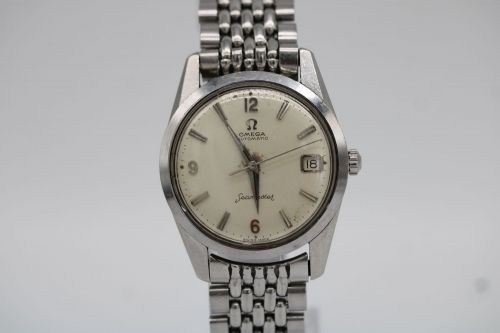
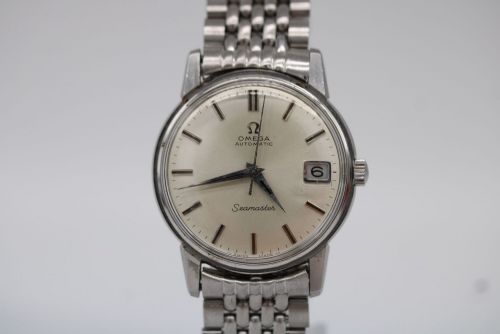
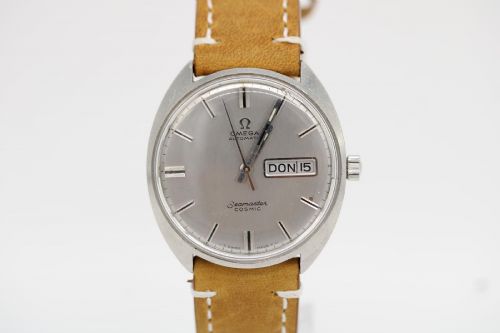
The selections on this page predominantly reflect mid-century modern styling, featuring round or cushion cases, distinctive dials, and fitted leather straps or metal bracelets. Originating from Switzerland, these items served as durable daily wear that transitioned easily into formal contexts.
Metals and Movements
Dial construction incorporates applied markers, painted numerals, and specialised textures such as honeycomb, sunburst, or patinated finishes. Case backs frequently display the characteristic Seamaster medallion logo stamped into the metal.
Vintage Omega Seamaster Retail Price Guide 2026
Typical asking prices for vintage omega seamaster among the pieces listed under this phrase on Sellingantiques today, from the lower quarter to the upper quarter. They describe what is for sale here now, not the wider market.
Listings feature stainless steel, solid 9ct gold, and 18ct gold cases paired with leather straps and acrylic glass crystals.
Preservation and Mechanics
Quality differentiates through the original factory condition of the dial, hands, and case edges against polished or replacement components. Untouched dials and unpolished cases with sharp geometric lines represent the highest tier of collectable preservation.
Mechanical integrity and completeness further separate examples, with serviced movements and the presence of original boxes and paperwork adding significantly to the historical fidelity of the watch.
Omega
The Vintage Omega Seamaster Glossary
- Calibre
- The specific internal mechanical movement manufactured by the watchmaker. Each calibre number designates a distinct movement design and generation.
- Bumper automatic
- An early self-winding mechanical movement where a weighted rotor swings back and forth within a limited arc, imparting impulses to the mainspring.
- Acrylic glass
- A lightweight, shatter-resistant form of plastic utilised for watch crystals during the mid-century period. It can be polished to remove surface scratches.
- Honeycomb dial
- A decorative textured dial surface resembling a geometric grid pattern. This texture creates subtle play with light across the watch face.
- Chronometer
- A high-precision timepiece tested and certified to meet strict accuracy standards over various temperatures and positions.
Vintage Omega Seamaster: Frequently Asked Questions
What makes a Seamaster vintage?
A vintage Seamaster originates from the mid-twentieth century, specifically spanning production eras from the 1950s through the late 1960s. These decades encompass the introduction of the model line, early bumper movements, and subsequent rotor automatics.
Such timepieces reflect the manufacturing methods and stylistic conventions of Swiss watchmaking before the advent of quartz technology. They represent a distinct historical period of mechanical reliability and mid-century design.
How do I wind a manual Seamaster?
Manual wind Semaster models require turning the crown clockwise between the thumb and forefinger until slight resistance is felt. Care must be taken not to force the crown past this stopping point to avoid damaging the mainspring.
This action tensions the internal spring, storing energy to power the mechanical movement for roughly thirty to forty hours. Daily winding at a consistent time helps maintain steady operational tension.
Are vintage Seamasters waterproof?
Original vintage Seamasters featured robust water resistance derived from specialised case back seals and crown gaskets. Over decades, however, these rubber components degrade and lose their protective barrier capabilities.
Modern exposure to moisture, rain, or immersion should be avoided unless a watchmaker has recently replaced the gaskets and tested the seals. Historic water resistance ratings do not apply to aged timepieces without current maintenance.
What is the difference between bumper and automatic?
Bumper automatic movements utilise a semi-circular weighted rotor that swings back and forth against internal springs, providing a distinct physical pulse to the wrist as it winds. Full rotor automatic movements employ a weight that rotates a full three hundred and sixty degrees.
Both systems utilise wrist motion to tension the mainspring automatically, but the bumper mechanism represents an earlier mid-century engineering approach. Collectors often appreciate the tactile feedback and historical charm of the bumper calibre.