
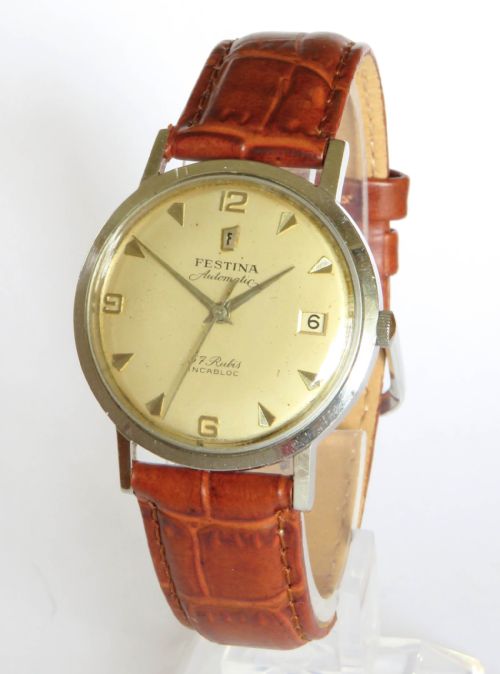
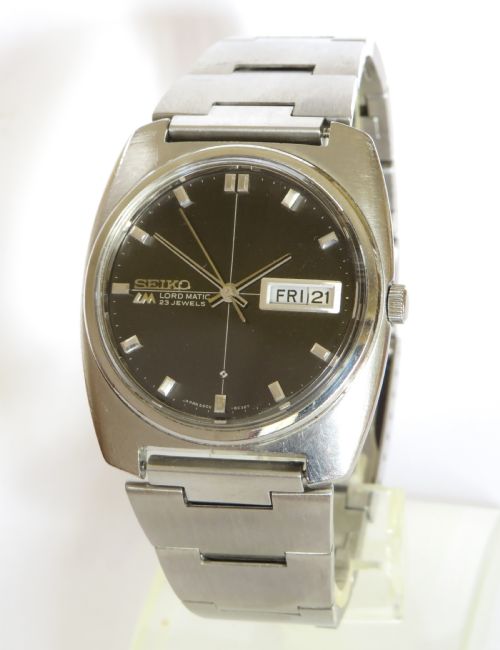
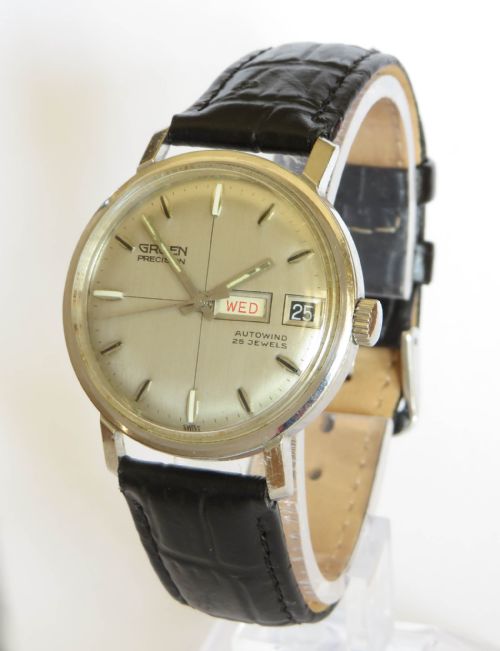
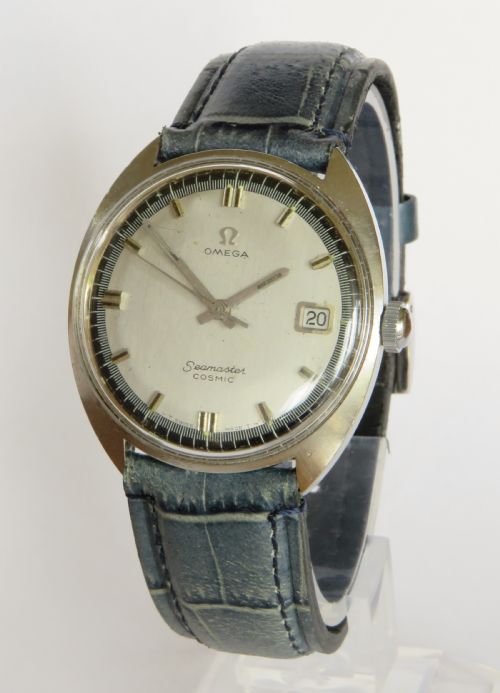
Automatic Wrist Watch
Discover an automatic wrist watch from the mid-century decades, built for daily wear without manual winding.
Automatic Wrist Watch
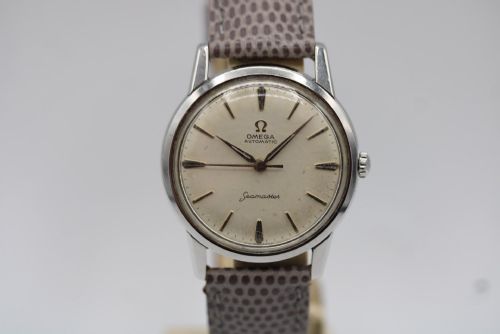
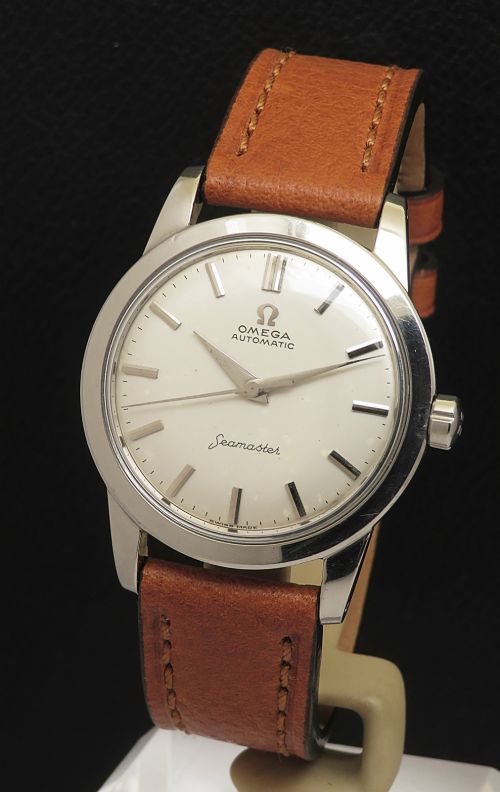
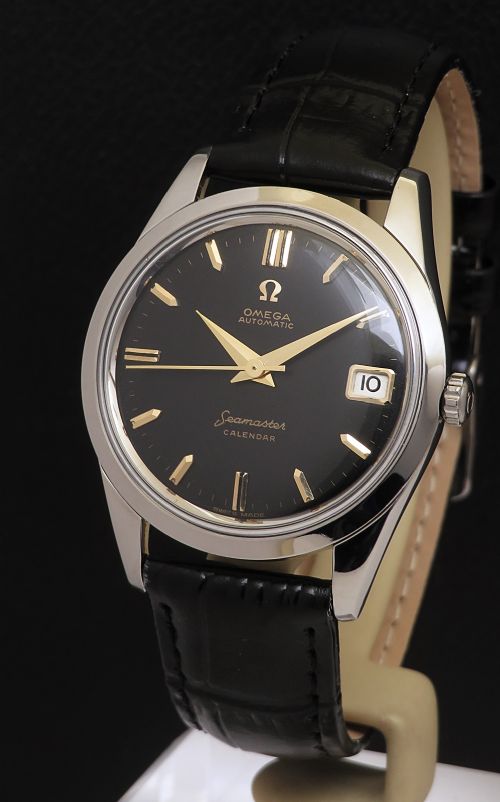
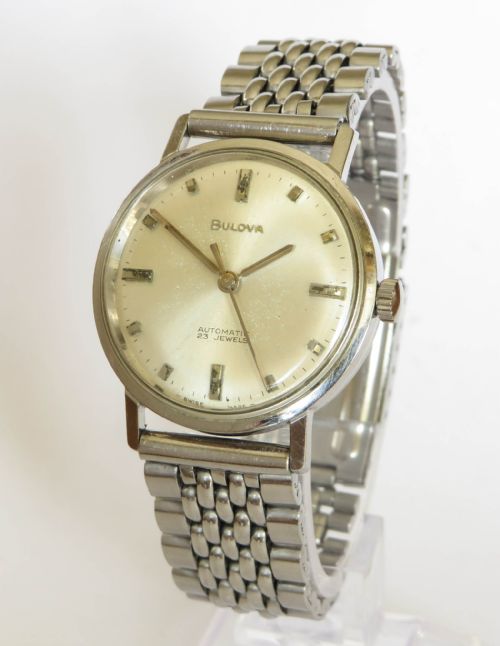
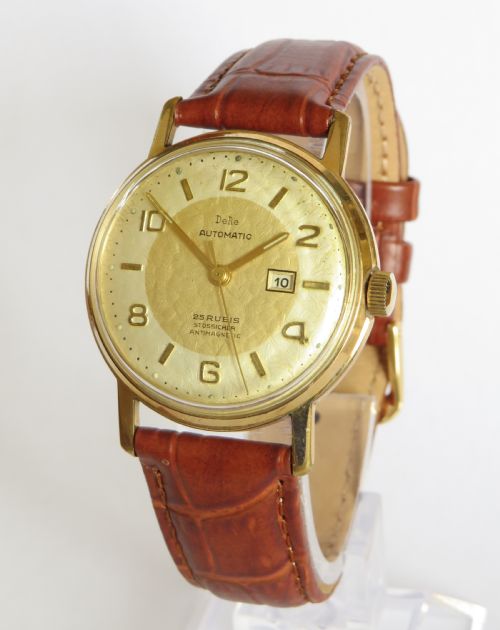
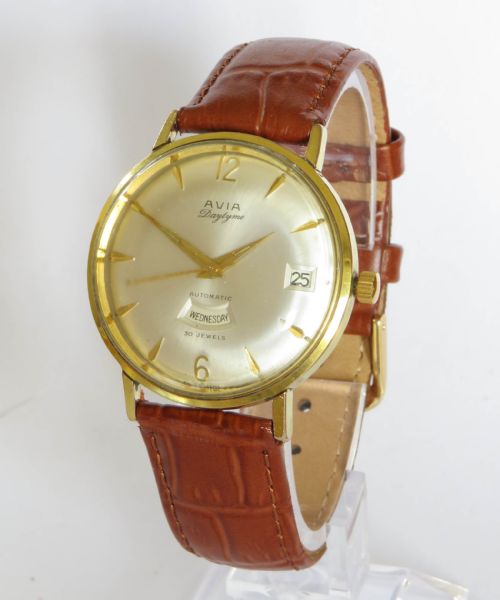
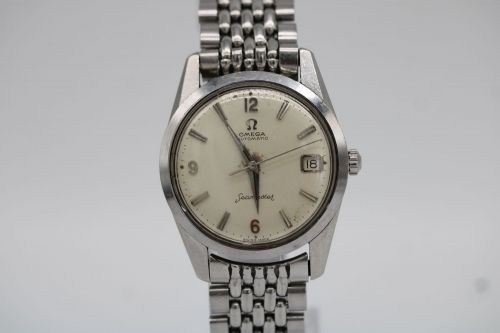
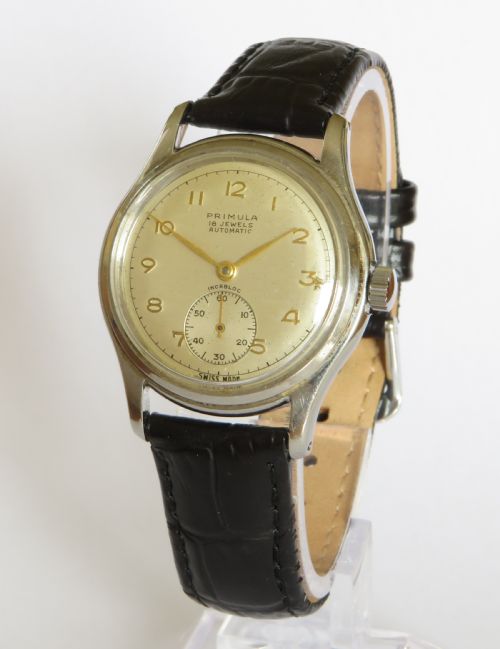
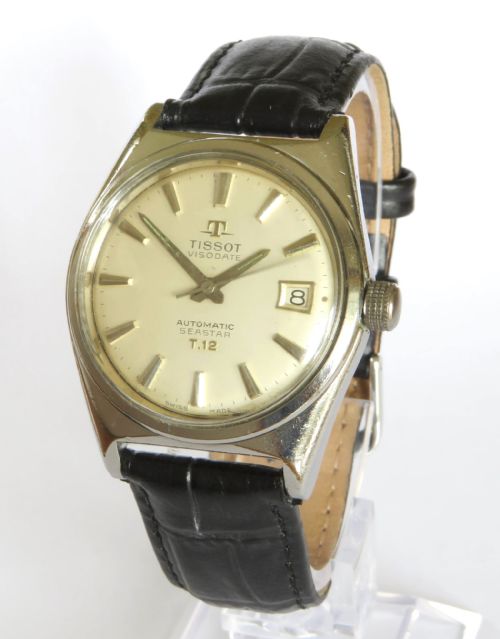
An automatic wrist watch represents the standard mechanical timepiece of the 1950s and 1960s, driven by internal weights that wind the mainspring through natural arm movement. These items appear primarily in gentleman's formats featuring round cases, subsidiary dates, and distinctive dial textures.
The selections span mid-century modern designs typical of post-war horology, originating from established Swiss workshops and international makers. Buyers encounter pieces ranging from dress models in solid precious metals to rugged utility pieces housed in stainless steel.
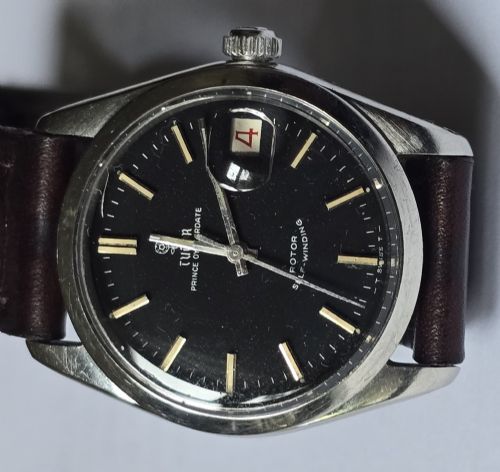
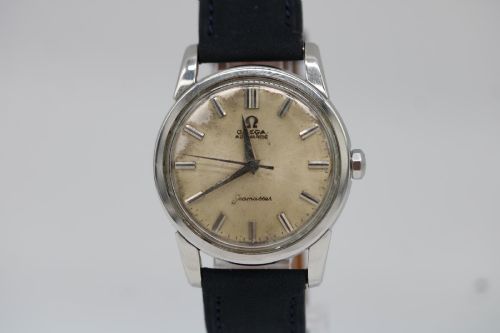
Makers such as Omega, Tudor, and Eterna dominate the surviving examples from this era, often carrying waterproof or chronometer certifications. The configuration relies on mechanical self-winding movements rather than electrical quartz systems.
Materials and construction
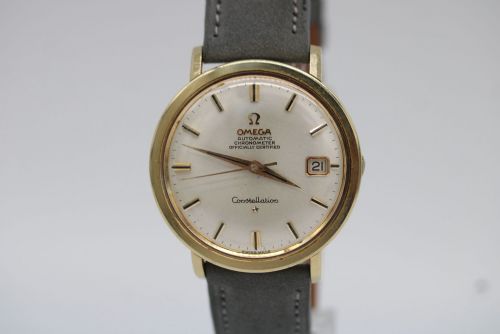
Casework utilises stainless steel, gold plate, gold-filled layers, and solid 9ct or 18ct gold, paired with fitted leather straps. Crystal protection relies on glass or acrylic and acrylic glass domes.
Movements incorporate mechanical gear trains driven by oscillating weights, including early bumper automatic mechanisms that nudge back and forth against springs. Dials feature applied metal markers, printed minute tracks, and patinated or sunburst finishes.
Some vintage movements give a gentle tap against the wrist to let you know they are alive.
Standards of manufacture
Quality differences depend on the complexity of the movement calibre, such as chronometer-grade adjustments versus standard commercial output. Solid gold cases and specialised lines like the Seamaster or Constellation denote higher tiers of original production.
Preservation of original dial printing, hands, and signed crowns distinguishes upper examples from those with replaced components. The presence of original boxes and papers elevates specific surviving pieces.
Omega·Tudor·Eterna·Seiko·Bulova·Longines
The Automatic Wrist Watch Glossary
- Bumper automatic
- An early self-winding mechanical movement where the rotor swings through a limited arc and bounces against internal springs. This design represents the transition from manual-wind watches to full rotor automatics.
- Calibre
- The internal factory designation for a specific watch movement design. Collectors use this number to identify the exact mechanical generation inside the case.
- Chronometer
- A high-precision watch movement that has successfully passed rigorous timing tests in various positions and temperatures. These pieces carry official certification of accuracy.
- New old stock
- Unsold vintage inventory discovered in pristine condition from past decades. These pieces retain their original factory finish and presentation.
- Oysterdate
- A trademarked waterproof case construction paired with a date calendar complication. This configuration became a benchmark for durable utility watches.
Automatic Wrist Watch: Frequently Asked Questions
How do automatic watches wind themselves?
An internal weighted rotor spins freely as the wearer moves their arm during normal daily routines. This rotational energy transfers through gear wheels to tension the mainspring automatically.
Manual winding is only required if the watch has been stationary long enough for the power reserve to deplete entirely.
What is a bumper automatic movement?
A bumper automatic relies on a swinging weight that travels partway around the movement before hitting buffer springs and reversing direction. This early self-wind system creates a distinct physical pulse on the wrist when the rotor strikes.
Most examples date from the late nineteen-forties through the nineteen-fifties before full rotating rotors became standard.
How do I identify the production decade?
Production periods are typically identified through interior movement serial numbers, case back references, and stylistic cues such as dial typography and marker shapes. The nineteen-fifties favoured clean dress lines, while nineteen-sixties pieces often introduced chunkier geometries and date windows.
Archival records maintained by major makers allow precise dating when serial numbers are available.
Are these watches waterproof?
Vintage models featuring sealed case backs and screw-down crowns were originally built to resist moisture and dust. However, ageing rubber gaskets and worn seals mean historical water resistance can no longer be guaranteed.
Modern owners generally avoid exposing vintage timepieces to water unless professional pressure testing has been performed.