
Vintage Horology Timepiece
A vintage horology timepiece collects the ticking history of pocket watches, carriage clocks and wristwatches from the Victorian era to the mid-century.
Vintage Horology Timepiece
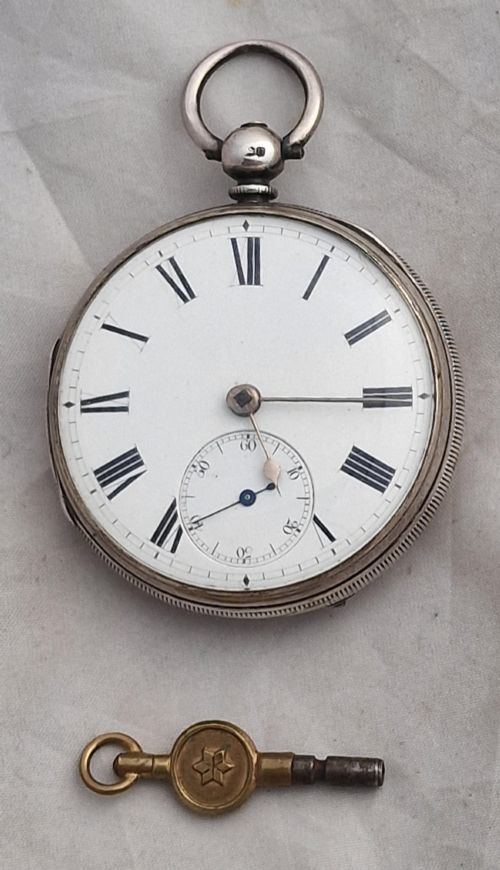
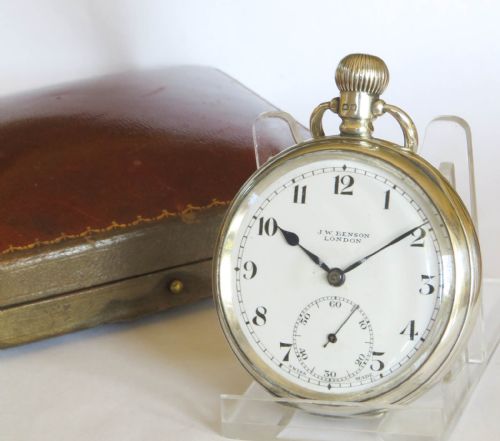
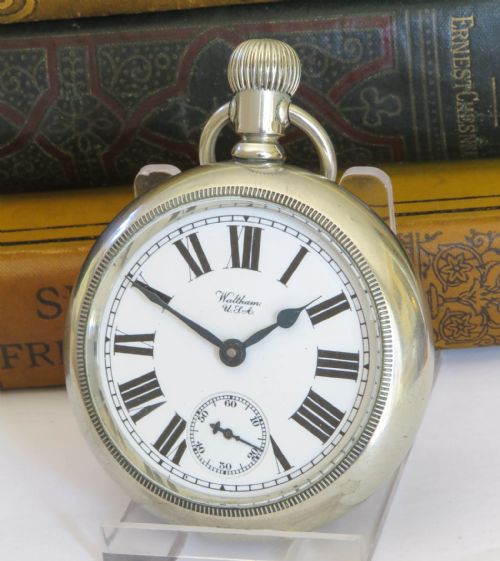
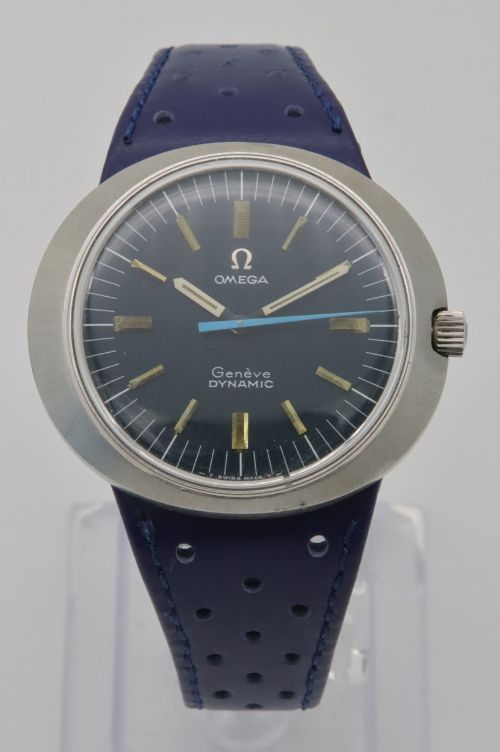
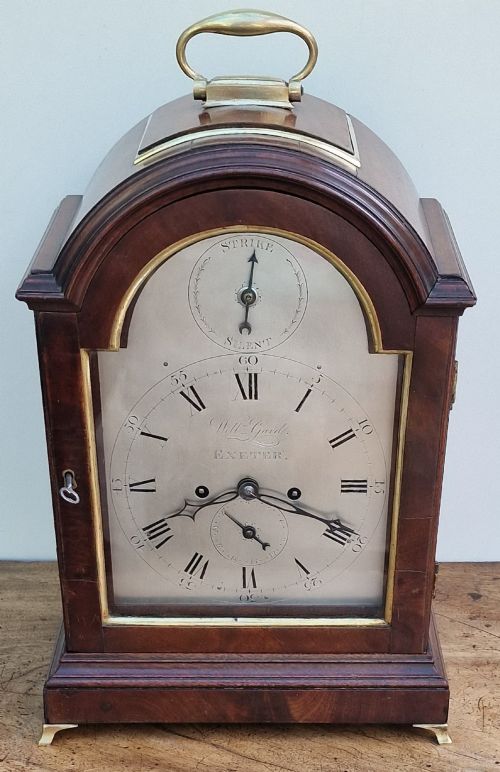
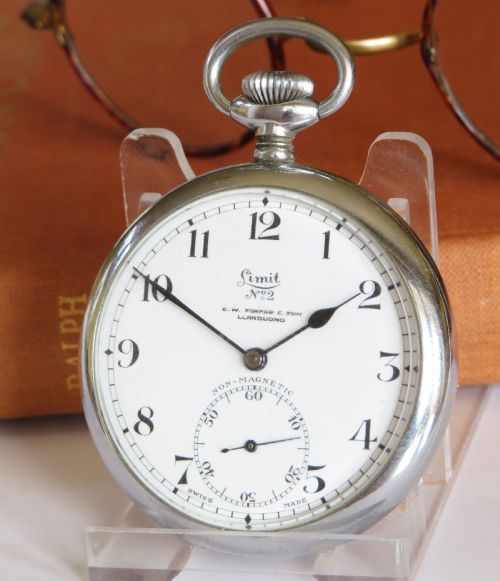
A vintage horology timepiece spans centuries of mechanical ingenuity, taking the form of pocket watches, carriage clocks, mantel clocks, and wristwatches. Buyers encounter Victorian fusee pocket watches, Edwardian carriage clocks, and mid-century wristwatches.
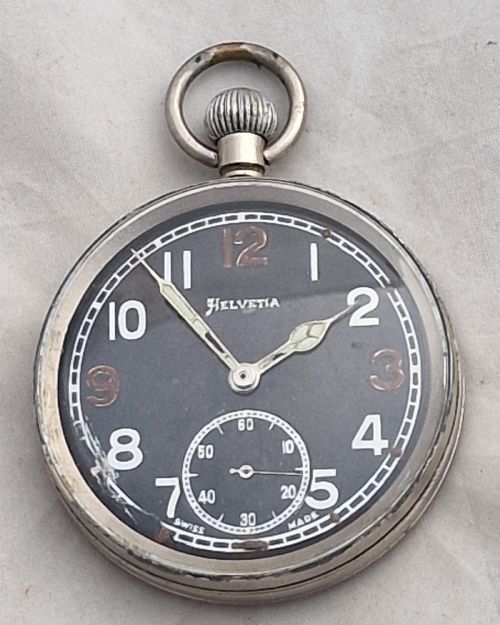
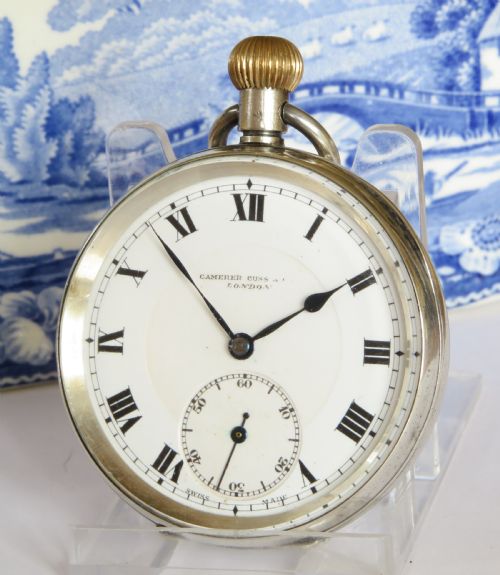
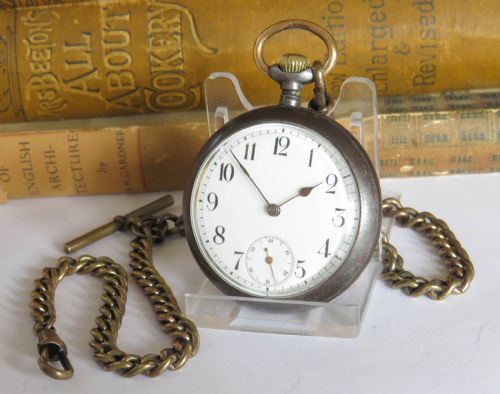
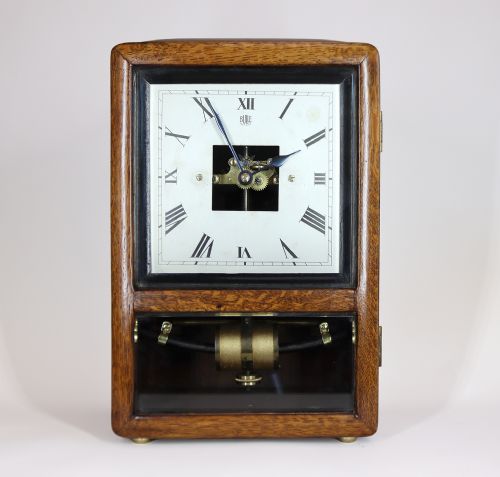
The selections range from robust military pocket watches of the 1940s to delicate Art Deco oak-cased clocks and skeleton clocks. Pocket watches dominate the selection, often accompanied by their original chains.
Origins stretch from English provincial towns like Nottingham and Exeter to French workshops and Swiss manufacturers. Each piece records the domestic or professional life of its period, from railway service to military deployment.
Materials and construction
Cases utilise sterling silver, brass, stainless steel, gold, and oak, protecting intricate internal movements of brass and steel components. Glass crystals shield the dials, whilst enamel provides a durable, crisp surface for numerals and markers.
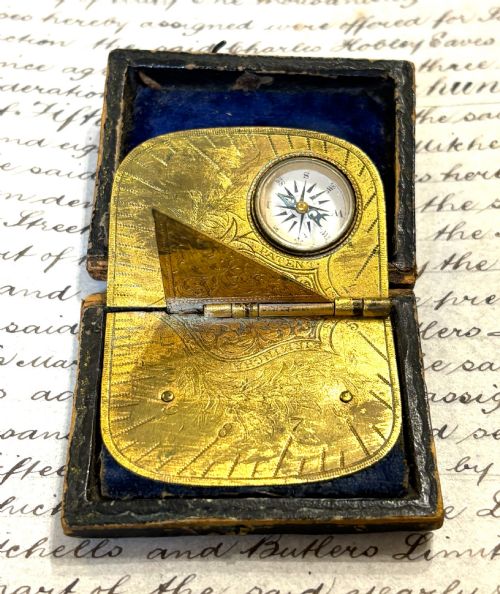
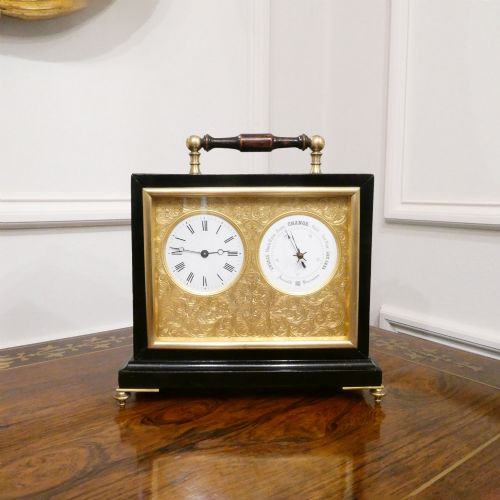
Leather straps and travel cases accompany portable pieces, adding tactile warmth to metal mechanisms. Specialised constructions range from folding pocket sundials to heavy bracket clocks and skeleton movements displaying their gears.
Craftsmanship and preservation
Superior examples display crisp hallmarks, signed movements by notable makers, and complex complications such as chronographs or quarter-repeating mechanisms. The integrity of the enamel dial and the original finish of the brass or silver case set finer pieces apart.
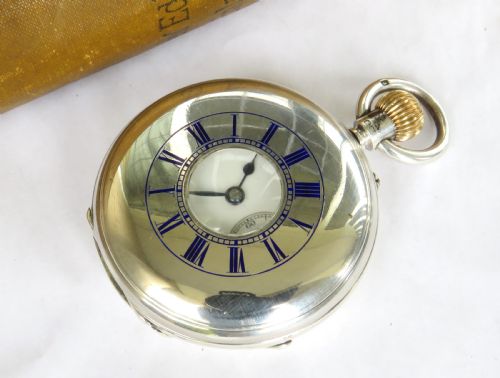
Condition varies from working daily wear to museum-grade pieces complete with boxes and papers. The crispness of engraving on half hunter cases and the retention of original travel cases influence the character of each instrument.
J W Benson·Camerer Cuss·Henri Jacot·Lange & Sohne·Charles Le Roy
The Vintage Horology Timepiece Glossary
- Fusee
- A conical pulley used on older pocket watches to maintain even power from the mainspring as it unwinds. This mechanism improves timekeeping accuracy across the power reserve.
- Half hunter
- A pocket watch case featuring a glass or open centre in the front lid, allowing the wearer to read the hands without opening the cover. Enamelled chapter rings often encircle the aperture.
- Carriage clock
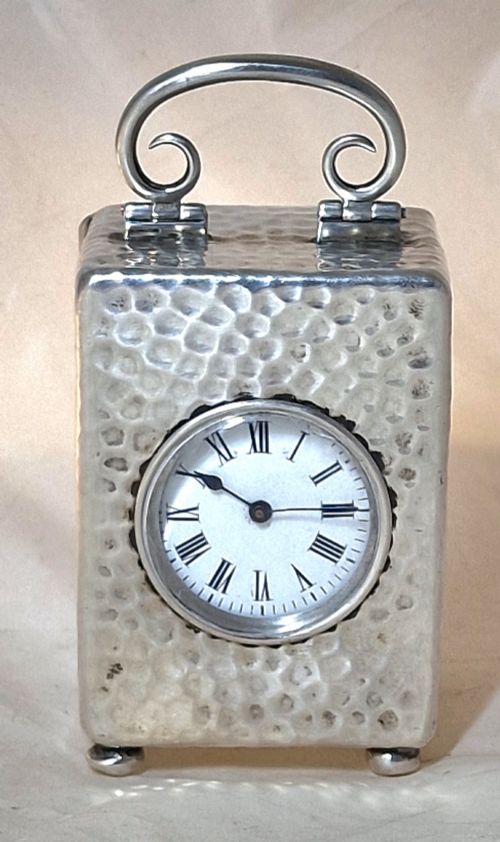
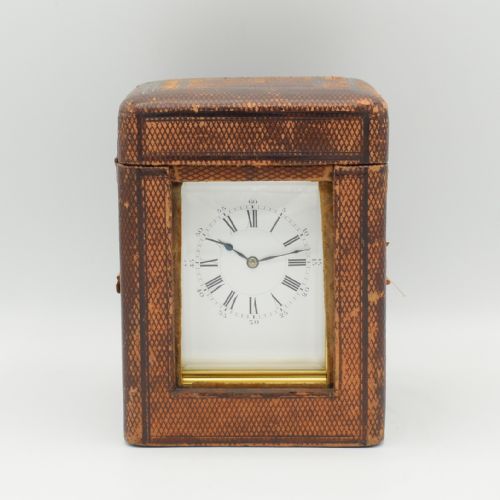
- A small, spring-driven clock designed for travel during the nineteenth century, typically housed in a brass case with glass panels. They often feature a swinging handle on top.
- Skeleton clock
- A timepiece with skeletonised plates and bridges that expose the entire gear train to view. This style places the mechanical movement on aesthetic display.
- Chronograph
- A watch with a function for measuring elapsed time, operated by independent pushers. These complications served scientific, industrial, and sporting uses.
Vintage Horology Timepiece: Frequently Asked Questions
How do I wind a vintage pocket watch?
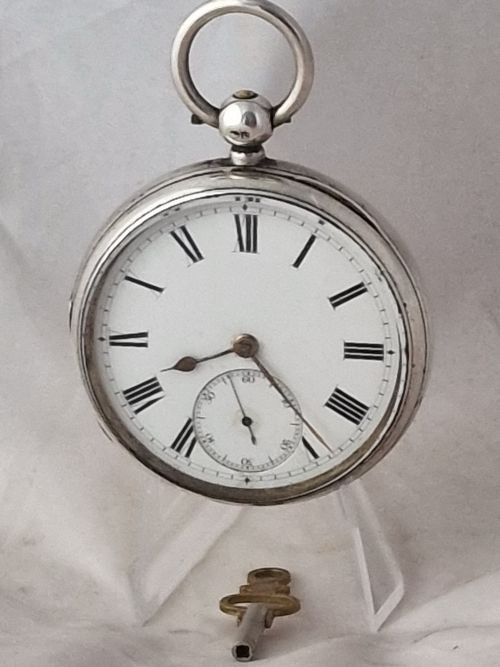
Most pocket watches wind via the crown at the top or through a small keyhole on the rear plate. Turn the mechanism gently until you feel resistance, avoiding overwinding.
Allow the watch to rest in a stable position when not being worn. Regular gentle handling preserves the delicate internal springs.
How were carriage clocks used?
Carriage clocks served as portable timekeepers for travellers in the nineteenth century. They travelled in fitted leather cases to protect their glass panels and brass frames.
The hinged handle on top allowed owners to carry the clock between rooms or on journeys.
What is a fusee movement?
A fusee uses a cone-shaped drum and a chain to regulate the pull of the mainspring. As the spring loses tension, the chain moves to a wider part of the cone to maintain steady torque.
This traditional English watchmaking technique ensures consistent timekeeping across the winding cycle.