

Swiss Automatic Watch
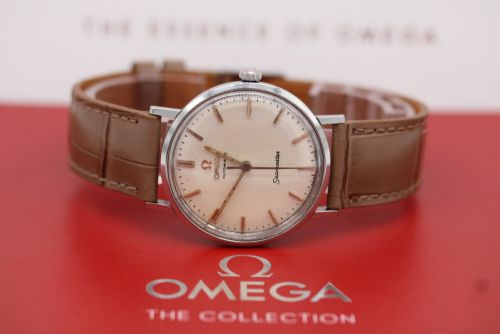
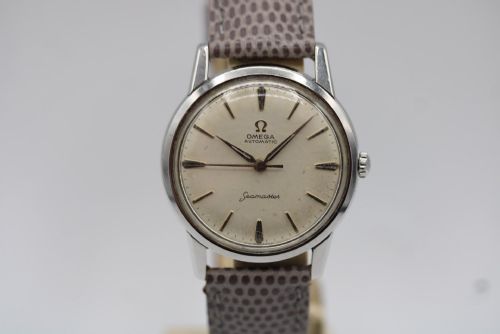
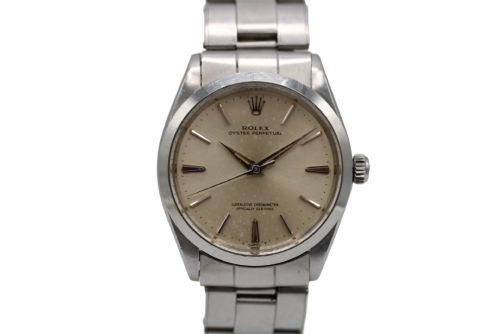
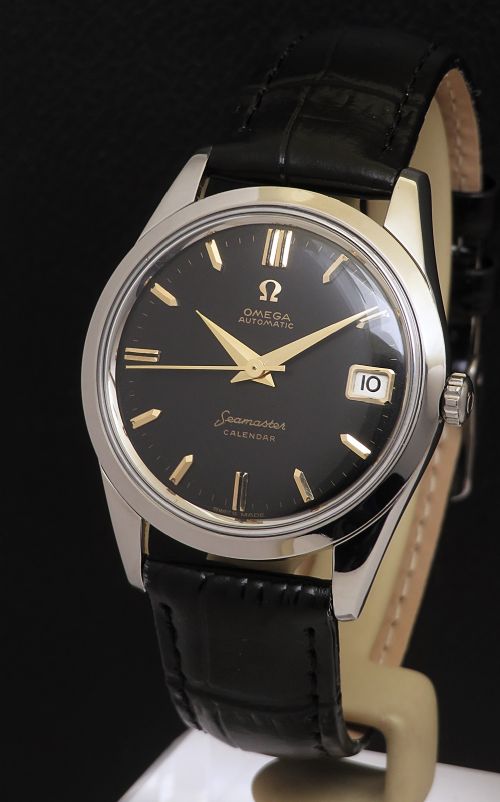
A swiss automatic watch represents mid-century horology, offering mechanical self-winding precision housed in steel, gold plate, or solid gold cases.
Swiss Automatic Watch
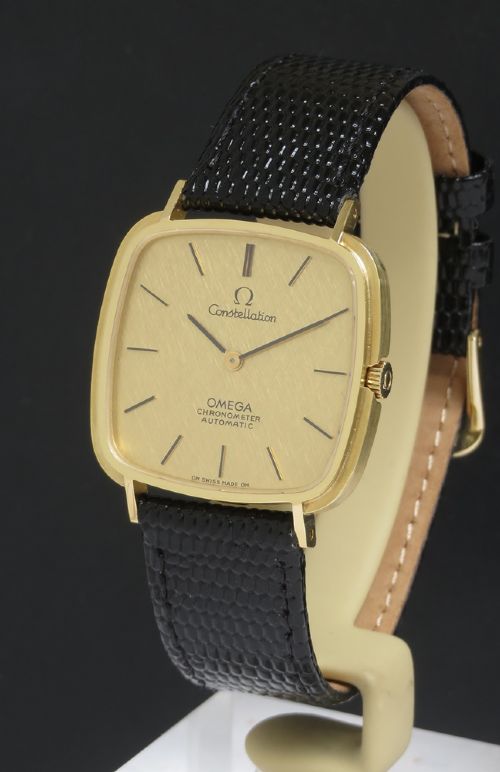
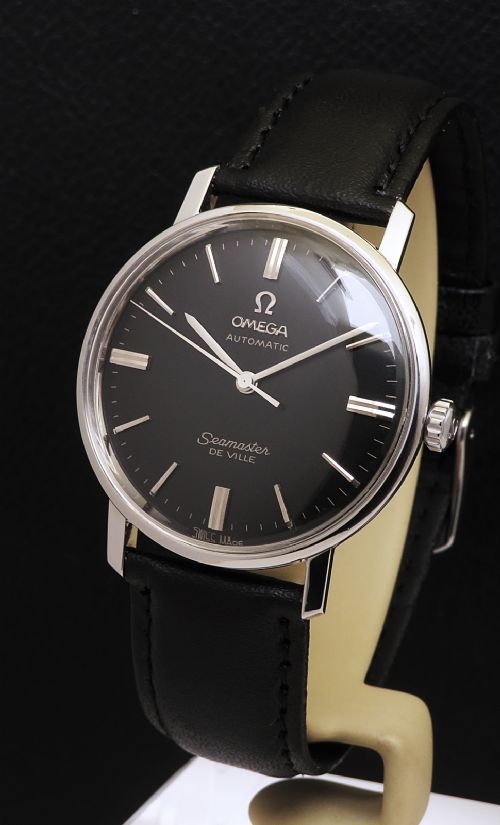
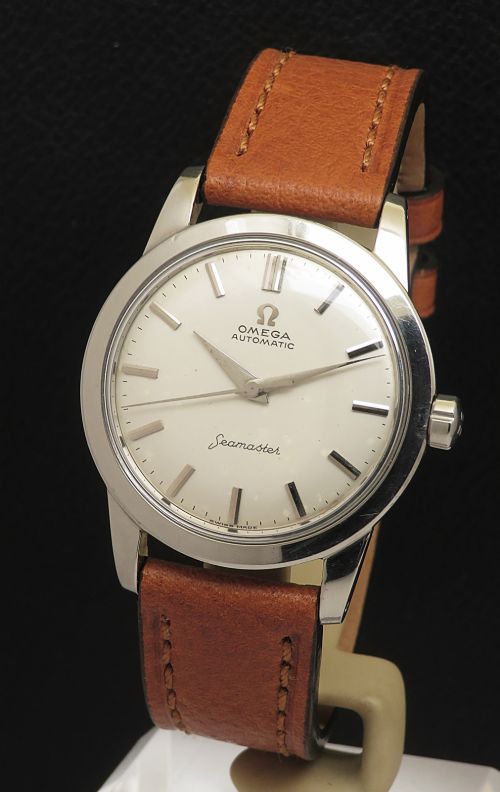
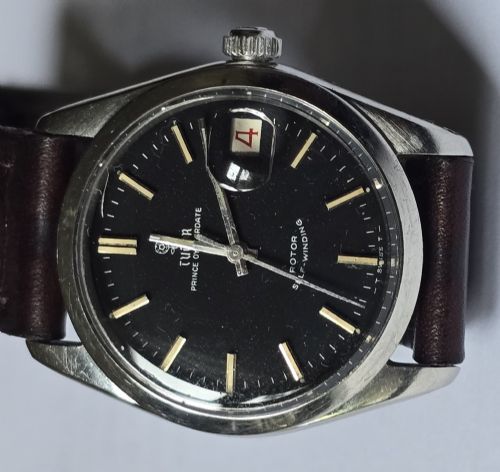
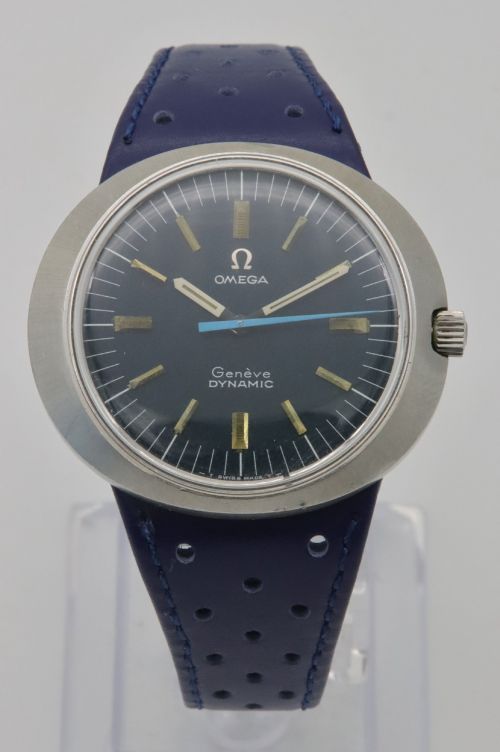
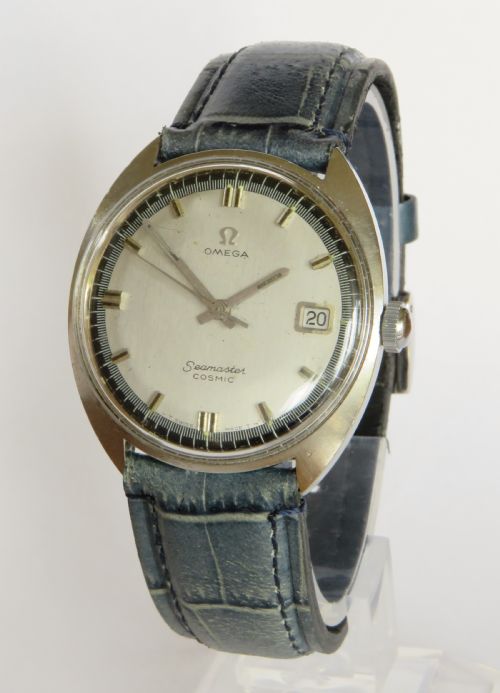
A swiss automatic watch is a mechanical timepiece powered by the natural movement of the wearer's wrist, dating predominantly from the 1940s to the 1970s. Buyers searching for a swiss automatic watch will frequently encounter wristwatches from established brands such as Omega, Tudor, IWC, and Longines, alongside lesser-seen makers of the mid-century period.
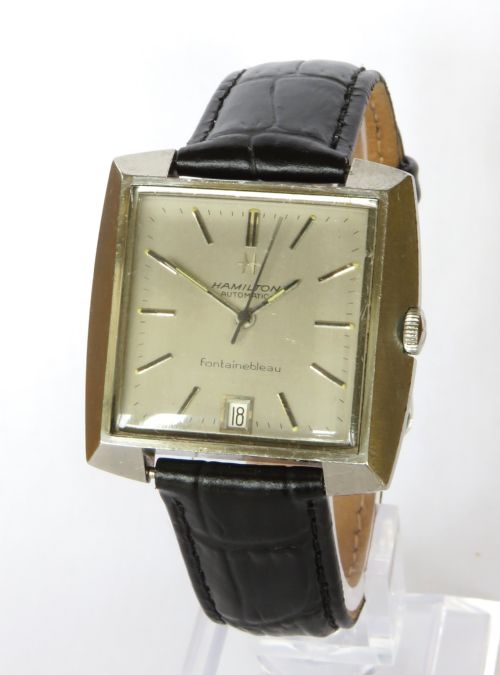
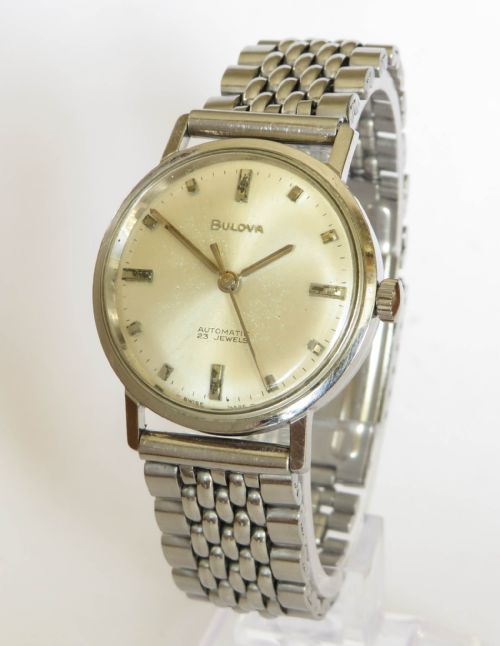
The prevailing forms on this page include dress and utility wristwatches spanning the 1950s and 1960s, often characterised by styles ranging from mid-century modern to 1970s retro. Common variations comprise date displays, day-date functions, and specialised chronometer or calendar movements housed in round cases.
These horological items served as daily functional accessories for gentlemen, transitioning from simple automatic winders to complex chronometers certified for precision. The selection reflects the robust manufacturing output of Swiss watchmaking during decades defined by modernist design influences.
Materials and construction techniques
Cases of a swiss automatic watch are constructed from stainless steel, gold plate, 9ct gold, and 18ct gold, paired with protective crystal covers made from acrylic or glass. Straps are predominantly fashioned from leather, completing the traditional assembly of mid-century wristwatches.
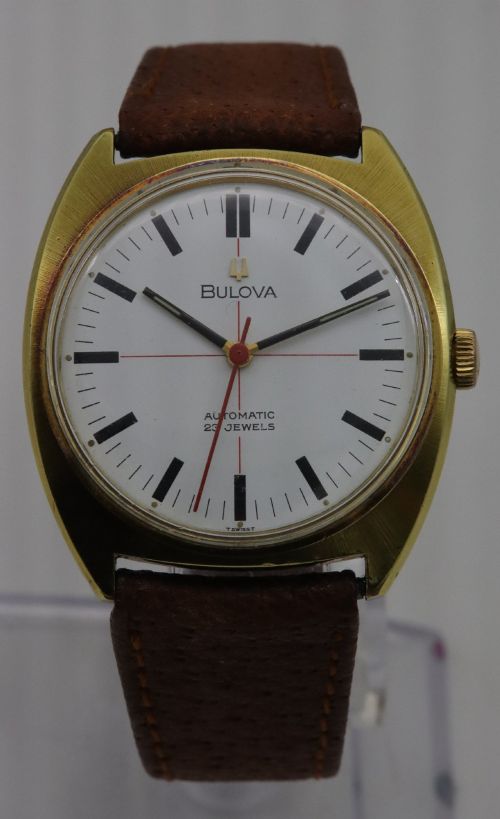
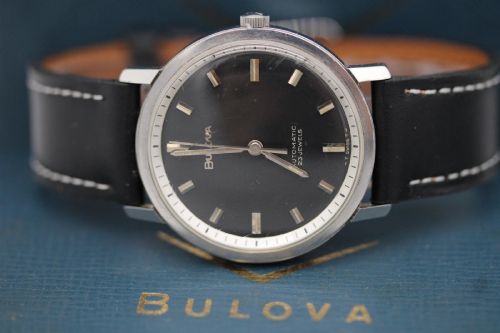
Movements rely on mechanical engineering where an internal weighted rotor swings with wrist movement to automatically tension the mainspring. Early versions utilise bumper automatic movements, which rely on a semi-rotating weight hitting internal springs, before transitioning to full rotor self-winding systems.
Swiss Automatic Watch Retail Price Guide 2026
Typical asking prices for swiss automatic watch among the pieces listed under this phrase on Sellingantiques today, from the lower quarter to the upper quarter. They describe what is for sale here now, not the wider market.
Listings span three decades of production, covering the 1940s, 1950s, and 1960s through mid-century styles.
Distinctions in quality and execution
The standard of a swiss automatic watch is determined by the grade and preciousness of its casing materials, moving from gold-plated brass through solid 9ct gold up to heavy 18ct gold constructions. Movement sophistication also dictates standing, with chronometer-grade calibres adjusted for high precision representing a superior tier of production.
Preservation of original components significantly influences the standing of a piece, distinguishing untouched dials and factory-correct hands from heavily restored or replaced elements. Complete ensembles featuring original boxes, papers, and signed buckles elevate the historical integrity of the watch.
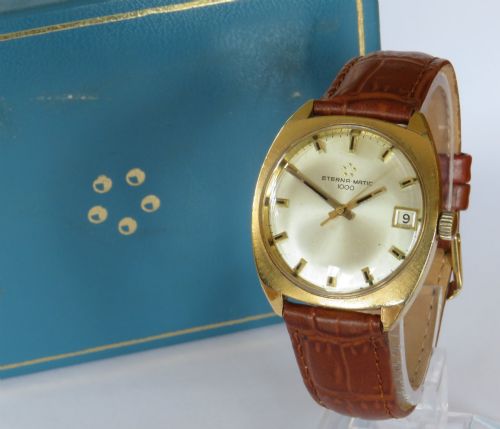
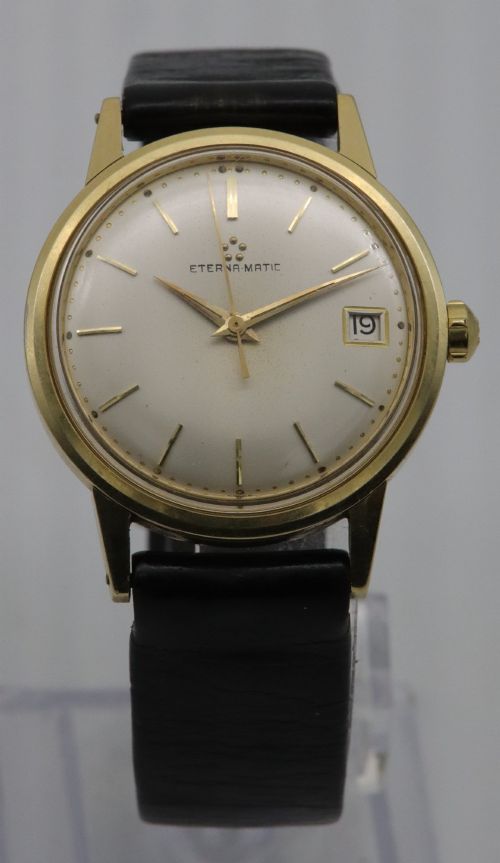
Omega·Tudor·Hamilton·Bulova·Festina·Gruen·Eterna Matic·IWC·DeRe·Bucherer·Avia·Tissot·Wittnauer·Baume·Prisma·Longines
The Swiss Automatic Watch Glossary
- Automatic
- A mechanical watch movement that winds itself using the natural motion of the wearer's wrist via an internal rotor. This self-winding mechanism removes the need for daily manual winding.
- Bumper automatic
- An early self-winding movement where the rotor swings back and forth within a limited arc rather than making a full rotation. The weighted rotor hits internal buffer springs, creating a distinct physical pulse felt on the wrist.
- Chronometer
- A high-precision watch that has been tested and certified to meet strict standards for accuracy over various temperatures and positions. These movements represent the upper tier of horological performance.
- Calibre
- The specific internal movement design and model number created by a watch manufacturer. Collectors use the calibre number to identify the exact mechanical generation of the movement inside the case.
- Acrylic glass
- A lightweight, transparent plastic material utilised for watch crystals during the mid-century period. It offers flexibility and can be easily polished to remove surface scuffs.
Swiss Automatic Watch: Frequently Asked Questions
What is a swiss automatic watch?
A swiss automatic watch is a mechanical timepiece originating from Switzerland that winds its mainspring automatically using the motion of the wearer's arm. These items rely on gears, springs, and an internal weighted rotor rather than batteries.
Most examples found in this category date from the mid-century decades, combining mechanical ingenuity with the distinct design aesthetics of the 1950s and 1960s.
How do I wind an automatic watch?
An automatic watch is primarily wound by the natural movement of wearing it throughout the day. If the watch has stopped entirely, you can give the crown a gentle manual twist to jump-start the internal mechanism before putting it on.
Avoid excessive manual winding if the piece uses a vintage movement design, as the components were engineered primarily for self-winding operation during daily wear.
How do I tell a 1950s watch from a 1960s watch?
Watches from the 1950s frequently feature smaller case diameters, simpler dial layouts, and early movement technologies such as bumper automatic calibres. Case profiles often display classic, rounded proportions.
By the 1960s and into 1970, designs shifted towards bolder geometries, integrated bracelets, and increased use of date or day-date complications housed in slightly larger steel or gold cases.
Can I wear my vintage watch every day?
Wearing a vintage timepiece daily is common, provided you account for its age and mechanical nature. Regular servicing by a qualified horologist helps maintain internal lubrication and functional reliability.
Because many mid-century pieces lack modern water resistance seals, it is wise to keep them away from moisture, swimming, and heavy impacts.