
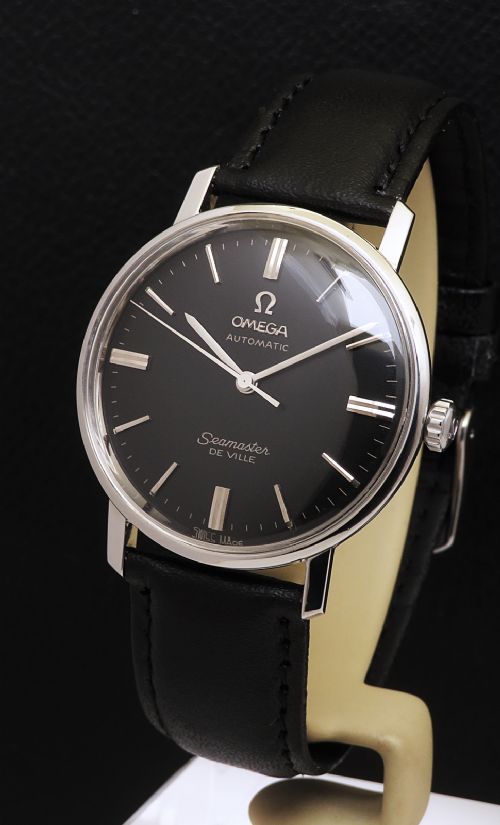
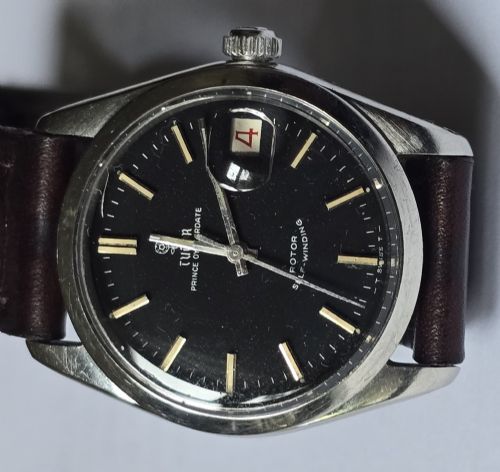
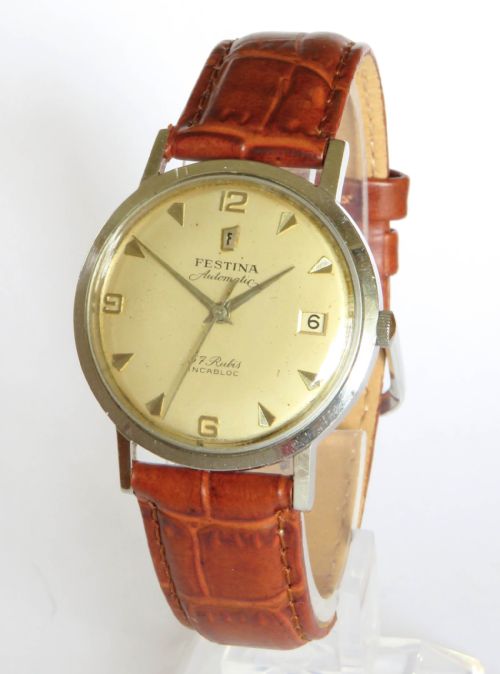
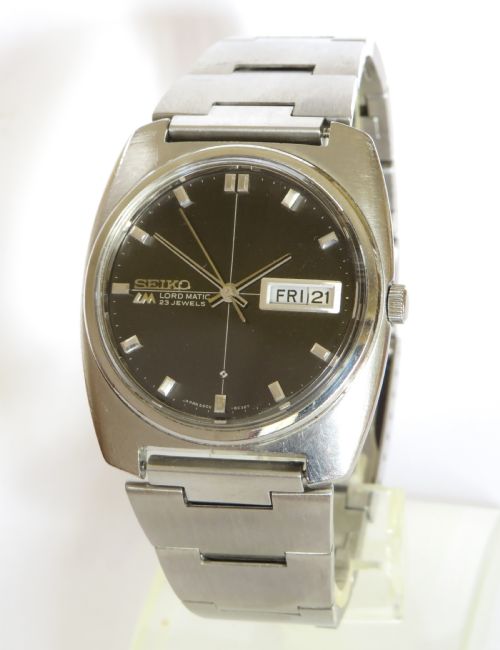
Mechanical Automatic Watch
A mechanical automatic watch uses the natural movement of the wrist to wind its mainspring, bridging mid-century horology with practical daily wear.
Mechanical Automatic Watch
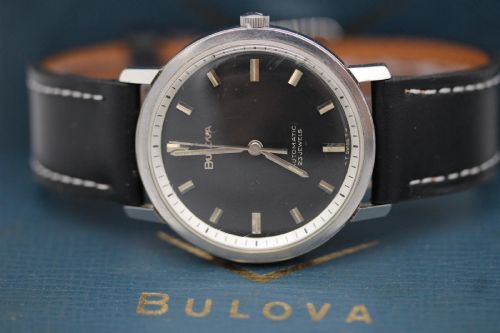
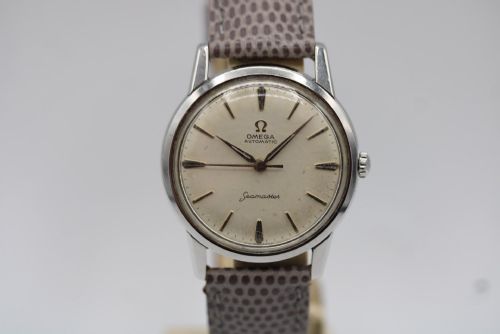
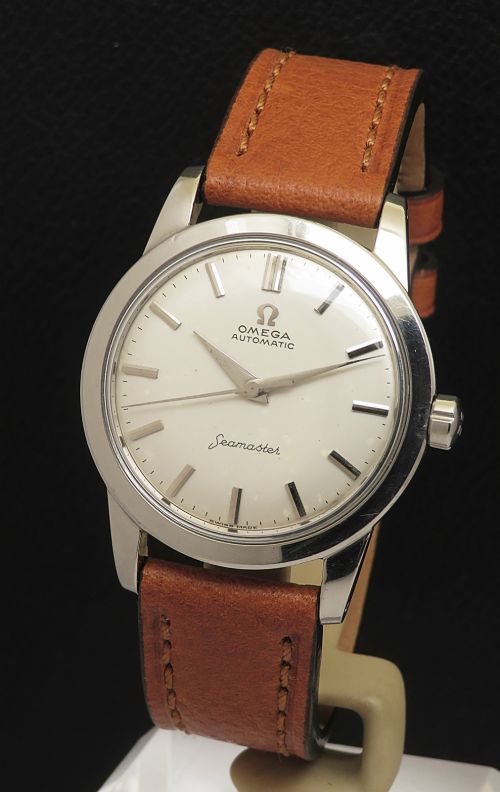
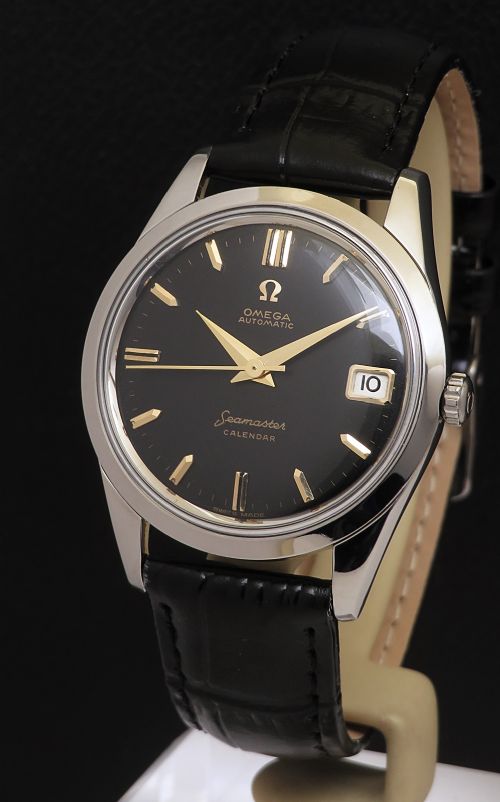
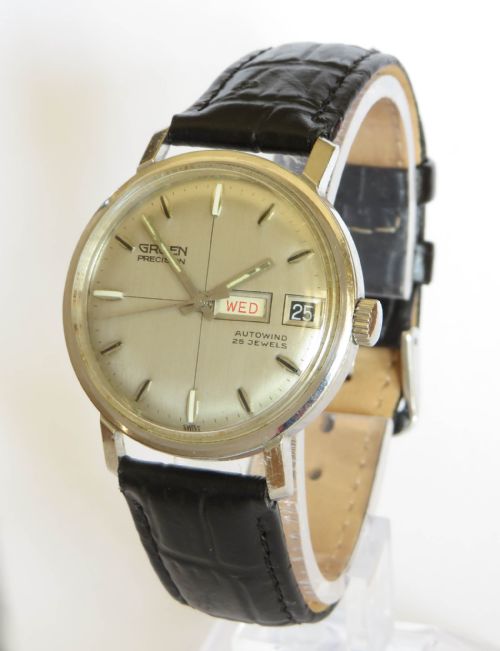
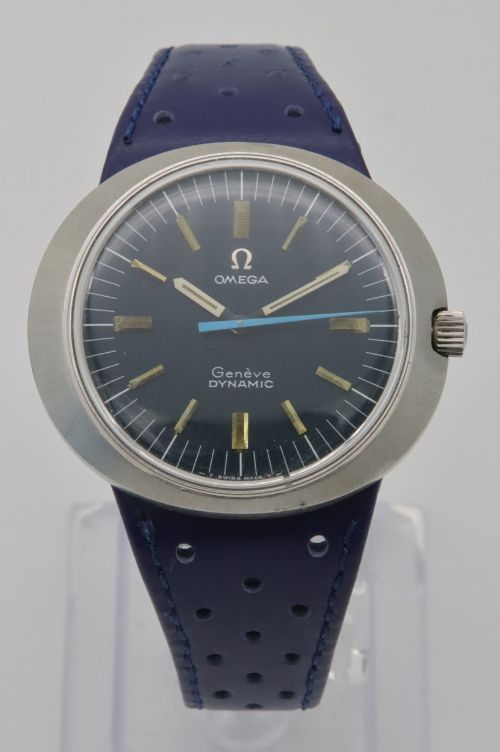
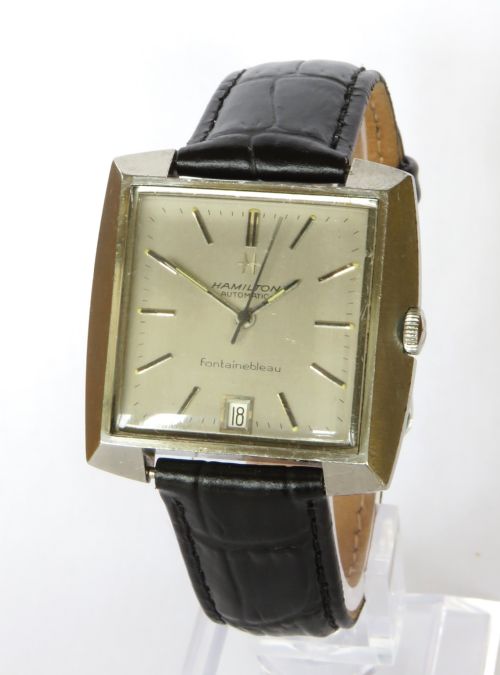
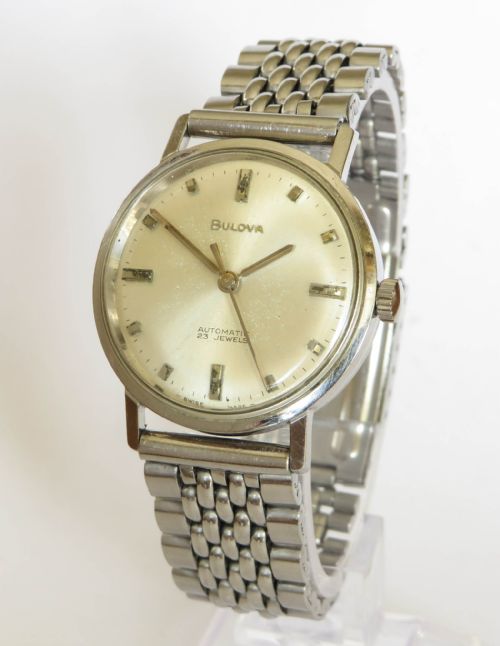
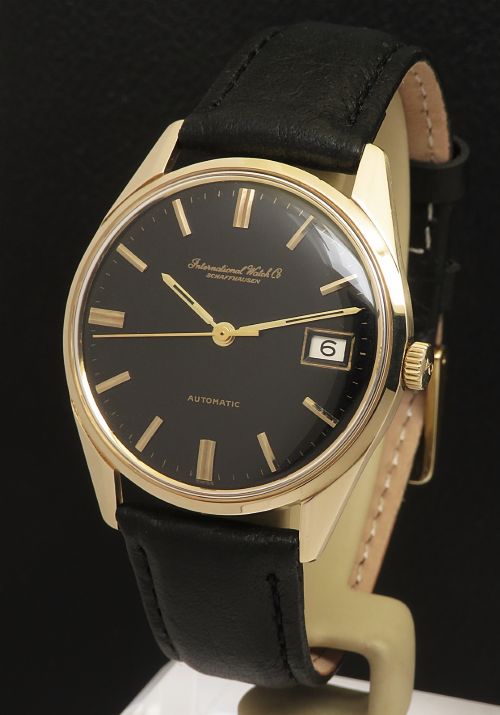
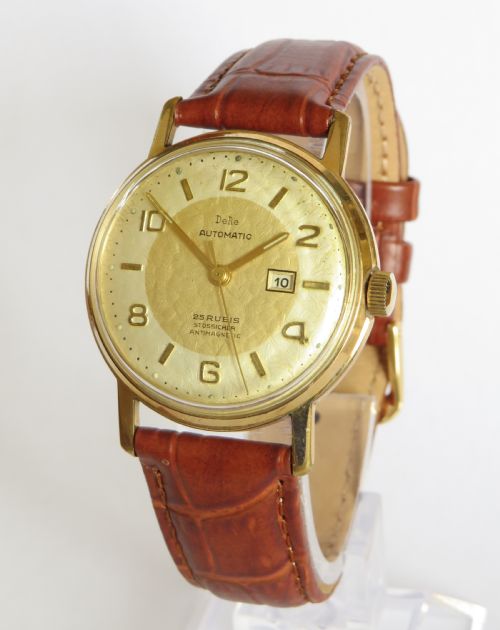
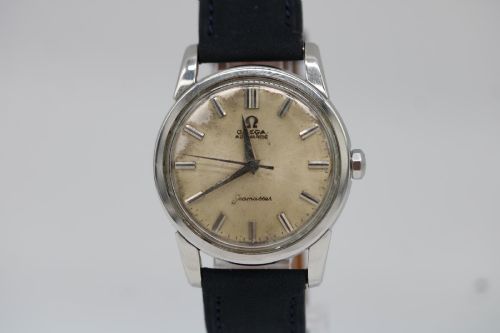
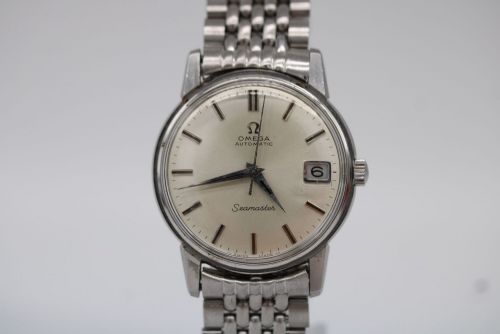
A mechanical automatic watch is a self-winding timepiece that relies on an internal weighted rotor to tension the mainspring during wear. When collectors search for a mechanical automatic watch, they typically encounter men's wristwatches from the 1940s, 1950s, and 1960s.
The selections span distinct stylistic categories including mid-century modern, retro designs, and robust industrial forms. These timepieces were produced by notable Swiss and international houses, frequently housing self-winding calibres within traditional round or shaped cases.
Materials and construction methods
Cases are formed from durable stainless steel, gold plate, or solid precious metals such as 9ct and 18ct gold, paired with protective glass or acrylic crystals. Dials feature applied markers and detailed printing, often protected by water-resistant seals and secured with leather straps.
Internal movements utilise complex gear trains, jewels, and oscillating weights to automatically power the escapement. Early automatic systems often employed bumper mechanisms before full-rotor winding systems became standard across the horological industry.
Some vintage automatics feature a gentle mechanical thump against the wrist known as a bumper action, reminding the wearer of the swinging weight inside.
Distinguishing quality variations
Quality differences rest in the precision of the movement, such as chronometer certification and the complexity of the calibre used. Solid gold cases and original signed components distinguish higher-tier models from gold-plated or standard steel iterations.
The overall preservation of the dial, whether original or patinated, alongside the inclusion of manufacturer boxes and papers, elevates the standing of a piece. Servicing history and the retention of factory finishes further separate ordinary examples from exceptional specimens.
Omega·Tudor·Hamilton·Seiko·Bulova·Gruen·Festina·Eterna·IWC·Bucherer·Avia·Tissot·Wittnauer·Longines·Baume·Prisma·Consul·Rolex·Timex
The Mechanical Automatic Watch Glossary
- Calibre
- The specific manufacturer's designation for a particular watch movement design. This number helps identify the exact mechanics housed inside the case.
- Chronometer
- A high-precision watch that has passed rigorous accuracy tests conducted by an official rating organisation. These movements are adjusted in multiple positions and temperatures.
- Bumper automatic
- An early self-winding movement where the rotor swings back and forth within an arc rather than rotating fully. The weighted rotor hits internal springs to reverse direction.
- Acrylic glass
- A lightweight, shatter-resistant plastic material used for watch crystals during the mid-century period. It can be easily polished to remove minor surface scratches.
- Oysterdate
- A trademarked term denoting a waterproof oyster case combined with a date display mechanism. This configuration became a hallmark of robust mid-century wristwatch design.
Mechanical Automatic Watch: Frequently Asked Questions
How do mechanical automatic watches work?
These watches contain a weighted metal rotor that pivots freely on its pivot as the wearer moves their arm. This rotational motion winds the mainspring inside the barrel continuously throughout the day.
Because the spring stays tensioned during regular wear, the watch does not require manual winding by the crown unless it has been left stationary for an extended period.
What is a bumper automatic?
A bumper automatic is an early form of self-winding movement developed before full 360-degree rotors became standard. The oscillating weight moves back and forth through a limited arc and bounces off internal buffer springs.
Wearers can distinctly feel and sometimes hear the gentle tap of the rotor hitting the springs against their wrist during daily movement.
How should I care for a vintage automatic?
Vintage automatic watches require regular servicing by a trained watchmaker to clean old lubricants and replace worn internal components. Keeping the movement properly maintained ensures accurate timekeeping and preserves the delicate gear train.
Owners should also avoid exposing older watches to moisture and magnetic fields, as vintage water-resistance seals are rarely up to modern factory specifications.
How do I identify the production period?
The production period can often be determined by examining the movement calibre number, serial numbers engraved on the case back, and stylistic design cues. Comparing these reference numbers against manufacturer archives yields precise manufacturing dates.
Stylistic elements such as dial typography, hands, and case proportions also help narrow down whether a piece originates from the forties, fifties, or sixties.