




English Pocket Watch
An English pocket watch carries the precise craftsmanship of past centuries in a portable metal case.
English Pocket Watch
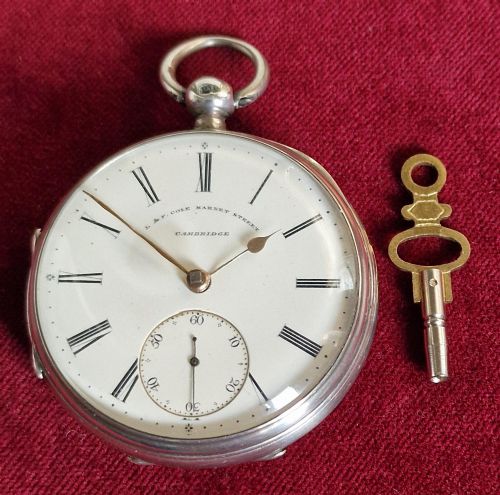
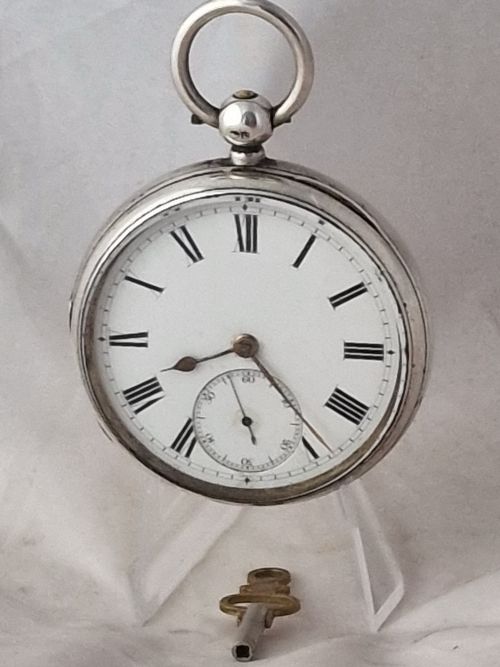
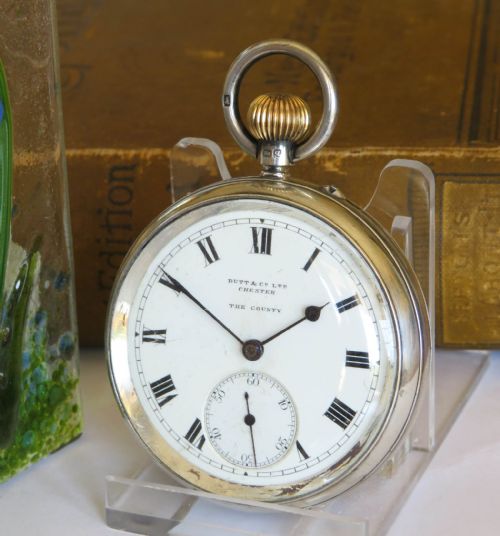
An English pocket watch is a portable timepiece designed to be carried in a waist-coat or jacket pocket, connected by a chain or fob. When you search for this phrase, you encounter mechanical instruments originating from the Victorian, Edwardian and Georgian eras alongside later mid-century examples.
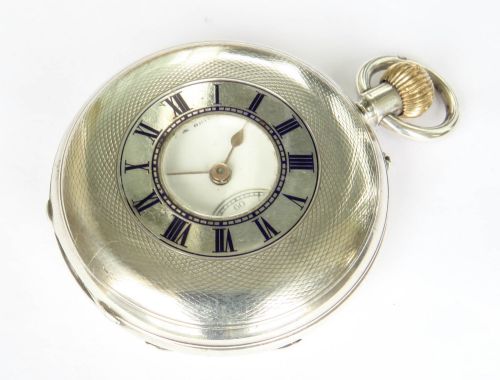
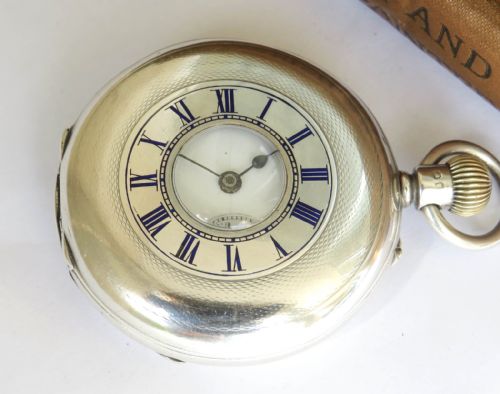
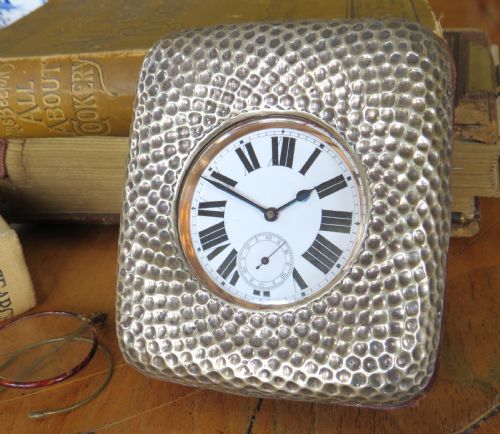
The most common versions on this page are sterling silver hunters and half-hunters, frequently bearing regional assay marks from London, Sheffield or Birmingham. Alongside timepieces, the selection incorporates related accessories such as silver watch chains, desk stands, ceramic holders and travel clocks.
How they were made
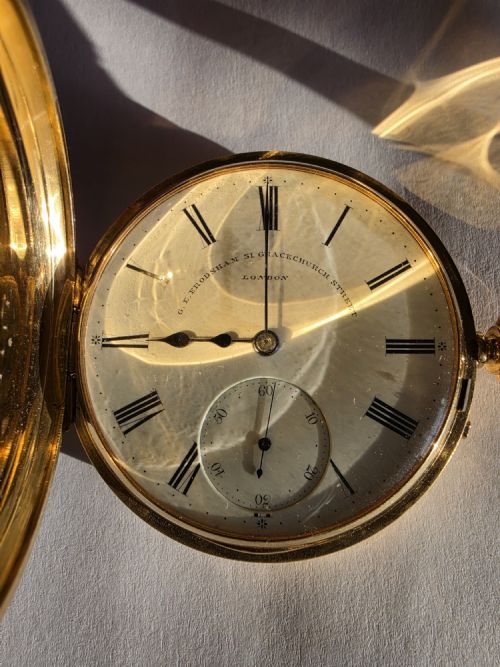
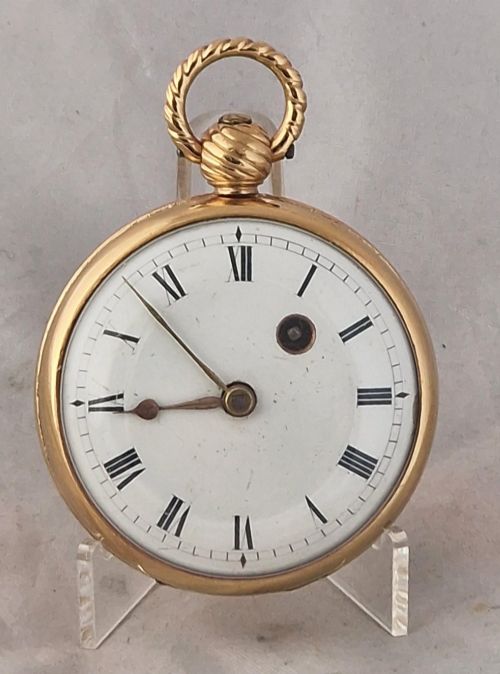
Watchmakers constructed movements utilising brass and steel components, housing them in cases fashioned from sterling silver or 18ct gold. Many early examples incorporate fusee movements, which use a conical pulley and chain to maintain even tension as the mainspring unwinds.
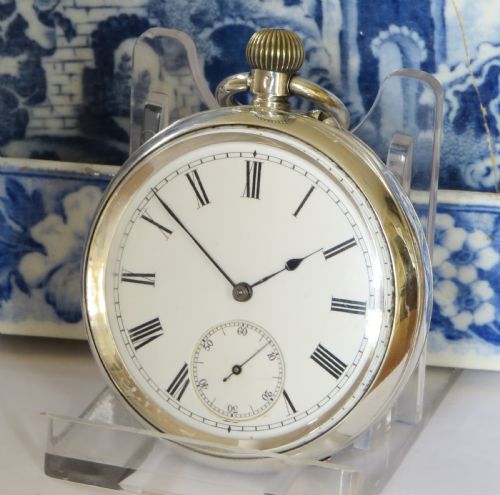
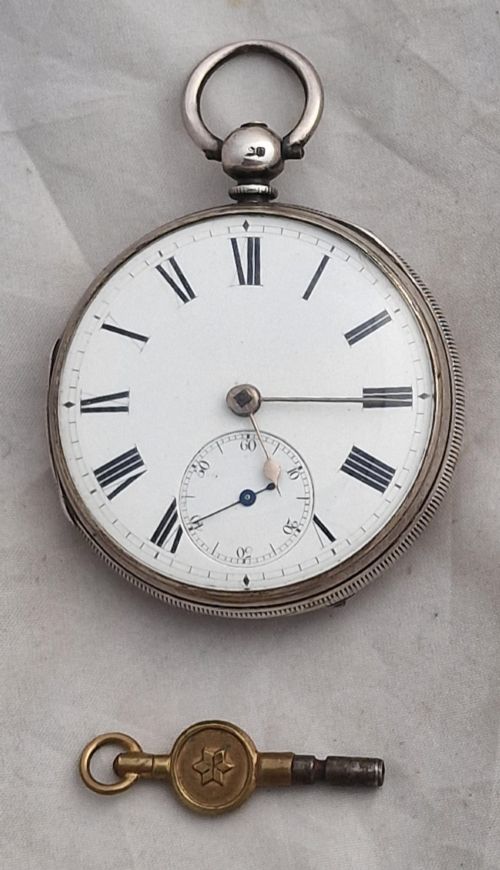
Protective outer glass covers shield delicate white enamel dials marked with Roman or Arabic numerals. Cases often feature intricate engine-turned engraving or smooth polished shields intended for personal monograms.
English Pocket Watch Retail Price Guide 2026
Typical asking prices for english pocket watch among the pieces listed under this phrase on Sellingantiques today, from the lower quarter to the upper quarter. They describe what is for sale here now, not the wider market.
Inventories include specialised pocket watch accessories like ceramic watch holders and glass display domes alongside portable timepieces.
What varies in quality
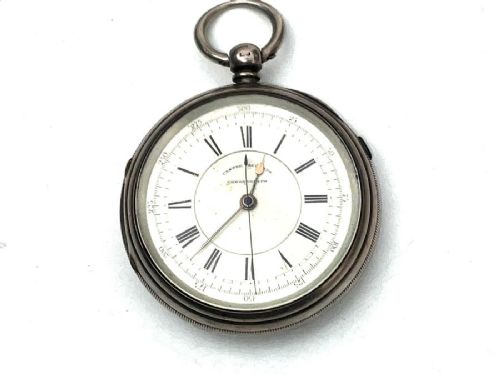
Quality depends primarily on the reputation of the maker and the complexity of the movement, ranging from standard mass-produced lever escapements to intricate chronographs and fusee mechanisms signed by notable makers. The weight and thickness of the solid silver or gold case also signal the original tier of the piece.
Condition of the enamel dial and the crispness of case hallmarks further distinguish superior examples. Pieces retained alongside original fitted boxes or matched hallmarked silver watch chains demonstrate a higher level of preservation.
Hamilton and Inches·George Edward Frodsham·Kendal and Dent·Bickley London·Richardson·Smiths De Luxe·JW Benson·Barwise London·J Lyndsey·J G Graves Sheffield·Errington Watch Company·Rotherhams
The English Pocket Watch Glossary
- Fusee
- A conical pulley mechanism connected to the mainspring by a fine chain, designed to equalise the torque as the spring unwinds. This traditional English watchmaking method ensures consistent timekeeping across the power reserve.
- Hunter
- A pocket watch featuring a spring-loaded metal cover that snaps shut over the glass dial for protection. Half-hunter variants include a small glass aperture or transparent ring on the outer lid to check the hands without opening the case.
- Lever escapement
- A mechanical linkage that transmits power to the balance wheel and lets the gear train release at measured intervals. This invention became the standard for accurate portable timekeeping.
- Hallmark
- A stamp or series of stamps applied by an official assay office indicating metal purity, the maker, and the year of manufacture. British silver items frequently display the lion passant and city marks.
- Fob
- A short chain, ribbon or ornamental medallion attached to a pocket watch. Owners used the fob to assist in pulling the timepiece securely from a pocket.
English Pocket Watch: Frequently Asked Questions
How do I wind an English pocket watch?
Most antique pocket watches require a small key inserted into a square arbor on the back plate or dial, turned gently clockwise until resistance is felt. Stem-wind models are wound by rotating the crown at the top of the case between your thumb and forefinger.
Take care not to over-wind the mainspring, as excessive force can snap the internal steel. Stop turning immediately the moment firm resistance halts the motion.
What is the difference between a hunter and an open face watch?
An open face watch has no protective metal cover over the glass crystal, allowing you to check the time instantly at a glance. A hunter watch encloses the dial behind a hinged metal lid that springs open via a push-button mechanism on the crown.
Hunters offered greater protection for the delicate glass face during daily wear, while open face designs were preferred for rapid reading in professional settings.
Can I wear a pocket watch daily?
You can carry an antique pocket watch regularly provided you handle the mechanical movement with care. Secure the piece to your waistcoat or belt loop using an appropriate watch chain or albert.
Keep the watch away from modern magnetic fields such as phones and speakers, and store it in a stable upright position when not being worn.
How do I read pocket watch hallmarks?
British hallmarks consist of stamped symbols indicating the assay office, the standard of metal purity, and a date letter corresponding to the exact year of assay. Sterling silver is typically denoted by a walking lion, while gold standards appear as karats alongside a crown.
Reference tables matching specific shield shapes and font styles help translate the date letter into a precise decade of manufacture.