
Victorian Silver Watch
A victorian silver watch brings nineteenth-century horology and solid sterling casing into daily utility, offering mechanical depth and enduring period character.
Victorian Silver Watch
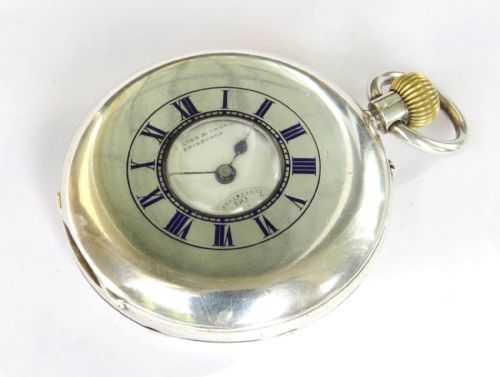
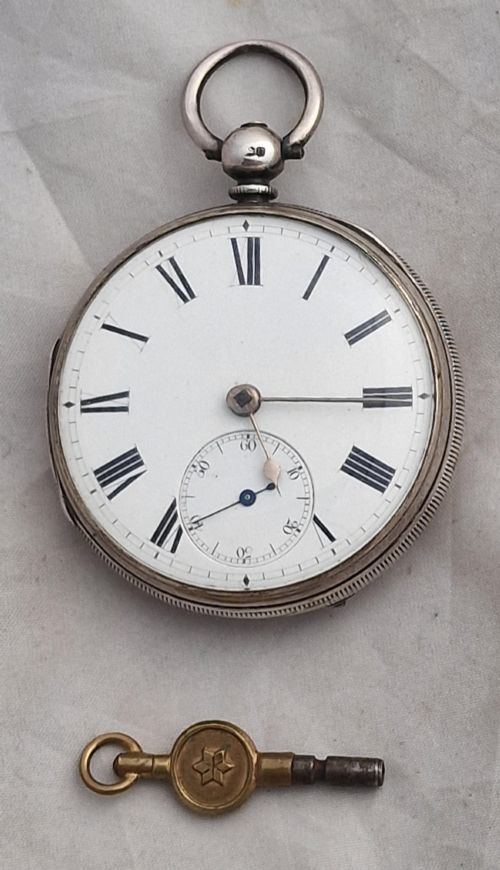
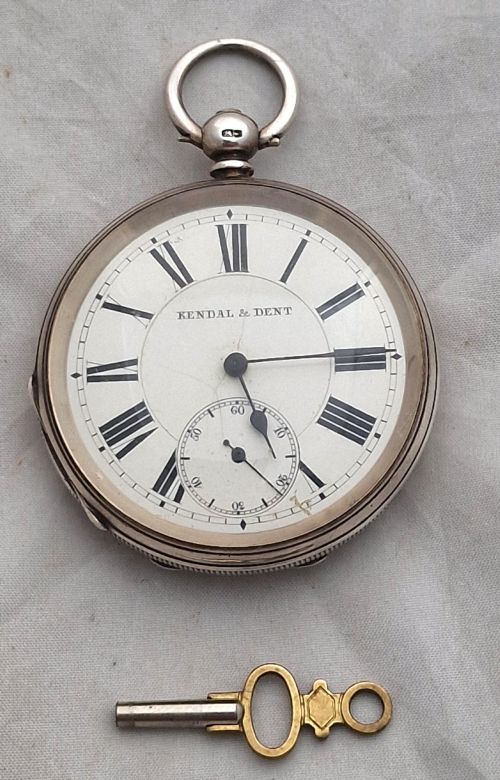
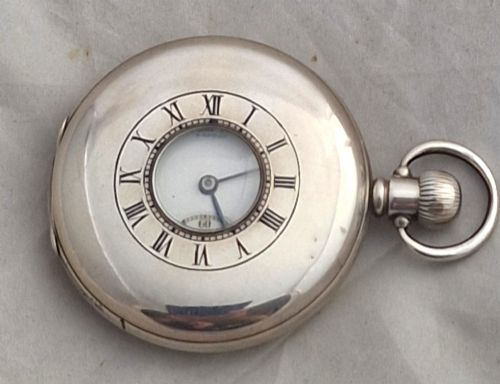
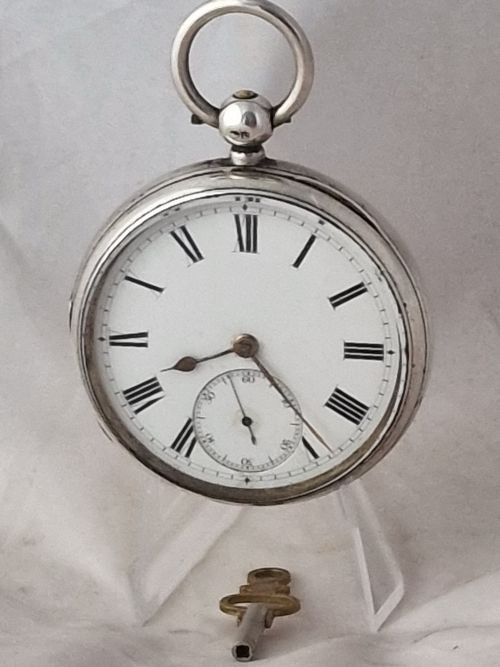
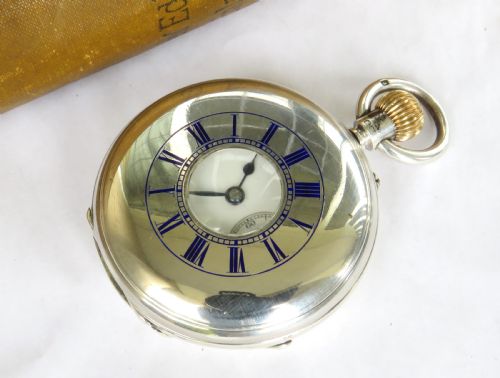
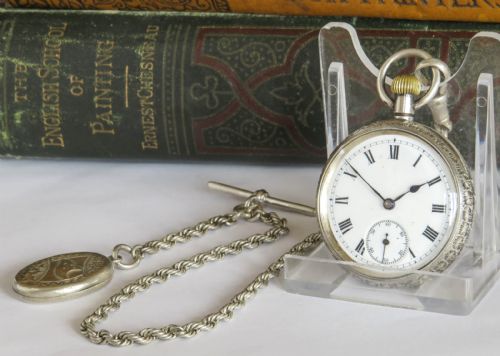
When searching for a victorian silver watch, buyers encounter pocket timepieces alongside related silver watch chains, fobs and chatelaines spanning the nineteenth century and early twentieth century. Open face and hunter cases predominate, alongside half hunter designs and specialised railway timekeepers.
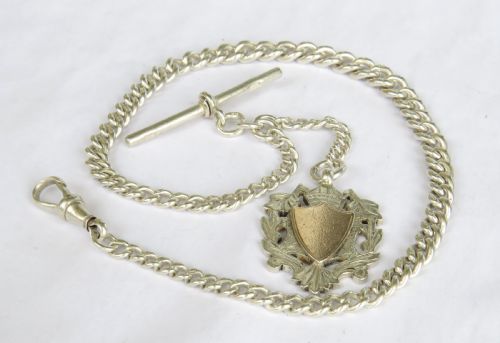
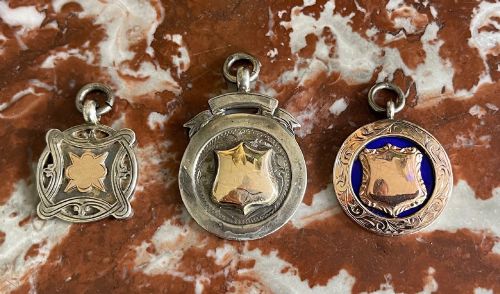
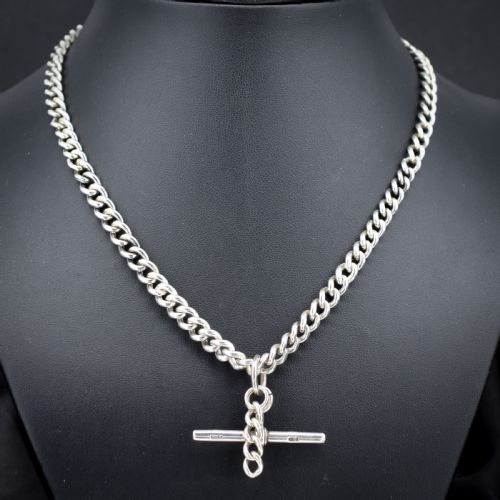
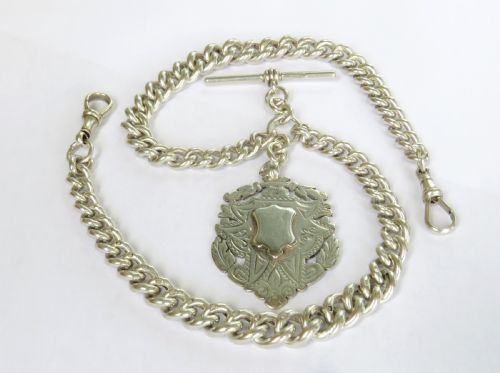
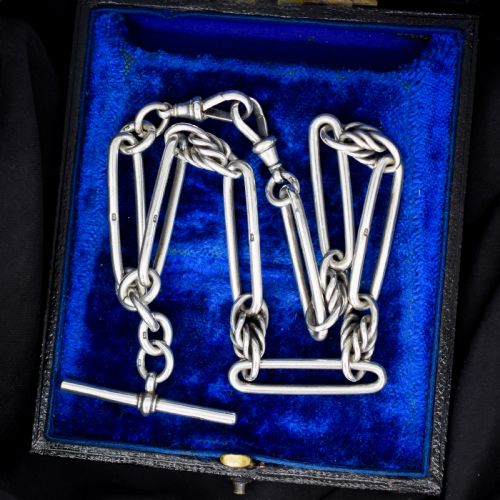
The selection encompasses English provincial makers, London firms and Swiss imports housed in solid silver or sterling silver cases. Accompanying albert chains, curb link necklaces and charm fobs frequently complete the groupings found on this page.
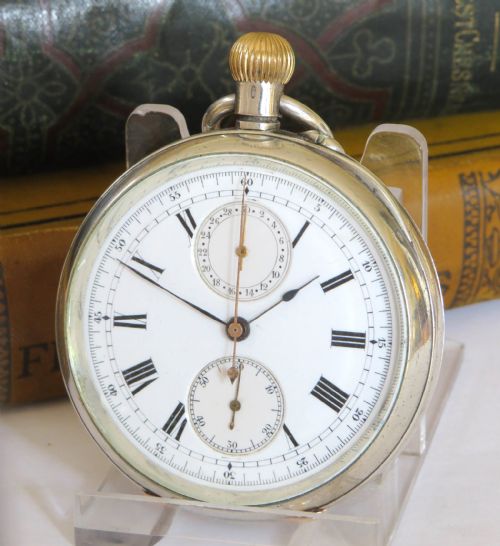
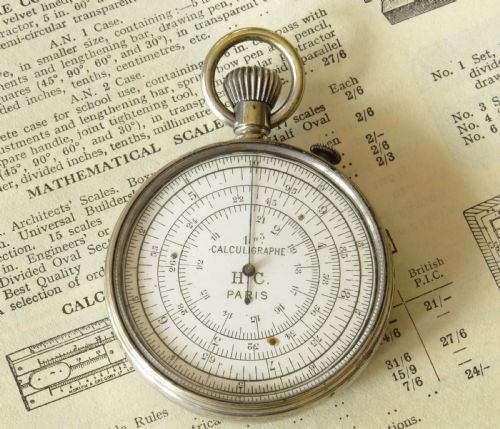
Beyond traditional pocket watches, the category extends to chronograph complications, fusee movements, and occasional scientific instruments such as pocket barometers or slide rules mounted in silver.
Materials and Construction
Cases are formed predominantly from silver and sterling silver, often hallmarked with town assay marks and date letters, while occasional pieces incorporate niello, enamel, gold accents or glass crystals.
Movements rely on steel and brass components, featuring traditional fusee mechanisms or lever escapements housed within sturdy silver outer and inner dust covers.
Listings span the late Victorian period through the 1930s, featuring silver, sterling silver, enamel, and brass across pocket watches, albert chains, and fobs.
Factors of Distinction
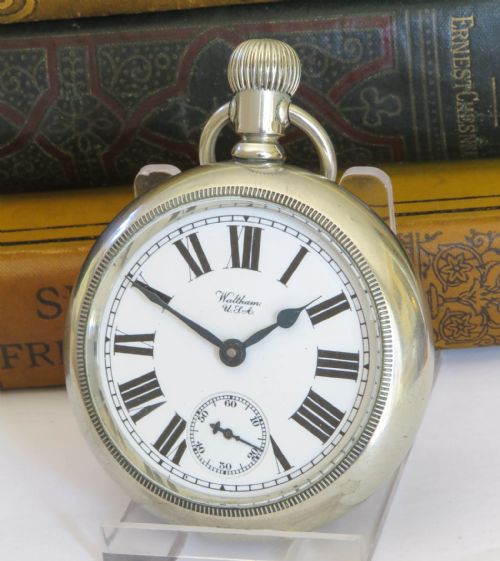
Distinction across these timepieces rests on the reputation of the maker or retailer inscribed on the dial, ranging from provincial watchmakers to renowned firms like Waltham, Longines or Guinand.
Complexity of movement, such as chronograph functions or fusee mechanisms, elevates a piece beyond standard timekeeping. The preservation of original hallmarked cases, clear enamel dials and matching solid silver albert chains further distinguishes superior examples.
The Victorian Silver Watch Glossary
- Fusee
- A conical pulley used in older watch movements to equalise the power of the mainspring as it winds down. This traditional mechanism is a hallmark of fine nineteenth-century English watchmaking.
- Half Hunter
- A pocket watch case featuring a small glass window in the outer cover, allowing the wearer to read the hands without opening the case entirely. Enamel chapter rings often encircle the aperture.
- Albert Chain
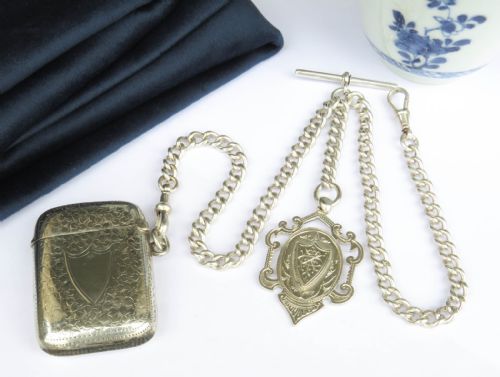
- A short length of chain used to secure a pocket watch to a waistcoat or garment, typically fitted with a T-bar and dog clip. Double albert chains attach on both sides of the fastening.
- Chronograph
- A watch equipped with an independent sweep-second hand that can be started, stopped and returned to zero. These complications were utilised for timing events and scientific observation.
- Vesta Case
- A small matchbox, usually hinged and struck with hallmarks, frequently suspended from watch chains alongside fobs and charms. They share the same silver smithing techniques as the associated timepieces.
Victorian Silver Watch: Frequently Asked Questions
How do I read English silver hallmarks on these watches?
English hallmarks stamped inside the silver cases provide a reliable guide to origin and age. They typically include a standard mark for silver purity, an assay office symbol, and a date letter.
Additional marks may show the maker's stamp and duty marks indicating the reigning monarch. Comparing these symbols against assay records reveals the exact year and town of manufacture.
Can I still wear a pocket watch daily?
Many Victorian timepieces remain robust enough for regular wear when handled with care. Pairing them with a traditional albert chain secures the watch safely in a waistcoat or trouser pocket.
Mechanical movements require manual winding and occasional servicing by a horologist to maintain accuracy. Avoiding moisture and sudden impacts ensures the internal brass and steel components function reliably.
What is a fusee movement?
A fusee movement is an intricate mechanical system designed to maintain even tension as the mainspring unwinds. A fine chain uncoils from a conical drum to regulate the force delivered to the gear train.
This method ensured superior timekeeping before modern mainspring alloys were developed. It remains a defining feature of higher-grade nineteenth-century English pocket watches.