
Mens Silver Timepiece
A mens silver timepiece is a traditional mechanical object worn to tell time, prized for its enduring engineering and classic pocket or wrist format.
Mens Silver Timepiece
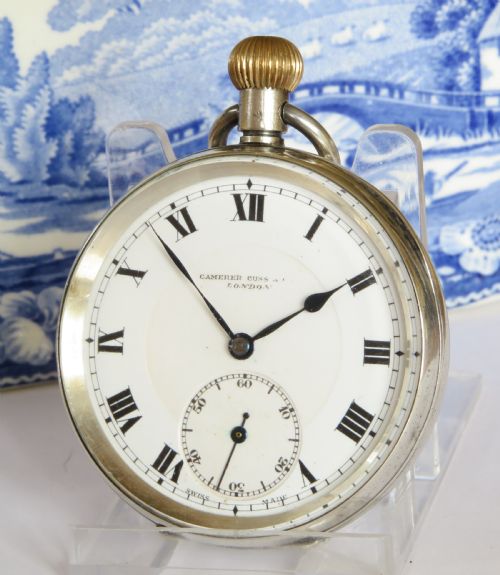
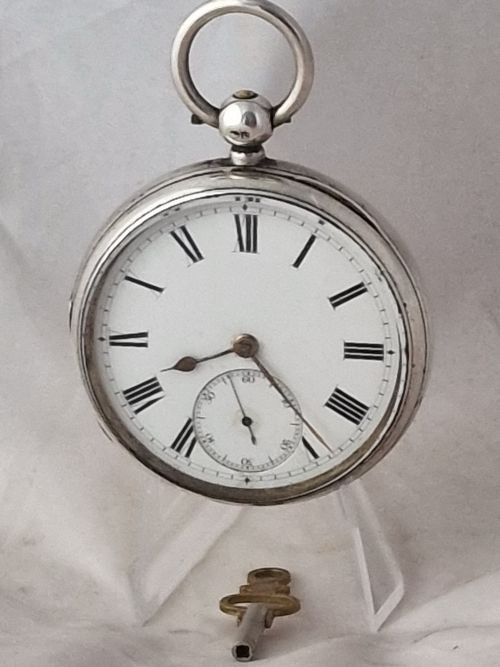
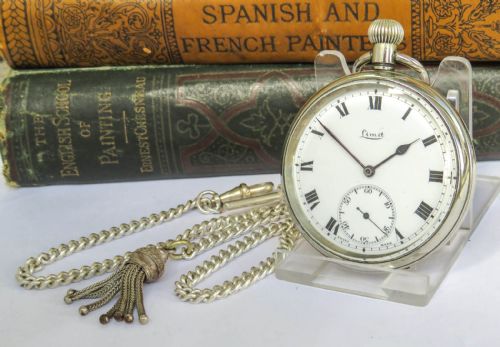
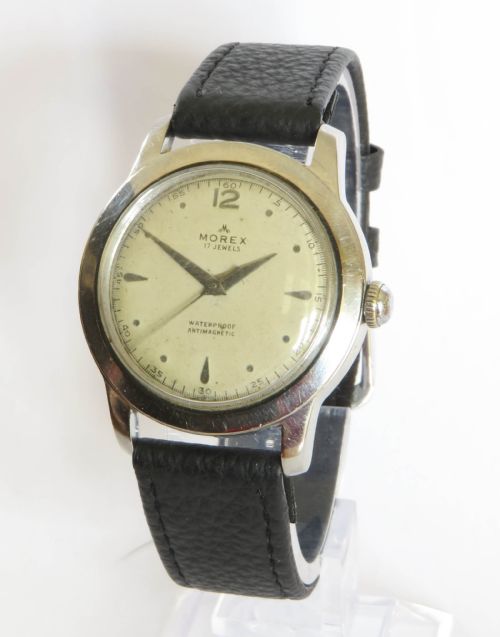
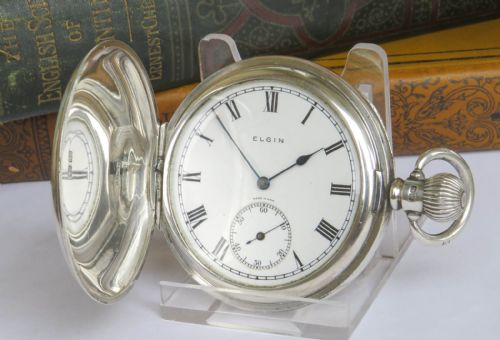
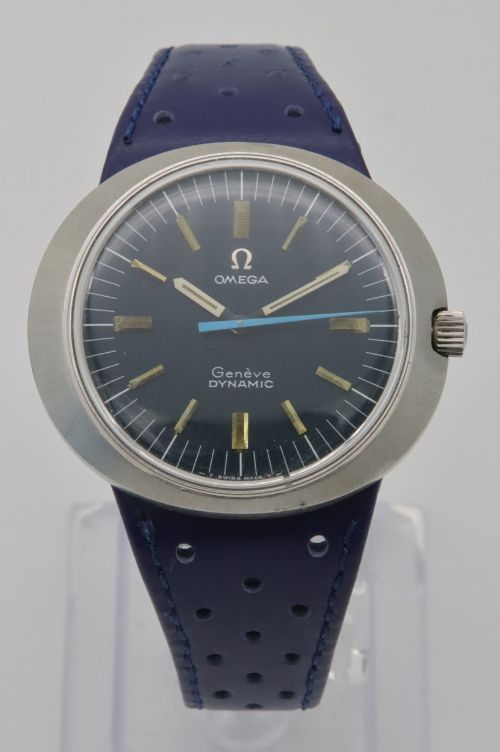
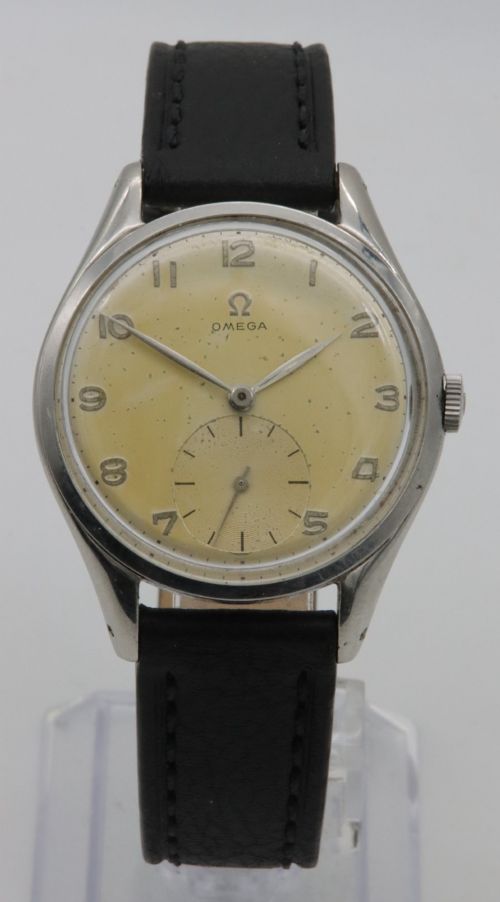
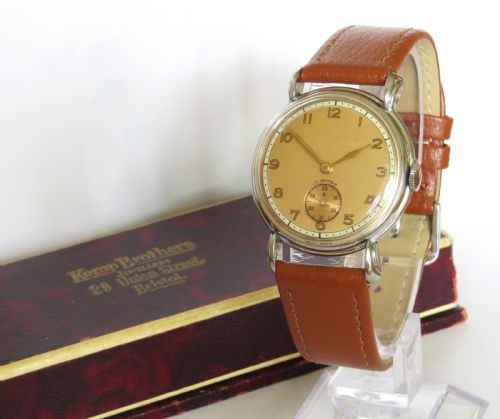
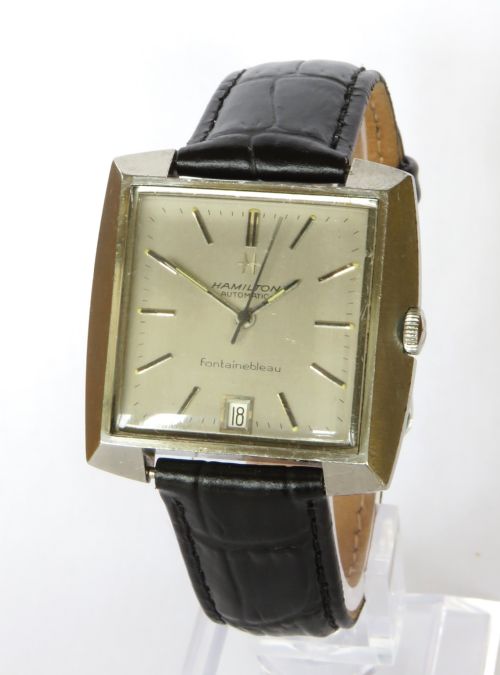
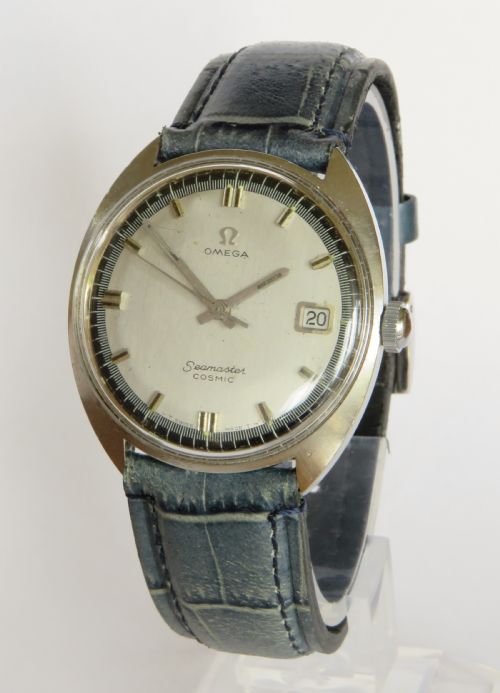
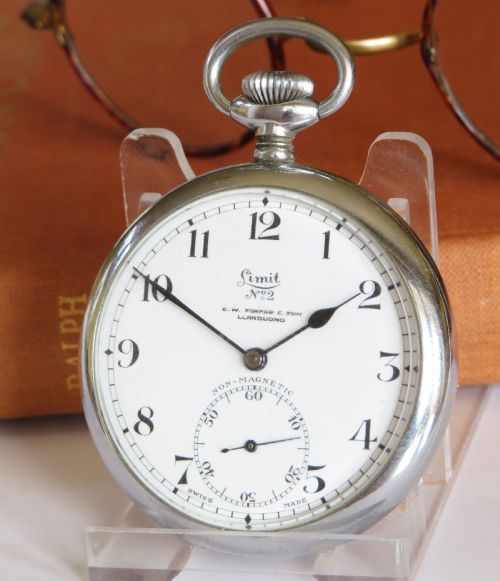
A mens silver timepiece encompasses both pocket watches and wristwatches originating from the Victorian era through the mid-twentieth century. Buyers searching this phrase will find a distinct mix of early silver pocket watches with hinged cases and later wristwatches spanning the art deco and mid-century modern periods.
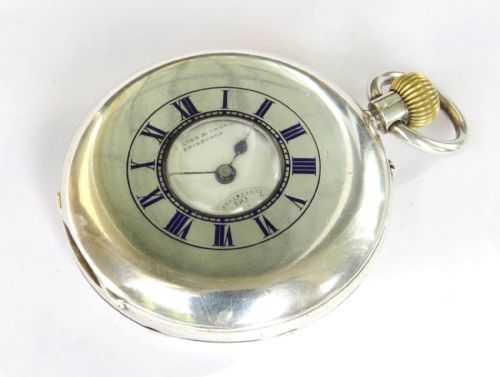
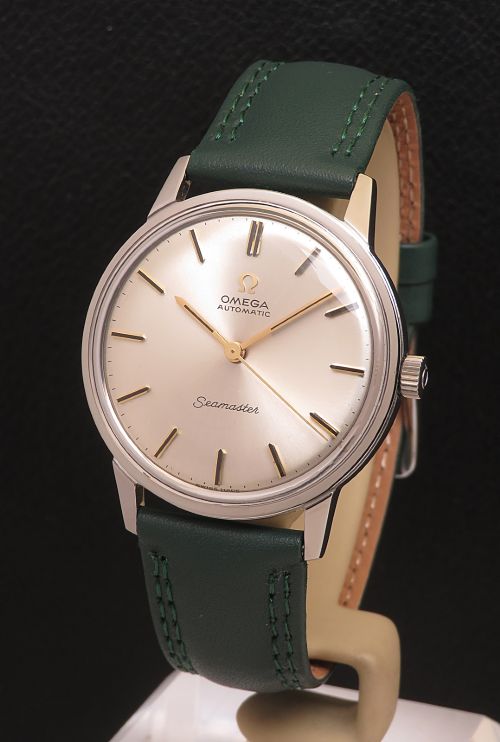
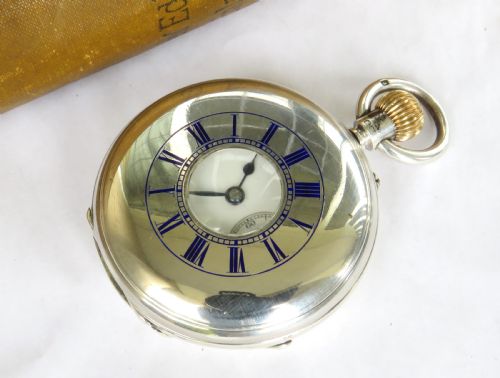
The pieces on this page lean heavily toward classic mechanical formats, featuring items from prominent watchmaking houses alongside robust English and Swiss lever movements. Pocket formats frequently include full hunter and half hunter designs, while wrist formats showcase round and cushion-shaped steel or silver cases.
How They Were Made
Cases are formed from silver, stainless steel, and brass, often paired with protective glass crystals and enamel dials. Many of the pocket watch cases feature detailed engine-turned engraving or smooth polished bezels intended to protect the delicate internal machinery.
Movements rely on traditional manual wind and automatic mechanisms, incorporating jewelled levers and chronographs housed within robust metal chassis. Straps and attachments utilise complementary materials such as leather, silver chains, and acrylic components.
Listings feature Victorian and mid-century periods alongside stainless steel, silver, and leather materials.
What Varies in Quality
The standard of a mens silver timepiece is defined by the complexity and finishing of its internal movement, ranging from standard mass-produced calibres to highly adjusted chronographs. Originality of components, including the dial, hands, and signed case, significantly separates standard examples from exceptional collectors' pieces.
Case preservation also determines overall quality, with crisp hallmarks and intact metal engraving indicating careful handling over the decades. Dial legibility and the presence of uniform patina or crisp enamel markings further elevate the standing of an individual watch.
Hamilton and Inches·Hinds London·Camerer Cuss·Elgin·Tavannes·Omega·Longines·Bulova·Gruen
The Mens Silver Timepiece Glossary
- Hunter pocket watch
- A pocket watch featuring a spring-loaded metal cover that protects the glass dial from scratches and impacts. The lid flies open via a push-piece crown.
- Half hunter pocket watch
- A pocket watch with a metal outer case lid that incorporates a small glass or open circular window, allowing the user to view the hands without opening the cover.
- Chronograph
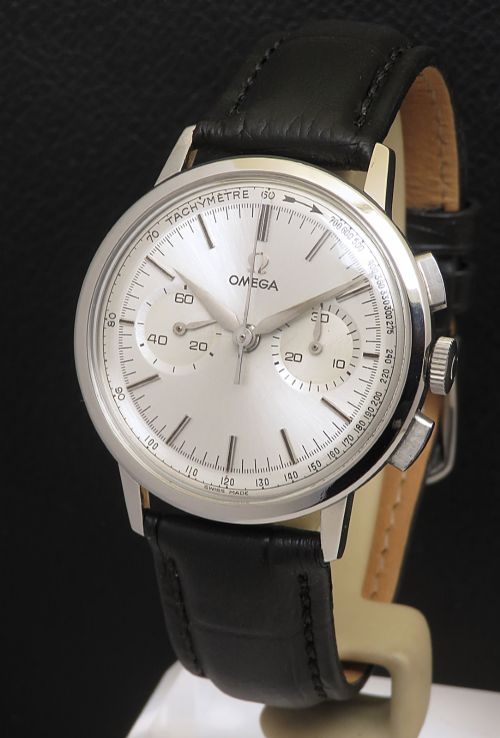
- A watch equipped with a complication that allows it to function as a stopwatch alongside standard timekeeping. These mechanisms use independent sub-dials to measure elapsed seconds and minutes.
- Fusee
- An antique conical pulley device connected to the mainspring by a chain, designed to equalise the torque as the spring unwinds to ensure consistent timekeeping accuracy.
- Calibre
- The specific manufacturer's internal designation for a particular watch movement design and size. Collectors reference these numbers to trace the exact lineage and production era of a mechanism.
Mens Silver Timepiece: Frequently Asked Questions
How do I wind a vintage mechanical watch?
Gently rotate the crown clockwise between your thumb and forefinger until you feel a firm resistance. Stop immediately to avoid damaging the internal mainspring.
Most manual wind pieces require this action daily, preferably at the same time each morning to maintain consistent tension and accuracy.
What is the difference between a hunter and an open face watch?
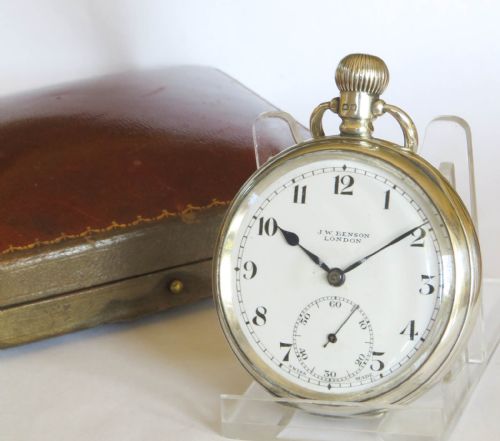
An open face pocket watch leaves the glass crystal exposed and unprotected, while a hunter watch adds a hinged metal cover for defence against daily knocks.
Open face variants were typically designed for quick reading on a desk or waistcoat pocket, whereas hunters offered greater security for active wear.
How do I read silver hallmarks on a pocket watch?
British silver cases carry stamped assay marks indicating the town of testing, the fineness of the metal, and a specific date letter corresponding to the year of manufacture.
Examining these tiny symbols with a magnifying loupe allows you to verify the exact period of the outer shell independently of the movement.