
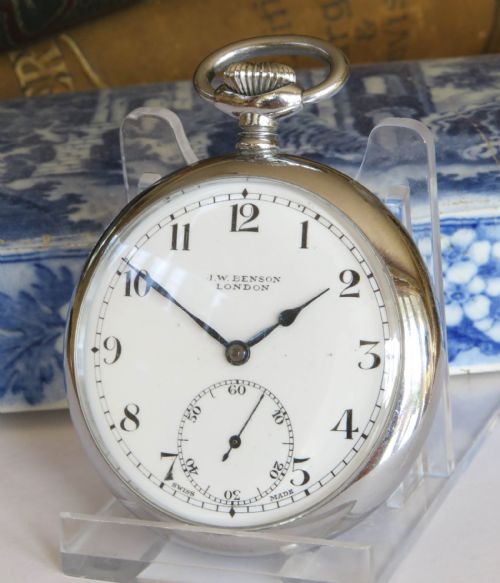
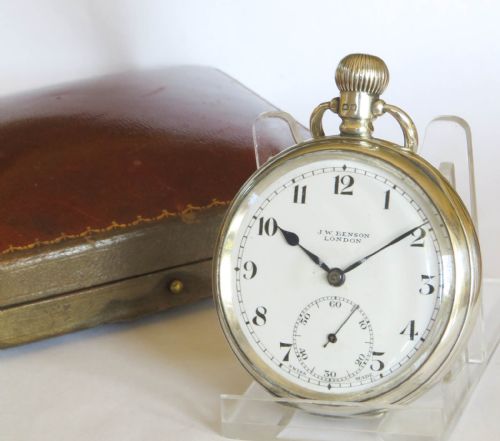
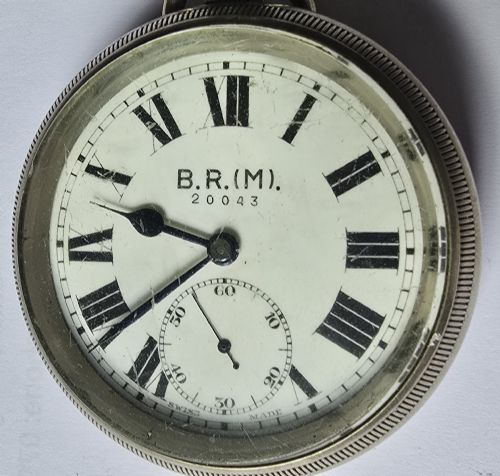

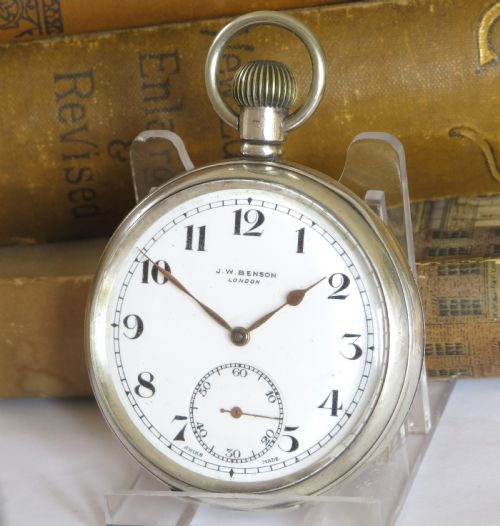
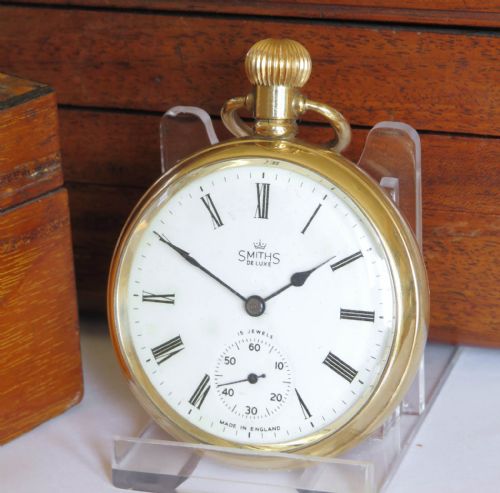


British Pocket Watch
A british pocket watch carries the weight of railways, military service and daily trades across the Victorian, Edwardian and mid-century eras.
British Pocket Watch
A british pocket watch embodies timepieces issued to railway networks, armed forces and civilian buyers from the Victorian period through the mid-century. The selection ranges from Victorian and Edwardian private pieces to military service issues and regional railway timekeepers marked for specific lines.
Railway and military service items dominate the available forms, reflecting precise institutional procurement. Collectors encounter silver and metal cases housing durable movements made for rigorous daily use by guards, stationmasters and service personnel.
Quality and Distinction
Quality rests upon the provenance of the issue, the precision of the maker and the preservation of original markings. Institutional inscriptions from specific railway regions or military branches elevate the historical interest of a piece.
The sophistication of the movement and the clarity of dial signatures distinguish standard utility issues from finer private purchases. Retaining original boxes, matching service numbers and crisp case engravings mark the higher tier of survivors.
Railway guards checked these watches against the station clock to keep the whole British empire running on time.
J W Benson·Aaron Lufkin Dennison·Cyma·Smiths·Vertex·Omega·Jaeger LeCoultre·Waltham
The British Pocket Watch Glossary
- GSTP
- General Service Time Piece. This acronym appears on military issues from the Second World War.
- Sovereign case
- A small container for gold sovereign coins, often matching the finish of a pocket watch.
- Edwardian
- A stylistic period spanning from nineteen hundred to nineteen ten, noted in early watch production.
- Mid-Century Utility
- A utilitarian design aesthetic stemming from wartime and post-war manufacturing restrictions.
- Chronograph
- A watch equipped with a stopwatch function alongside standard timekeeping.
British Pocket Watch: Frequently Asked Questions
How do I identify a railway issue?
Railway pieces carry specific regional engravings and issue numbers on the reverse of the case. These markings denote the railway company or British Railways region that once owned the timepiece.
They reflect strict institutional standardisation, often displaying company initials alongside individual service numbers.
What does GSTP mean on military pieces?
GSTP stands for General Service Time Piece, marking watches procured for British military personnel. These pieces adhere to strict government specifications for reliability and legibility.
They lack decorative flourishes, prioritising utilitarian durability for service use.
How were these watches carried?
Owners kept them in waistcoat pockets, secured by a chain attached to a buttonhole or lapel. Sovereign cases sometimes accompanied them on the same chain to hold gold coinage.
Railway guards and stationmasters relied on this secure tethering to prevent loss during active duties.
How do I date a piece?
Dating relies on hallmarks stamped inside silver cases, maker records and institutional issue histories. Case maker marks and railway region formations narrow the production window.
Many military issues carry broad arrow marks and specific contract codes corresponding to wartime procurement years.