




Vintage English Horology
Vintage english horology encompasses centuries of domestic timekeeping, bringing together mechanical precision and traditional cabinetmaking.
Vintage English Horology
Vintage english horology covers clocks and watches produced across Georgian, Victorian, and twentieth-century periods.
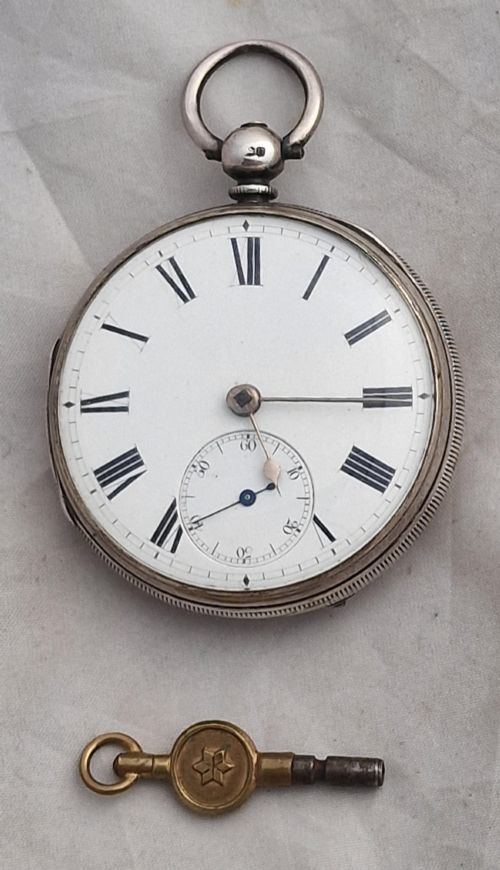
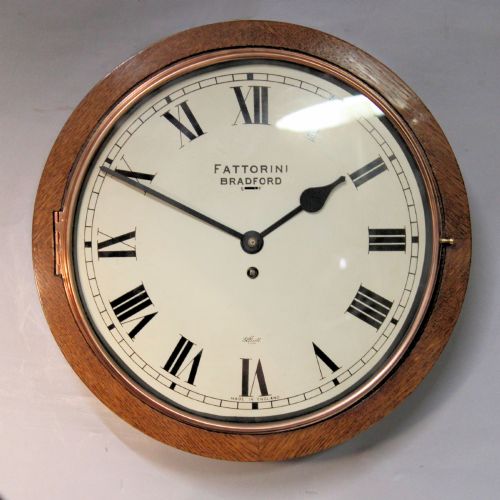
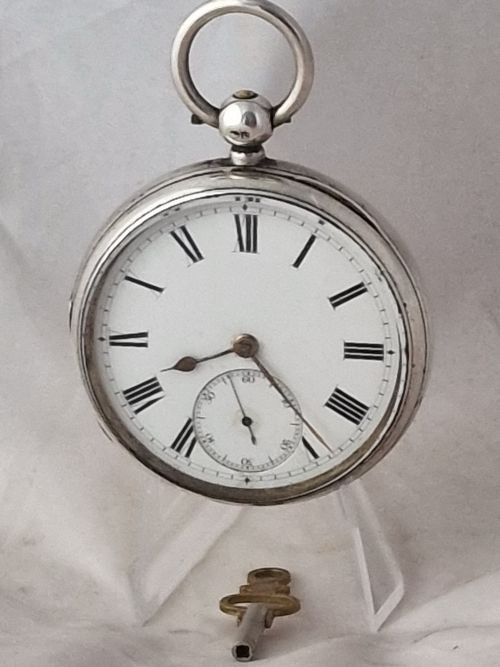
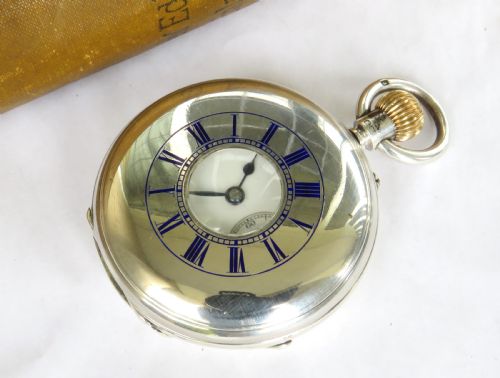
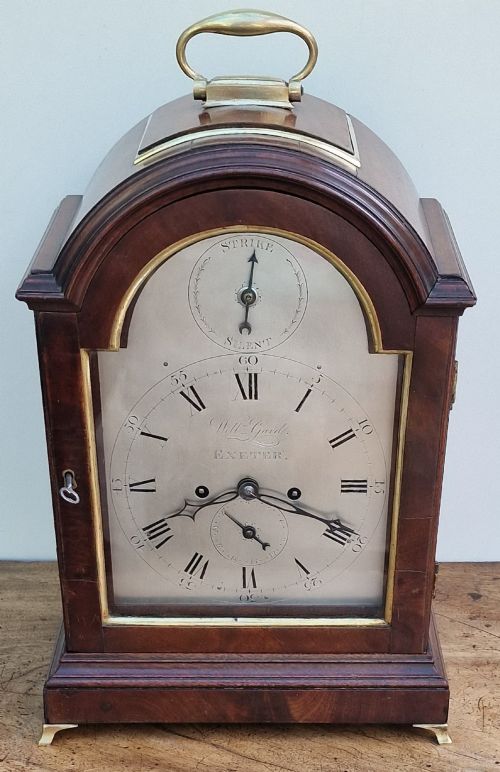
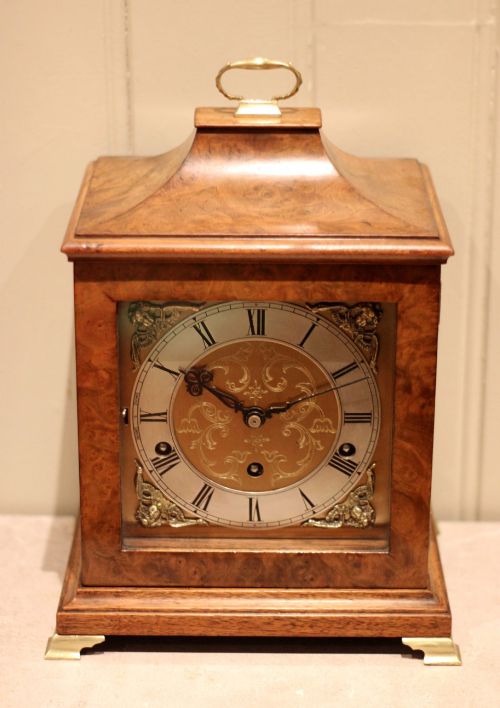
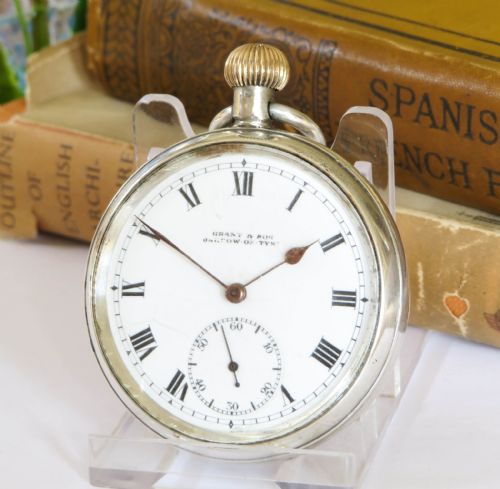
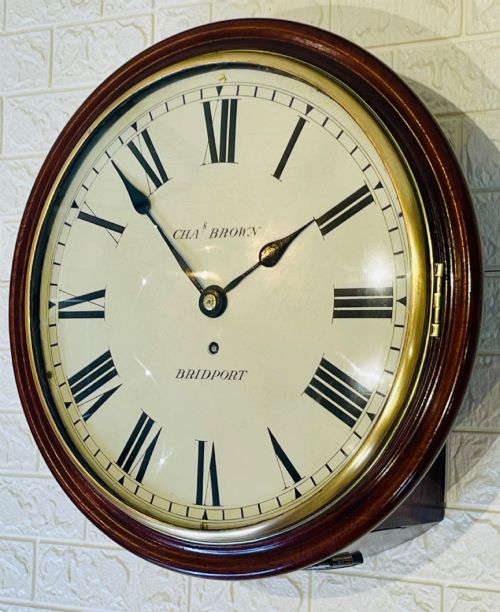
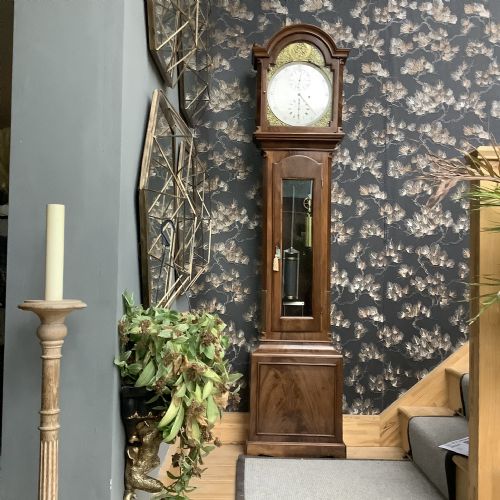
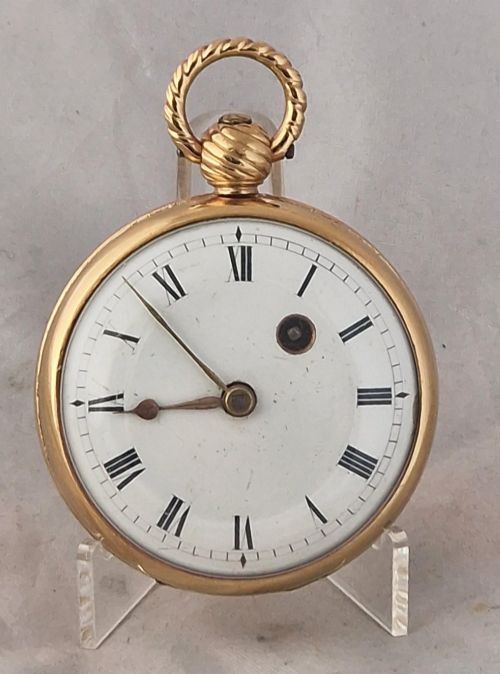
The objects take many forms, including wall dial clocks, fusee pocket watches, longcase clocks, and mahogany bracket clocks.
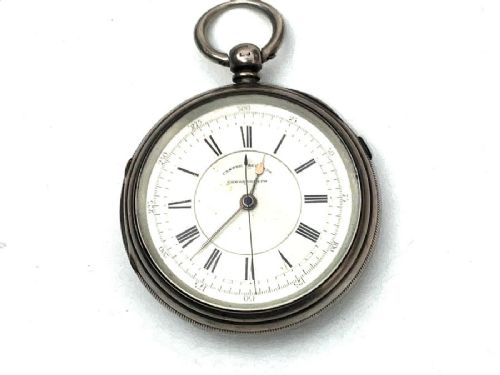
Buyers seeking vintage english horology commonly encounter fusee movements housed in timber cases or pocket watches in silver.
Materials and construction
Casses rely on timber such as mahogany, oak, and burr walnut, occasionally inlaid with brass or ebony.
Internal mechanisms combine brass, steel, and glass components, often featuring fusee movements or verge escapements.
A pocket watch named The Ludgate keeps time alongside longcase clocks dating back to seventeen hundred.
Craftsmanship and proportion
Quality rests in the precision of the escapement, the crispness of dial silvering, and the integration of the movement within its timber housing.
Superior examples demonstrate meticulous hand-finishing on both the mechanical components and the cabinetwork.
Elliott·William Gard·Goldsmiths Alliance Ltd·Mappin & Webb·Richardson·John Spershott·L Vick·JW Benson·Henry Massy·Benj Reeves·William Barrow·J Batson & Son·Connell of London·John Walker·Perigal·Joseph Jump·J G Graves Sheffield·Butt Co Ltd·J Condliff Liverpool·Kleyser of London·R Roberts·Clerke·A Delépine·Dent·Payne of Tunbridge Wells
The Vintage English Horology Glossary
- Fusee
- A conical pulley designed to maintain even power as the mainspring unwinds. This mechanism is central to traditional English timepieces.
- Verge escapement
- An early type of escapement controlling the release of power in clocks and pocket watches. It works with a crown wheel.
- Dial clock
- A wall-mounted clock featuring a prominent circular face. These pieces were standard in offices, stations, and public buildings.
- Bracket clock
- A portable table or shelf clock originally designed to sit on a bracket. They often feature striking trains.
Vintage English Horology: Frequently Asked Questions
What is a fusee movement?
A fusee is a conical pulley connected to the mainspring by a chain or cord. It ensures the clock or watch receives even tension as the spring runs down.
This device compensates for the dropping torque of the uncoiling spring, helping the timepiece maintain accurate time over its running period.
How do I date a dial clock?
Dating relies on examining the timber of the case, the shape of the bezel, and the signature on the dial. Mahogany and brass inlay often point to the Regency or Victorian eras.
Makers frequently signed the dial face or the backplate of the movement, providing direct clues to the period of manufacture.
Where were bracket clocks used?
Bracket clocks were designed for domestic use in larger homes, placed on tables, mantelpieces, or dedicated wall brackets. Their portability allowed them to move between rooms.
Unlike longcase clocks, they could be carried easily, though their heavy brass movements required careful handling.
What is a verge escapement?
The verge escapement is an early mechanical regulator found in older clocks and pocket watches. It controls the rotation of the gear train through a rocking pallet staff.
This system produces a distinct ticking sound and pairs with a balance spring or pendulum to measure seconds.