
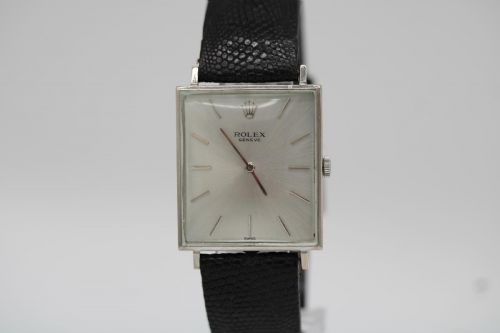
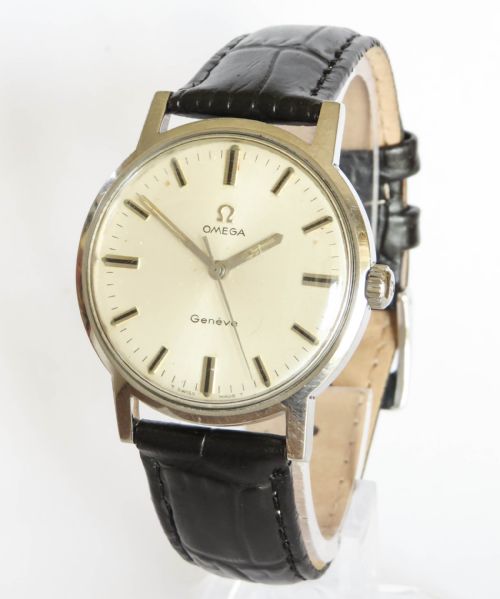

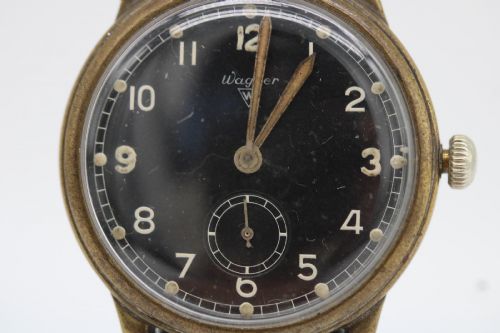
Black Dial Wristwatch
A black dial wristwatch offers a purposeful tool-room aesthetic that transitions easily from military history to mid-century dress codes.
Black Dial Wristwatch
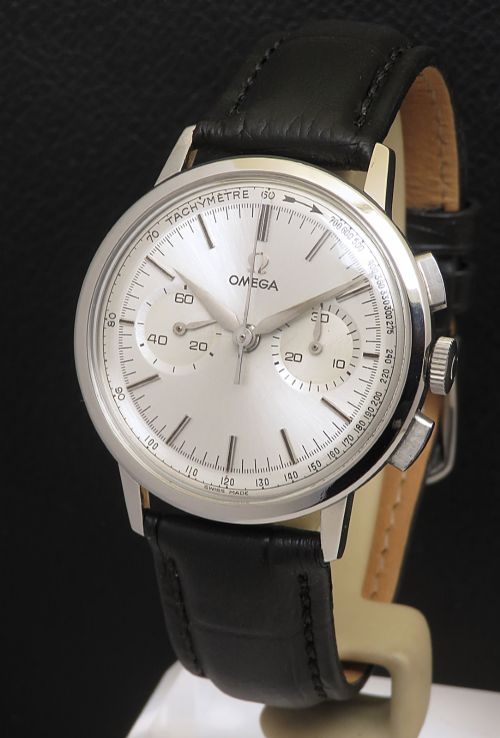
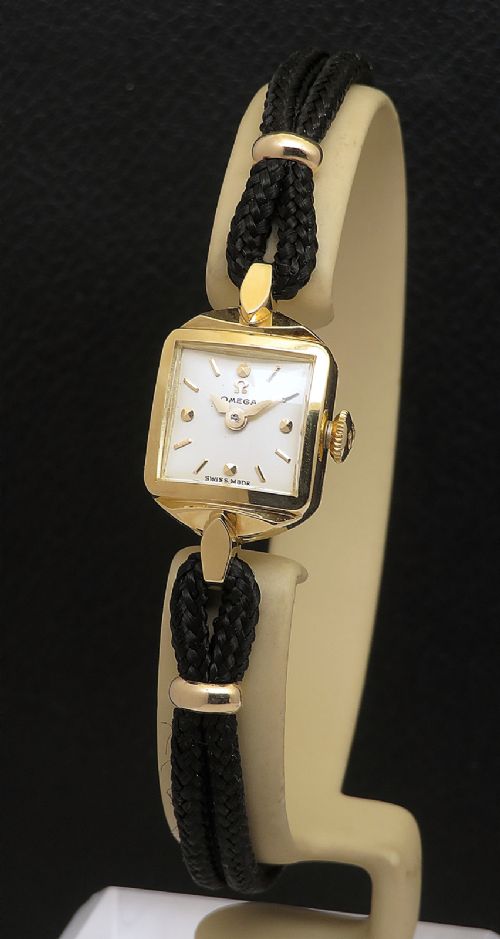
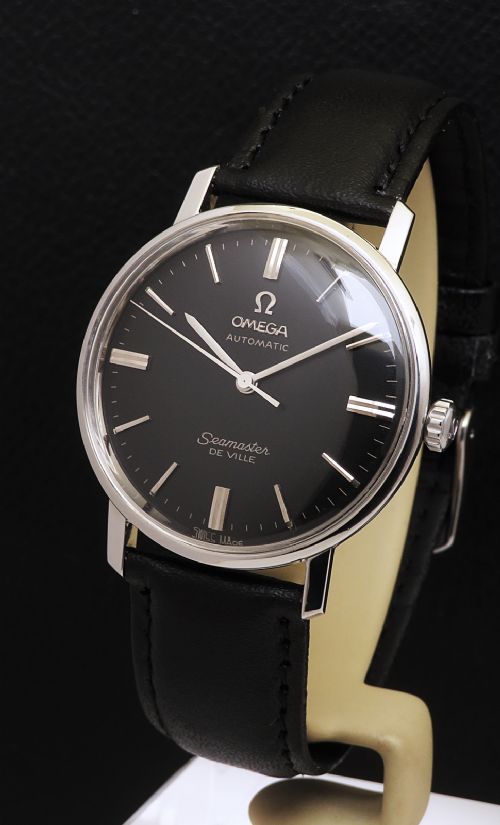
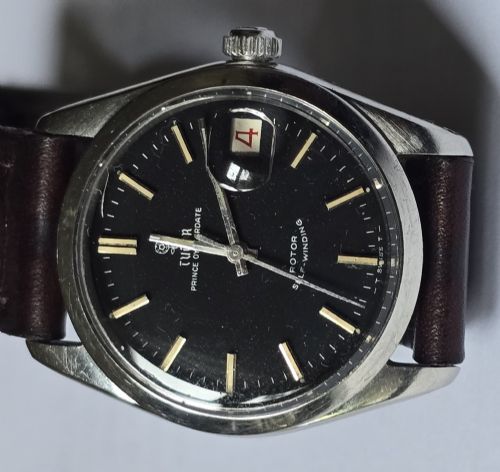
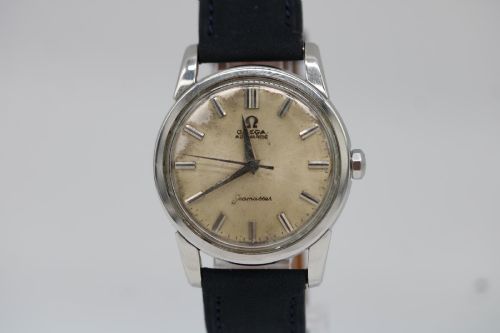
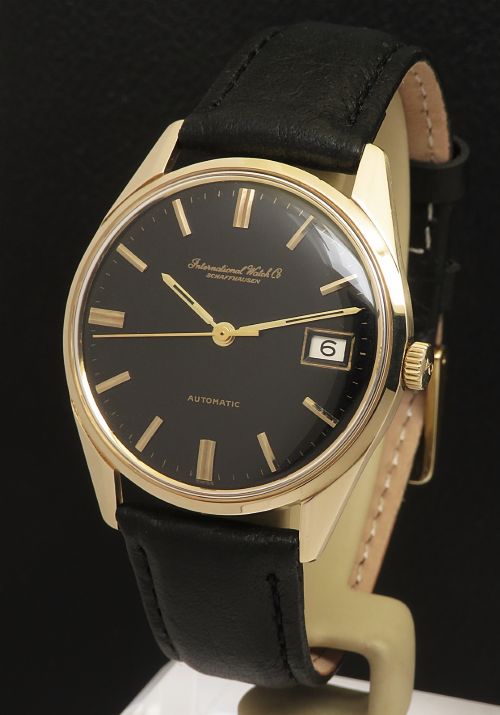
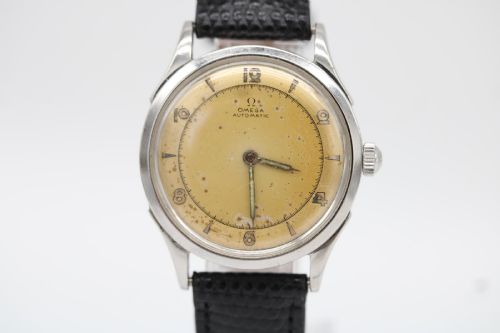
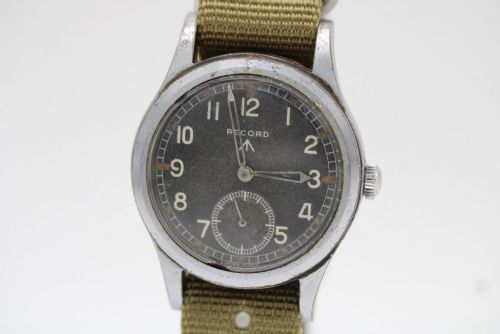
A black dial wristwatch gathers horological examples spanning from the early twentieth century through the nineteen-seventies, encompassing rugged military issues alongside refined gold dress pieces. The selection relies heavily upon mid-century production, drawing from decades where dark faces served both tactical legibility and modern design trends.
Buyers encounter distinct forms such as military trench watches, robust stainless steel chronographs, and solid gold cocktail designs. Mid-century examples dominate the offerings, reflecting the post-war expansion of wristwatch manufacturing across Swiss and British workshops.
Materials and construction methods
Cases utilise stainless steel, chrome, and solid gold alongside specialised housings for military specifications, while crystals employ glass or acrylic. Metals undergo stamping, turning, and polishing to form circular or tonneau shapes designed to protect internal movements.
Dials incorporate painted or printed indexes on dark surfaces, paired with metal hands driven by manual-wind or automatic mechanical calibres. Straps rely predominantly on leather, complementing the metallic case construction with traditional fastening methods.
Black Dial Wristwatch Retail Price Guide 2026
Typical asking prices for black dial wristwatch among the pieces listed under this phrase on Sellingantiques today, from the lower quarter to the upper quarter. They describe what is for sale here now, not the wider market.
Listings feature black dial wristwatches spanning mechanical calibres from the nineteen-teens through the nineteen-seventies.
Distinctions in horological quality
Preservation of the original dial finish strongly influences overall standard, as untouched printing and original hands command greater interest. The complexity of the internal calibre, from basic three-hand setups to chronographs and bumper automatics, determines mechanical standing.
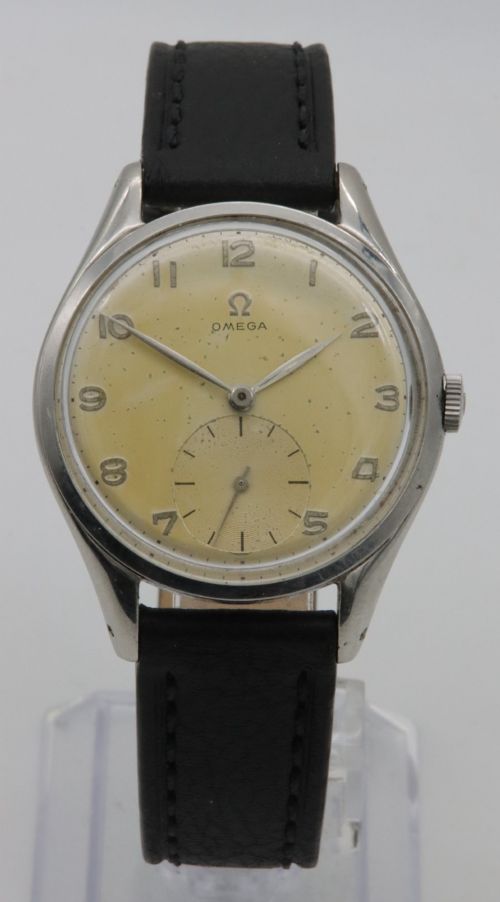
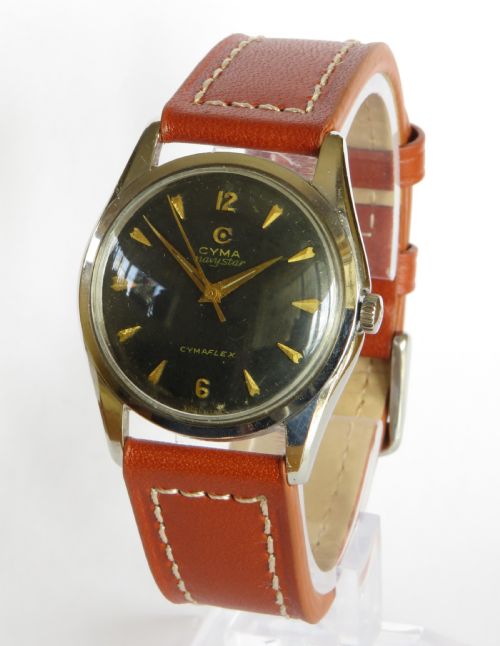
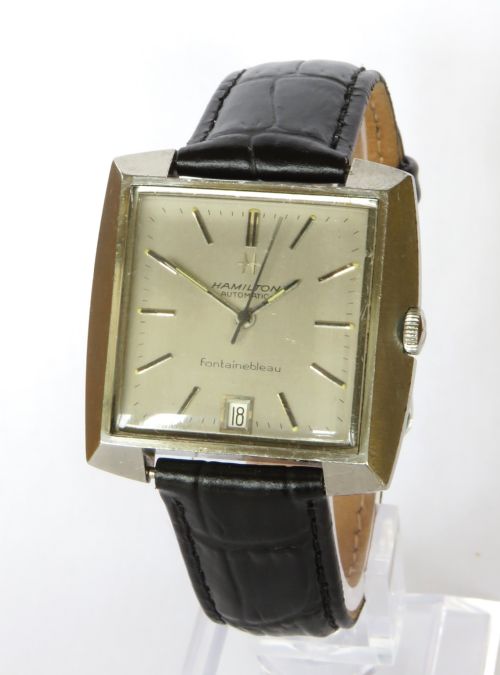
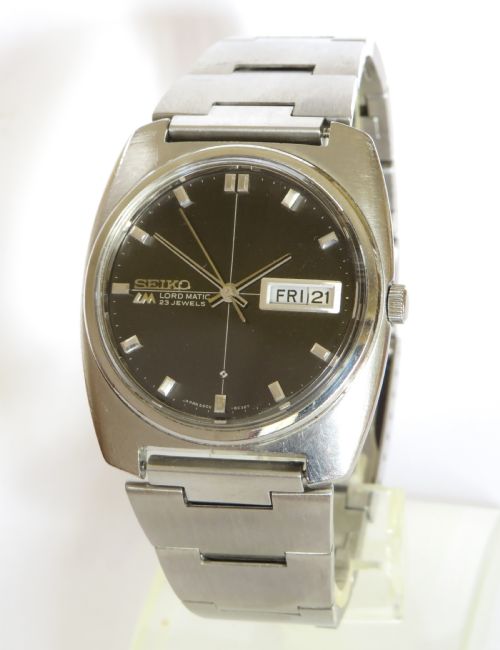
Omega·Tudor·Cyma·Hamilton·Seiko·IWC·Record·Rolex·Wagner·Tissot·Smiths·Longines·Breitling·Roamer·Rotary·Zenith·Belair·Dogma Prima·Marvin
The Black Dial Wristwatch Glossary
- Calibre
- The internal mechanical movement of a watch, designated by the manufacturer by specific numbers or names.
- Chronograph
- A watch equipped with a stopwatch function alongside the standard time-displaying hands.
- Bumper automatic
- An early self-winding mechanical movement where a weighted rotor swings back and forth against springs rather than rotating fully.
- Trench watch
- A transitional timepiece bridging the pocket watch and modern wristwatch, widely utilised during the First World War.
- Acrylic glass
- A lightweight, shatter-resistant synthetic material used for watch crystals before the widespread adoption of sapphire.
Black Dial Wristwatch: Frequently Asked Questions
How do I wind a vintage watch?
Manual-wind models require turning the crown clockwise between your thumb and forefinger until slight resistance indicates the mainspring is fully tensioned. Automatic pieces wind themselves through the natural motion of the wearer's wrist.
Avoid overwinding mechanical watches, as forcing the crown past the point of resistance can damage the internal spring mechanism. Daily winding should occur at a consistent time to maintain steady tension.
Are these watches waterproof?
Vintage timepieces lack modern rubber gasket systems and screw-down crowns designed for deep-water resistance. Exposure to moisture, rain, or humidity can cause condensation beneath the acrylic crystal and rust the internal movement.
Keep older wristwatches dry during daily wear to preserve the delicate metal components and original dial condition. Even models marked as military issue or waterproof in period advertising require caution today.
What is a bumper automatic movement?
A bumper automatic uses a semi-circular weighted rotor that swings back and forth within an arc, striking internal springs to wind the mainspring. This early self-winding technology provides a distinct physical tap to the wrist during movement.
Developed prior to the invention of the full-rotor automatic, this mechanism represents a specific transitional era in mid-century horology.
How do I date a vintage watch?
Dating relies upon matching serial numbers engraved on the case back or internal movement against manufacturer production ledgers. Hallmarks on gold or silver cases also provide assay office stamps corresponding to specific years of manufacture.
Stylistic cues such as dial typography, hand shapes, and case geometry further narrow down the era of production when documentation is absent.