
Antique Horology
Antique horology gathers timepieces spanning pocket watches, mantel clocks and longcase grandfather clocks built to measure hours with mechanical precision.
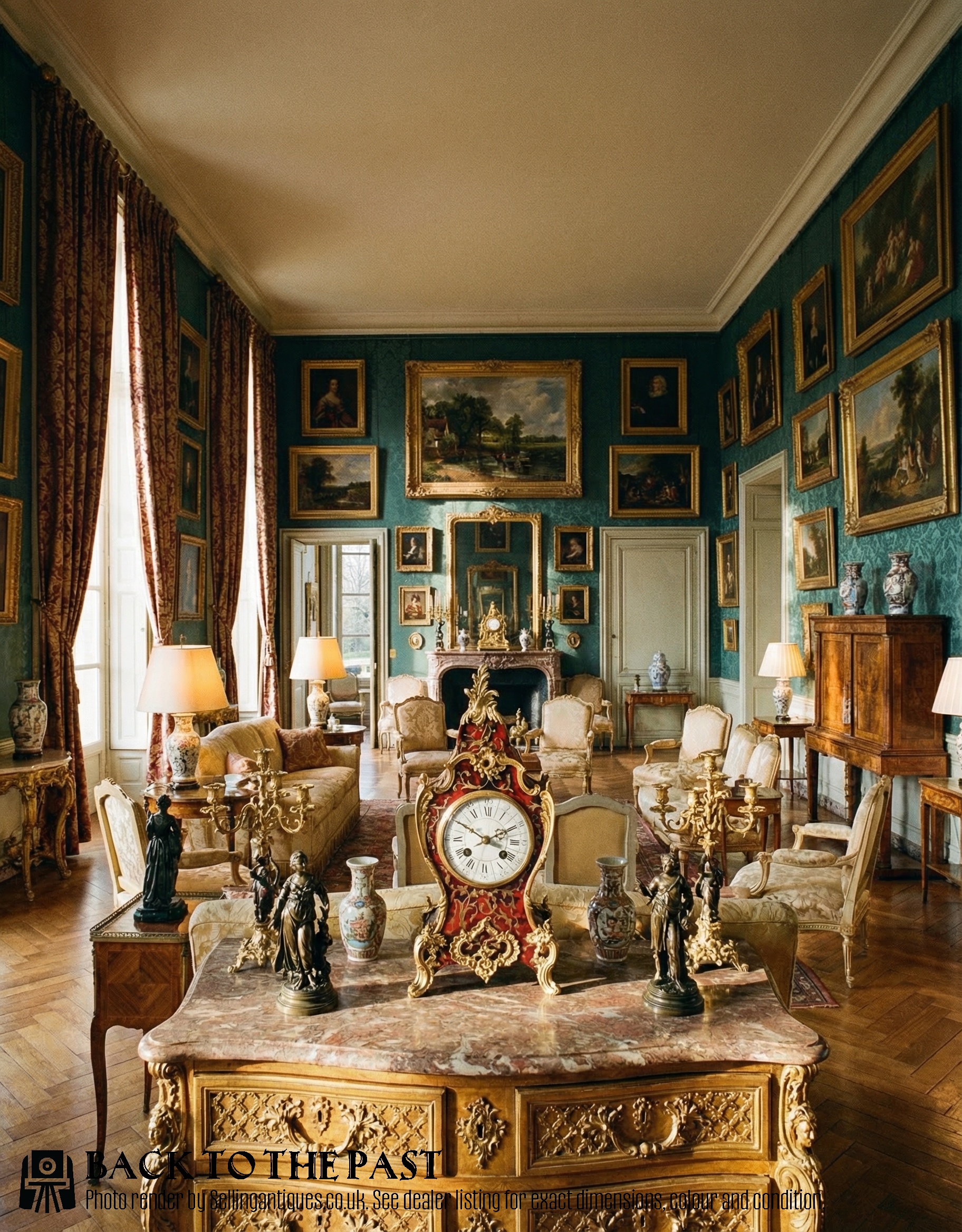
Antique Horology
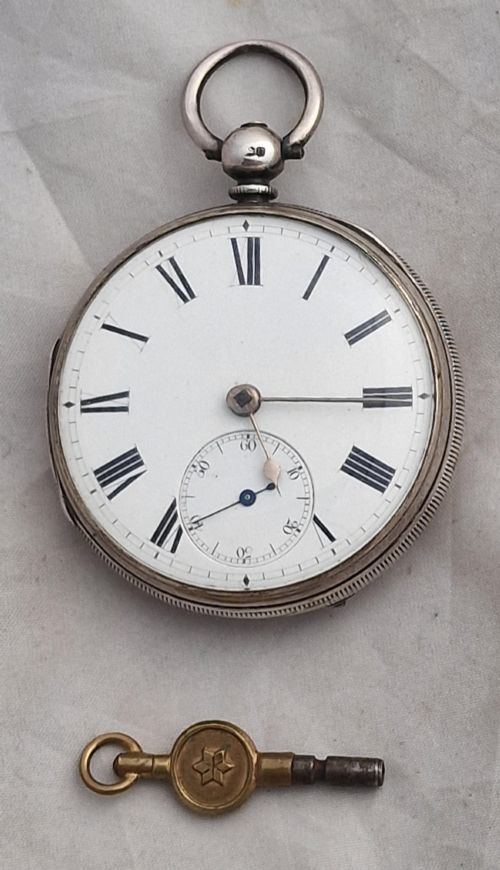
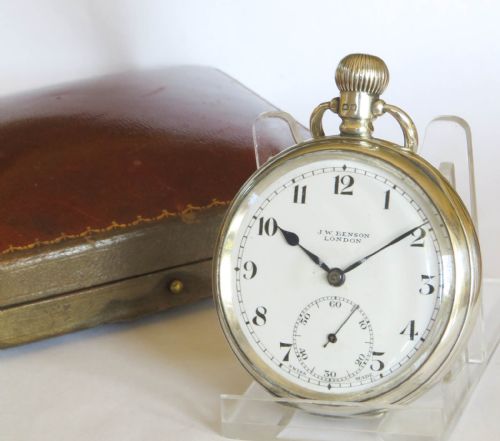
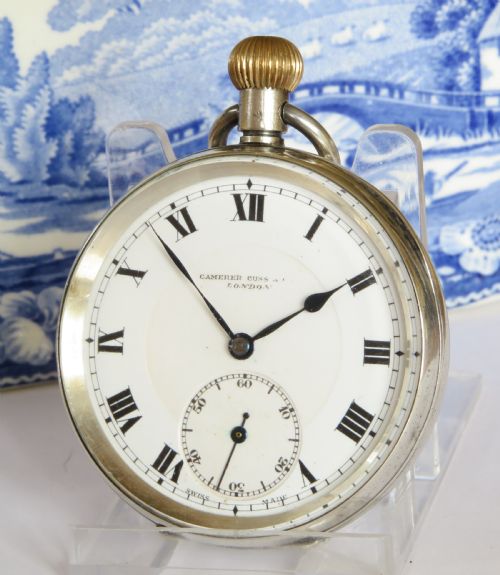
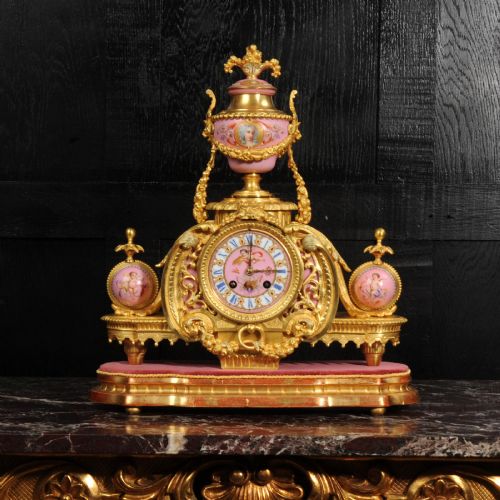
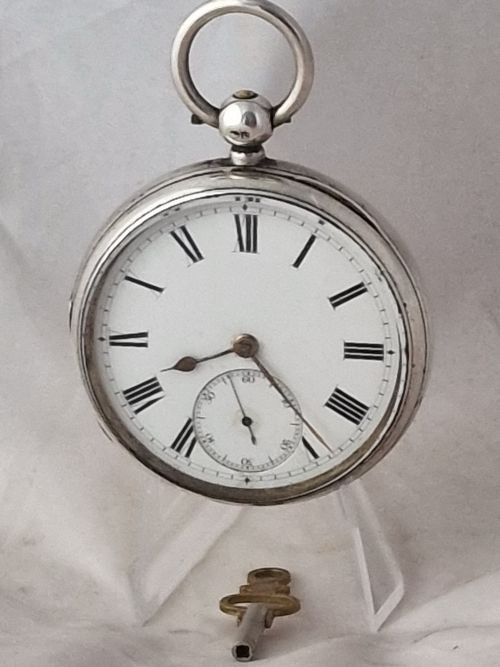
When you search for antique horology, you encounter a range of timepieces from pocket watches to grand longcase clocks. These objects span periods from the Georgian era through the Victorian age and into the twentieth century. You see timepieces designed for travel, such as carriage clocks and trench watches, alongside domestic items built for mantelpieces and walls.
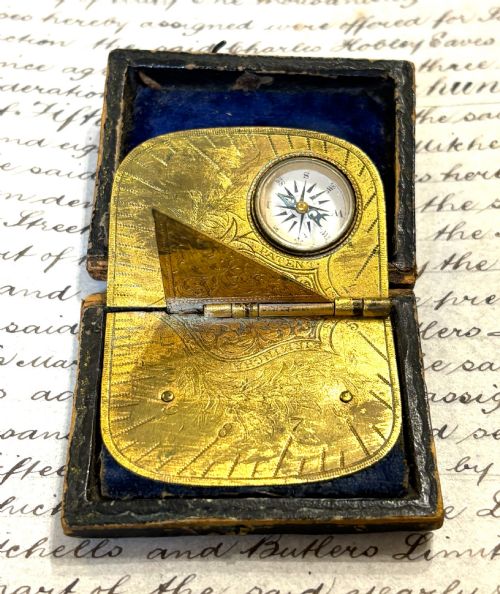
Origin points stretch across Britain, France, Austria and Germany, encompassing regional makers and London firms. You find specialised items like scientific instruments, folding pocket sundials and calendar moonface pocket watches. The selection mixes everyday utility pieces, such as railway and military watches, with decorative bracket and mantel clocks.
Materials and construction methods
Horological pieces rely on metals like brass, steel and silver for internal movements, dials and pocket watch cases. Brass forms plates and gear trains, while steel provides strength for springs, pivots and levers. Precious metals and gun metal shape the exterior housings of portable timepieces.
Cabinetmakers utilised timber such as oak, mahogany, walnut and burr walnut to construct wall and bracket clock cases. Woodwork often incorporates brass inlay, glass panels and porcelain plaques, uniting structural framing with decorative finishes.
Movements utilise mechanical systems including fusee mechanisms, lever escapements and striking trains. Dials feature hand-painted or engraved markings on enamel, brass and silver, paired with shaped metal hands.
Antique Horology Retail Price Guide 2026
Typical asking prices for horology among the pieces listed under this phrase on Sellingantiques today, from the lower quarter to the upper quarter. They describe what is for sale here now, not the wider market.
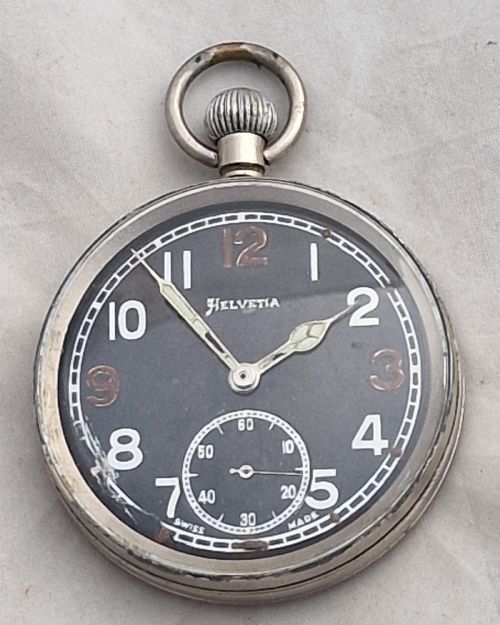
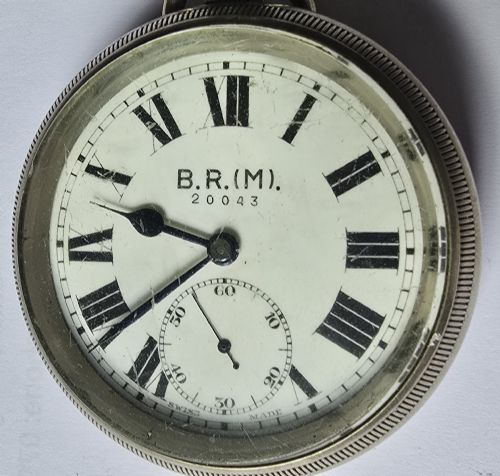
Military pocket watches and trench watches carry the silent proof of twentieth-century conflicts inside their rugged steel and gun metal cases.
Factors in horological quality
Quality in antique horology rests on the refinement of the movement and the integrity of the case. Finer pieces feature sophisticated mechanisms like double fusee systems, quarter striking trains or lever escapements that ensure steady timekeeping. Makers integrated high-grade materials, selecting solid timber, Ormolu mounts and precious metal cases rather than simpler substitutes.
The relationship between maker and execution dictates standard. Signed pieces from notable workshops demonstrate superior finishing on internal plates, gears and dial engravings. The harmony between the original housing and its movement remains central, as alterations diminish the integrity of the piece.
Henri Jacot·Achille Brocot·Lenzkirch·Thuret·Lange & Sohne·J W Benson
The Antique Horology Glossary
- Fusee
- A conical pulley used in mechanical watches and clocks to maintain equal force on the gear train as the mainspring unwinds. This device ensures consistent timekeeping throughout the power reserve.
- Escapement
- The mechanism in a clock or watch that controls the release of power to the gear train and gives impulses to the pendulum or balance wheel. It translates rotational force into regulated ticks.
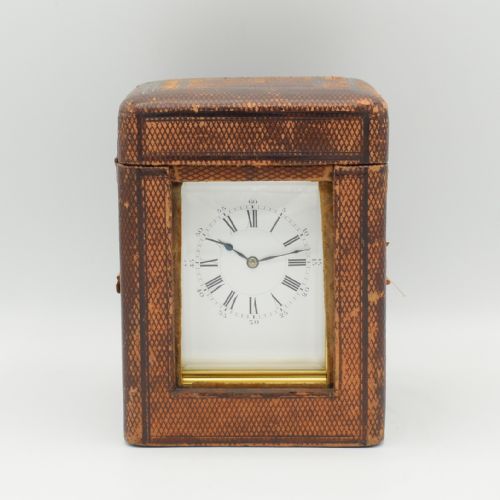
- Carriage clock
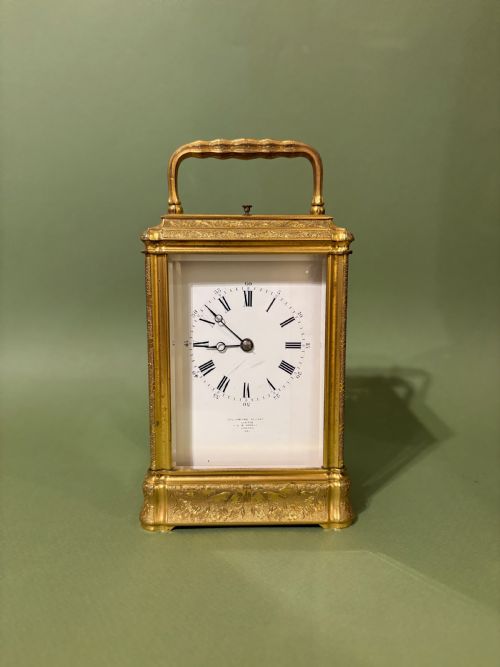
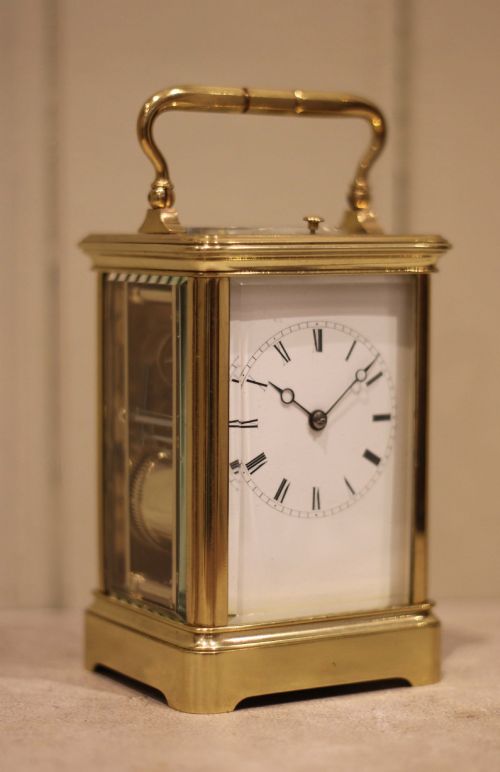
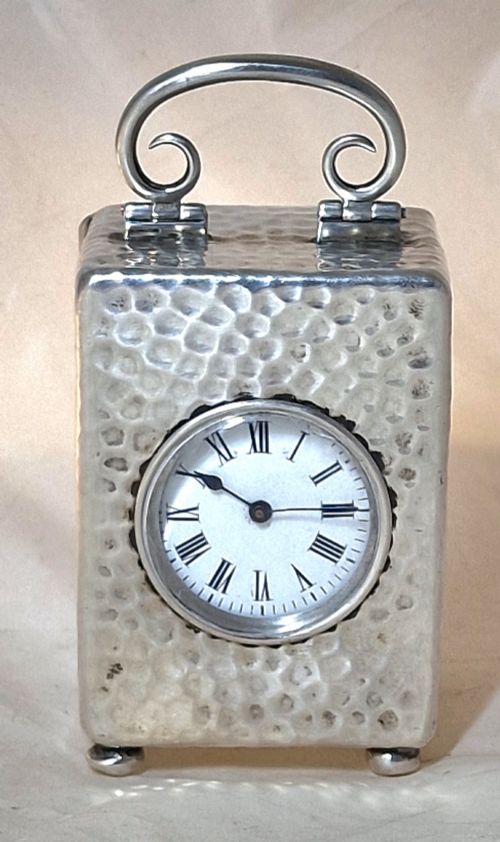
- A small, portable spring-driven clock designed for travel during the nineteenth century. These pieces typically feature glass panels and a swinging handle above the case.
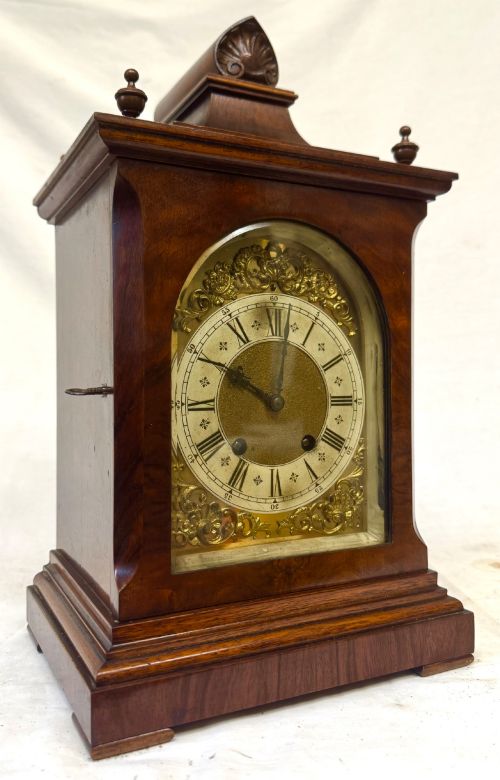
- Bracket clock
- A portable table or mantel clock originating from an era when such items sat upon wall brackets. They frequently incorporate striking or chiming mechanisms within wooden architectural cases.
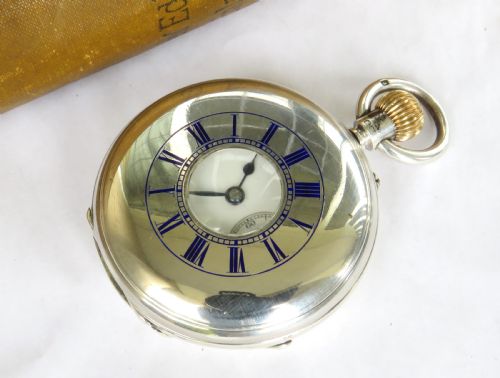
- Half hunter
- A pocket watch case featuring a solid outer cover with a glass-centred aperture that displays the hands without opening the case. This design protects the dial while allowing quick time checks.
Antique Horology: Frequently Asked Questions
How do fusee clocks work?
A fusee clock uses a conical pulley connected to the mainspring by a fine chain or cord. As the spring unwinds and loses tension, the chain moves to a wider part of the cone to maintain even torque.
This mechanical compensation prevents the clock from losing speed as the power runs down, resulting in more accurate timekeeping across the duration of the wind.
What is a carriage clock?
A carriage clock is a portable timepiece housed in a brass frame with glass panels on the sides and top. They were built for travellers in the nineteenth century and usually include a folding handle.
Many examples feature lever escapements and striking or repeating mechanisms, allowing them to sound the hours and quarters on demand.
How do I date an antique pocket watch?
Dating a pocket watch involves examining hallmarks on the metal case, maker signatures on the dial or movement, and the style of the hands and escapement. British silver and gold cases carry assay office marks and date letters.
Internal movement numbers and styles of engraving also help narrow the decade of production, distinguishing Victorian examples from later twentieth-century pieces.
Where should I place a bracket clock?
Bracket clocks suit stable horizontal surfaces such as mantelpieces, sideboards or dedicated wall shelves where they remain level. Keeping them away from direct sunlight, drafts and dampness protects the wooden case and internal movement.
Mechanical clocks require a firm foundation to ensure the pendulum or balance wheel beats evenly.