


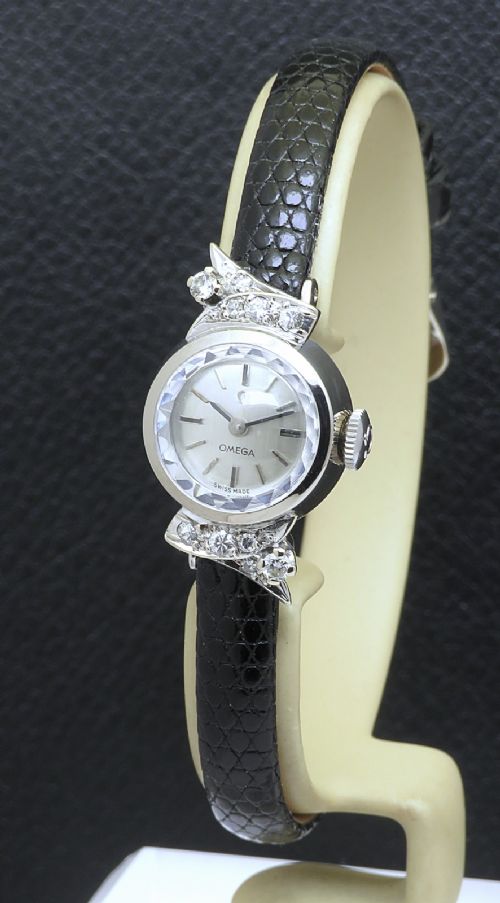

18ct Gold Watch
This 18ct gold watch selection gathers precious metal timepieces and wearable chains spanning pocket models to jewelled cocktail designs.
18ct Gold Watch
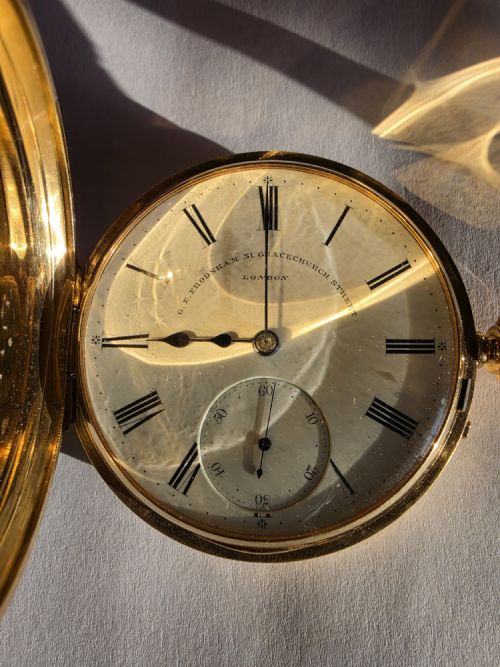
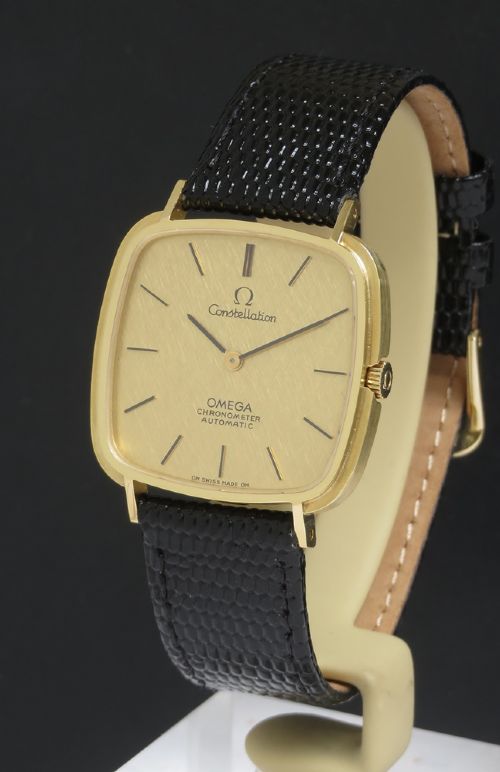
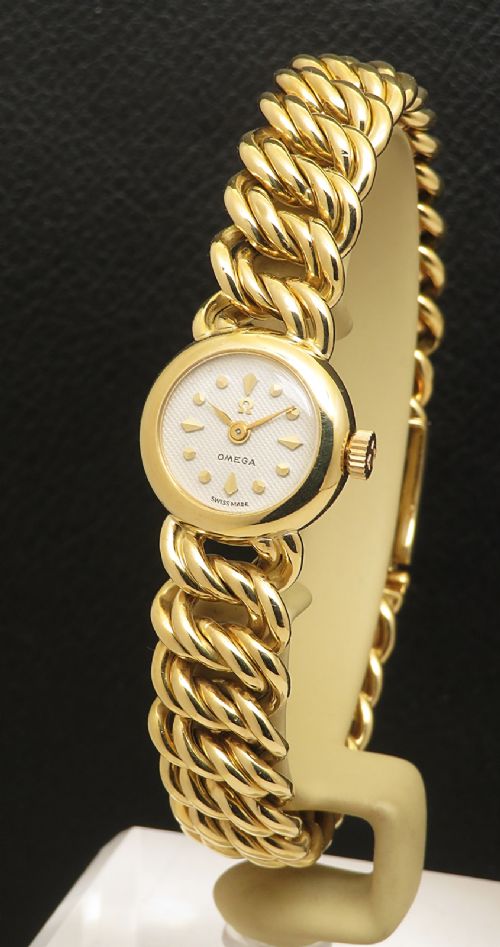
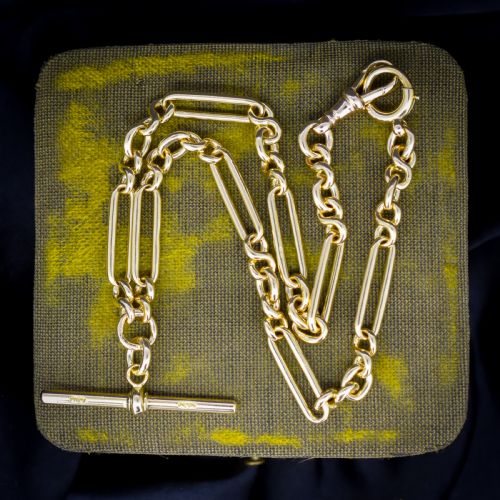
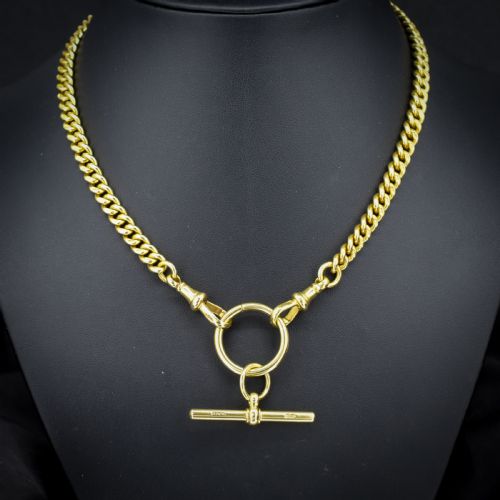
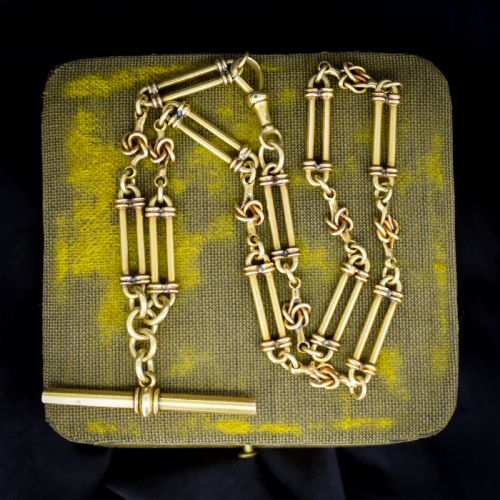
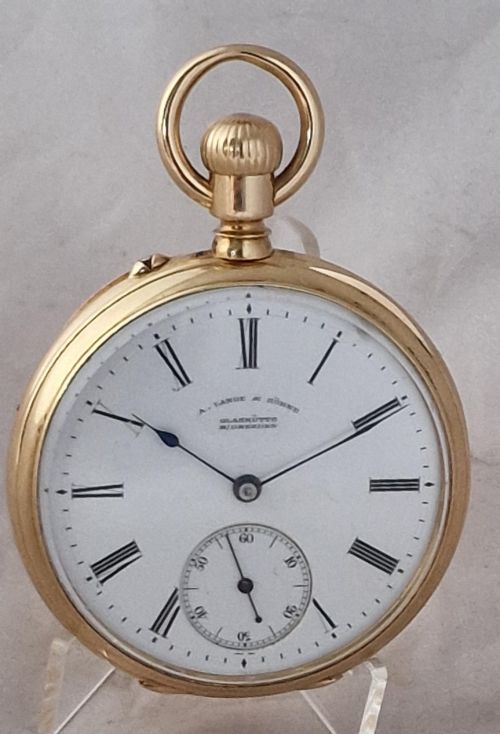
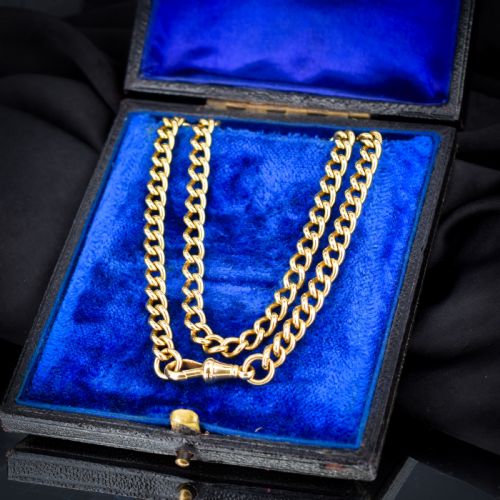
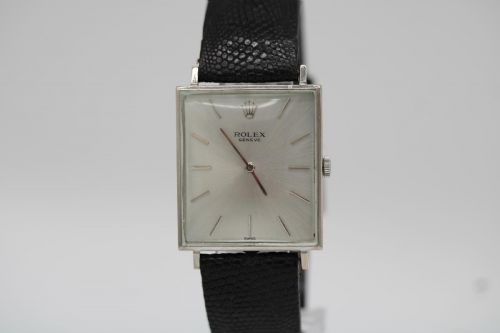
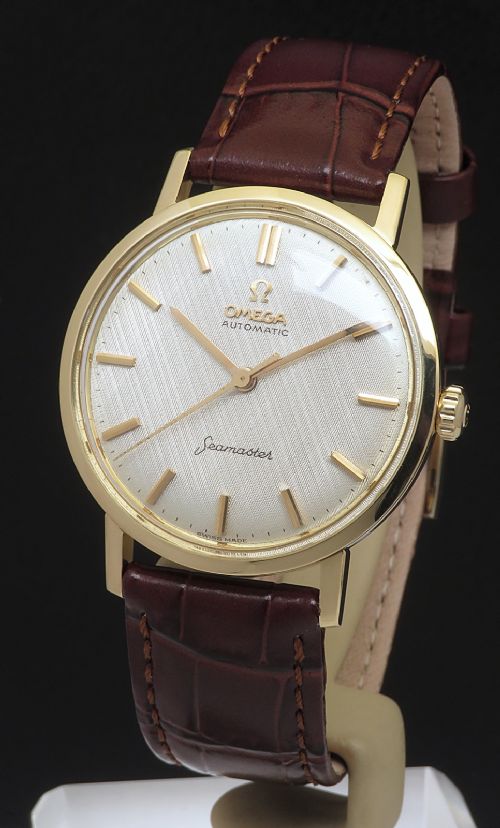
The inventory ranges across centuries, featuring nineteenth-century fusee movements, Edwardian fob watches, and 1950s or 1960s automatic wristwatches. Alongside standalone watches, the selection includes heavy yellow and white gold watch chains, lockets, and fob pendants.
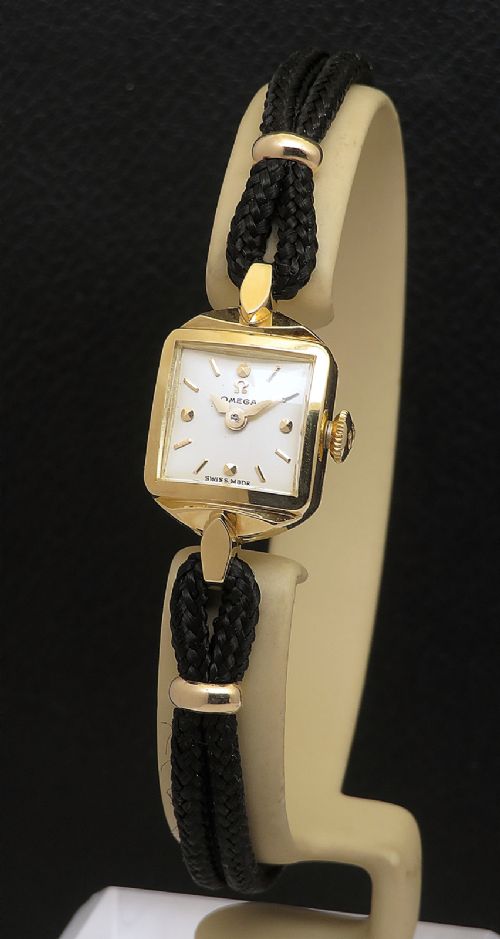
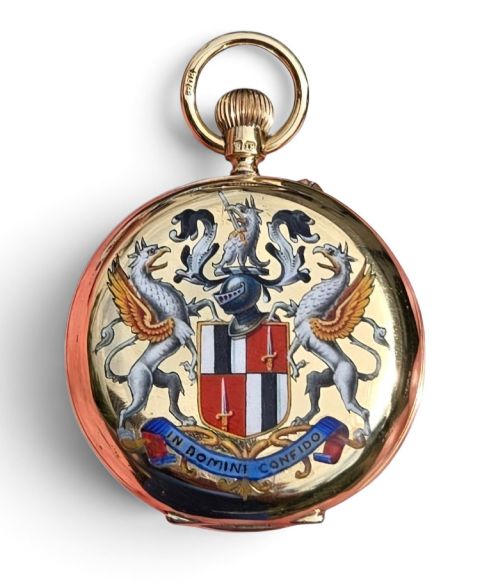
Pocket variants include full hunter and half hunter designs featuring engraved floral dials, whilst wristwatch iterations span sleek dress models and gem-encrusted cocktail creations.
How they were made
Construction relies heavily on solid 18ct yellow, white, and rose gold housings, occasionally paired with platinum elements, steel components, and leather straps. Precious metals are shaped into robust cases, intricate link chains, and hinged hunter covers.
Dials incorporate fine details such as hand-engraved floral motifs, black onyx accents, enamel work, and sparkling diamond or gemstone bezels. Internal mechanics utilise manual wind, automatic, and traditional key-wind fusee movements housed safely within the gold shells.
18ct Gold Watch Retail Price Guide 2026
Typical asking prices for 18ct gold watch among the pieces listed under this phrase on Sellingantiques today, from the lower quarter to the upper quarter. They describe what is for sale here now, not the wider market.
Listings feature 18ct yellow, white, and rose gold alongside diamond, platinum, enamel, and bloodstone materials.
What varies in quality
Quality differences emerge through the intricacy of casework engraving, the presence of original packaging and paperwork, and overall mechanical preservation. Superior examples retain crisp floral or geometric chasing on the gold exterior alongside original signed dials and matching straps.
The integration of precious stones, such as pavé-set diamonds or bloodstone agate fobs, elevates specific items. Maker reputation and historical provenance, from royal descent to military ownership, further distinguish exceptional pieces from standard items.
George Edward Frodsham·Omega·R Stewart Glasgow·Lange And Sohne·Negretti And Zambra·Rolex·Tissot·J W Benson·Baume And Mercier·Movado·Vertex·Stauffer Cx De Fond·J Lyndsey·Mundus·Patek Philippe·George Jackson·Jaeger Lecoultre·Cartier·F E Massey·International Watch Company Iwc·Chronograph Suisse·Longines·A Robert·Waltham·Charles Horner
The 18ct Gold Watch Glossary
- Half Hunter
- A pocket watch featuring a case with a glass or open centre window in the outer cover, allowing the wearer to view the hands without opening the watch.
- Fusee
- A conical pulley device used in older pocket watches to maintain even tension on the mainspring as the power winds down, ensuring more accurate timekeeping.
- Albert Chain
- A decorative chain attached to a pocket watch, designed to be secured through a buttonhole or worn across a waistcoat.
- Cocktail Watch
- A small, highly decorative ladies wristwatch often encrusted with diamonds and gemstones, intended primarily for evening wear.
- Fob
- A short strap, ribbon, or chain attached to a pocket watch, often adorned with a seal, pendant, or spinning gemstone.
18ct Gold Watch: Frequently Asked Questions
How do I wear an antique watch chain?
Antique watch chains, including trombone and curb link styles, are traditionally fastened across a waistcoat with one end secured in a buttonhole.
The attached watch rests in the waistcoat pocket while decorative fobs or pendants hang visibly against the front.
Are mid-century cocktail watches mechanical?
Mid-century cocktail watches predominantly rely on manual wind mechanical movements tucked neatly inside tiny gold and diamond-set cases.
These delicate mechanisms require regular winding by hand to keep accurate time throughout the evening.
How do key-wind pocket watches work?
Key-wind pocket watches require a separate metal key to adjust the hands and wind the mainspring through holes in the inner dust cover.
This traditional nineteenth-century method predates the modern crown-winding system used on later timepieces.