


Cushion Case Watch
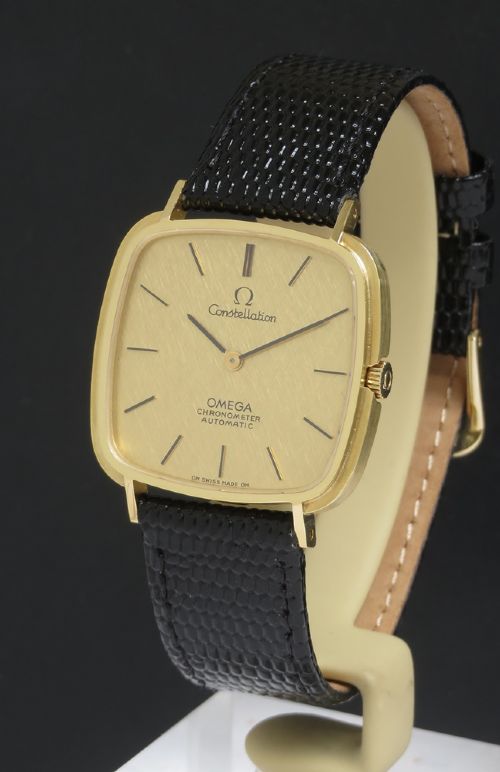
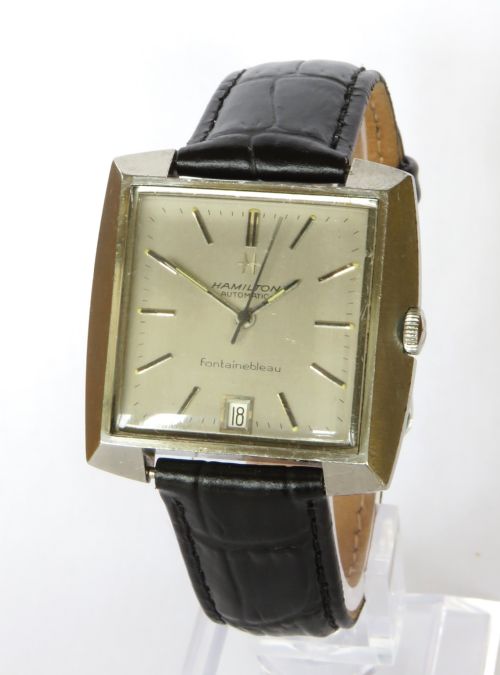
A cushion case watch offers a rounded square silhouette that shifts formal horology toward something sculptural and distinctive.
Cushion Case Watch
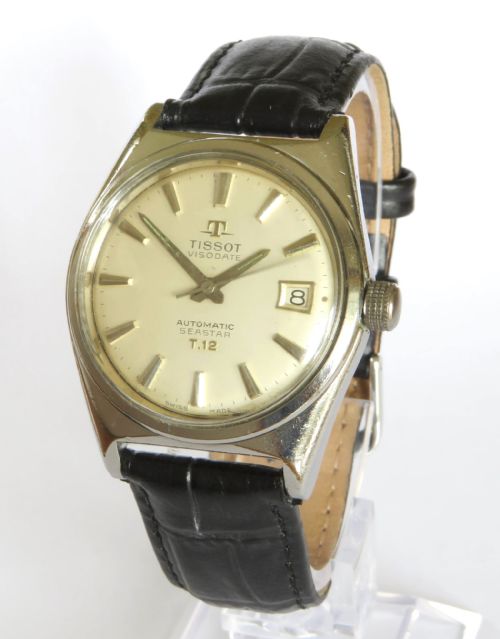
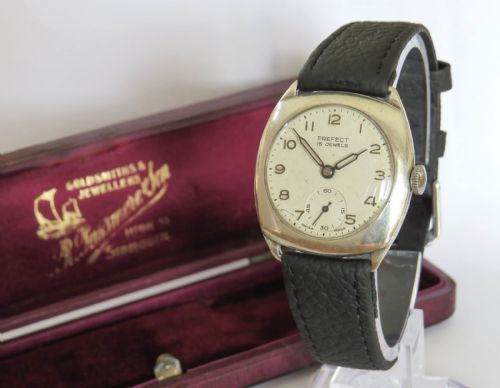
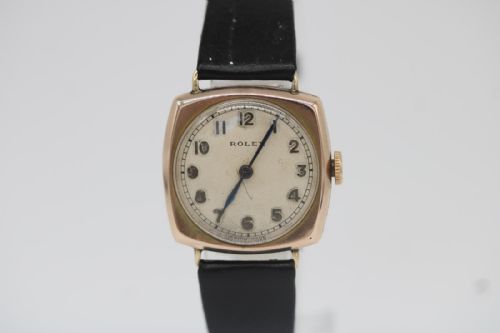
A cushion case watch brings together a square form with softly curved corners, creating a geometry that sits comfortably on the wrist. When exploring a cushion case watch, buyers typically encounter examples spanning the 1900s through to the 1970s.
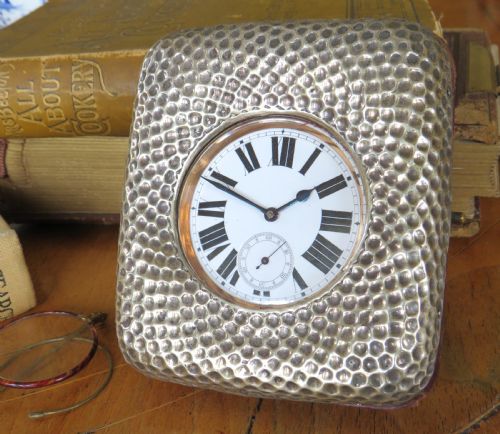
The selections here range from early silver travel clocks and 1930s gold wristwatches to later mid-century automatic models. The form itself bridges the strict boundary between traditional round dials and sharp rectangular dress pieces.
Makers adapted this shape across decades, pairing the distinctive housing with dials ranging from plain silver to complex chronographs. Each era brought subtle shifts in proportion, moving from pocket-watch-derived proportions to bolder mid-century dimensions.
Materials and construction
Cases appear in solid 18ct gold, 9ct rose gold, 9ct yellow gold, silver, and stainless steel, paired with glass or acrylic crystals. Precious metal cases often carry period hallmarks recording their assay office and year of production.
Movements span manual wind mechanisms and early automatics, housed within metal shells designed to protect delicate gears from dust and moisture. Leather straps complete the assembly, fastened by traditional metal pins and buckles.
Cushion Case Watch Retail Price Guide 2026
Typical asking prices for cushion case watch among the pieces listed under this phrase on Sellingantiques today, from the lower quarter to the upper quarter. They describe what is for sale here now, not the wider market.
The listings span from 1900 to the 1970s, utilising materials including stainless steel, silver, gold plate, 9ct rose gold, and 18ct gold.
Assessing the pieces
The distinction between tiers rests upon the integrity of the case geometry and the preservation of the dial. Crisp corners on a cushion case show that a piece has avoided aggressive polishing over the decades.
Original dial condition, correct signed movements, and clear hallmarks further separate standard examples from notable collector pieces. Consistency between the period of the movement and the casing marks the difference in execution.
Omega·Rolex·Vertex·Tudor·Hamilton·Breitling·Waltham·Zodiac·Elgin·Tissot
The Cushion Case Watch Glossary
- Chronograph
- A watch with a stopwatch function alongside its standard timekeeping display. It includes independent sweep hands controlled by pushers on the side of the case.
- Manual wind
- A mechanical movement requiring the wearer to turn the crown by hand to tension the mainspring. This traditional system lacks a rotor for automatic self-winding.
- Hallmark
- An official stamp impressed into precious metals to indicate purity and origin. These tiny marks verify the metal standard for gold and silver cases.
- Acrylic
- A lightweight, shatter-resistant plastic used for watch crystals before sapphire and hardened mineral glass became standard. It can be polished to remove surface scuffs.
- Automatic
- A self-winding mechanical movement driven by the natural motion of the wearer's arm. An internal weighted rotor turns to tension the mainspring continuously.
Cushion Case Watch: Frequently Asked Questions
When were cushion case watches made?
Examples span from the early twentieth century through the 1970s, with significant production during the interwar period and the mid-century era. Early pieces often evolved from converted pocket watches or early wrist designs.
Later decades saw the shape reinterpreted through modern styling, incorporating automatic movements and bolder dials.
Are these watches waterproof?
Most vintage cushion case watches offer limited resistance to moisture and dust compared to modern standards. Early gaskets and case construction were not designed for swimming or submersion.
Owners generally avoid exposing older pieces to water to protect the delicate movement components and paper dials inside.
How do I wind a manual watch?
To wind a manual piece, rotate the crown clockwise between your thumb and forefinger until gentle resistance indicates the mainspring is fully tensioned. This action should be performed daily at a consistent time.
Care must be taken not to force the crown past the point of resistance to avoid damaging the internal spring.