



Solid Gold Timepiece
A solid gold timepiece brings precious metal and precise horology together, offering lasting substance and enduring mechanical reliability for daily wear or collection.
Solid Gold Timepiece
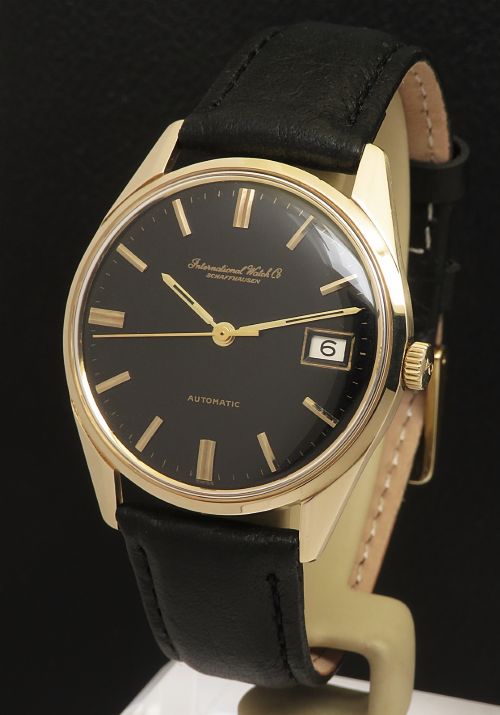
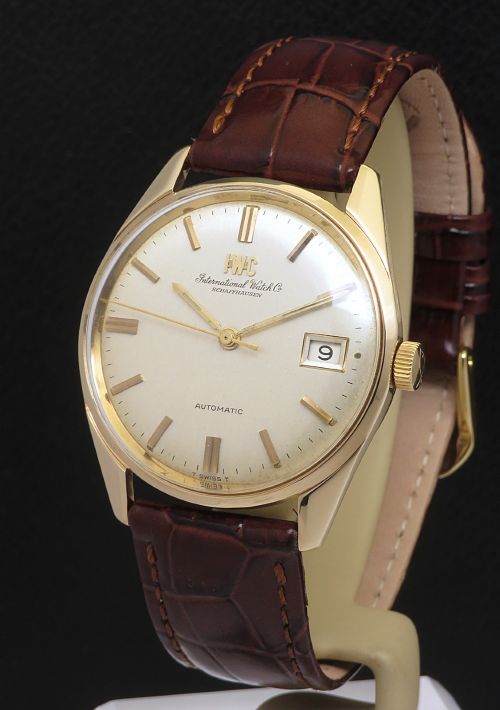
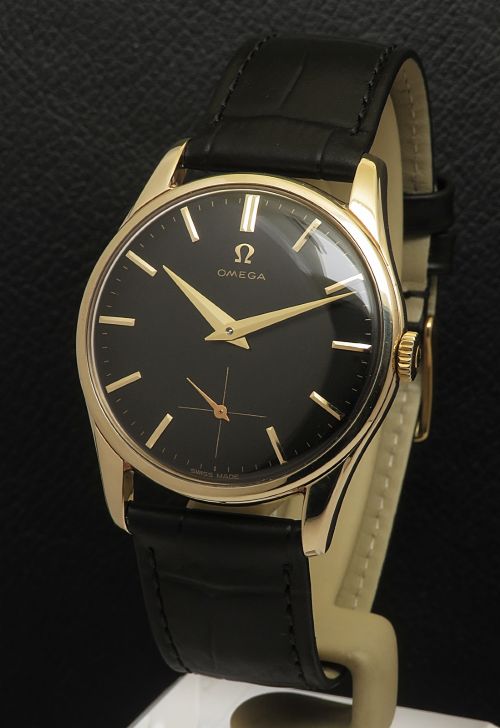
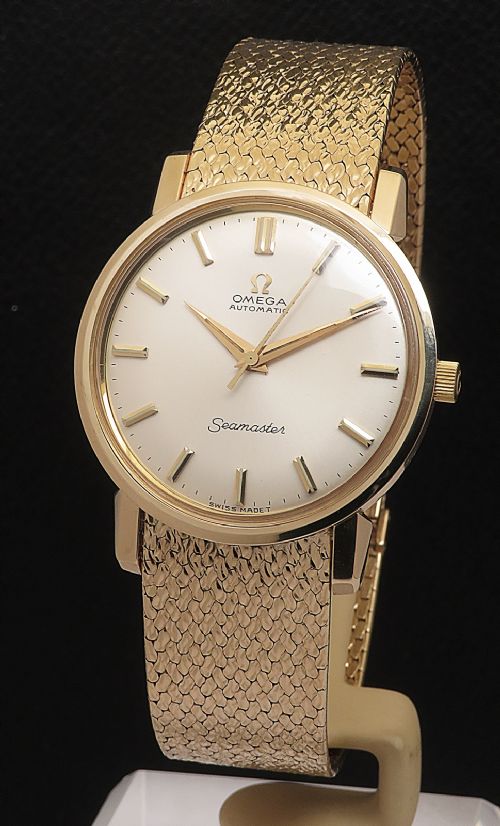
When searching for a solid gold timepiece, buyers encounter a diverse selection ranging from robust mid-century wristwatches to pocket watches and mantel clocks. These items combine precious metal cases with mechanical movements designed to keep accurate time.
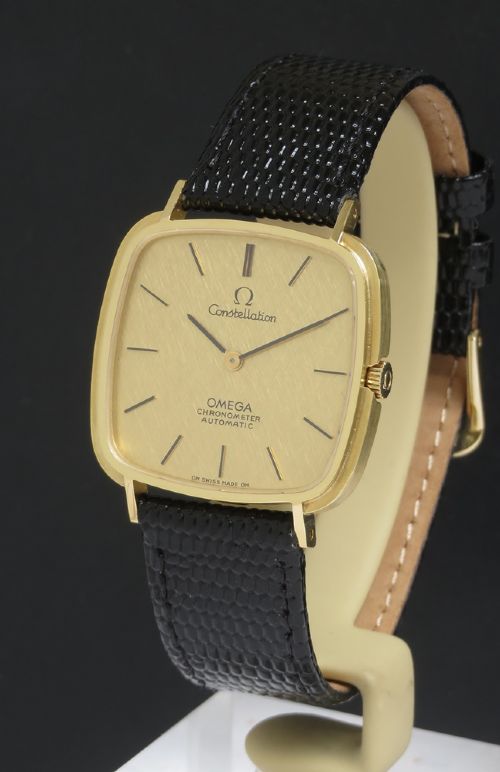
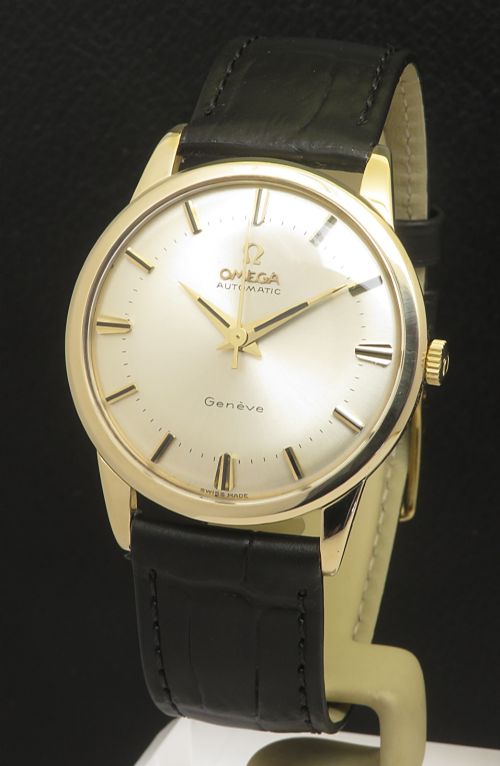
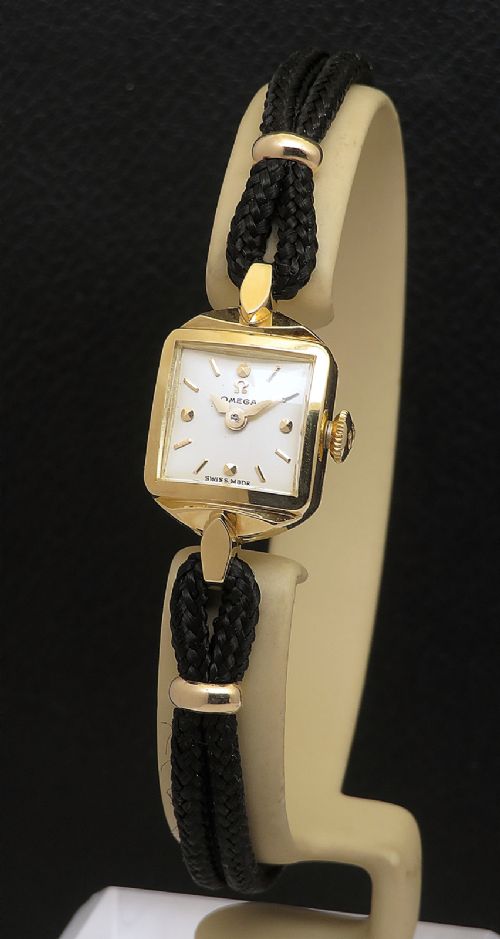
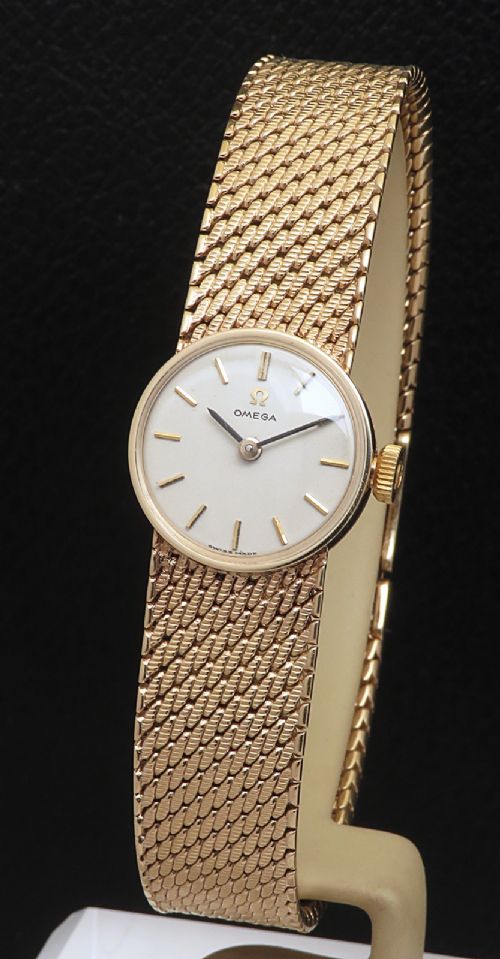
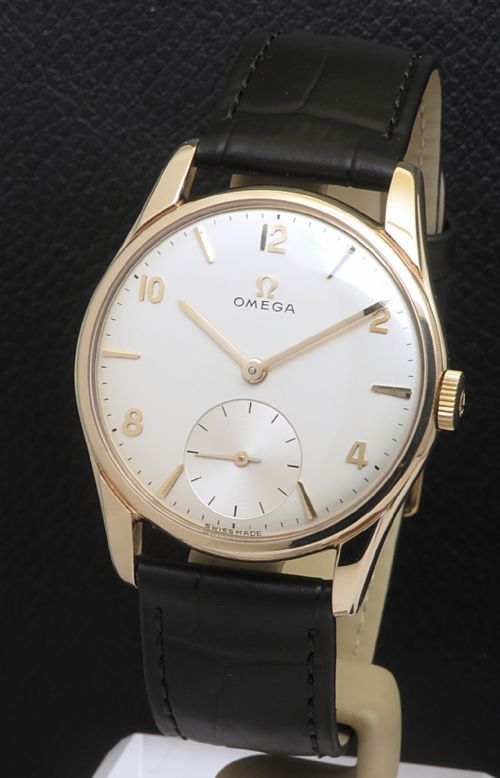
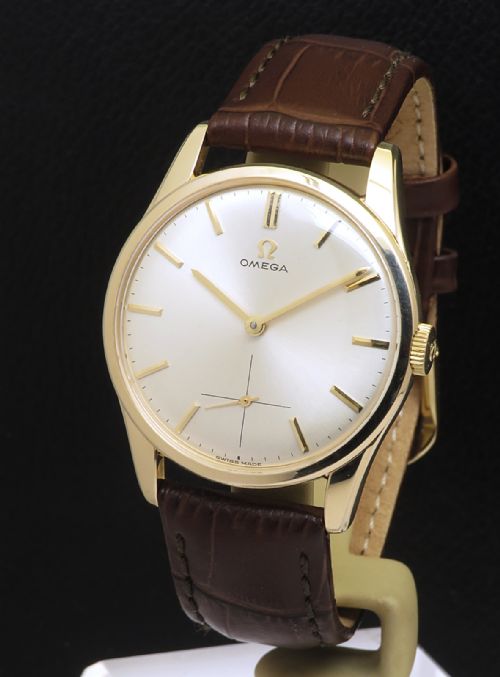
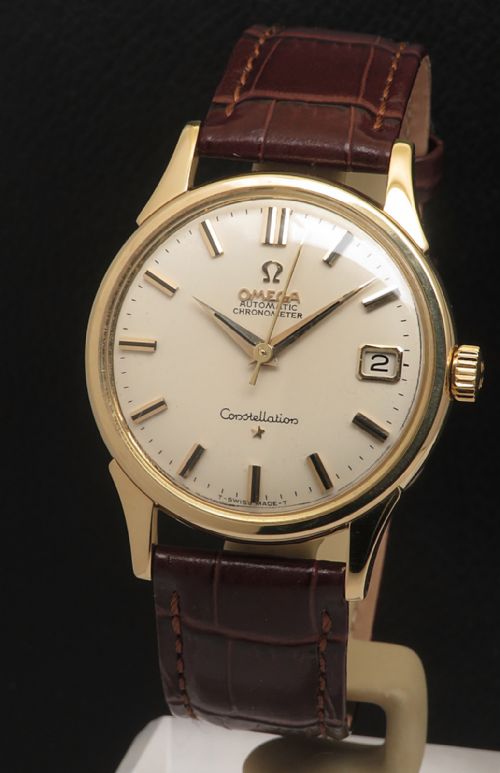
The pieces on this page lean heavily towards twentieth-century wristwatches, particularly from the nineteen-fifties and nineteen-sixties. Makers such as Omega dominate the offerings, alongside examples from IWC, Cyma, Accurist, and Vertex.
Beyond standard wristwatches, the selection includes pocket watches from the nineteenth century and Edwardian period, plus occasional mantel clocks. Materials extend beyond metal to incorporate glass, acrylic, enamel, and leather straps.
How they were made
Cases are forged from nine-carat or eighteen-carat gold, including yellow gold and white gold variants, providing a dense housing for the internal movements. Dial construction frequently involves metal finishing, occasionally paired with mother-of-pearl or enamel details.
Dials are protected by glass or acrylic glass covers, safeguarding the hands and markings from environmental damage. Leather straps complement many of the wristwatches, while pocket watches rely on hinged or open-faced metal cases.
Listings feature nine-carat and eighteen-carat gold cases housing mechanical movements from the nineteenth century to the late nineteen-sixties.
What varies in quality
The calibre and complexity of the internal movement dictate much of the horological standing, with automatic chronometers representing high mechanical achievement. Originality of dials, hands, and case components heavily influences the integrity of the piece.
Omega·IWC·Cyma·Accurist·Vertex·Eastern Watch Case Co
The Solid Gold Timepiece Glossary
- Chronometer
- A high-precision watch capable of carrying a certificate from an official testing body. These movements maintain accuracy across various temperatures and positions.
- Calibre
- The specific internal mechanical movement manufactured by a watchmaker. Different calibres denote distinct structural designs and periods of production.
- Automatic
- A self-winding mechanical movement that uses the natural motion of the wearer's wrist to power the mainspring. This removes the need for manual daily winding.
- Half Hunter
- A pocket watch featuring a case with a glass or open centre in the front cover. This allows the user to read the time without opening the entire case.
- Cocktail Watch
- A small ladies dress watch designed for formal evening wear. These pieces frequently incorporate precious stones like diamonds alongside high-carat gold.
Solid Gold Timepiece: Frequently Asked Questions
What is a solid gold timepiece?
A solid gold timepiece is a clock or watch with a case made entirely from gold rather than gold plating or gold-filled base metals.
These items rely on mechanical or automatic movements housed within precious metal enclosures to measure and display hours and minutes.
How do I wear a vintage wristwatch?
Vintage wristwatches pair well with formal or smart casual attire, often secured with leather straps that complement the gold case metal.
Care should be taken around water and impact, as older mechanical movements lack modern shock-resistant engineering.
How do I wind a mechanical watch?
Winding a mechanical watch involves turning the crown clockwise until firm resistance is felt, which tensions the internal mainspring.
This process should be performed gently at around the same time each day to maintain consistent tension and timekeeping accuracy.
How do pocket watches differ from wristwatches?
Pocket watches are designed to be carried in a pocket and secured with a chain, featuring either open faces or protective metal hunter covers.
Wristwatches evolved for direct attachment to the arm via straps, offering more immediate access to the time during daily movement.
What periods do these watches come from?
The available selection spans from the nineteenth century and Edwardian era through to the mid-twentieth century.
Nineteen-fifties and nineteen-sixties pieces form a particularly substantial portion of the wristwatches currently featured.