
Antique Omega Timepiece
An antique omega timepiece represents decades of Swiss precision, offering buyers durable mechanical pocket watches and early wristwatches spanning from the Edwardian era to the mid-century.
Antique Omega Timepiece
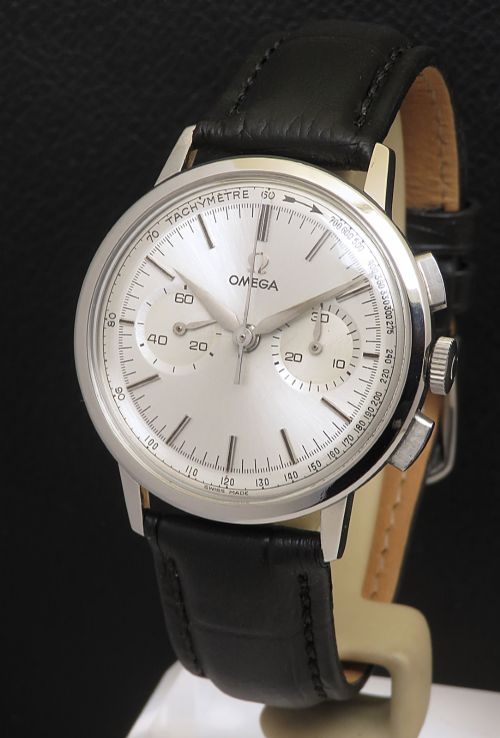
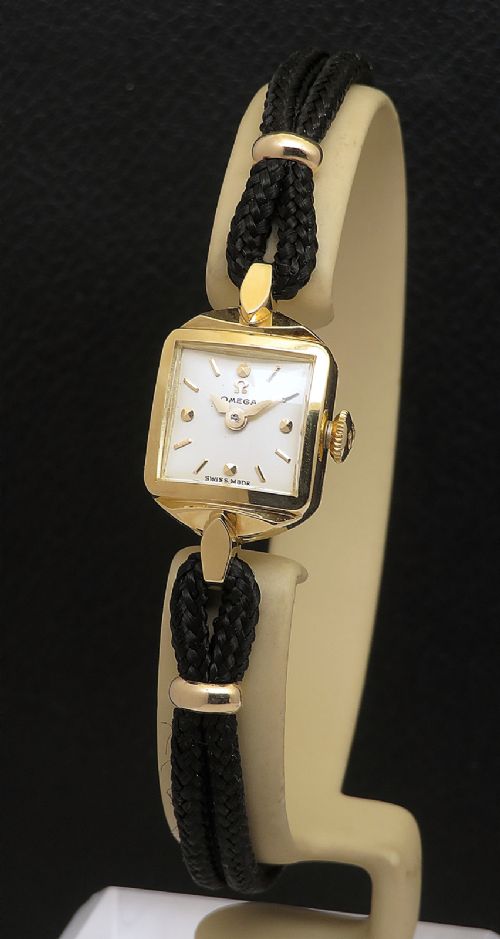
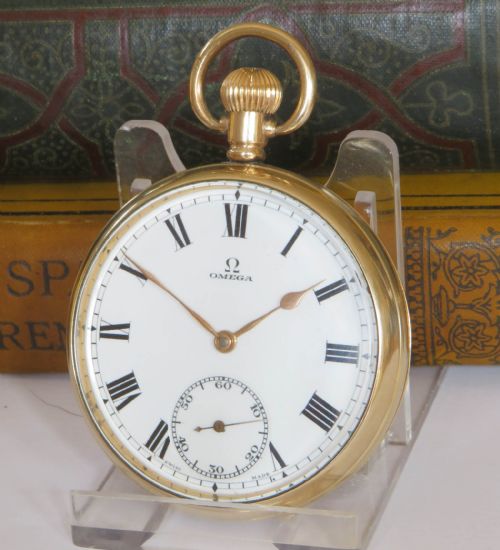
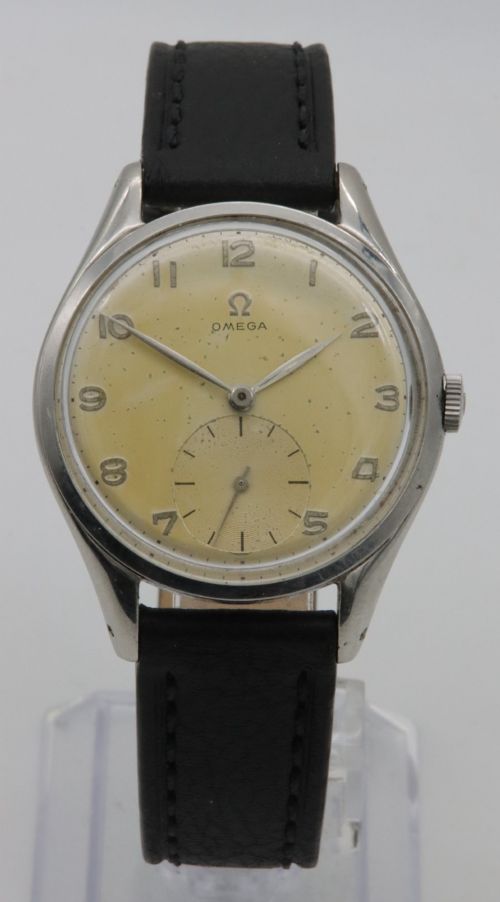
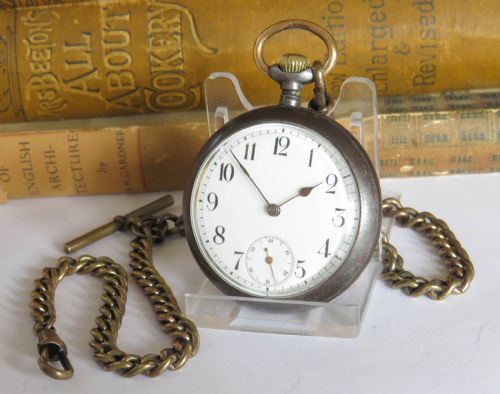
When searching for an antique omega timepiece, collectors encounter a diverse selection of pocket watches, fob watches, and wristwatches originating from the 1900s through the 1960s. Pocket watches dominate the earliest decades, appearing in robust goliath formats, gun metal casings, and silver designs alongside matched chains.
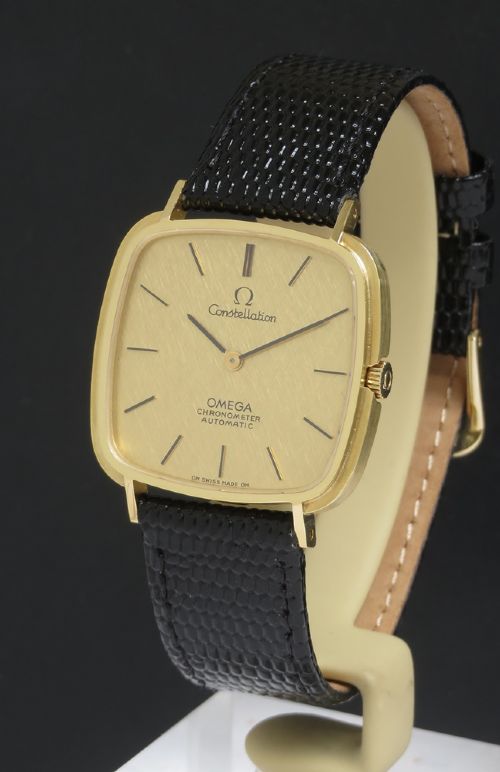
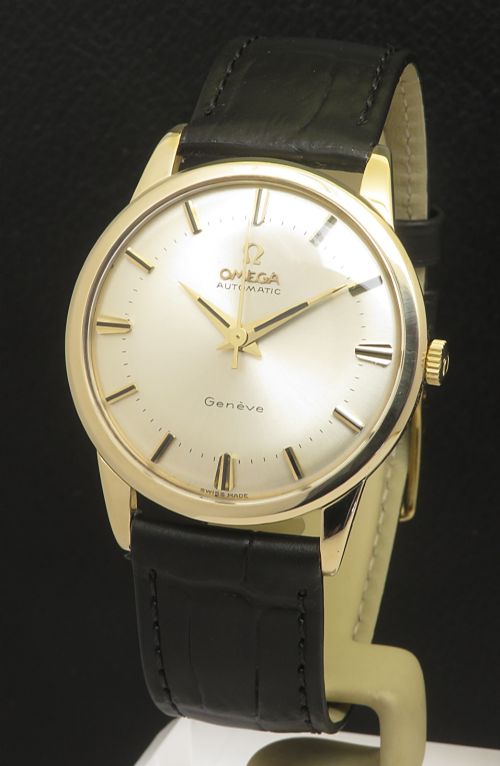
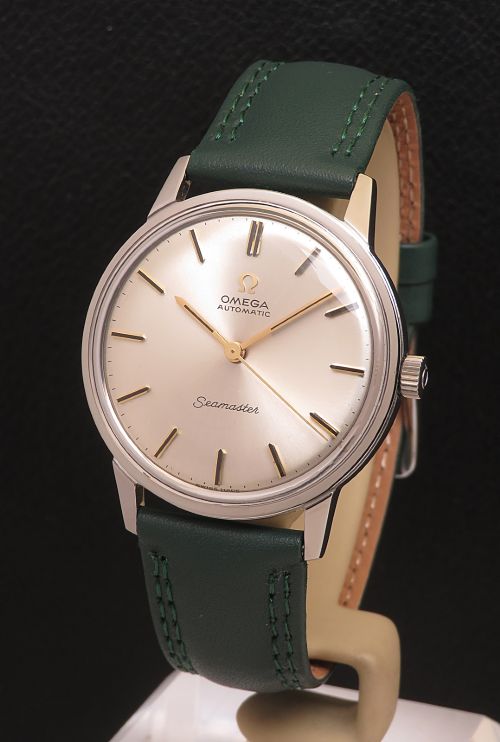
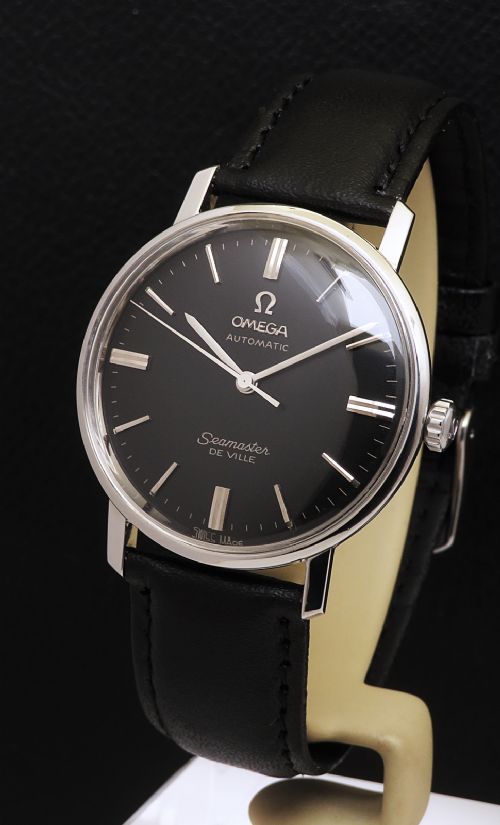
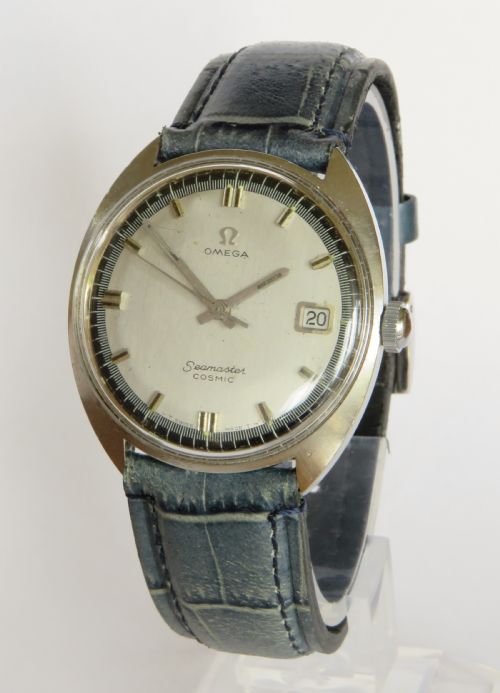
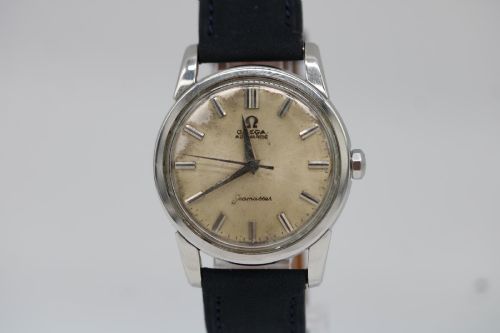
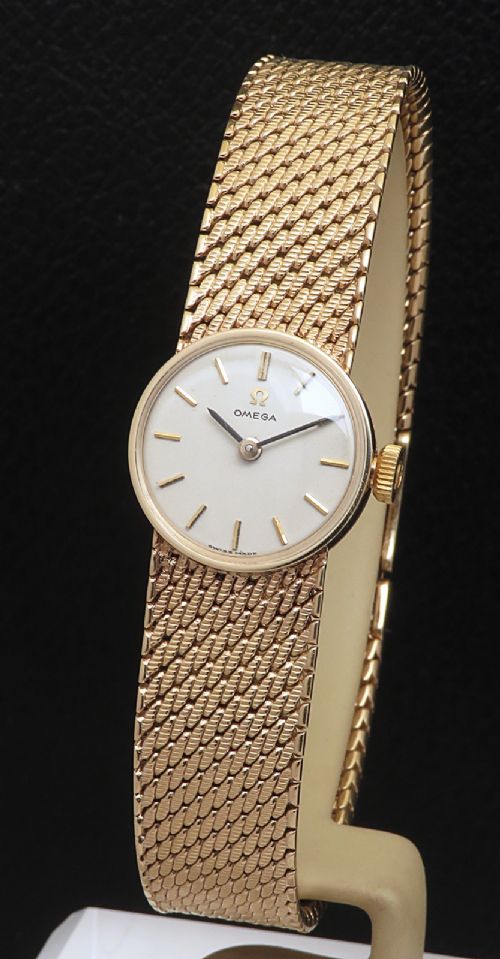
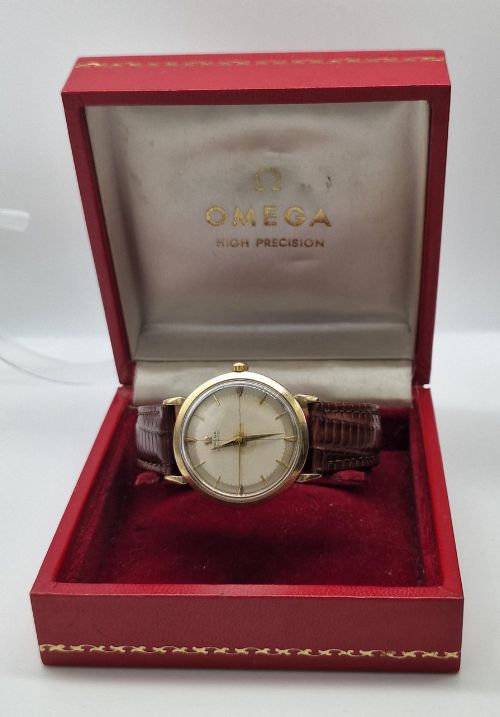
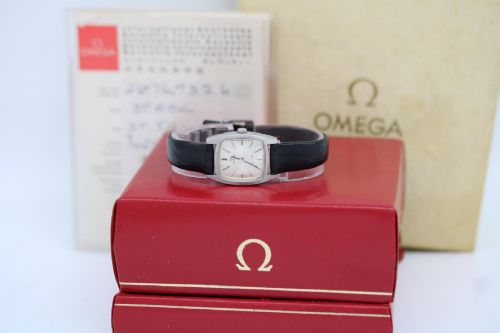
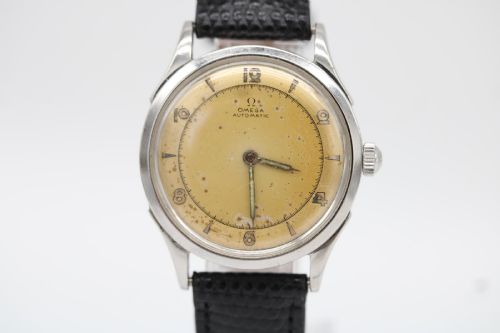
Wristwatches emerge strongly across the 1930s and 1940s, featuring military styles, jumbo stainless steel cases, and black dials. Later examples transition into mid-century automatic movements, including Seamaster models and solid 9ct gold dress pieces with champagne or explorer dials.
The selection bridges utilitarian timekeeping and refined horology, reflecting changing wear habits from pocket carriage to wrist placement across seven decades of production.
How they were made
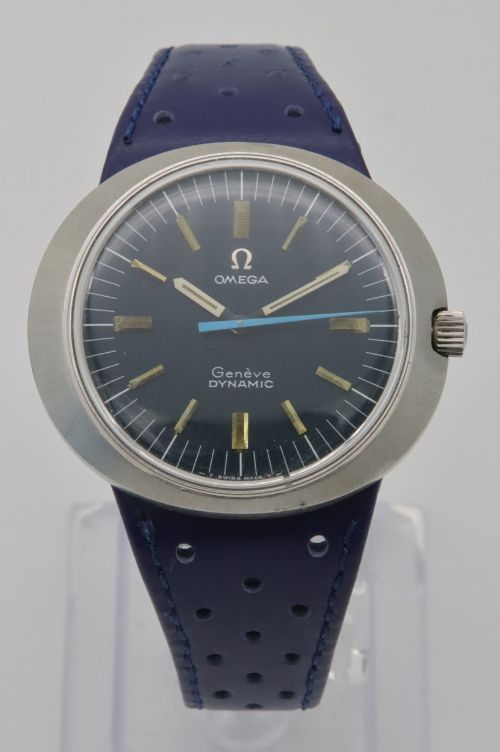
Cases utilise diverse metals including stainless steel, gun metal, silver, gold plate, and solid 9ct gold, paired with protective glass or acrylic crystals. Dials incorporate detailed enamel work, patinated finishes, and distinct metallic markers.
Internal mechanics rely on specialised movements such as the automatic bumper calibre 351, calibre 562, and calibre 268 hand-wound mechanisms. Construction methods combine traditional pocket watch housing with increasingly compact wristwatch engineering.
Some early twentieth-century goliath watches were built so large they required their own dedicated leather travelling cases just to leave the bedside.
What varies in quality
Distinctions in quality rest upon the originality of components, such as whether dials retain their mint status or exhibit heavy patina. Solid gold and heavy stainless steel cases generally command higher regard than gold-plated alternatives.
Movement sophistication further separates standard production from refined horology, particularly evident in the presence of specific signed calibres like the bumper automatic or specialised Seamaster movements.
Omega
The Antique Omega Timepiece Glossary
- Calibre
- The specific internal movement designation used by the manufacturer to identify the mechanical design of the watch. Different calibres denote varying complications, sizes, and winding mechanisms.
- Bumper automatic
- An early self-winding mechanical movement where the rotor swings through a limited arc and bounces against springs rather than rotating fully. This mechanism is characteristic of mid-century automatic models.
- Goliath pocket watch
- An oversized pocket watch, typically measuring significantly larger than standard specimens, often housed in a desk stand or heavy travelling case. They frequently feature eight-day movements.
- Fob watch
- A smaller pocket watch designed to be worn attached to a short strap, ribbon, or chain known as a fob. These were historically pinned directly to a waistcoat or garment.
- Patinated dial
- A watch face that has developed a natural aged discoloration or textured weathering over decades of exposure. Collectors often prize original patination for its authenticity.
Antique Omega Timepiece: Frequently Asked Questions
How do I date an antique omega timepiece?
Dating relies primarily on the style of the case, dial typography, and any internal movement serial numbers recorded by the manufacturer.
Pocket watches from the early decades often display distinct Edwardian or Art Deco design cues, while later wristwatches adopt specific mid-century military or utilitarian aesthetics.
Were these watches used in the military?
Certain mid-century specimens carry explicit military style designations tailored for service use during the 1940s.
These pieces prioritise legibility with high-contrast dials and sturdy stainless steel housing designed for robust field conditions.
What is the difference between a bumper automatic and later movements?
Bumper automatics utilise an oscillating weight that swings back and forth against internal springs to wind the mainspring. Later automatic movements replaced this limited arc with a full rotation rotor system for smoother winding.
How should I care for a vintage mechanical watch?
Mechanical timepieces require regular professional servicing to keep internal gears lubricated and accurate. Owners should avoid exposure to moisture and magnetic fields, and manually wind non-automatic models with care.