

Gold Sub Second Watch
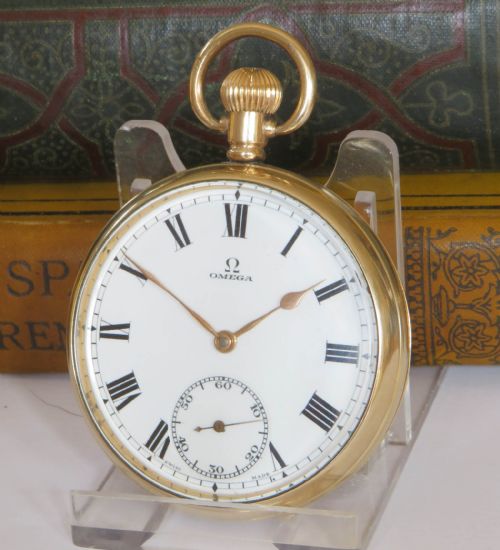
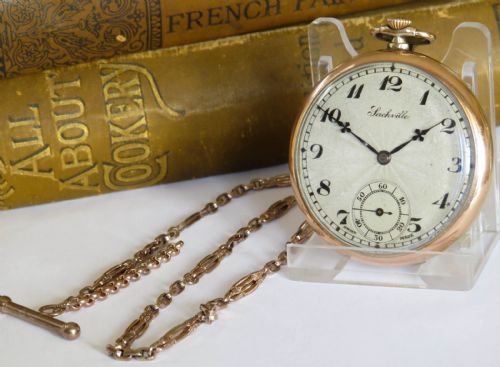
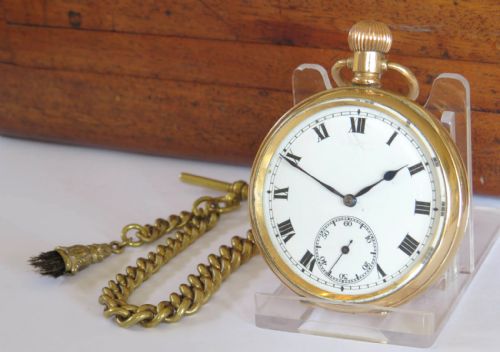
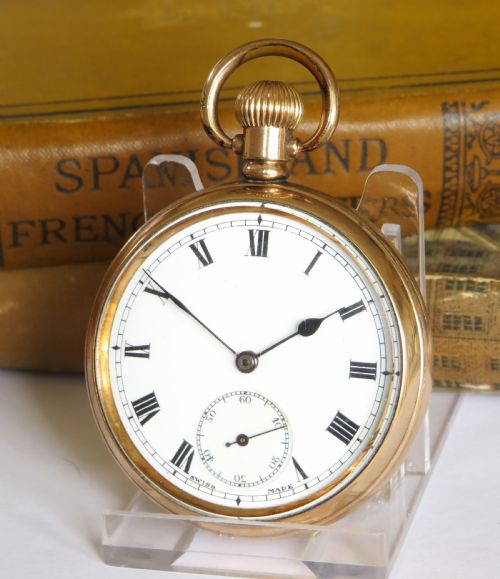
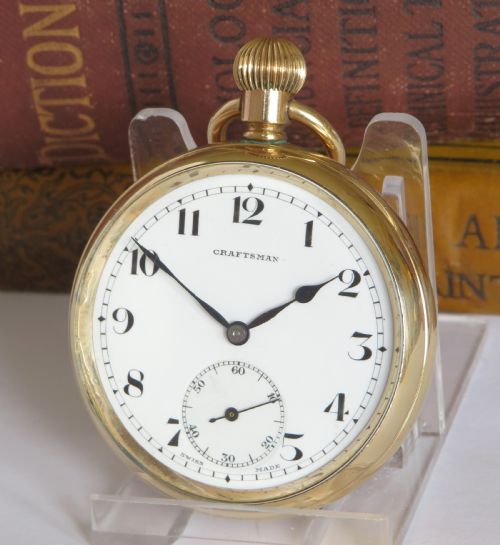
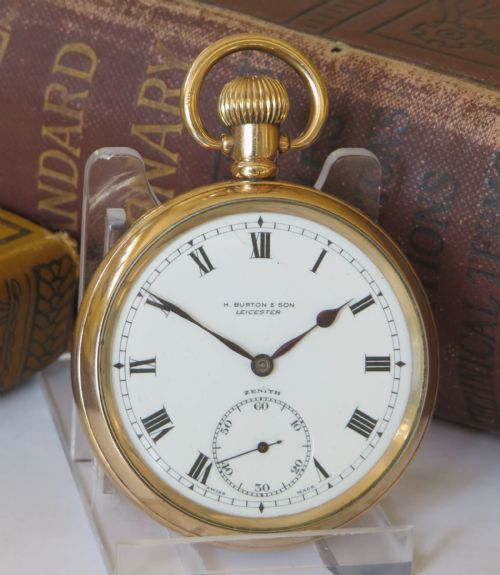
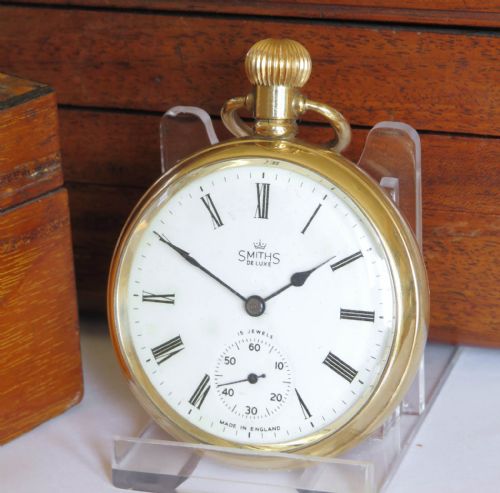
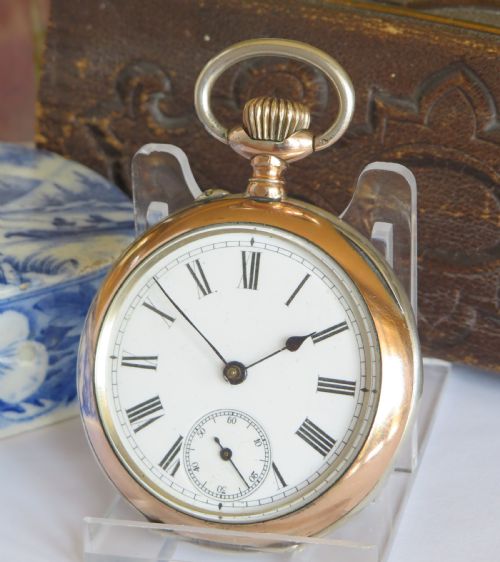
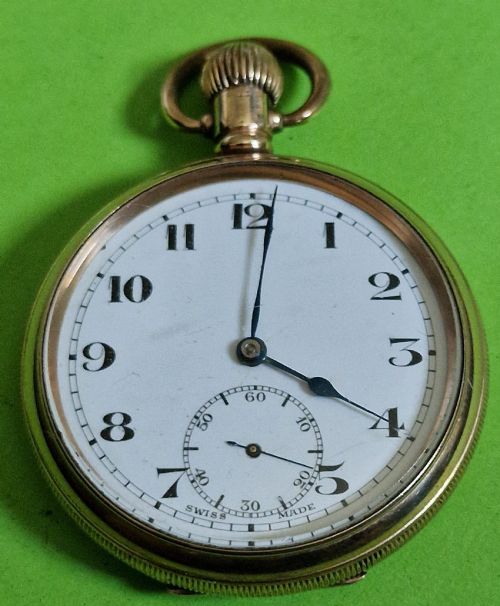
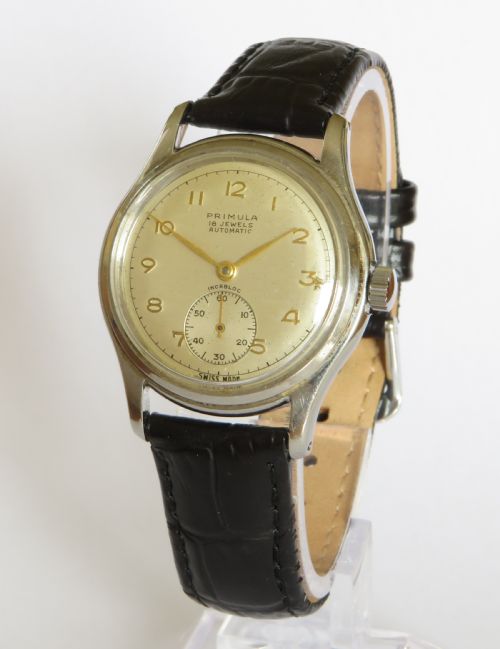
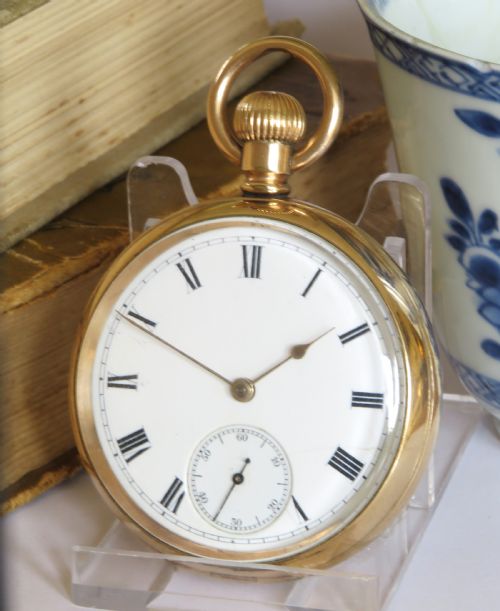
A gold sub second watch combines a clean subsidiary dial with precious metal casing, offering a traditional way to track time.
Gold Sub Second Watch
When you search for a gold sub second watch, you encounter timepieces spanning the Victorian era through the mid-twentieth century, encompassing both pocket watches and wristwatches. The selection includes designs from the 1900s, 1910s, 1920s, 1930s, 1940s, 1950s, and 1960s, reflecting shifts in horological style from early pocket formats to mid-century wrist wear.
Pocket watches and wristwatches dominate the selection, featuring materials such as 9ct gold, gold plate, and metal alongside components like glass, enamel, and leather. Makers and brands represented range from prominent Swiss and British houses to general watch companies, displaying Art Deco, Edwardian, and mid-century design characteristics.
How they were made
Casings utilise solid 9ct gold or gold plate, housing mechanical movements often paired with glass crystals and enamel dials. Leather straps or metal chains accompany these pieces, depending on whether the format is a wristwatch or a pocket watch.
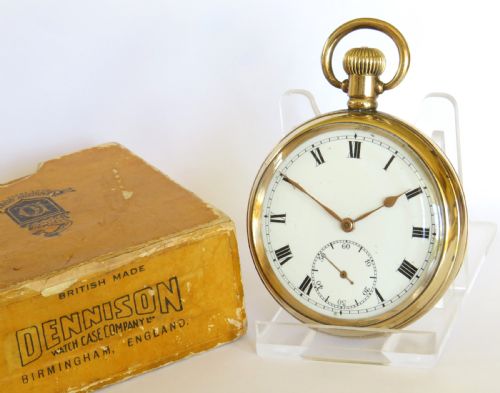
Movements rely on traditional mechanical winding techniques, sometimes stem winding, integrated with subsidiary seconds dials positioned usually at the six o'clock mark. Manufacturing origins span British workshops and Swiss makers, utilising durable metals and precision gearing.
Several pocket watches arrive accompanied by their original fitted boxes, preserving a complete historic package from the past.
What varies in quality
The distinction between standard examples and finer items rests in the weight and purity of the gold casing, such as solid 9ct gold versus gold plate. Dial preservation and original components also divide ordinary pieces from those retaining crisp enamel work and untouched dials.
Movement sophistication and historical provenance further separate the range. Pieces featuring named calibres and established maker signatures demonstrate superior horological pedigree compared to anonymous production.
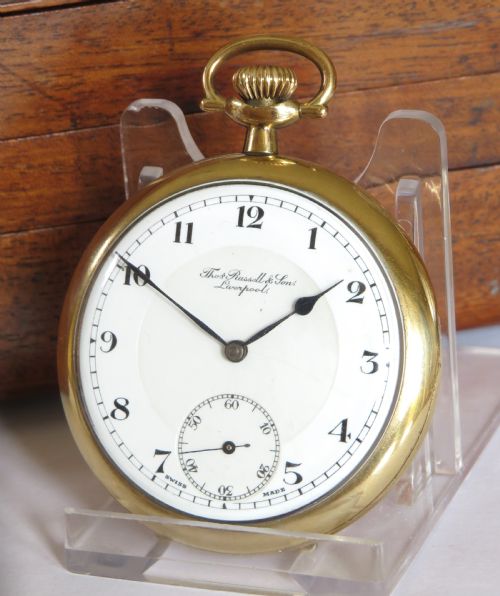
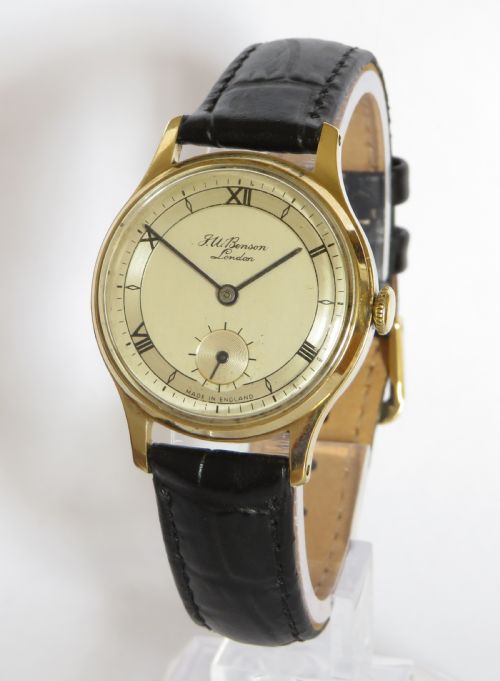
Thomas Russell and Son·J W Benson·Smiths De Luxe·Tiffany and Co
The Gold Sub Second Watch Glossary
- Sub second
- A watch face featuring a separate, smaller dial dedicated to tracking seconds, usually positioned at the bottom of the main dial. This layout defines the classic appearance of many vintage mechanical movements.
- Full hunter
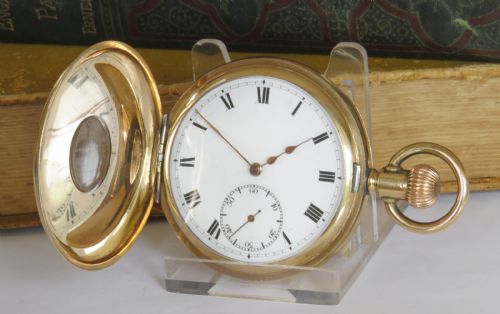
- A pocket watch fitted with a spring-loaded metal cover that protects the glass dial. The lid opens via a push-piece on the crown.
- Half hunter
- A pocket watch case featuring a protective outer lid with a glass-centred aperture. This allows the wearer to read the primary hands without opening the cover.
- Stem winding
- A mechanical winding system operated via the crown at the top of the watch rather than a separate key. It became the standard method for both pocket watches and wristwatches in the twentieth century.
- Calibre
- The specific manufacturer's designation for a particular watch movement design. Collectors use this term to identify internal mechanical variations within a brand's output.
Gold Sub Second Watch: Frequently Asked Questions
What is a sub second watch?
A sub second watch displays the seconds on a separate small dial, typically positioned at the bottom of the main watch face.
This distinct layout separates them from central sweep-second watches and remains a defining feature of vintage mechanical timekeeping.
How do I wind these watches?
Most pieces utilise a stem-winding mechanical movement where you turn the crown clockwise until resistance is felt.
Care should be taken not to over-wind vintage mechanisms, maintaining their internal springs for daily wear.
Are these watches suitable for daily wear?
While many examples remain robust, vintage mechanical pieces require gentle handling and protection from moisture.
Frequent wear benefits from regular servicing by a qualified horologist to keep the internal gears functioning accurately.
How do I tell the period of a watch?
Dating relies on maker marks, serial numbers, style traits such as Art Deco lettering, and Birmingham or other assay office hallmarks on gold cases.
Comparing movement calibres and case designs against historical manufacturer records provides a reliable production date.