





Decorative Wall Clock
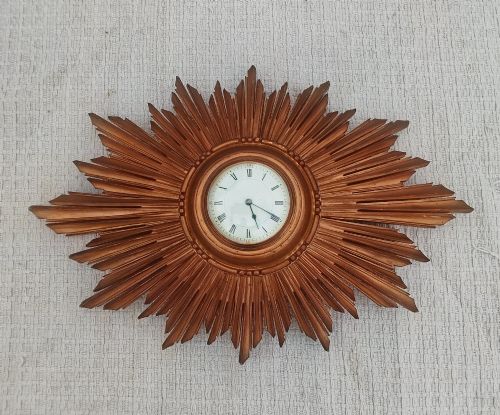
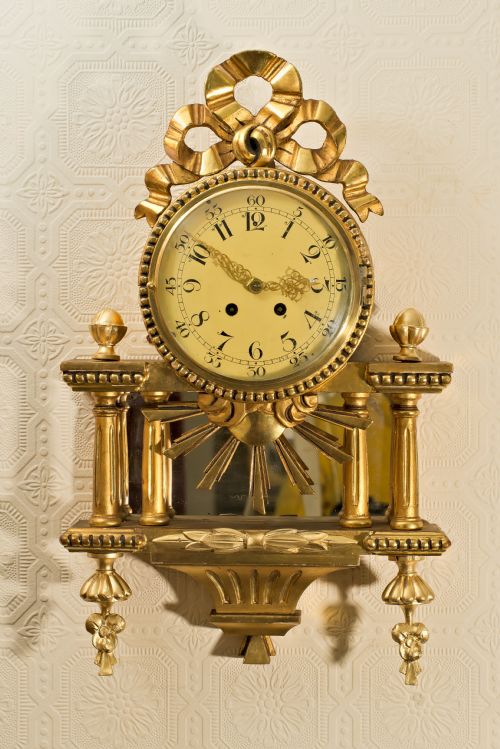
These decorative wall clock examples span Victorian wood designs to French giltwood and metal cartel pieces, offering functional timekeeping with sculptural presence.
Decorative Wall Clock
A decorative wall clock combines timekeeping utility with significant interior ornamentation, frequently encountered in periods from the nineteenth century through the mid twentieth century. Buyers seeking a decorative wall clock will find pieces ranging from small mahogany dials to ornate French cartel formats and star burst designs.
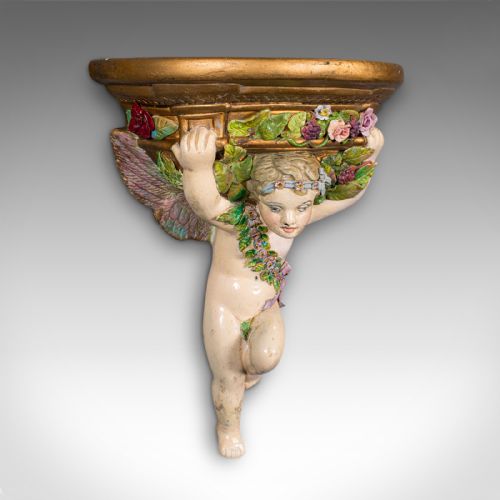
The selection encompasses diverse regional styles including French Neo-Classical, Rococo Revival, Louis XVI, and Gustavian Neoclassical aesthetics. Alongside standard wall clocks, related items appear such as wall brackets, clock mount sconces, and painted clock face displays.
How they were made
Materials span traditional hardwoods like mahogany and walnut alongside decorative finishes such as giltwood, ormolu, bronze, gilt metal, and ebonised timber. Glass components, enamel dials, paint, and plaster mounts further define the construction of these items.
Casting, carving, and gilding techniques shape the ornate frames and wall brackets, while specialised housing contains mechanical movements like automata and standard clock mechanisms.
Decorative Wall Clock Retail Price Guide 2026
Typical asking prices for decorative wall clock among the pieces listed under this phrase on Sellingantiques today, from the lower quarter to the upper quarter. They describe what is for sale here now, not the wider market.
Some timepieces hide mechanical surprises within their cases, featuring nineteenth-century automata that brought moving theatrical flair to quiet domestic rooms.
What varies in quality
The refinement of surface decoration distinguishes these objects, particularly in hand-carved giltwood details, chased ormolu mounts, and the depth of ebonised finishes. Superior pieces exhibit crisp execution in stylistic elements such as Louis XVI or Rococo Revival ornamentation.
Structural integrity of associated elements like wall brackets, picture frames, and clock mounts also plays a role in overall execution. The harmony between the dial, housing, and any supporting bracket determines the coherence of the piece.
Wetterstrands·Perivale of England·Henri Dasson
The Decorative Wall Clock Glossary
- Cartel clock
- A wall clock housed in an ornate frame, typically made of giltwood, bronze, or gilt metal, originating primarily from France. These decorative timepieces were designed to hang flush against a wall.
- Ormolu
- Finely ground high-carat gold applied to a bronze base using a mercury amalgamation process, common in French decorative objects. This technique yields a rich, durable metallic lustre.
- Giltwood
- Wood that has been coated with gold leaf or thin gold powder over a prepared gesso surface. It provides the brilliant reflective finish seen on star burst and cartel frames.
- Ebonised
- Timber treated with a chemical stain or finish to imitate the dense, dark appearance of ebony. This dark ground contrasts sharply with metallic or gilded mounts.
- Dropdial wall clock
- A clock featuring an extended case below the dial to accommodate the pendulum swing. This regional form often utilises walnut or mahogany.
Decorative Wall Clock: Frequently Asked Questions
How do I hang a heavy cartel clock safely?
Cartel clocks and giltwood wall pieces require secure wall anchors suited to the specific weight of the bronze, metal, or timber housing. Professional installation into structural wall studs ensures stability for protruding or ornate frames.
Verify that the hanging bracket matches the mounting point on the back of the clock. Ensuring a plumb vertical hang also keeps the pendulum and mechanical movement operating correctly.
What is the difference between a cartel clock and a bracket clock?
A cartel clock is designed to hang directly on a wall within its own decorative frame, frequently constructed from giltwood, bronze, or gilt metal. Its entire visual composition is intended for vertical suspension.
By contrast, a bracket clock sits upon a separate wall bracket or shelf mount, often accompanied by matching wooden or ebonised architecture. The shelf supports the weight of the mantel-style clock base.
How should I clean giltwood and ormolu frames?
Dust giltwood and ormolu surfaces gently with a soft, dry artist brush or microfiber cloth to prevent abrasion to the delicate gold leaf or metal finish. Avoid commercial liquid cleaners or moisture, which can degrade the gesso or gilding over time.
For stubborn dust in recessed carved details, use compressed air at a very low pressure. Preservation of the original surface patina depends on minimal chemical intervention.
Can antique wall clocks be repaired if the movement fails?
Mechanical clock movements, including those found in nineteenth-century examples and automaton pieces, can generally be serviced by a specialist horologist. Skilled restoration maintains the historical integrity of the internal gears and escapement.
Replacement of non-original parts should be avoided where possible to preserve authenticity. Regular professional oiling and adjustment will keep the movement functioning reliably.