
Antique English Pendulum Clock
An antique English pendulum clock measures time through the swing of its weight-driven or spring-driven pendulum, bringing traditional cabinet-making and horology into a room.
Antique English Pendulum Clock
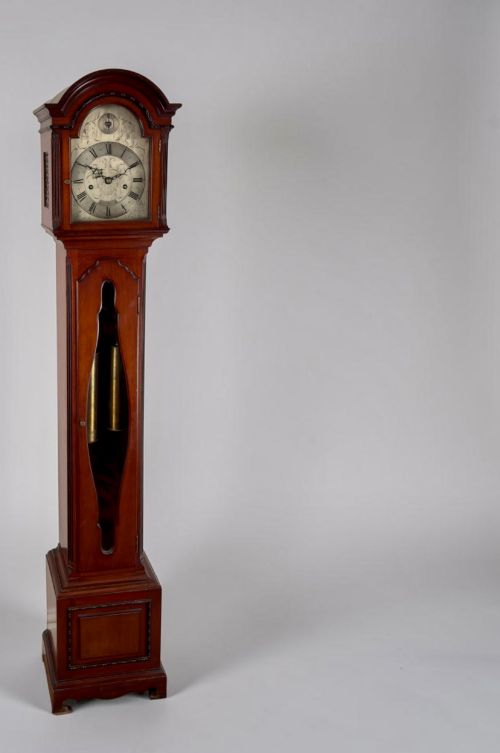
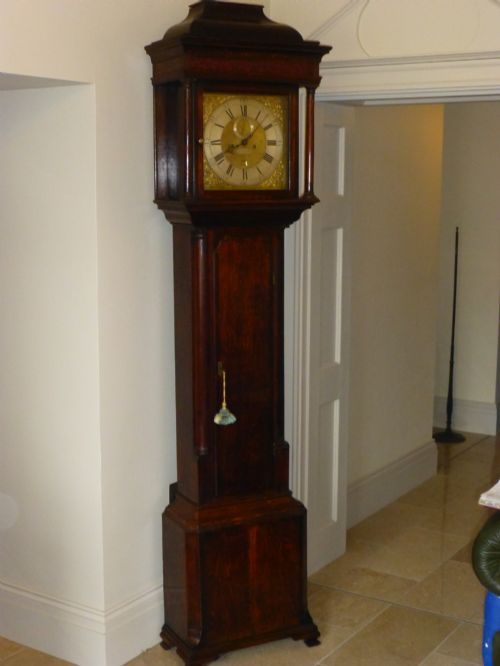
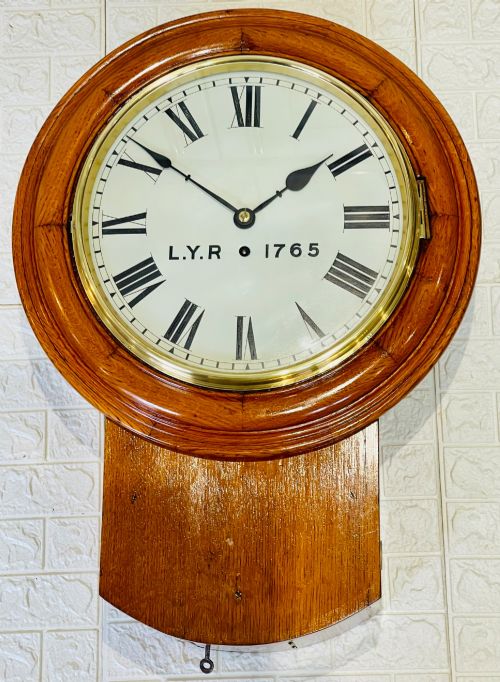
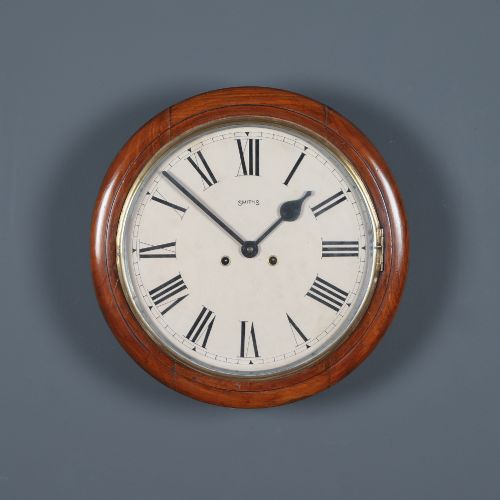
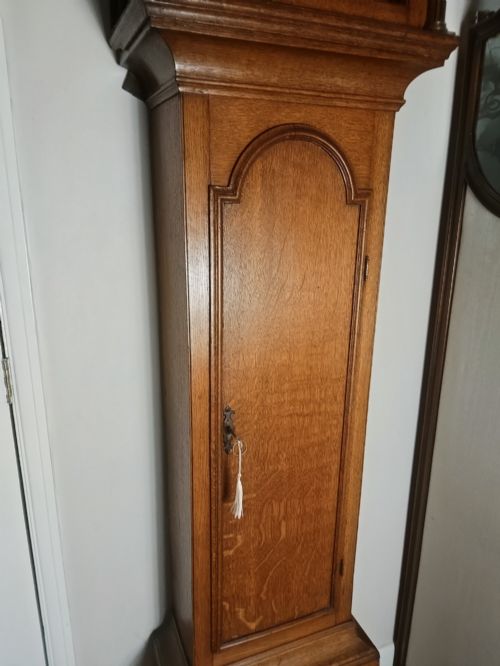
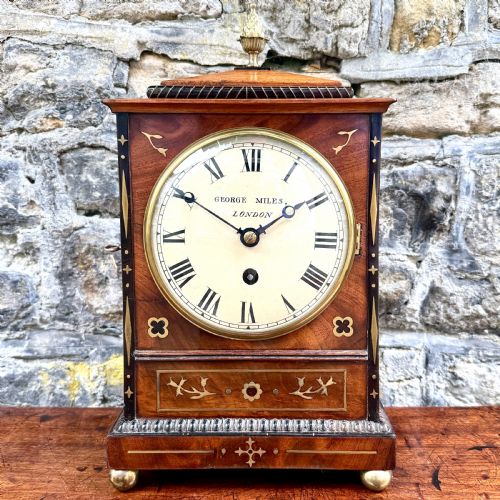
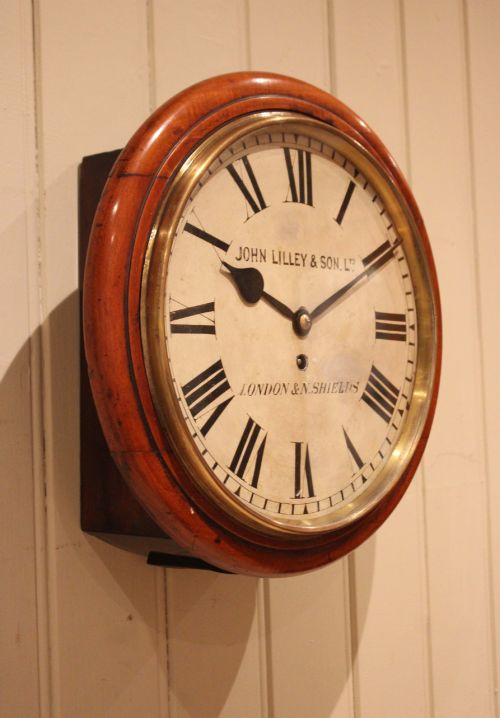
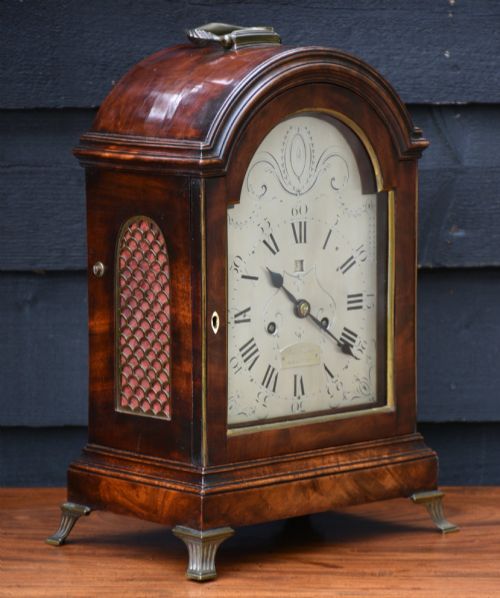
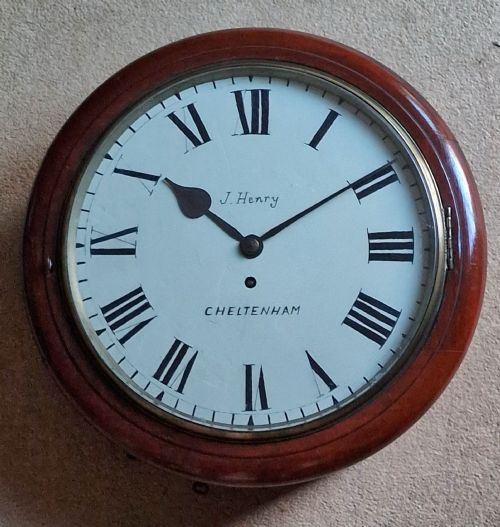
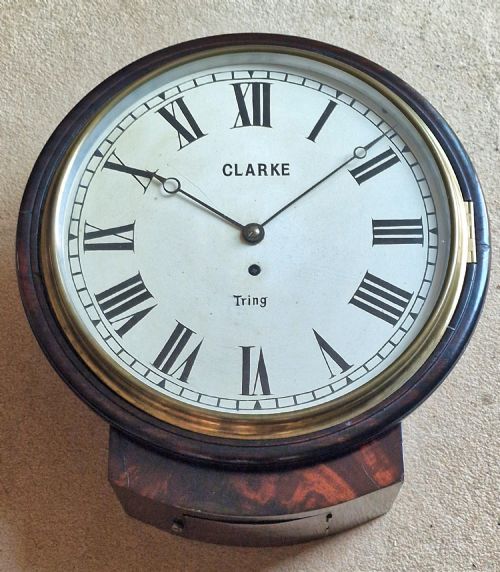
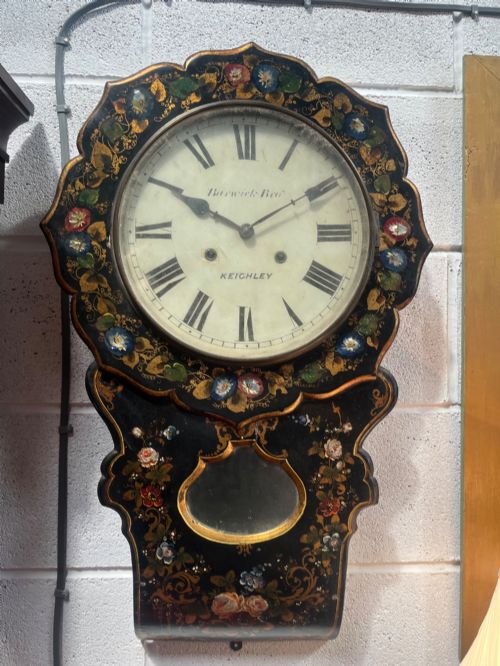
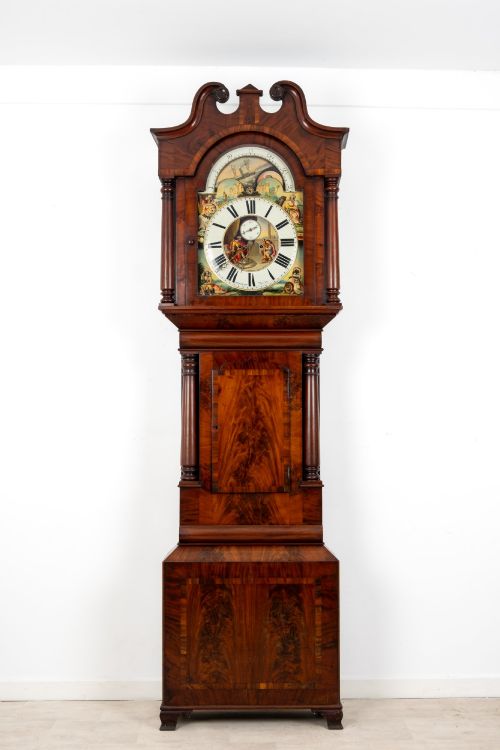
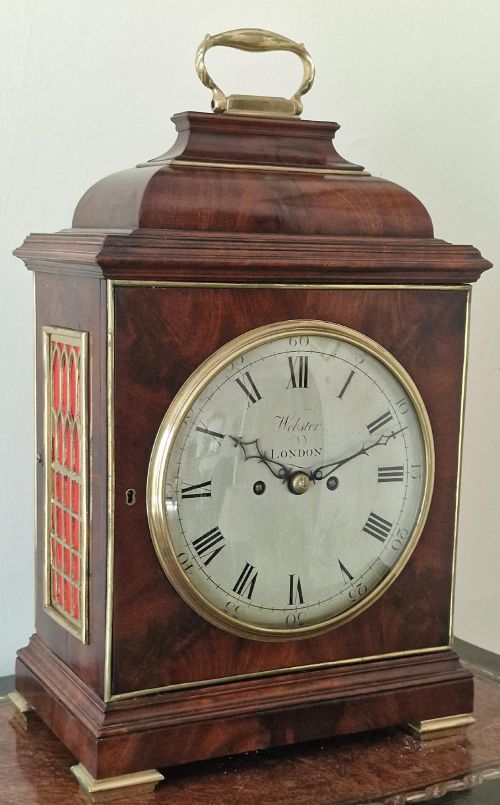
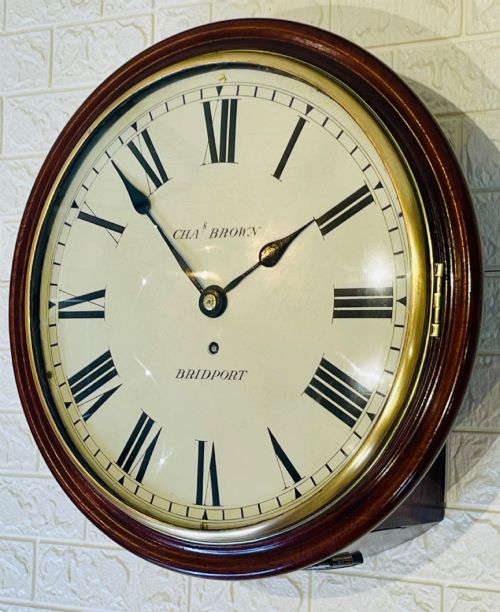
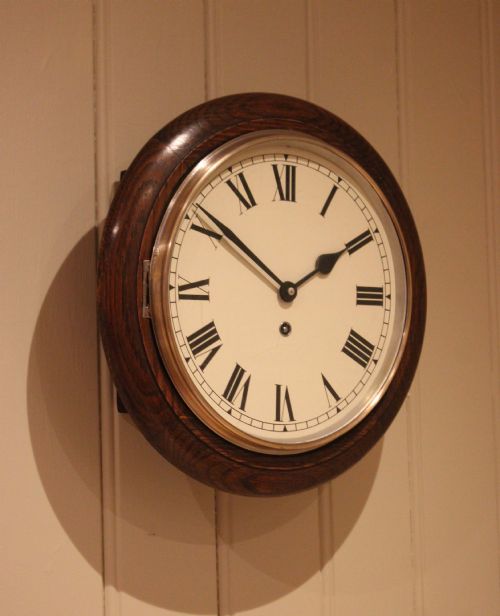
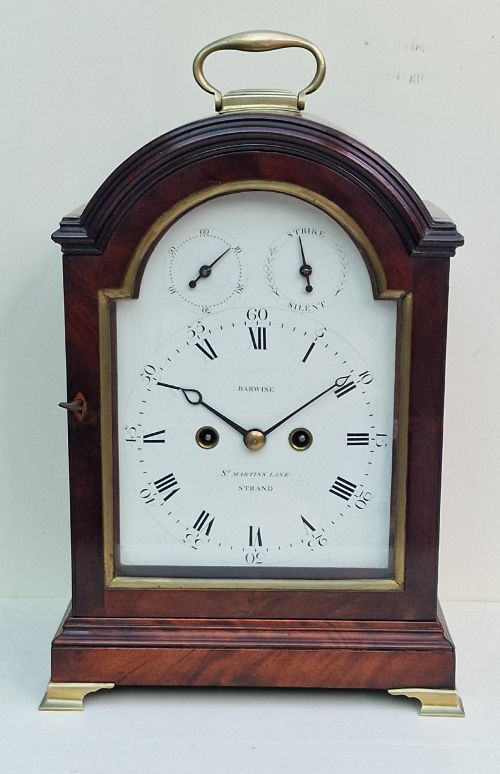
An antique English pendulum clock appears in several distinct forms across this page, ranging from tall floor-standing longcase clocks to compact bracket clocks and wall-hanging dial clocks. A buyer encounters these timepieces across Georgian, Regency, and Victorian periods, housed in timber cases that suit domestic or public interiors.
Floor-standing examples include longcase and grandmother clocks, while wall clocks often feature circular dials used in railway stations, schools, and offices. Bracket clocks sit upon tables or shelves, driven by fusee movements housed in mahogany, oak, or rosewood cases.
Materials and movement construction
Cabinet makers utilised dense hardwoods such as mahogany, oak, walnut, and rosewood to construct the protective cases, occasionally adding brass dials, glass covers, and painted metal faces. These timbers provide structural stability for intricate mechanical movements.
Horologists built the interior mechanisms utilising brass and iron components, incorporating fusee chains or cords to maintain even tension on the gear train as the mainspring unwound. Pendulums regulate the release of power through an escapement, ensuring steady timekeeping.
Listings feature movements housed in mahogany, oak, and rosewood cases dating from the Georgian, Regency, and Victorian eras.
Distinguishing quality in mechanism and case
The sophistication of the internal movement separates standard domestic clocks from higher-grade examples, particularly those featuring twin fusee mechanisms, quarter-striking capabilities, or strike-silent functions. London-made movements by recognised makers often demonstrate superior finishing on the brass plates and gear teeth.
Case carpentry and timber selection define visual merit, where figured mahogany veneers, burr walnut, or detailed brass dial engraving indicate superior workshop output. The harmony between the original dial, hands, and timber case preserves the integrity of the piece.
Gillett & Johnston of Croydon·Richard Corless of Stockport·Parkinson Bros, Batley·George Hallifax Of Doncaster·William Moon London
The Antique English Pendulum Clock Glossary
- Fusee
- A conical pulley used in spring-driven clocks to equalise the torque of the mainspring as it runs down. This mechanism ensures consistent power delivery to the gear train for accurate timekeeping.
- Dial clock
- A wall-mounted timepiece featuring a prominent circular face, frequently utilised in public buildings, offices, and railway stations during the nineteenth century. These clocks are typically enclosed in mahogany or oak surrounds with hinged bezels.
- Bracket clock
- A portable table or shelf clock originally designed to sit on a architectural wall bracket. They often feature carrying handles and glazed side panels to expose the movement.
- Longcase clock
- A tall, weight-driven pendulum clock housed inside a protective wooden trunk with a base and hood, commonly known as a grandfather clock. The pendulum and weights hang freely within the main body.
- Moon phase
- A dial complication that tracks the lunar cycle through a rotating disc showing the phases of the moon. This feature appears on the upper portion of select longcase clock faces.
Antique English Pendulum Clock: Frequently Asked Questions
How do fusee movements work?
A fusee movement uses a conical pulley connected to the mainspring by a chain or cord. As the spring unwinds and loses strength, the chain pulls on a wider section of the cone, maintaining constant force on the escapement.
This clever mechanical compensation prevents the clock from losing speed as the power winds down.
Where were wall dial clocks used?
Wall dial clocks with clear circular faces were standard fixtures in nineteenth-century railway stations, schools, offices, and coaching inns. Their bold painted metal or wooden dials allowed crowds to read the time from a distance.
Today, these functional pieces transition easily into domestic hallways and kitchens.
What is the difference between a longcase and a bracket clock?
A longcase clock uses suspended weights hanging inside a tall wooden trunk to power the pendulum and movement. It stands directly on the floor as a major piece of furniture.
In contrast, a bracket clock is compact, driven by a spring mechanism, and sits securely upon a table, desk, or wall shelf.
How do I care for an antique pendulum clock?
Keep the clock away from direct sunlight, damp walls, and sudden temperature fluctuations that can warp timber cases or affect metal components. Ensure the cabinet stands on a level surface so the pendulum swings symmetrically.
Professional servicing every few years keeps the gear train clean and lubricated.