
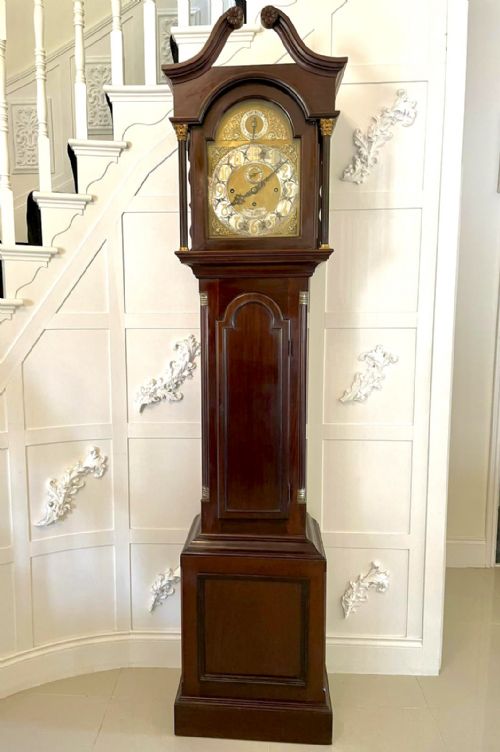
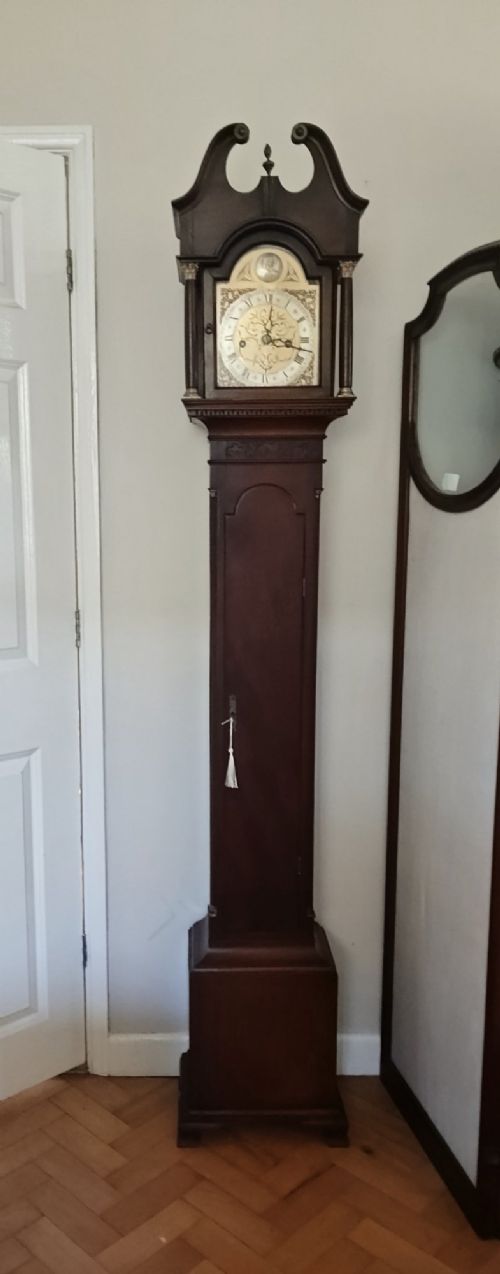
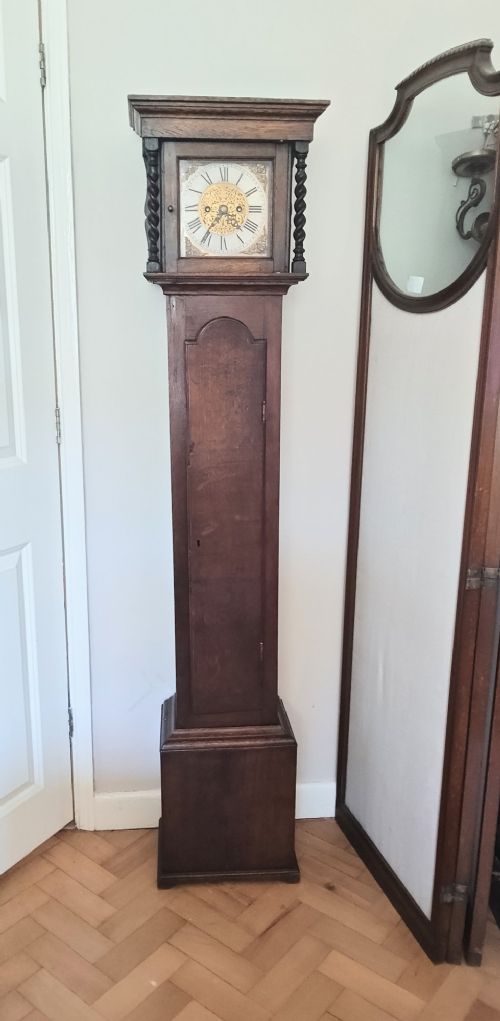
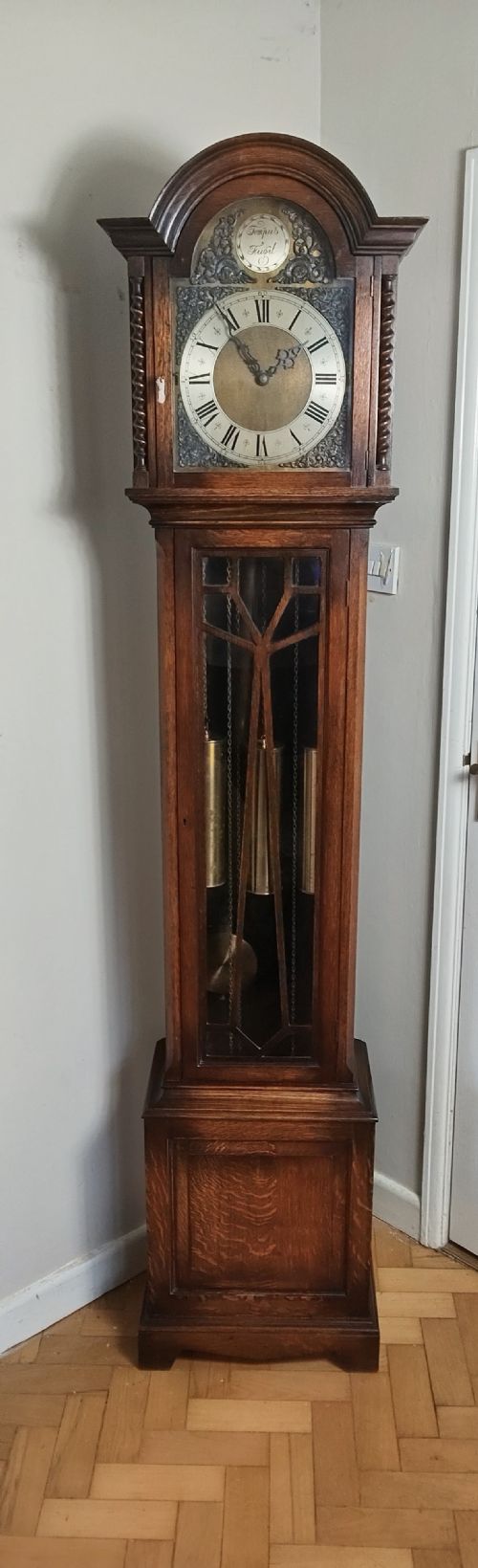


Traditional Wooden Grandfather Clock
Traditional wooden grandfather clock designs span the Georgian and Victorian eras, housing intricate weight-driven movements in tall timber cases.
Traditional Wooden Grandfather Clock
A traditional wooden grandfather clock, also known as a longcase clock, stands tall to protect pendulum and weight mechanisms inside a timber housing. These floor-standing timepieces anchor a room with their vertical presence and mechanical complexity.
Most examples encountered here originate from the Georgian and Victorian periods, with regional variations appearing across English and Scottish workshops. Buyers select these clocks for their combination of fine cabinetry and functional horology.
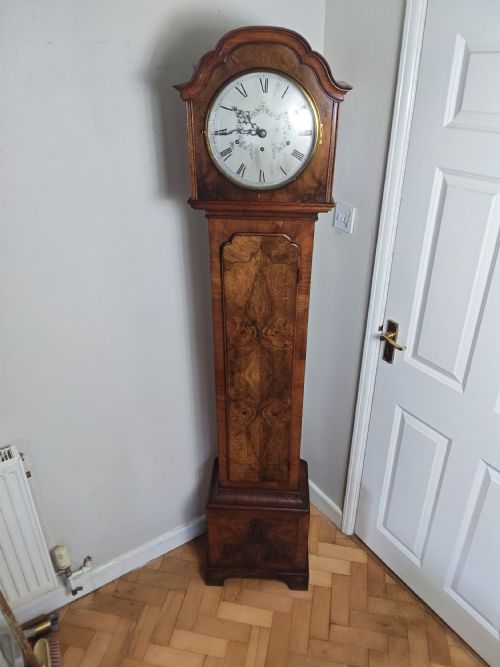
Forms range from full-size eight-day models to more compact grandmother and granddaughter clocks produced in later decades. Timber choices dictate the visual weight of the piece, shifting from rustic oak to polished mahogany and burr walnut.
How they were made
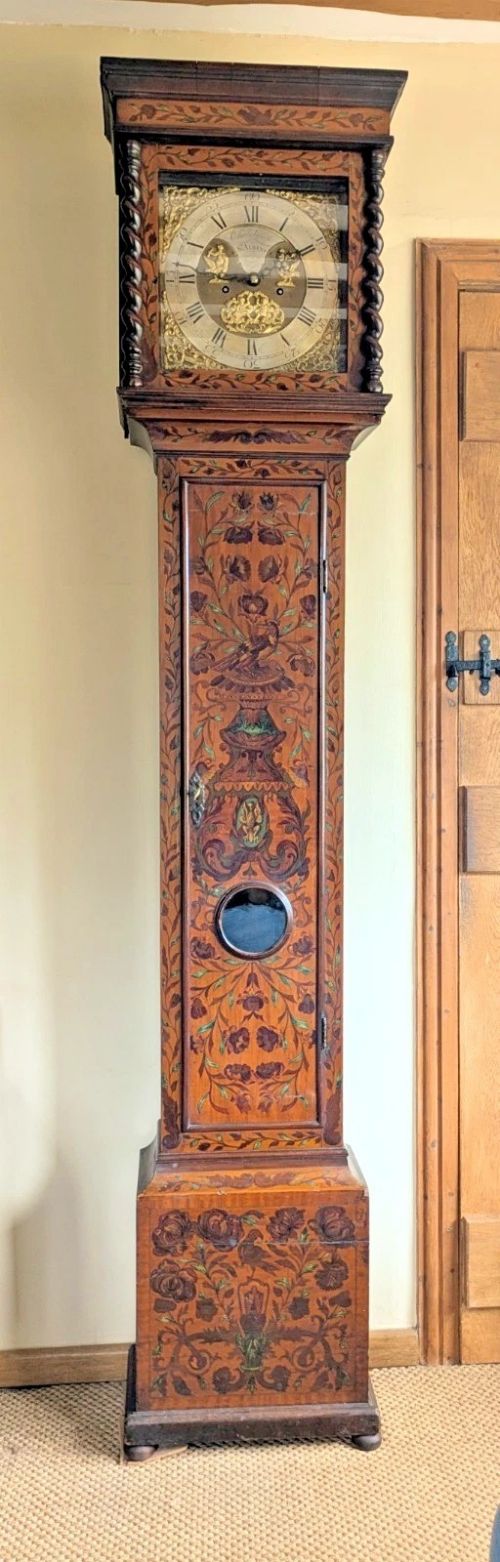
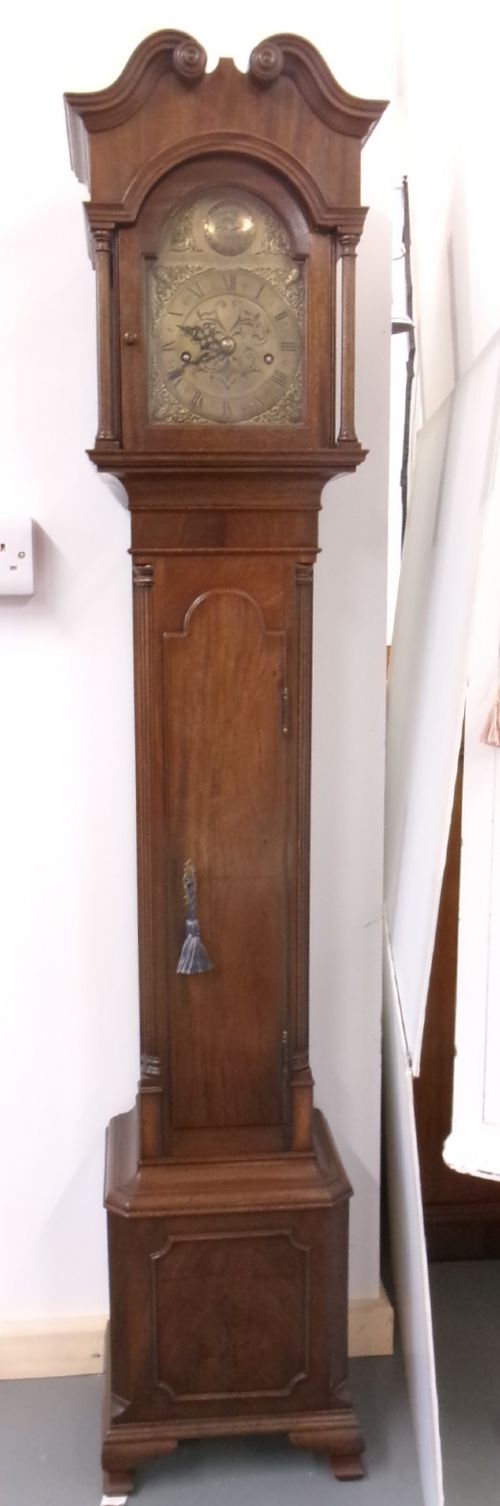
Cabinetmakers constructed these longcases using solid and veneered timbers including oak, mahogany, and walnut, often applying crossbanding or marquetry for surface pattern. Glass doors protected the dial while iron and brass sustained the internal weight-driven movements.
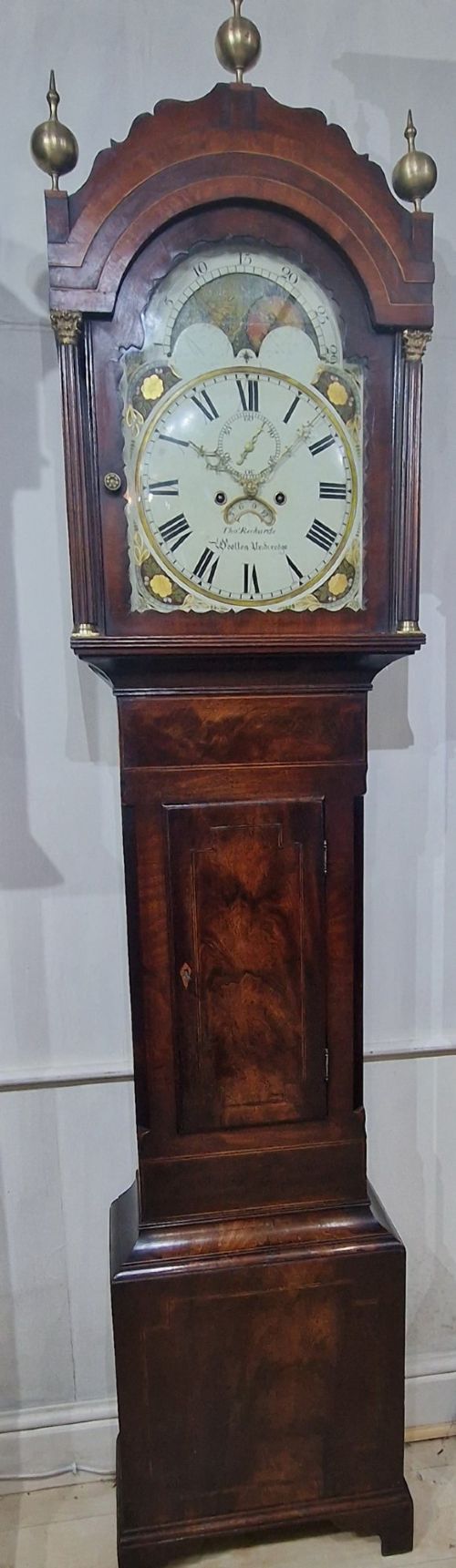
Clockmakers fitted brass or painted enamel dials, sometimes incorporating rolling moon mechanisms, musical barrels, or multiple chimes. Each case combined structural carpentry with precise mechanical engineering to ensure accurate timekeeping over long periods.
Traditional Wooden Grandfather Clock Retail Price Guide 2026
Typical asking prices for traditional wooden grandfather clock among the pieces listed under this phrase on Sellingantiques today, from the lower quarter to the upper quarter. They describe what is for sale here now, not the wider market.
Listings feature woods such as oak, mahogany, walnut, and glass, spanning periods from the 17th-century style to the Edwardian era.
What varies in quality
The sophistication of the movement dictates the upper tier of these clocks, where musical barrels, triple weights, and chime options elevate the engineering beyond standard time-only mechanisms. Dial execution also separates standard pieces from exceptional ones, particularly when signed by notable regional makers.
Cabinet work quality shows in the choice of timber figures, such as burr walnut or figured mahogany, and the precision of inlaid details. Proportion and scale distinguish grand architectural longcases from more modest regional examples.
Winsor Bishop Norwich·Charles Louch St Albans·Rickards Wotton Under Edge·James Coster Of Henley·John Banks Oldham·Garman Meonstoke·Samuel Young Nantwich·Wm Stanford·W Prior Skipton·Jn Wright Linton
The Traditional Wooden Grandfather Clock Glossary
- Longcase clock
- An alternative term for a grandfather clock, describing the tall wooden case that encloses the pendulum and weights. This is the term most frequently used in historical records.
- Grandmother clock
- A smaller version of the traditional longcase clock, typically produced in the 19th and early 20th centuries. These scaled-down clocks fit lower ceilings while retaining mechanical movements.
- Marquetry
- The art of applying pieces of veneer to a structure to form decorative patterns and pictures. It appears frequently on 18th-century cabinetry.
- Rolling moon
- A painted dial mechanism that tracks the phases of the lunar cycle behind an arched aperture. This complication adds visual interest to the clock face.
- Crossbanding
- A border technique where thin strips of veneer are laid running perpendicular to the surrounding wood grain. This frames drawer fronts and trunk doors on mahogany and oak cases.
Traditional Wooden Grandfather Clock: Frequently Asked Questions
How do I wind a grandfather clock?
Winding requires raising the weights using a crank or pulling the chains, depending on the specific movement inside the case. Care must be taken not to overwind the mechanism.
Most eight-day clocks require attention once a week at a consistent time. Keeping a steady schedule helps maintain the accuracy of the pendulum.
Where should I place a longcase clock?
Position the clock on a stable, level floor away from direct sunlight and heating vents to protect the timber case from warping. Solid walls provide the best support for anchoring the tall structure.
Ensure the room maintains a relatively stable temperature and humidity level. Sudden environmental changes can affect both the wood and the delicate internal brass components.
How can I tell the age of a wooden clock?
Dating relies on stylistic clues in the cabinet design, such as Georgian crossbanding, Victorian proportions, or Edwardian inlay work. The materials used, like early oak versus later mahogany, also offer broad chronological markers.
Signatures inscribed on the brass or enamel dial often point to a recorded maker and active working period. Comparing dial styles and movement types refines the date of origin.