

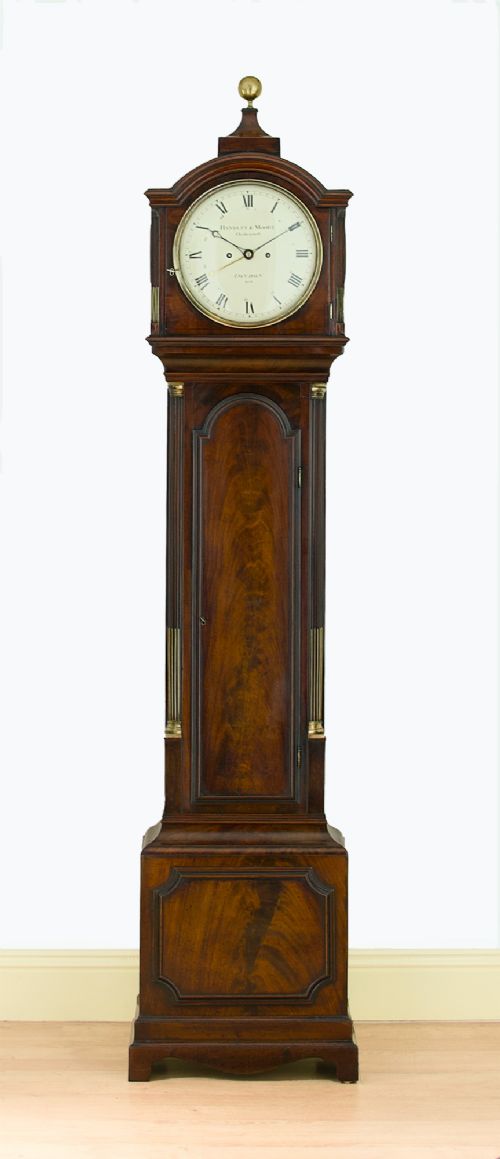
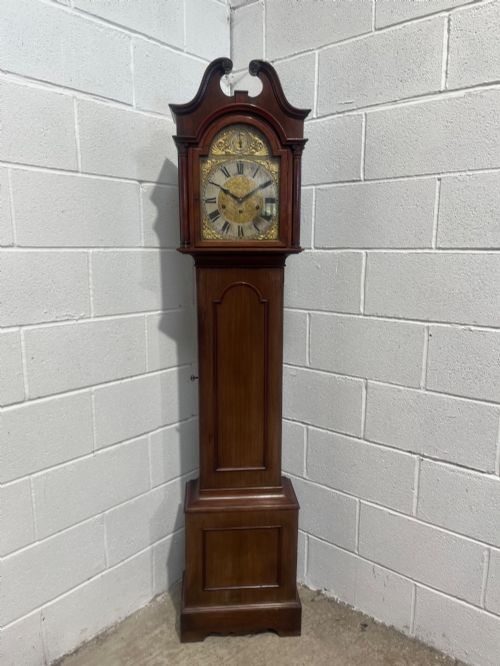
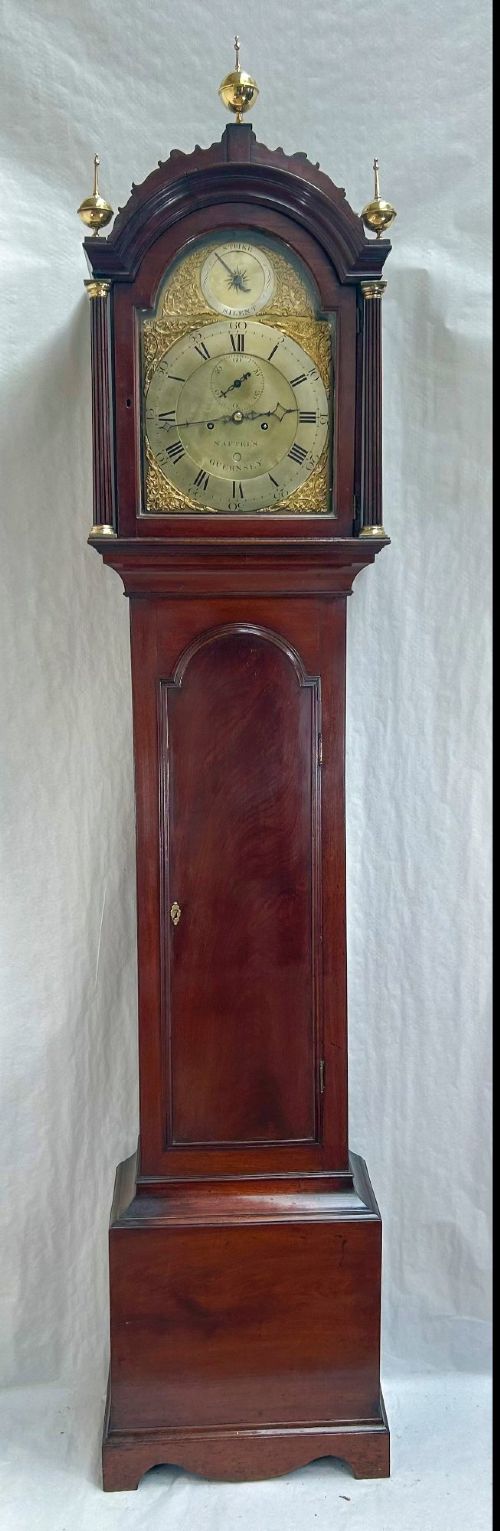
Georgian Mahogany Tall Clock
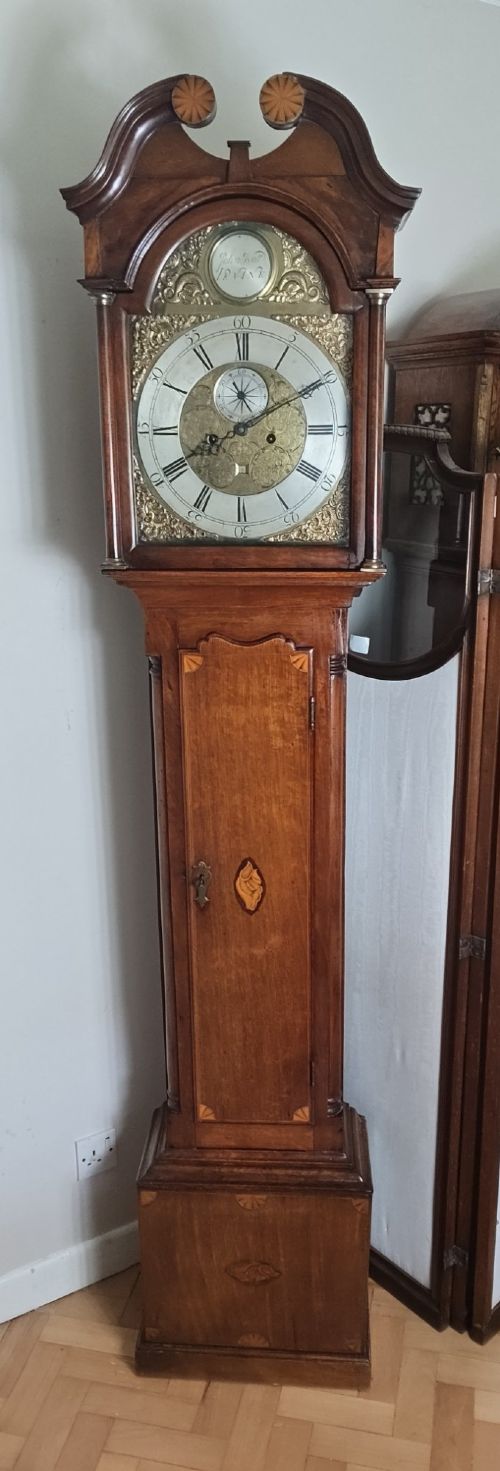
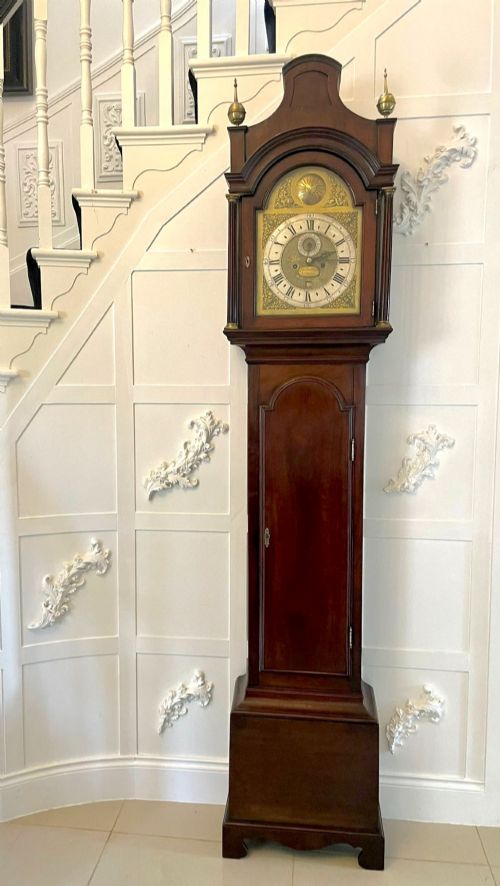
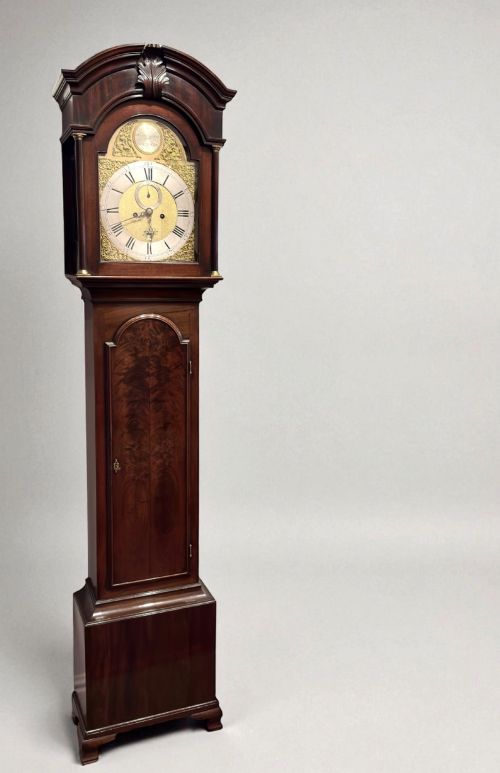
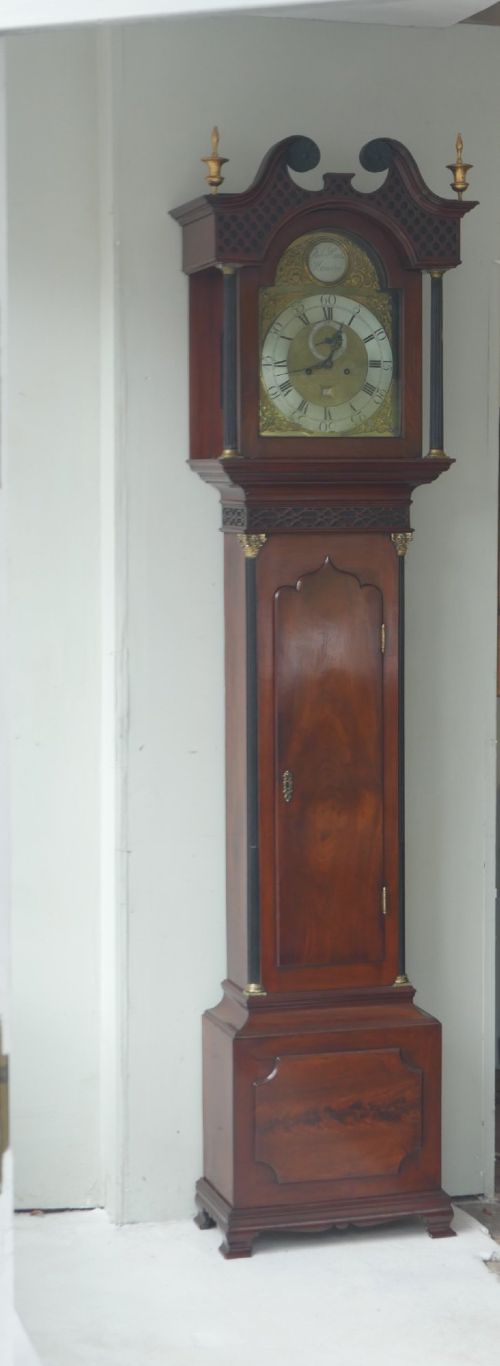
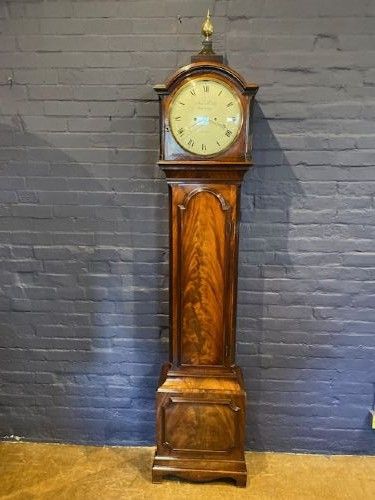
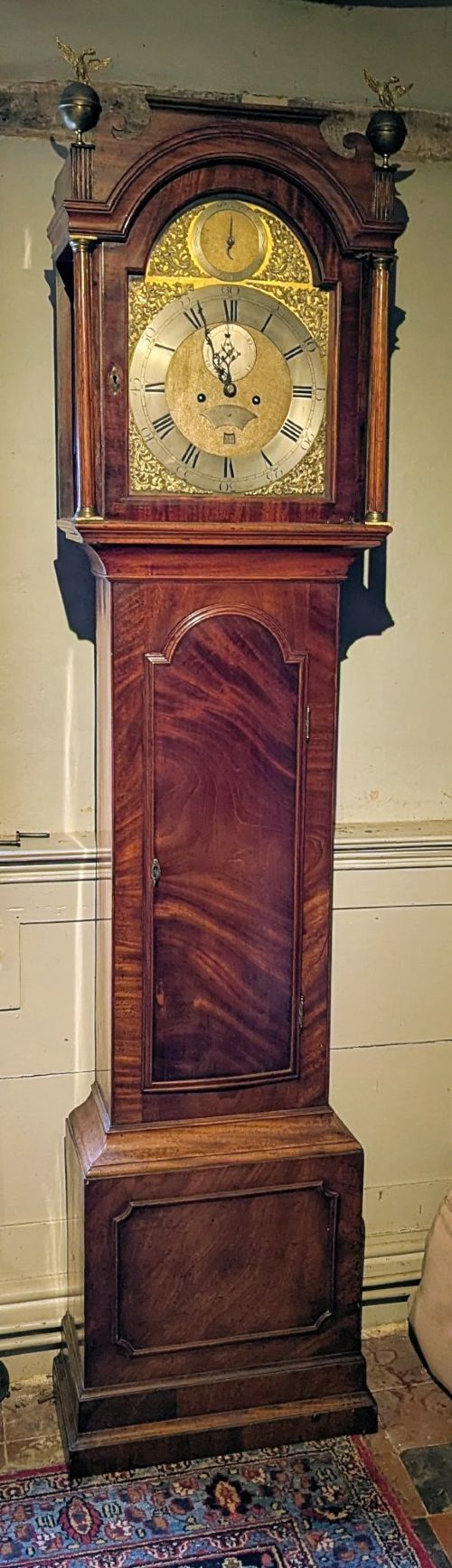
A georgian mahogany tall clock brings grand scale and precision movement into a room, anchoring the space with centuries of horological heritage.
Understanding a georgian mahogany tall clock
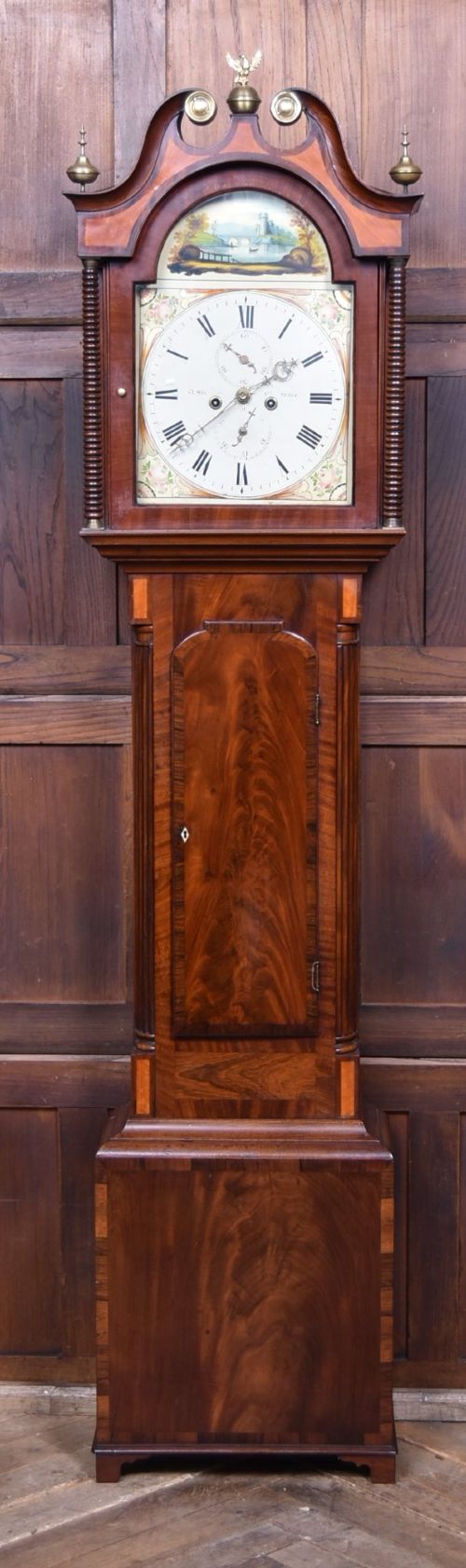
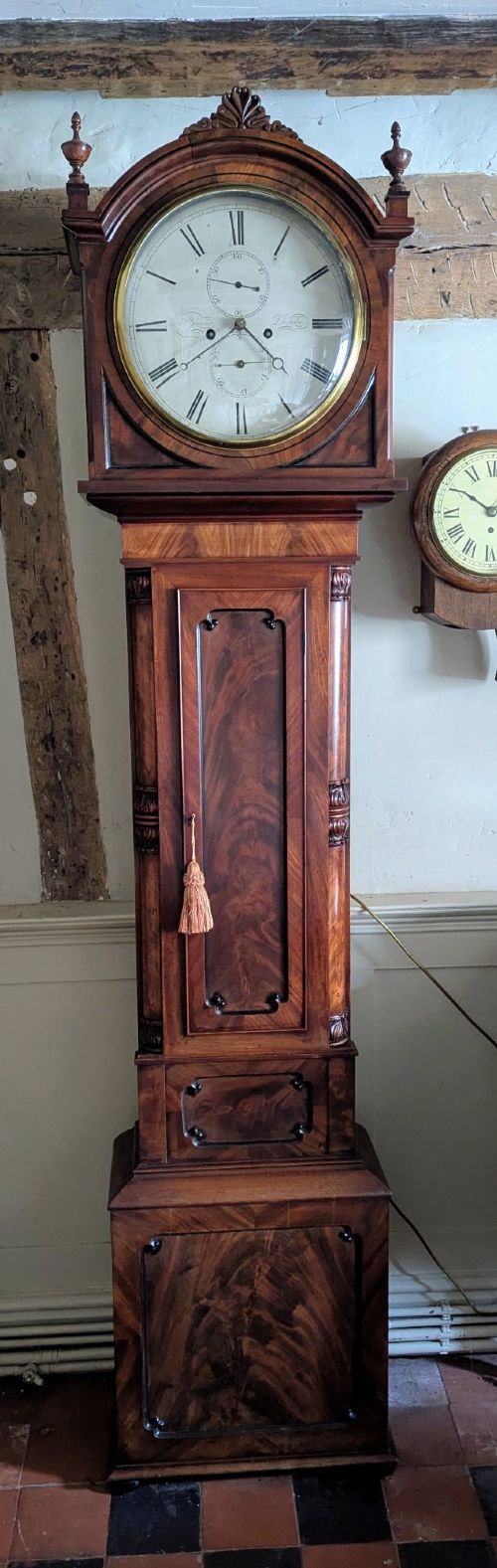
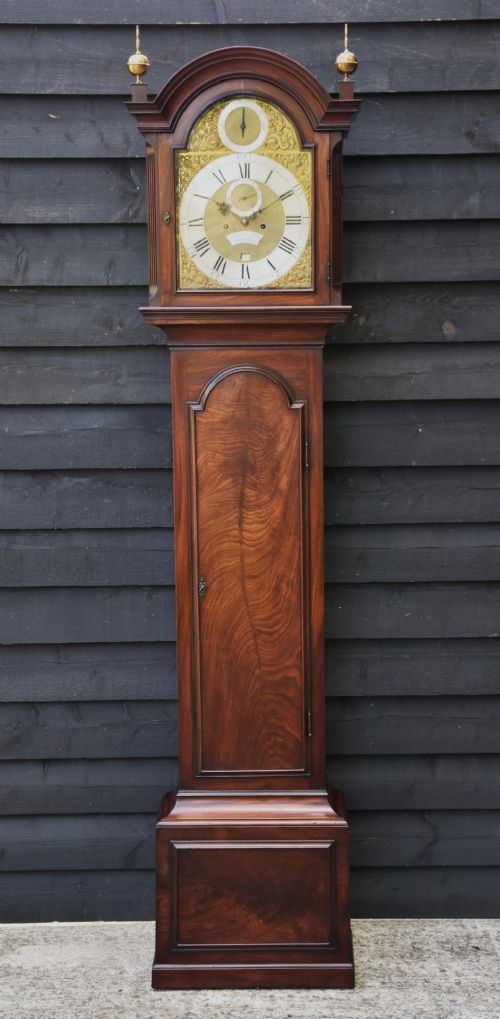
When you search for a georgian mahogany tall clock, you are looking at substantial floor-standing timepieces that combine architectural wood cabinetry with intricate mechanical dials. These pieces span centuries of design, with versions appearing from the eighteenth century, the eighteen hundreds, and even the Victorian era.
The pieces listed on this page include longcase clocks and grandfather clocks in various regional styles. You will encounter Scottish examples alongside provincial English pieces originating from towns such as Paisley, Wolverhampton, Oldham, Reading, and Tiverton.
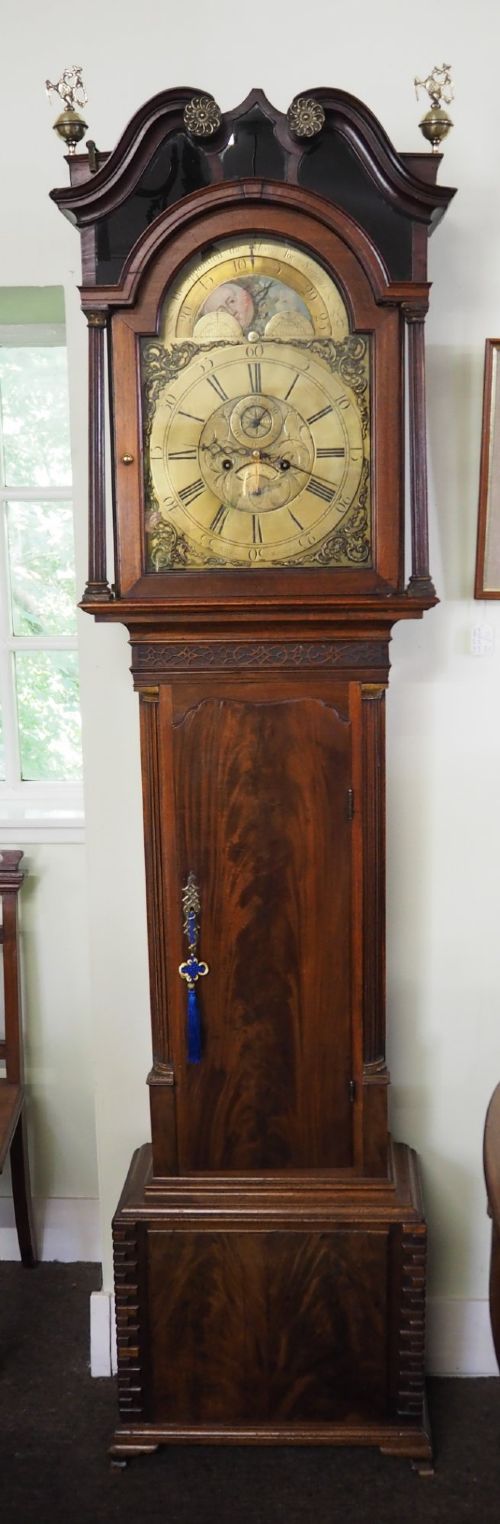
Makers recorded in the evidence range from provincial West Midlands and Lancashire names to West Country and Scottish horologists. The forms vary from straightforward eight-day movements to elaborate dials featuring painted iron and moon phases.
Materials and construction
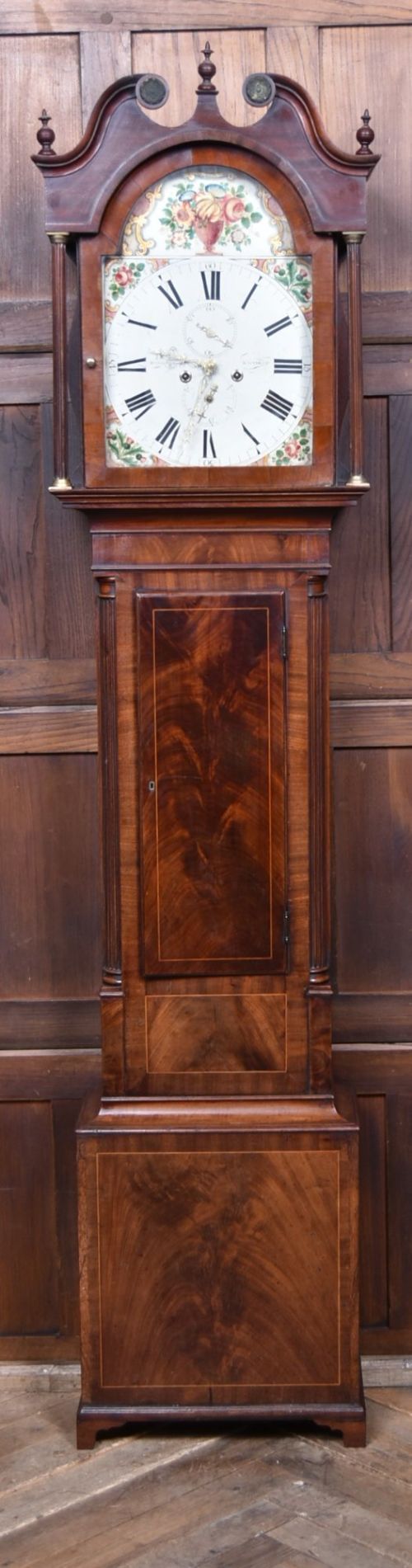
The cabinetwork relies primarily on mahogany, frequently enhanced with flame mahogany veneer and decorative inlay to create rich surface figure and warmth. Master cabinetmakers constructed these tall cases to protect the weight-driven movements while serving as imposing pieces of furniture.
The functional elements incorporate brass for movements and dial fittings, alongside glass panes protecting the delicate clock faces. Dials themselves often feature painted iron, providing a crisp surface for numerals and subsidiary indicators.
Retail Price Guide 2026
Typical UK retail prices for georgian mahogany tall clock, calculated from the Sellingantiques database of over a million retail prices indexed since 2003. This retail price guide relies exclusively on Sellingantiques data; no external sources or auction records are used, so the figures do not describe the wider market.
Materials recorded across these tall clocks include brass, glass, painted iron, and flame mahogany veneer.
Distinctions in quality
Quality in these clocks rests upon the sophistication of the cabinetwork and the regional reputation of the horologist who signed the dial. Finer examples display carefully selected flame mahogany veneer and delicate inlay work that elevate the case beyond a simple wooden trunk.
The dial execution further separates ordinary utility from superior craftsmanship, particularly where complex moon phases or finely lettered signatures of makers like Matt Wylie or Furnival appear. Movement complexity, such as eight-day duration rather than thirty-hour performance, also defines the upper tier of these tall timepieces.
Matt Wylie Paisley·Hay Wolverhampton·Furnival Oldham·Packer Of Reading·Long Of Tiverton
The Georgian Mahogany Tall Clock Glossary
- Longcase clock
- An alternative term for a grandfather clock, housed in a tall wooden case that encloses the weights and pendulum. These standing timepieces became the standard format for domestic precision timekeeping from the late seventeenth century onwards.
- Moon phase
- A mechanical complication on the dial that tracks the lunar cycle through a rotating painted disc. This feature required careful gearing to display the phases of the moon accurately alongside standard hours and minutes.
- Flame mahogany veneer
- A figured wood veneer sliced from timber where the branch meets the trunk, producing a distinctive flickering flame pattern. Cabinetmakers applied this decorative layer to prominent surfaces of the tall case to catch the light.
- Eight day
- A movement type requiring winding only once a week rather than daily. This mechanical specification indicates a more sophisticated gear train and higher workshop status.
Frequently Asked Questions
How do I wind a tall clock?
Winding involves using a specialised crank key inserted into winding holes on the dial face to draw the hanging weights back up. Care must be taken not to over-wind the movement.
Ensuring the weights travel smoothly within the trunk prevents damage to the internal lines or chains during operation.
Where should I place a grandfather clock?
These tall pieces require a stable, level floor away from direct sunlight and major heat sources that might dry the mahogany timber. A secure fixing to the wall through the upper trunk is often recommended to prevent accidental tipping.
Placing the clock against an interior wall also helps protect the sensitive mechanical pendulum from excessive drafts and vibrations.
What is an eight day movement?
An eight day movement utilises a heavier drop for the driving weights, allowing the clock to run continuously for roughly a week before requiring manual intervention. This design reduced the frequency of interaction needed between the owner and the mechanism.
Such movements generally demand more precise gear cutting and stouter frame pillars than their thirty-hour provincial counterparts.
How do regional styles differ?
Regional variations often stem from the preferences of local horologists and cabinetmakers working in specific towns like Paisley, Reading, or Wolverhampton. Scottish pieces frequently display distinct bonnet pediments and dial treatments compared to English counterparts from the same era.
Examining the timber selection, dial signature layout, and hood design reveals the geographic origin of the workshop.