




Mechanical Pendulum Clock
A mechanical pendulum clock measures time through the steady swing of a weighted bob, bringing historic movement and traditional timber to any wall or hallway.

What mechanical pendulum clocks are
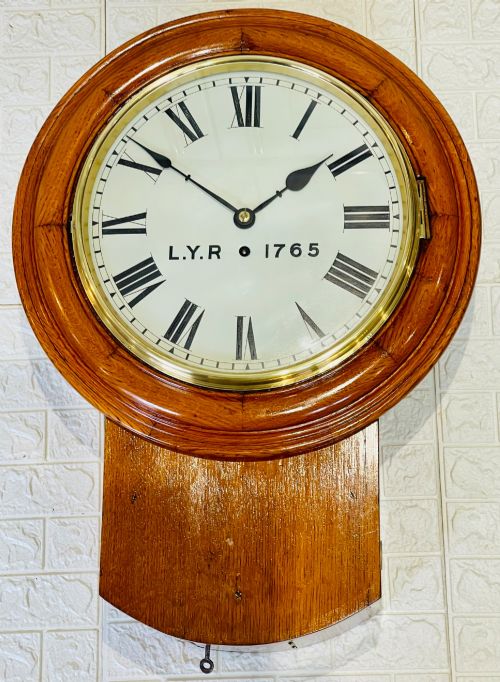
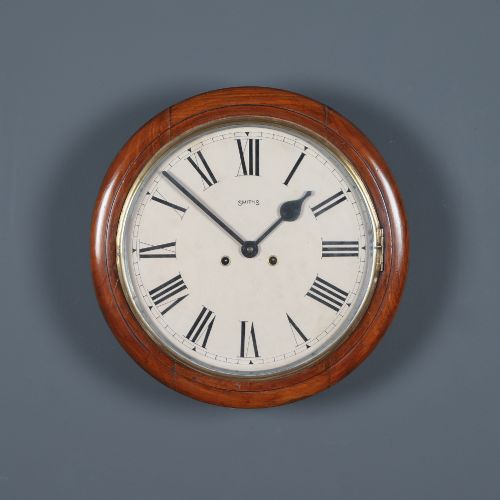
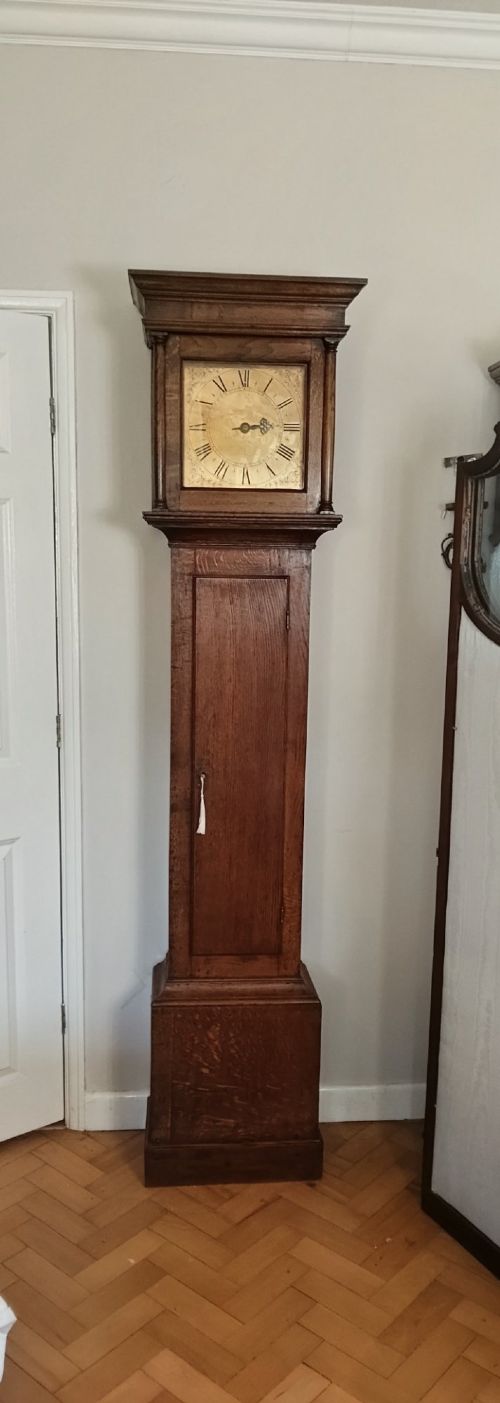
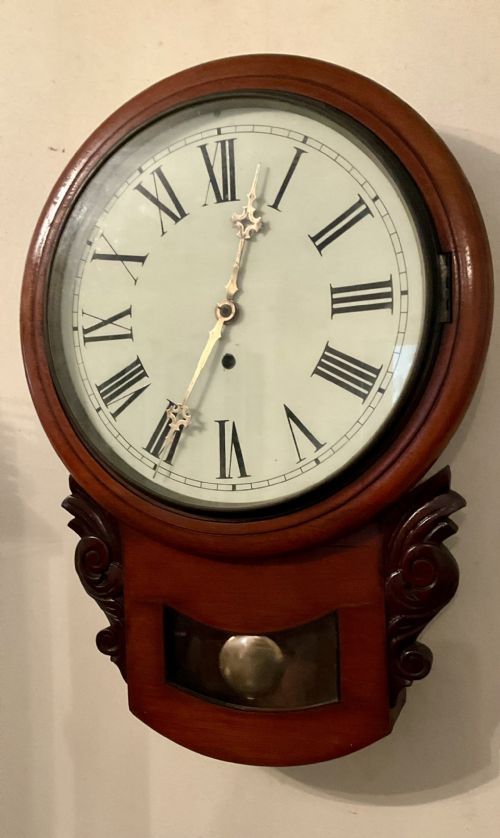
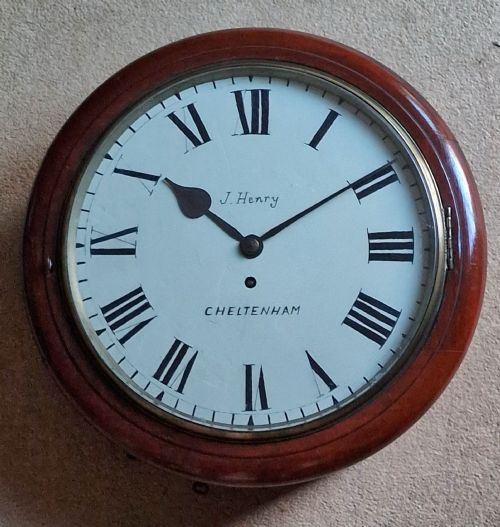
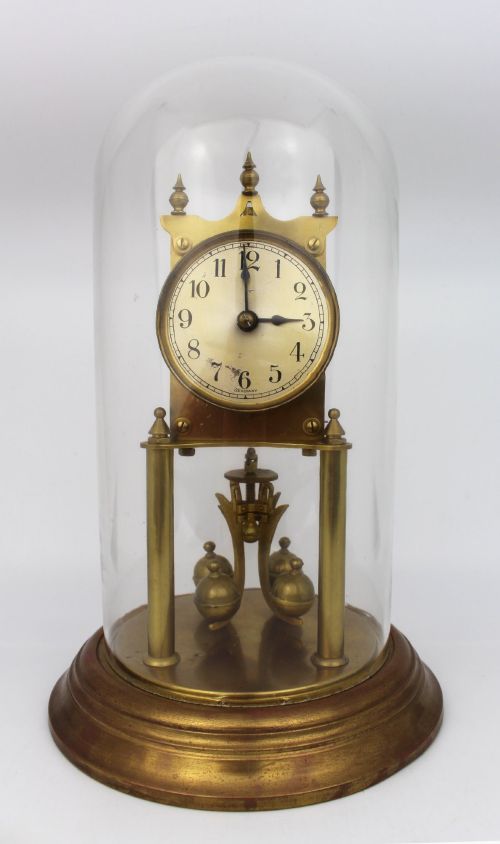
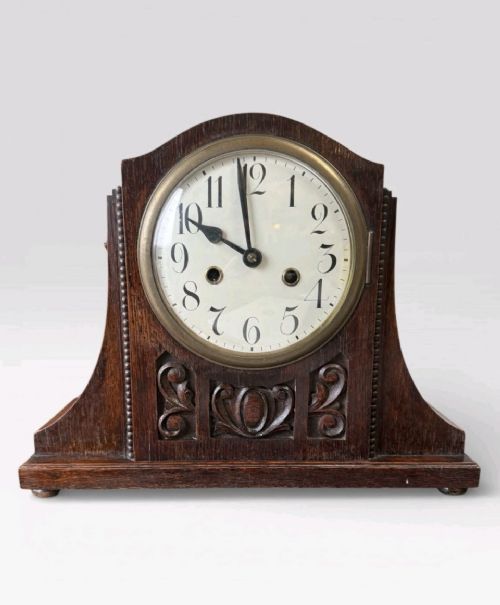
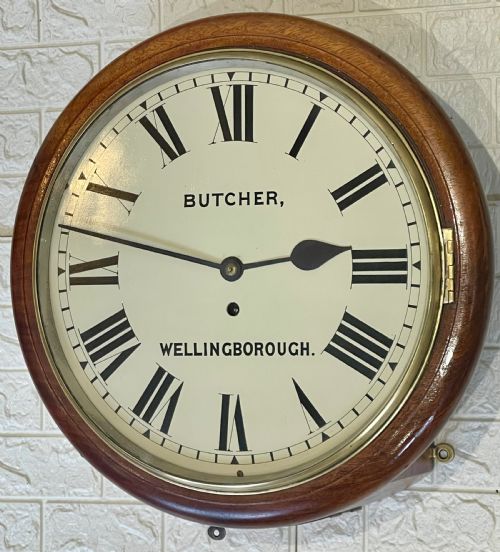
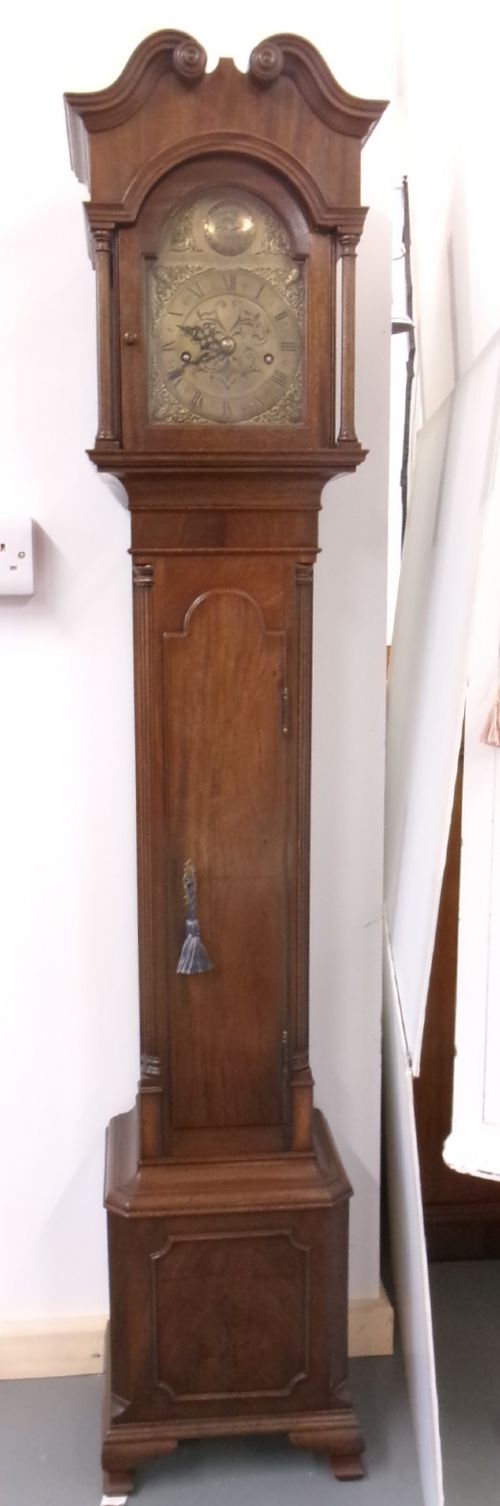
These items comprise longcase grandfather clocks and wall-mounted timepieces, originating from Georgian, Victorian, Edwardian, and Art Deco periods. A buyer exploring this selection encounters various formats, from large floor-standing examples to compact hanging clocks.
The evidence shows timepieces spanning multiple decades and centuries, with both simple dial designs and complex chiming movements. Regional makers and French workshops produced these instruments for domestic settings.
Wall clocks and grandfathers represent the primary forms seen here, utilising pendulum regulation to maintain accurate time. Cabinet styles range from carved walnut to inlaid oak and flame mahogany veneer.
How they were made
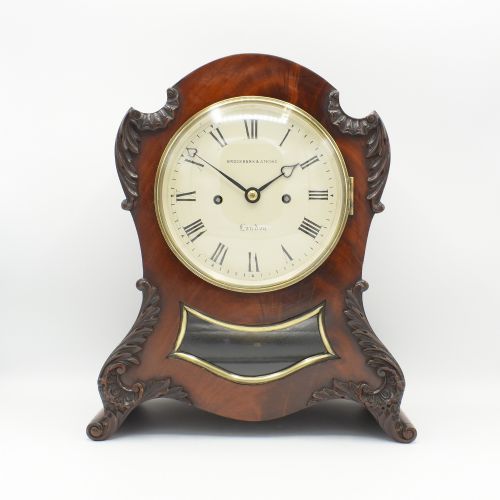
Cases rely on traditional cabinet timbers including mahogany, walnut, flame mahogany veneer, and oak, often shaped with carved details or geometric inlay. Iron and brass components form the internal gear trains and plates, while glass protects the visible dials.
Enamel serves as the primary material for clock faces, providing a clean surface for painted numerals. Clockmakers combined metalworking for the mechanical movements with fine carpentry for the protective housings.
Retail Price Guide 2026
Typical UK retail prices for mechanical pendulum clock, calculated from the Sellingantiques database of over a million retail prices indexed since 2003. This retail price guide relies exclusively on Sellingantiques data; no external sources or auction records are used, so the figures do not describe the wider market.
Father Time pauses for no one, yet a rocking automaton on the dial face manages to keep pace with every swing.
What varies in quality
The refinement of the cabinetwork separates standard production pieces from finer examples, evident in the selection of timber grain and the precision of carved ornamentation. Flame mahogany veneer and intricate inlay require skilled handwork that elevates the piece.
The execution of the movement and dial finish distinguishes different tiers of manufacture. Signed dials from established makers and complex carillon or chiming systems indicate a higher level of workshop output.
John Walker·Hay Wolverhampton·Webb of Frome·Vedette
The Mechanical Pendulum Clock Glossary
- Pendulum
- A suspended weight that swings back and forth to regulate the timekeeping mechanism. Its regular motion is fundamental to the accuracy of these clocks.
- Fusee
- A conical pulley used in clock movements to maintain an even pull as the mainspring unwinds. This device ensures consistent power delivery to the gear train.
- Grandfather clock
- A tall, floor-standing pendulum clock housed in a wooden longcase. These pieces often incorporate weights and long pendulums within the trunk.
- Drop dial
- A wall clock design where the circular dial sits above an extended wooden case enclosing the pendulum. This format became popular in public and domestic spaces during the nineteenth century.
- Carillon
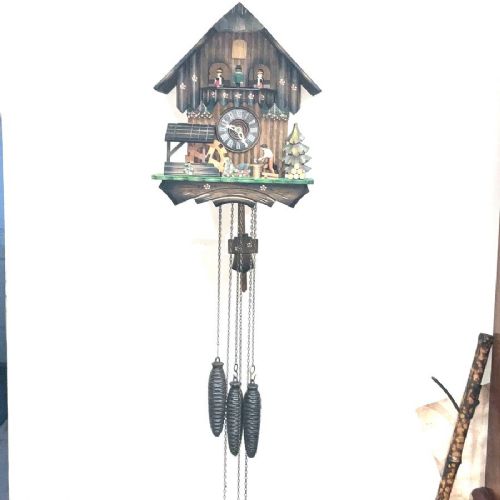
- A mechanism that plays a sequence of tunes using multiple bells or gongs. This setup allows the clock to sound musical melodies at set intervals.
Frequently Asked Questions
How do I wind a mechanical pendulum clock?
Wind the clock using the appropriate key inserted into the winding holes on the dial face, turning gently until resistance increases. Take care not to overwind the movement, as this can damage the internal springs.
Ensure you stop winding the moment you feel firm tension. For weight-driven models, pull the chains or cords steadily to raise the weights back toward the top of the case.
Why does my clock lose time?
Timekeeping discrepancies often stem from an unlevel clock case or a pendulum that requires minor adjustment. Check that the cabinet hangs straight on the wall or stands plumb on the floor.
Adjust the regulating nut beneath the pendulum bob to alter its effective length, raising the bob to make the clock run faster or lowering it to run slower.
Where should I place a longcase clock?
Position the longcase clock against a sturdy interior wall away from direct sunlight, heating vents, and damp areas. Wood cabinets react to temperature fluctuations, so stable environmental conditions help preserve the timber.
Secure tall cases to the wall using appropriate brackets if there is any risk of tipping. A solid floor ensures the pendulum swings evenly without interference.
What is the difference between wall and longcase clocks?
Wall clocks mount directly onto vertical surfaces and generally feature shorter pendulums and compact cases. They suit smaller rooms where floor space is limited.
Longcase clocks stand directly on the floor, utilising full-length pendulums and heavy weights enclosed within a tall wooden trunk. Their proportions make them a prominent architectural feature in a hallway or principal room.