




Brass Weight Wall Clock
A brass weight wall clock brings mechanical precision and rich timber cases into a room, offering the steady swing of a pendulum and the gleam of metal.
Brass Weight Wall Clock
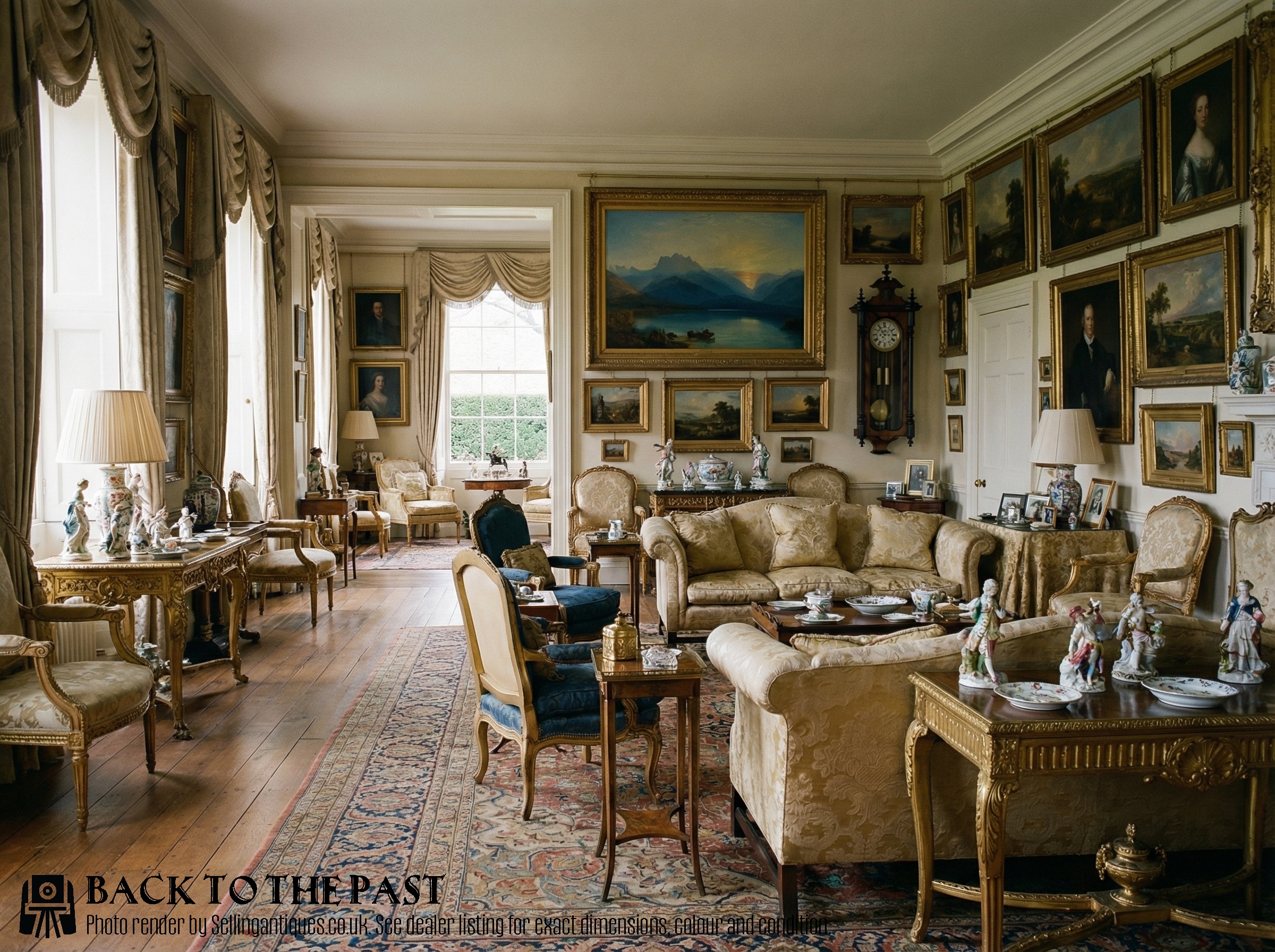
A brass weight wall clock spans centuries of domestic timekeeping, from early English lantern clocks to ornate Victorian Vienna regulators. When you search for this phrase, you meet weight-driven movements designed to hang securely upon a wall rather than rest upon a mantelpiece or floor.
The selection ranges from seventeenth-century hook and spike brass lantern clocks to nineteenth-century walnut and mahogany Vienna regulators. Regional variations such as Dutch Frisian stoelklok and Morbier timepieces also appear among the offerings.
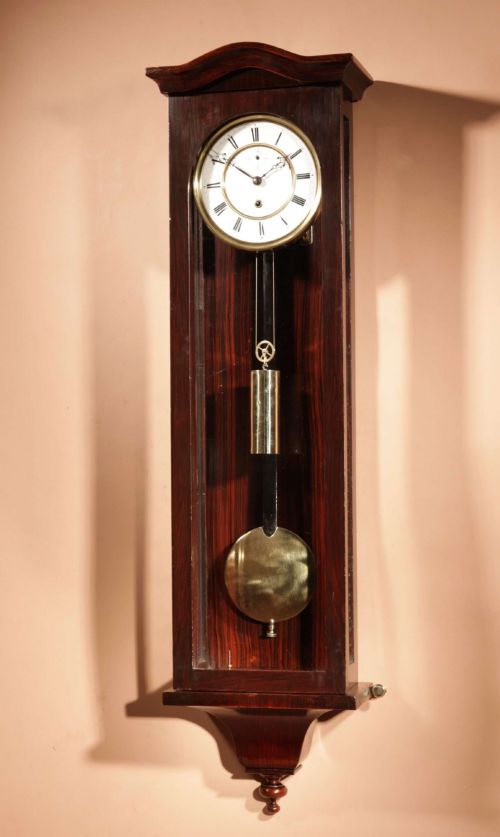
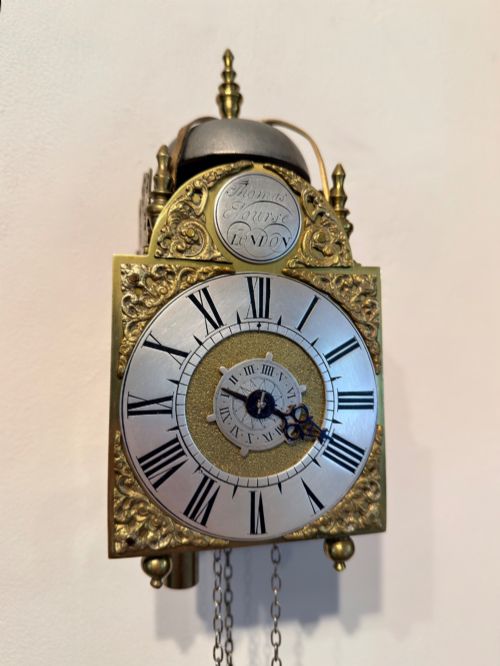
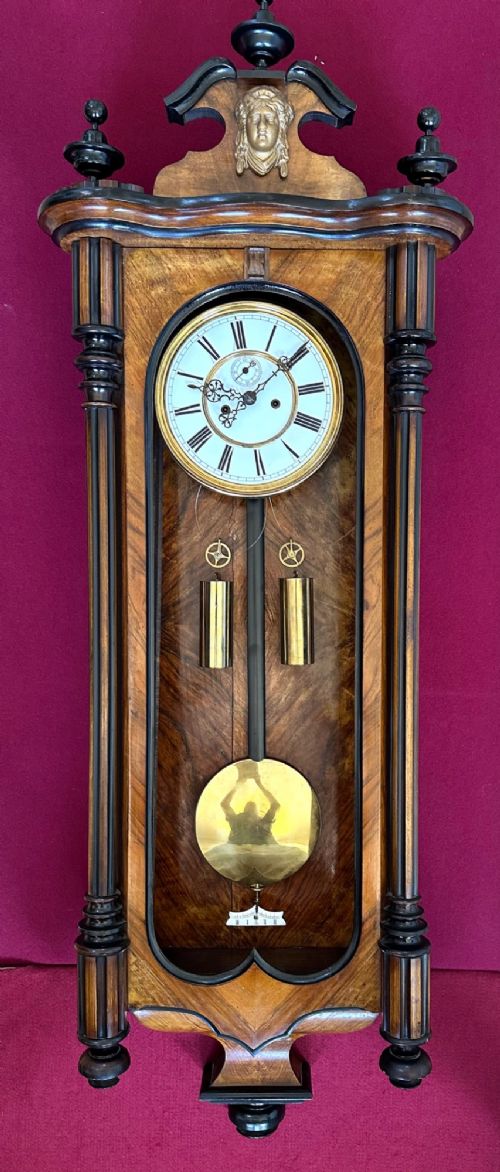
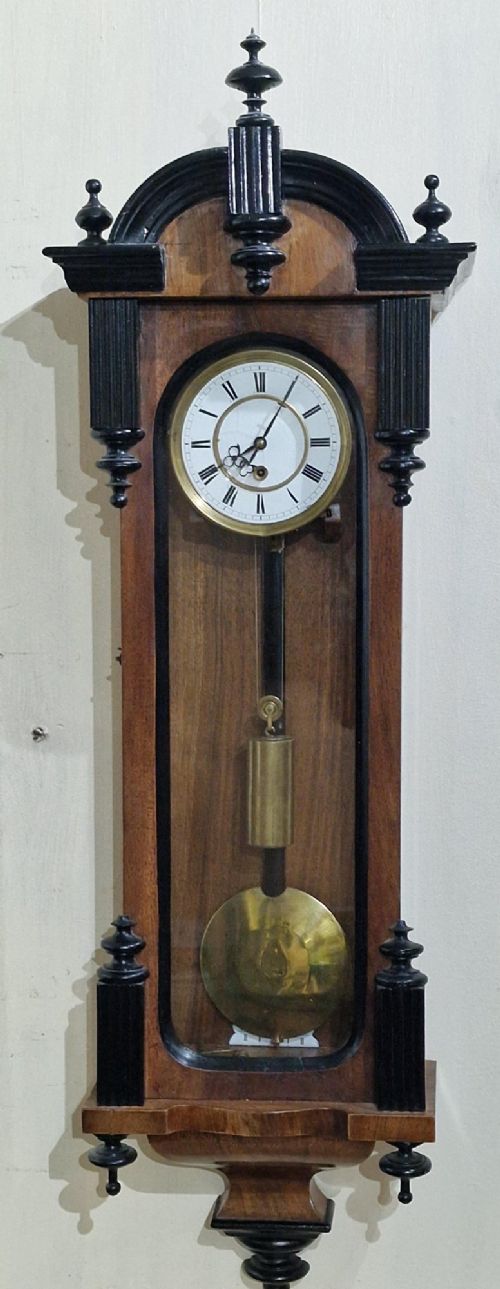
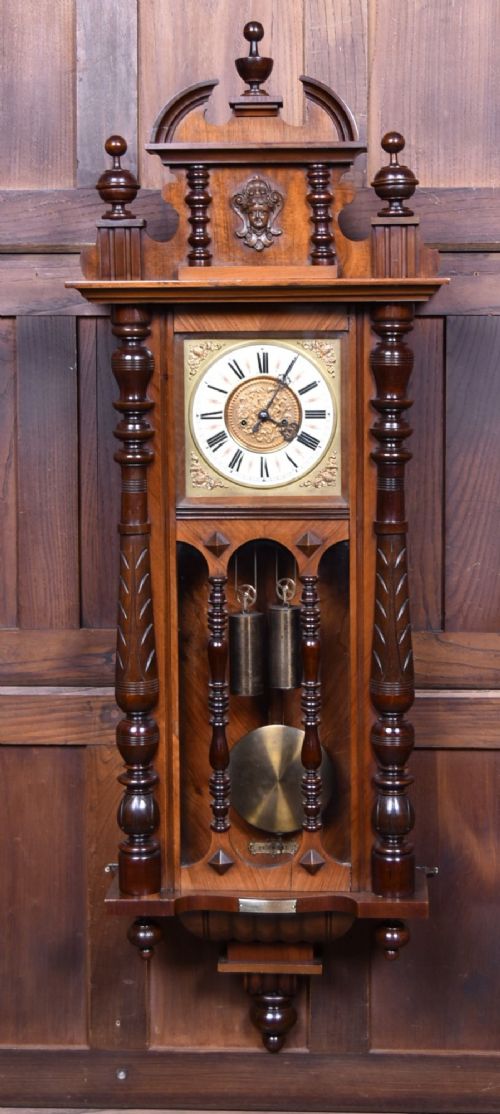
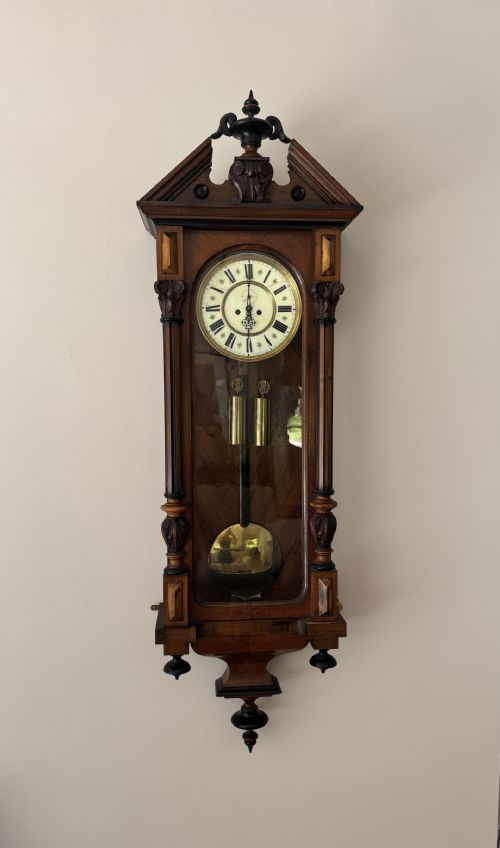
Vienna style and Biedermeier examples dominate the nineteenth-century selection, housed in carved walnut or ebonised wood cases with glass doors. Lantern clocks from the seventeenth and eighteenth centuries represent the earliest brass weight wall clock designs on the market.
Materials and Construction
Makers constructed these clocks using brass for movements, dials, and heavy driving weights, paired with glass panels to protect the dial. Cases rely on timber frames of walnut, mahogany, oak, and ebonised wood.
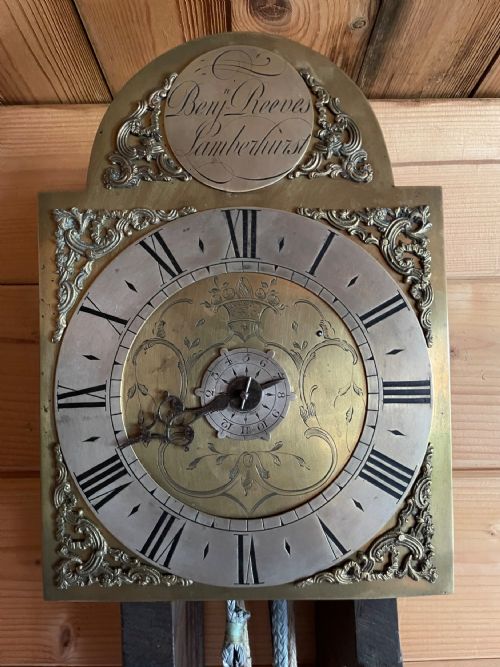
Movements utilise steel components alongside brass wheels and plates, driven by suspended weights rather than internal springs. Dials combine brass chapter rings, enamel cartouches, and intricate hand-engraved details depending on the period.
Brass Weight Wall Clock Retail Price Guide 2026
Typical asking prices for brass weight wall clock among the pieces listed under this phrase on Sellingantiques today, from the lower quarter to the upper quarter. They describe what is for sale here now, not the wider market.
Listings span from the seventeenth century to the twentieth century, encompassing walnut, oak, mahogany, and ebonised wood cases.
Assessing Quality
Quality reveals itself in the crispness of the brass casting, the depth of the case carving, and the complexity of the movement. Double and triple weight regulators with grand sonnerie striking capabilities sit at the higher end of the scale.
The integrity of the dial, the originality of the brass weights and pendulum, and the finish of the timber case determine the standing of each piece. Finer examples display meticulous engraving on brass lantern clock frets and superior veneer selection on walnut Vienna cases.
John Spershott of Titchfield·Benj Reeves Lamberhurst·Windmills and Bennet·Samuel Tinham of New Sarum·Henry Deykin Worcester·Gustav Becker·George Buckmaster Royston·Wenham and Son of Dereham
The Brass Weight Wall Clock Glossary
- Lantern clock
- An early brass chamber clock designed to hang on a wall by a hook and spike. These domestic timekeepers represent seventeenth-century British craftsmanship.
- Vienna regulator
- A precision pendulum clock developed in Austria during the nineteenth century. They are housed in glazed walnut or mahogany cases and driven by heavy brass weights.
- Verge escapement
- An early mechanical escapement mechanism controlling the release of the gear train. It works with a balance wheel or a short pendulum in early lantern clocks.
- Grand sonnerie
- A striking train complication that chimes the hours and the quarters automatically on every quarter hour. This complex mechanism appears in superior Vienna regulators.
- Hook and spike
- The traditional mounting method for early wall clocks. Two iron spikes driven into the wall support a bracket from which the brass lantern clock hangs.
Brass Weight Wall Clock: Frequently Asked Questions
How do I wind a brass weight wall clock?
Winding involves pulling the chains or cords to draw the heavy brass weights back up toward the movement at the top of the case. Care must be taken not to pull past the stop point.
Most eight-day movements require winding once a week, while month-duration examples need attention far less frequently. Keeping a consistent schedule preserves the tension on the gut lines or wire cables.
Where should I hang a wall clock?
A sturdy interior wall away from dampness, direct sunlight, and heavy vibrations provides the ideal environment for a weight-driven timepiece. Plasterboard alone rarely suffices for heavy walnut Vienna regulators.
Fixing the clock securely to a solid brick wall or into timber studs ensures the case remains plumb. A plumb case allows the pendulum to swing freely and keeps the beat even.
What is the difference between a lantern clock and a regulator?
A lantern clock is an early brass timepiece from the seventeenth or eighteenth century, enclosed in a brass frame with visible side doors. A regulator is a nineteenth-century Vienna style clock built for extreme timekeeping accuracy.
Regulators feature long glass-fronted walnut or mahogany cases designed to display the swinging pendulum and suspended brass weights. Lantern clocks hang by a hook and spike and showcase open bell top assemblies.
How do I tell an 18th century clock from a 19th century one?
Seventeenth and eighteenth-century pieces typically take the form of brass lantern or hooded wall clocks with engraved brass dials and iron weight drives. Nineteenth-century examples lean toward Vienna regulators in polished walnut cases with enamel dials.
Examining the movement construction, screw types, and timber finishing reveals the era. Earlier pieces display hand-cut brass wheels and verge escapements, whereas later nineteenth-century pieces utilise more standardised industrial gearing.