






Carved Wooden Wall Clock
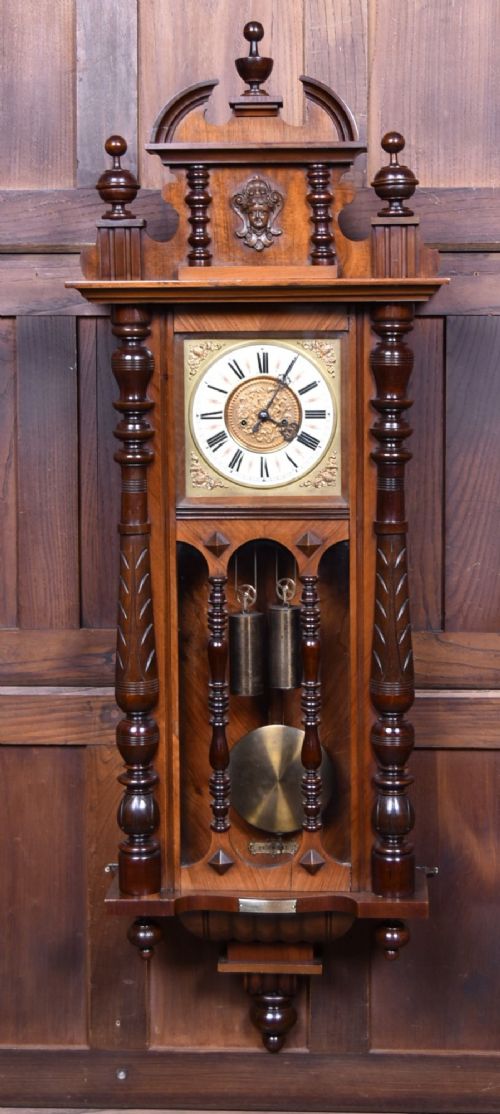
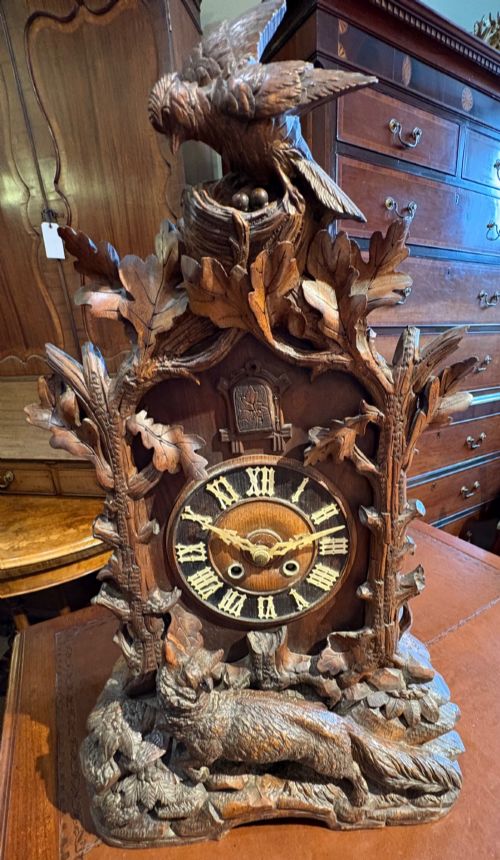
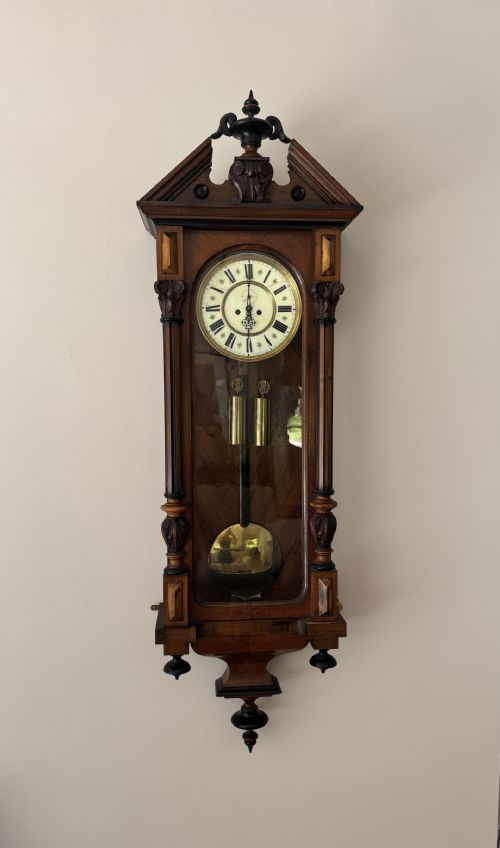
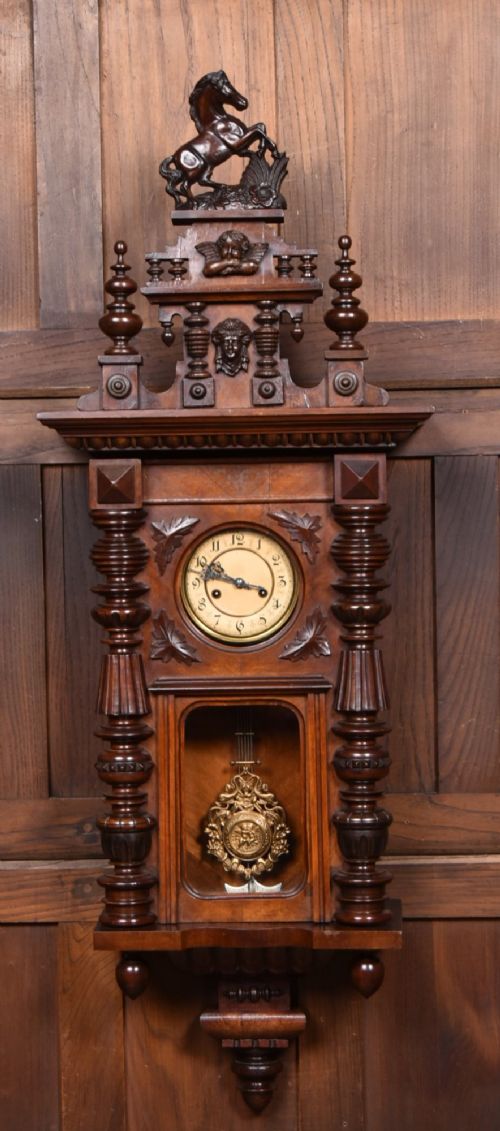
These carved wooden wall clock pieces bring both timekeeping and architectural presence to a room, led largely by walnut and mahogany Vienna and Black Forest examples.
Carved Wooden Wall Clock
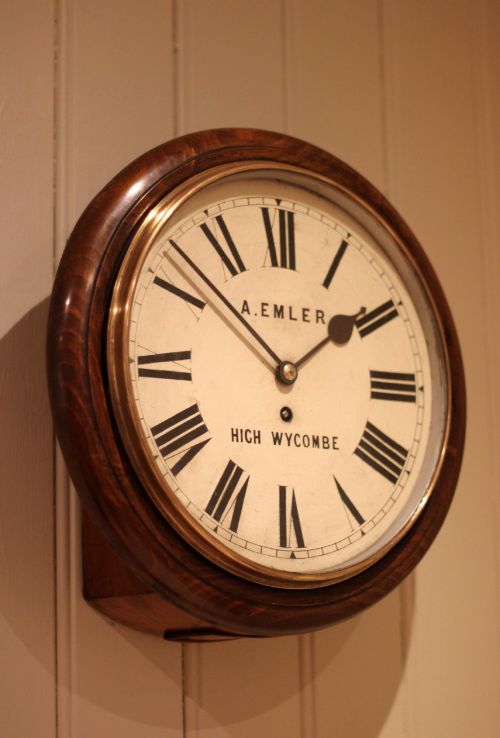
A carved wooden wall clock is a functional timepiece designed to hang securely, appearing frequently across this selection in nineteenth-century walnut and mahogany formats. Buyers encountering these pieces often navigate a range of regional traditions, from English drop-dial fusee designs to Austrian Vienna regulators and German Black Forest models.
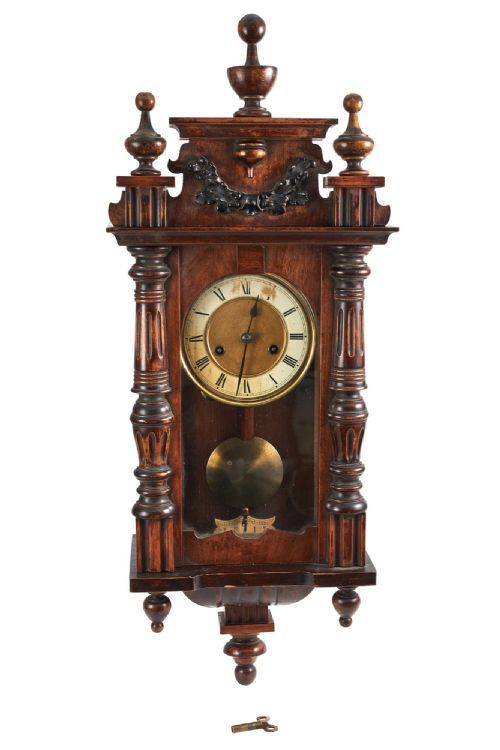
The Victorian period dominates the visual landscape here, bringing heavily carved walnut cases, double-weight movements and visible pendulums into homes. Alongside these sit distinct regional variants, including Dutch Frisian clocks and French oak or walnut pieces.
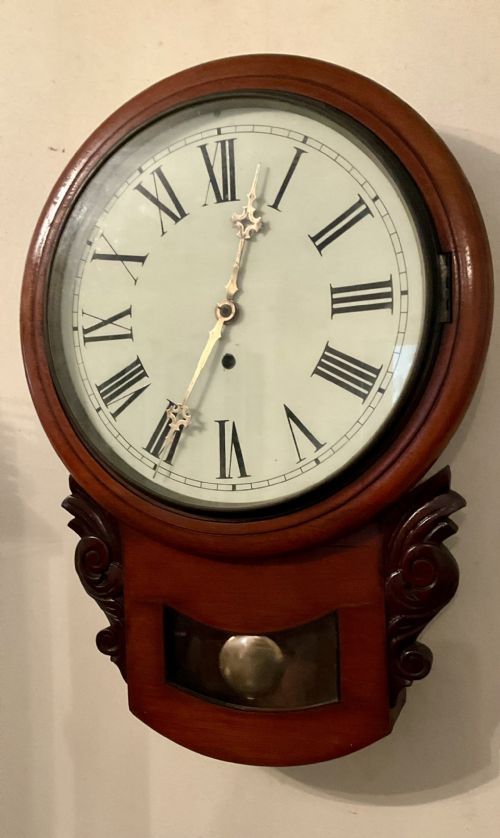
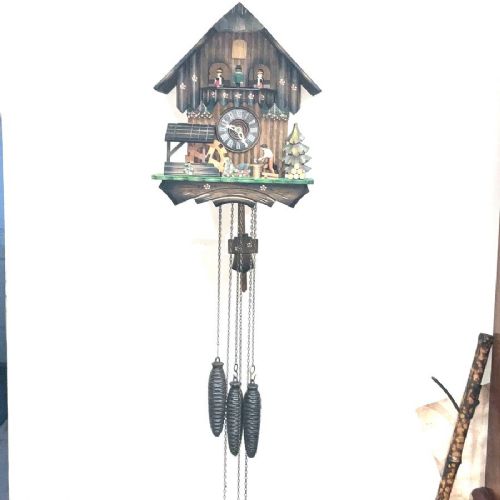
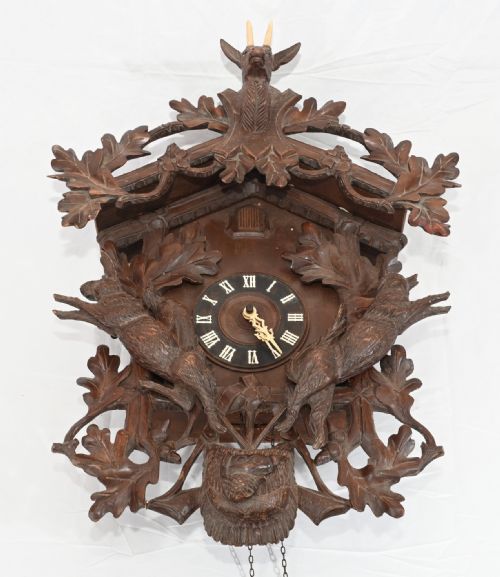
Drop-dial and banjo configurations appear regularly, offering circular faces above tapered wooden trunks that display the swinging pendulum. Cuckoo clocks also feature prominently, bringing mechanical automation and carved forest motifs to the wall.
Judging quality and execution
Quality rests in the depth and crispness of the hand-carving on the wooden case, separating mass-produced items from finely sculpted Vienna regulators and Black Forest pieces. The choice of timber grain, particularly figured walnut or rich mahogany, elevates the physical presence of the housing.
The sophistication of the internal movement dictates the upper tier of the range, where double fusee mechanisms or striking automata represent superior horological ambition. Original enamel dials, matching hands and intact mechanical complexity further distinguish the finer examples.
Carved Wooden Wall Clock Retail Price Guide 2026
Typical asking prices for carved wooden wall clock among the pieces listed under this phrase on Sellingantiques today, from the lower quarter to the upper quarter. They describe what is for sale here now, not the wider market.
Listings feature timber cases in walnut, mahogany, oak, beech and general carved wood, spanning the nineteenth and twentieth centuries.
Connell of London·Johann Baptist Beha
The Carved Wooden Wall Clock Glossary
- Fusee
- A conical pulley used in clock movements to maintain even force on the gear train as the mainspring unwinds. This mechanism improves timekeeping accuracy across the duration of the wind.
- Vienna Regulator
- A precise weight-driven wall clock originating in Austria during the nineteenth century. These pieces feature long glass-panelled cases designed to display the pendulum.
- Drop Dial
- A clock face mounted on a box that extends downward to house a pendulum. This English style combines a prominent circular dial with a lower wooden trunk.
- Aneroid Barometer
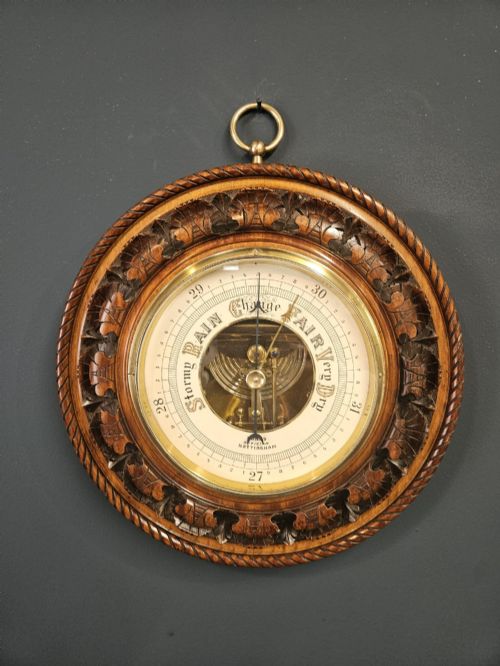
- An instrument measuring atmospheric pressure without liquid, using a flexible metal box. These mechanisms often pair directly with wall clocks and thermometers.
- Automaton
- A mechanical figure that moves in coordination with a clock strike or musical movement. These elements appear frequently in Black Forest and Venetian pieces.
Carved Wooden Wall Clock: Frequently Asked Questions
How do I wind a weight-driven wall clock?
Weight-driven wall clocks require you to pull the chains or wind the cords to raise the heavy metal weights back toward the top of the case. Care must be taken not to over-wind or pull past the designated stop point.
Most eight-day movements need attention once a week, while other configurations require more frequent winding depending on the train and pendulum setup.
What is the difference between a fusee and a spring-driven clock?
A fusee clock uses a conical drum and a cord to equalise the declining power of the mainspring as it unwinds. This ensures consistent torque reaches the escapement.
Spring-driven clocks house the mainspring directly within a barrel gear without a fusee cone, resulting in a slight variation in power delivery as the spring relaxes.
Where should I hang a heavy wooden wall clock?
These clocks require solid mounting directly into wall studs or masonry using heavy-duty fixings suited to the weight of the timber case and movement. Hanging them securely prevents vibration from interfering with the pendulum's beat.
Position the clock away from direct sunlight and drafts to protect the wooden finish and ensure stable mechanical operation.
How do I tell a Vienna regulator from a standard wall clock?
Vienna regulators feature long, glazed wooden cases designed specifically to showcase the suspended pendulum and descending weights. Their movements are typically engineered for high precision.
Standard wall clocks often use more compact cases, such as round drop-dials or carved wooden boxes, without the elongated glass viewing panels characteristic of regulators.