
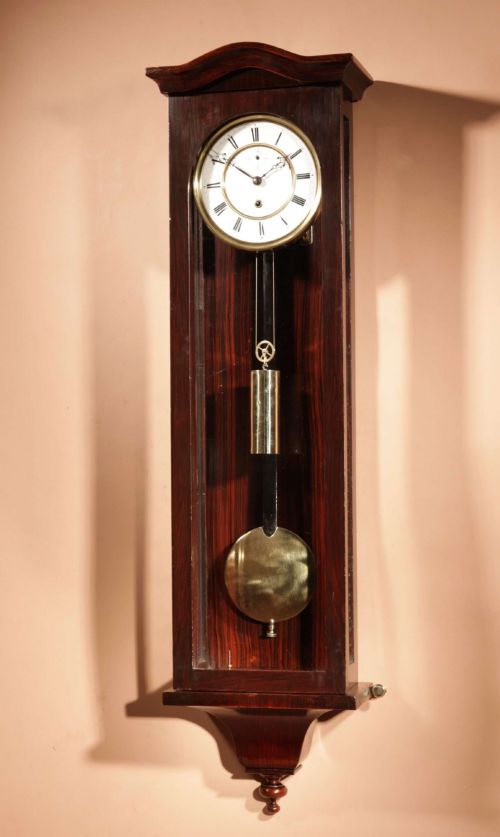
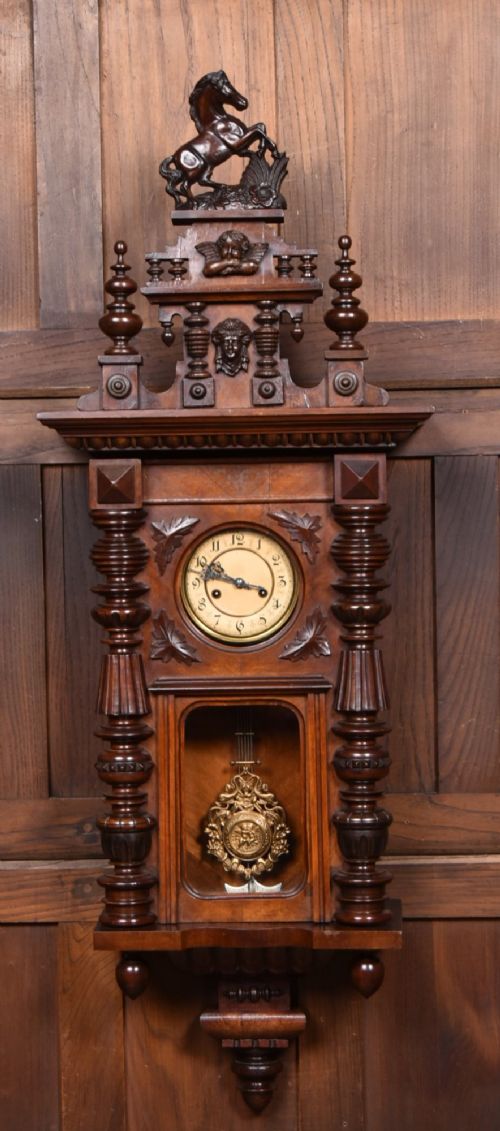


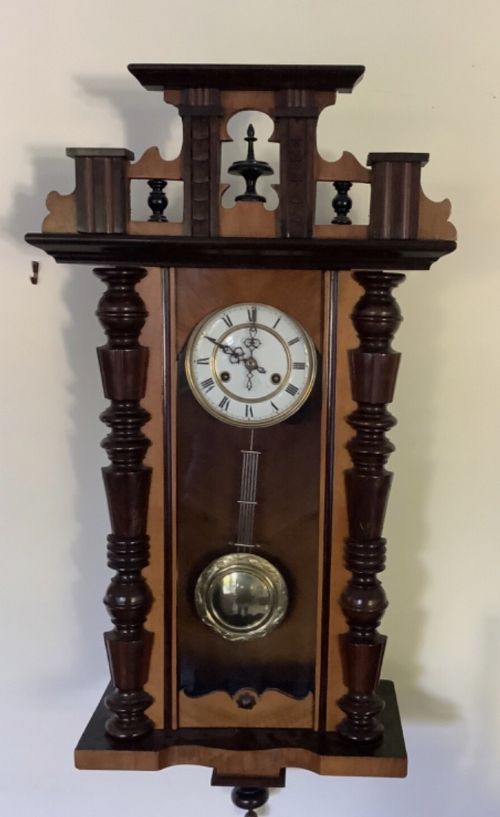
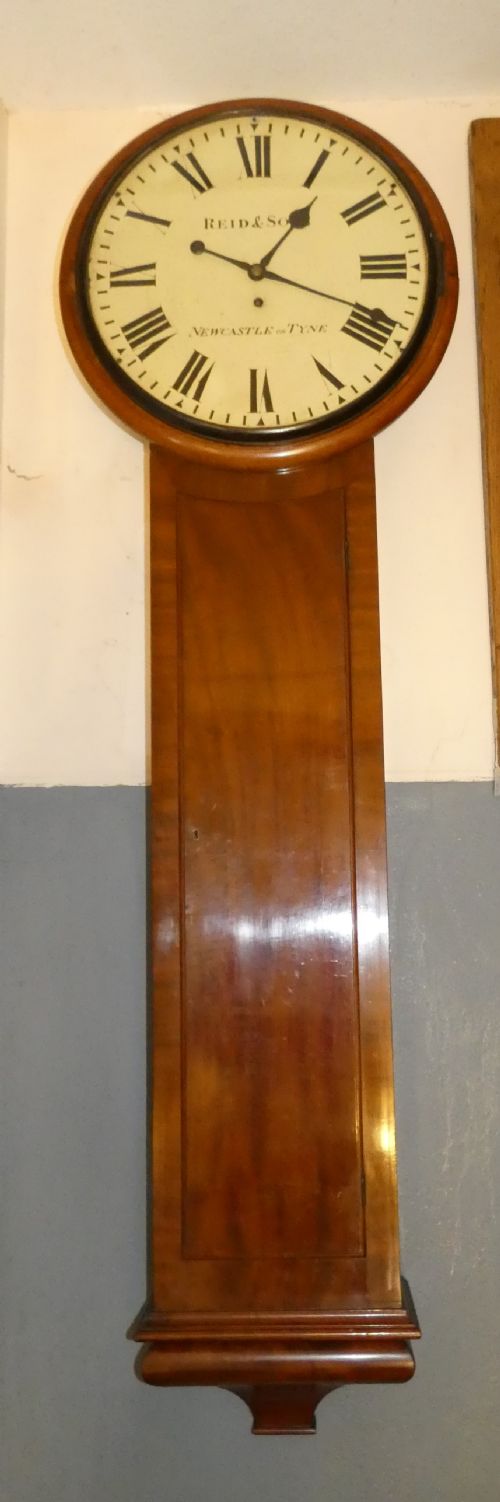


Dark Wood Regulator Clock
A dark wood regulator clock offers the precise timekeeping and striking presence that collectors and period interiors demand.
Identifying a dark wood regulator clock
When you search for a dark wood regulator clock, you encounter precision timepieces housed in substantial timber cases. These pieces range from wall-mounted instruments to tall floor-standing longcase examples.
The selections span distinct historical eras, incorporating Georgian, Regency, and 1900 periods. Origins include German, Austrian, French, and Scottish makers.
Forms vary between architectural wall clocks with pendulums and grand longcase structures. Mahogany and walnut constitute the primary timbers utilised for these dark wood housings.
Materials and construction
Cases utilise rich timbers such as mahogany and walnut, finished to highlight the natural grain of the dark wood. Glazed apertures protect the dial while revealing the interior movement.
Internal mechanisms incorporate brass components alongside pinwheel escapements for accurate time regulation. Dials feature enamel or silvered metal surfaces marked for clear reading.
Listings feature mahogany and walnut timbers alongside brass, glass, enamel, and silvered metal across Georgian, Regency, and 1900 periods.
Assessing quality
Quality rests in the sophistication of the movement, particularly the inclusion of specialised escapements like the pinwheel. Superior examples display refined casework with well-chosen mahogany or walnut veneers.
The integrity of the dial, whether enamel or silvered metal, alongside the precision of the brass work, distinguishes the finest pieces. Maker attribution also elevates an instrument above standard production.
William Chisholm Of Aberdeen·Valiant Paris
The Dark Wood Regulator Clock Glossary
- Regulator clock
- A high-precision timekeeper traditionally used as a standard to set other clocks. These instruments prioritize accuracy above all else.
- Pinwheel escapement
- A specialised clock escapement utilising pins instead of traditional teeth on the escape wheel. This mechanism reduces friction and improves timekeeping precision.
- Silvered metal
- A metallic dial surface treated with a silver compound to create a matte finish. Numerals and markings are typically engraved and filled for legibility.
- Longcase clock
- A tall freestanding timepiece housed in a wooden trunk with a descending pendulum. Often referred to as grandfather clocks, they combine grand scale with precise mechanics.
Frequently Asked Questions
What is a regulator clock?
A regulator clock is a high-precision timekeeper designed for exceptional accuracy. These instruments were historically used as reference standards in workshops and observatories.
They feature clear dials and refined internal mechanics to minimise timekeeping errors.
How do I identify the period?
Dating relies on stylistic markers from Georgian, Regency, and later eras. Cabinet construction, timber choice, and dial design all indicate the period of origin.
Maker signatures and specific escapement types also help establish the exact era of manufacture.
Where should I place a wall clock?
Wall-mounted examples require a sturdy partition to support their substantial timber and brass weight. Positioning them at eye level ensures the pendulum swings freely and the dial remains clearly visible.
Avoid damp spaces or areas prone to direct sunlight to preserve the dark wood finish.
What timber is used for the cases?
Cases are constructed from rich dark hardwoods such as mahogany and walnut. These timbers provide the structural stability needed to house heavy mechanical movements.
French polish and wax finishes are typically applied to protect the wood and enhance its natural grain.